Castello di Çeşme
Il formidabile Castello di Çeşme, una costruzione ottomana, non è sempre stato circondato da terra.
La storia completa si sblocca nel tour
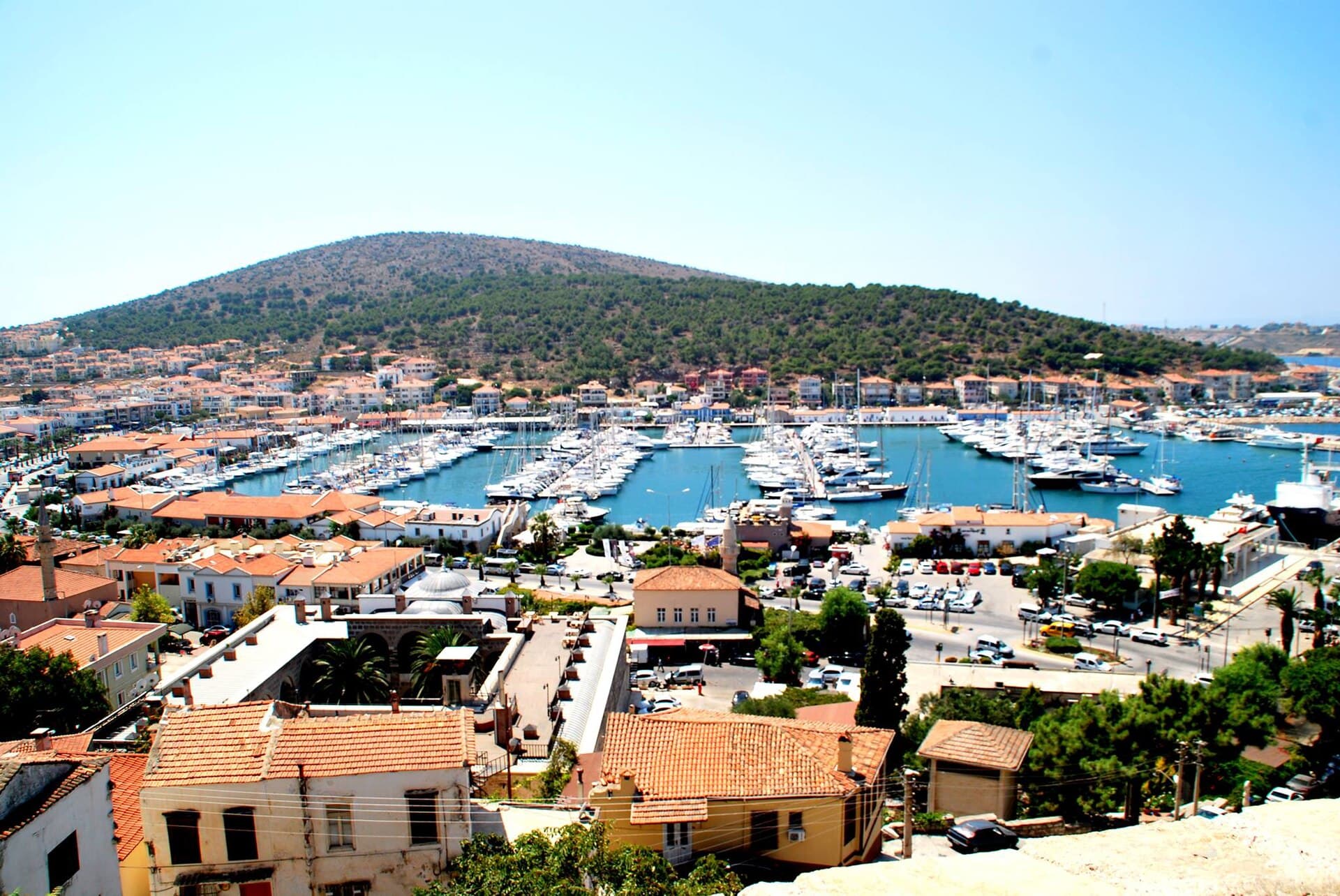 Irfan Parlar / CC BY-SA 4.0, via Wikimedia Commons
Tour audio autoguidato di Çeşme — percorso GPS a piedi, riproduzione offline, narrazione coinvolgente in 32 lingue.
“Dove l'immensità dell'Egeo incontra antiche fontane e coste baciate dal sole.”
Non le cartoline. Le storie che nemmeno i locali conoscono — sussurrate nel tuo orecchio, proprio dove sono accadute.
Il formidabile Castello di Çeşme, una costruzione ottomana, non è sempre stato circondato da terra.
Il nome stesso 'Çeşme' offre un indizio su una caratteristica un tempo abbondante dell'area.
Il rinomato mercato del sabato di Alaçatı è più di una semplice raccolta di bancarelle.
Scopri ogni segreto di Çeşme
Ogni indirizzo, ogni rivelazione completa — nel tuo orecchio, proprio dove è accaduta.
Scegli le tue tappe. Cammini. La voce rivela ciò che gli altri perdono.


Il tuo tour audio autoguidato di Çeşme è pronto — scegli i tuoi punti di interesse, seleziona la tua lingua e inizia nel momento in cui arrivi.
AcquistaLume include una guida in realtà aumentata. Alza il telefono: la fotocamera mostra la strada davanti a te, con una freccia luminosa sovrapposta all'immagine reale che punta sempre verso la tua prossima tappa — nessuna mappa da decifrare, nessuna svolta sbagliata. Come tutto in Lume, funziona completamente offline.
Çeşme (pronunciato 'chesh-meh') è un'affascinante località turistica lungo la costa egea della Turchia, a 85 chilometri a ovest di İzmir. Situata sulla punta di una penisola che porta il suo nome, Çeşme è una destinazione di vacanza prediletta, con la sua popolazione che aumenta significativamente durante i mesi estivi. Il nome della città, che significa 'fontana' in persiano, allude all'abbondanza storica di sorgenti e fontane pubbliche che un tempo definivano l'area. Oggi, Çeşme è celebrata per le sue acque limpide, le diverse spiagge e un rinfrescante imbat, un vento fresco e secco da nord che offre un gradito sollievo dal caldo estivo.
Oltre alle sue coste soleggiate, Çeşme offre un mix di profondità storica e svago contemporaneo. Serve come porta d'accesso all'isola greca di Chio, a soli 10 chilometri di distanza, con regolari servizi di traghetto che collegano le due. Il fascino della regione si estende alle sue acque termali terapeutiche e a una vivace vita notturna, attirando visitatori in cerca sia di tranquillità che di intrattenimento vivace. Il comune circostante comprende una varietà di piccoli resort e villaggi, ognuno dei quali contribuisce al carattere distintivo della penisola.
La storia di Çeşme si svolge attraverso varie civiltà ed eventi cruciali. Conosciuta come Cyssus nell'antichità, l'area era un insediamento notevole grazie alla sua posizione strategica sulla costa egea e alla sua vicinanza all'isola di Chio e all'antica città di Efeso. Intorno al 1000 a.C., gli Ioni si stabilirono qui, integrando Çeşme nella Lega Ionica. Il controllo passò attraverso il Regno di Lidia e l'Impero Persiano prima che Alessandro Magno liberasse le città ioniche nel 334 a.C., iniziando un periodo ellenistico fiorente.
Durante l'era bizantina, la città portava il nome di Krini, che significa 'fontana' in greco. Funzionava come un avamposto costiero, sebbene spesso messo in ombra da Chio. La regione era suscettibile alle incursioni dei pirati e alle invasioni dei Selgiuchidi e di altri gruppi turchi. Çeşme passò sotto il controllo turco alla fine dell'XI secolo sotto l'ammiraglio Çaka Bey, che la utilizzò come base navale militare. Nel XIV secolo, fu amministrata dai Genovesi, che controllavano le isole vicine, e successivamente assorbita dall'Impero Ottomano nel 1415.
Sotto il governo ottomano, Çeşme prosperò come porto cruciale per il commercio e le operazioni navali. L'iconico Castello di Çeşme, una fortezza rettangolare con sei torri, fu costruito nel 1508 dal Sultano Bayezid II per difendersi dagli attacchi veneziani e dalle incursioni dei pirati. Questo castello, inizialmente costruito sul lungomare, ora si trova leggermente nell'entroterra a causa di secoli di depositi alluvionali. Nel 1528, il Sultano Süleyman il Magnifico investì ulteriormente nelle infrastrutture, commissionando un caravanserraglio adiacente al castello, che oggi opera come hotel. Il XVIII secolo vide la notevole Battaglia di Çeşme nel 1770, un importante scontro navale durante la guerra russo-turca in cui la flotta russa devastò la marina ottomana nella baia di Çeşme.
Il XIX secolo portò prosperità attraverso il commercio e l'agricoltura, in particolare per olive e fichi, e il commercio di mastice condiviso con Chio. Tuttavia, con l'ascesa di İzmir come centro commerciale dominante, il porto di Çeşme perse gradualmente la sua precedente importanza. Dopo le Guerre Balcaniche, i Bosniaci si stabilirono in aree come Alaçatı e Çiflikköy. Fino al 1922, i Greci costituivano la maggioranza della popolazione di Çeşme. Dopo la Guerra d'Indipendenza Turca e lo scambio di popolazioni del 1923 con la Grecia, la composizione demografica cambiò, con i Turchi musulmani provenienti dalla Grecia che si stabilirono a Çeşme. Dagli anni '50 agli anni '70, Çeşme si trasformò da città commerciale in un'importante destinazione turistica, riconosciuta per le sue spiagge, le sorgenti termali e i luoghi storici.
Inizia il tuo viaggio dal Castello di Çeşme, una fortezza ottomana dei primi del XVI secolo che offre ampie viste sul porto e sul Mar Egeo. All'interno delle sue mura, il Museo di Çeşme espone manufatti di vari periodi storici, inclusa la Battaglia di Çeşme. Di fronte al castello, troverai un monumento in onore dell'ammiraglio Cezayirli Gazi Hasan Paşa, raffigurato accanto al suo leone.
Adiacente al castello si erge il Caravanserraglio, costruito dal Sultano Süleyman il Magnifico nel 1528. Questo storico edificio, che un tempo ospitava mercanti stranieri, oggi funziona come hotel con vari negozi e luoghi di intrattenimento. Per uno sguardo alla storia antica, un breve tragitto in auto dal centro della città conduce all'Antica Città di Erythrai vicino al villaggio di Ildır. Quest'antica città ionica, riconosciuta per il suo commercio marittimo, rivela resti di templi, mura cittadine e un anfiteatro, con il Tempio di Atena che offre viste panoramiche sul mare.
Çeşme si estende lungo una costa di 29 chilometri, con oltre 20 spiagge e baie distinte. Ilıca Beach è nota per le sue ampie sabbie bianche, le acque poco profonde e le sorgenti termali che riscaldano il mare, rendendola adatta alle famiglie. Altınkum Beach, o 'Spiaggia d'Oro', situata a circa 10 km dal centro, offre sabbia quasi bianca e acque fresche e limpide. Per coloro che sono appassionati di windsurf e kitesurf, Çark Beach è una località preferita con venti costanti e diverse scuole di surf. La vicina città di Alaçatı è celebrata per le sue storiche case in pietra, i mulini a vento e come destinazione principale per il windsurf.
Il periodo ideale per visitare Çeşme per attività all'aperto e per godersi le sue spiagge è durante i mesi estivi, da giugno a settembre, quando le temperature sono elevate e le precipitazioni sono minime. Luglio è tipicamente il mese più caldo, con massime medie intorno ai 31°C (87°F). Per una visita più tranquilla con un clima gradevole, considera la tarda primavera (maggio) o l'inizio dell'autunno (ottobre). Durante queste stagioni di transizione, la folla è minore, le temperature sono più miti (intorno ai 20-25°C o 68-77°F) e il mare rimane abbastanza caldo per nuotare fino a ottobre.
Çeşme si trova 85 km a ovest di İzmir, e un'autostrada a sei corsie collega le due città. L'aeroporto più vicino è l'Aeroporto Adnan Menderes di İzmir (ADB), da cui è possibile raggiungere Çeşme in autobus, auto a noleggio o trasferimento privato. I traghetti operano regolarmente tra Çeşme e l'isola greca di Chio, con tempi di percorrenza variabili tra 20 e 45 minuti. Il centro di Çeşme è compatto e facilmente esplorabile a piedi. Per avventurarsi più lontano, i minibus locali, noti come dolmuş, forniscono trasporti verso aree vicine come Alaçatı e Ilıca.
Çeşme ospita vari mercati settimanali che offrono prodotti locali, tessuti e oggetti artigianali. Il Bazar Locale di Çeşme si tiene il mercoledì nel centro della città, mentre il più grande Bazar di Çeşme si svolge la domenica. Il vivace mercato di Alaçatı è un'attrazione popolare il sabato. La valuta locale è la Lira Turca (TRY). Sebbene l'inglese possa essere compreso nelle aree frequentate dai turisti, imparare alcune frasi turche di base è sempre apprezzato.
Çeşme — coreano, cinese, ebraico e altre 29 lingue, ogni tappa narrata da una voce madrelingua. La più ampia scelta di lingue tra i tour audio autoguidati.
Disponibile in: