The Royal Walls of Ceuta
Imagine a fortress with a moat so wide, you can sail a boat through it.
Full story unlocks in the tour
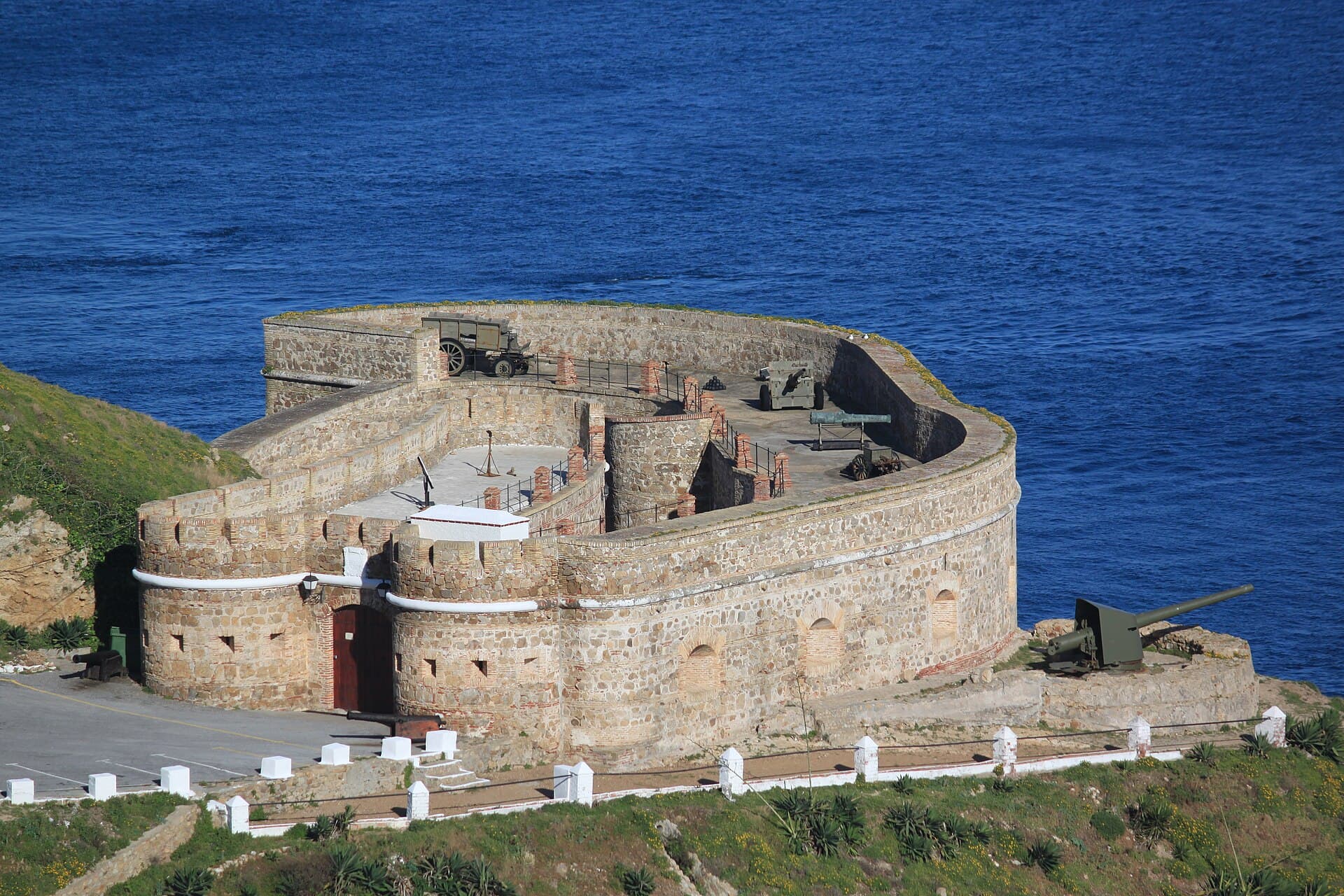 Hansi_2010 / CC BY-SA 3.0, via Wikimedia Commons
Self-guided audio walking tour of Ceuta — GPS route, offline playback, story-driven narration in 32 languages.
“Where Europe meets Africa, a city of ancient walls and modern currents.”
Not the postcards. The stories even locals don't know — whispered in your ear, right where they happened.
Imagine a fortress with a moat so wide, you can sail a boat through it.
Four bronze dragons guard a building in Ceuta's city center, but they weren't always there.
This cathedral holds centuries of layered history, literally, within its foundations.
Discover every secret of Ceuta
Every address, every reveal in full — in your ear, right where it happened.
You pick your stops. You walk. The voice reveals what the others miss.
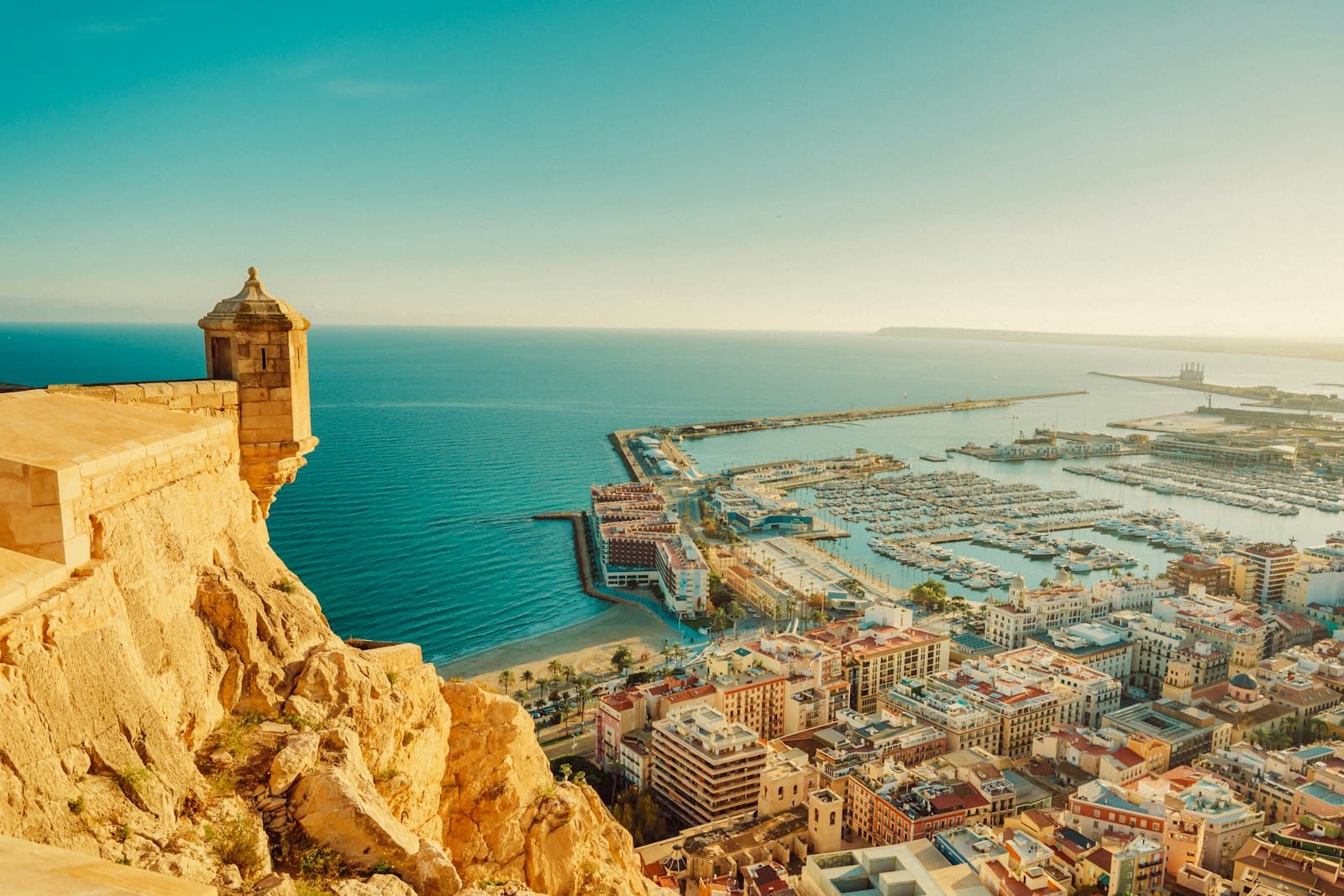
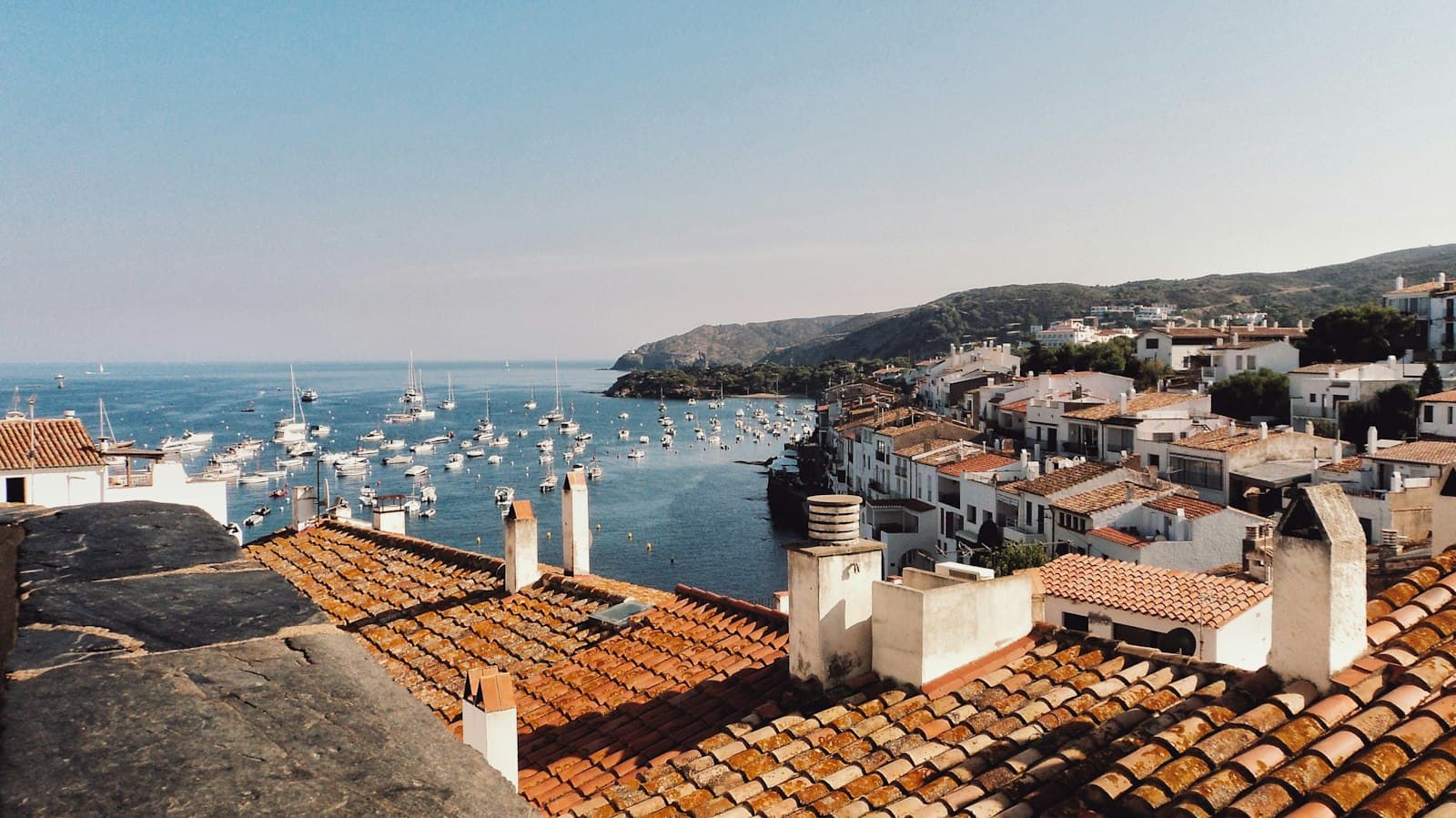
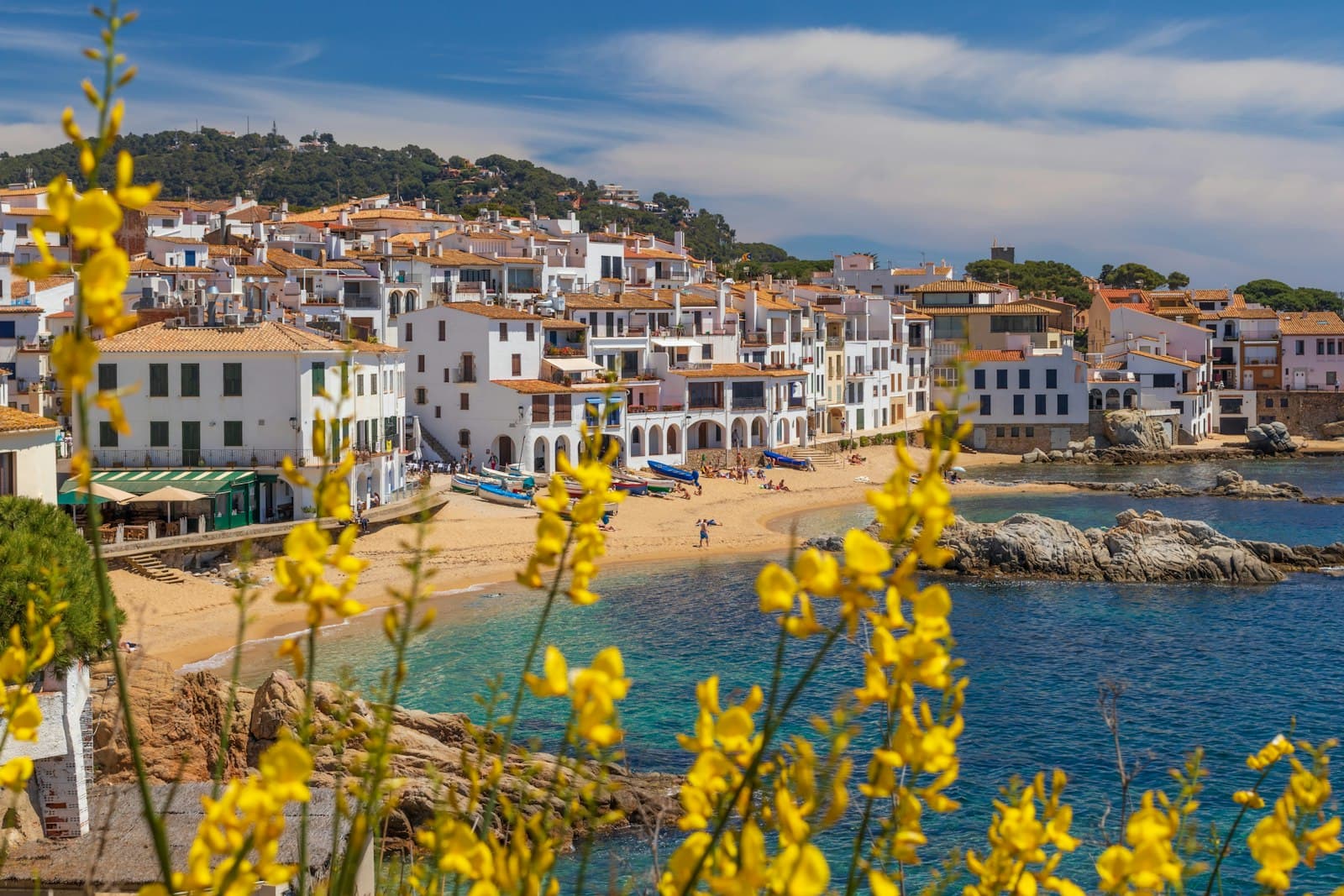
Your self-guided audio tour of Ceuta is ready — pick your landmarks, choose your language, and start the moment you arrive.
BuyLume has a built-in augmented-reality guide. Hold your phone up and its camera shows the street ahead of you, with a glowing arrow laid over the real view that always points to your next stop — no map to puzzle over, no wrong turns. Like everything in Lume, it works fully offline.
Ceuta, an autonomous Spanish city on the northern coast of Africa, is a captivating crossroads where European and African cultures converge. Separated from mainland Spain by the Strait of Gibraltar, yet sharing a land border with Morocco, this small peninsula of just 18.5 square kilometers offers a distinct blend of history, diverse traditions, and Mediterranean charm.
Ceuta's strategic location at the meeting point of the Atlantic Ocean and the Mediterranean Sea has shaped its identity for millennia. The city's compact size allows for easy exploration, revealing ancient fortifications, bustling markets, and tranquil beaches, all infused with a distinct multicultural atmosphere.
## From Ancient Abyla to Spanish Autonomy Ceuta's story begins in antiquity, with archaeological evidence suggesting Phoenician trading posts as early as the 7th century BC, when they called the settlement Abyla. Later, the Greeks and Romans referred to the area as Septem Fratres (Seven Brothers) in honor of the seven hills surrounding the city, a name from which 'Ceuta' is derived. Its strategic position as one of the mythical 'Pillars of Hercules' made it a coveted prize for various powers, including the Carthaginians, Romans, and Byzantines.
Under Roman rule, Ceuta flourished as a vital administrative and military post, becoming a major center for the food industry with extensive fish salting and garum sauce production. The city saw successive waves of conquest, including the Vandals, Byzantines, and Visigoths, before coming under Arab control. The Islamic era, from the 8th to the 15th centuries, saw Ceuta thrive as a crucial trade bridge connecting the Islamic world with sub-Saharan Africa and Europe.
A dramatic shift occurred in 1415 when Portugal conquered Ceuta, marking the beginning of European colonial expansion into Africa and launching the Portuguese Age of Discovery. For over 160 years, Ceuta remained Portuguese until the Iberian Union in 1580, when Spain and Portugal shared the same monarch. When Portugal regained its independence in 1640, Ceuta made the remarkable decision to remain loyal to the Spanish Crown, a status officially recognized by the Treaty of Lisbon in 1668. Since 1995, Ceuta has been one of Spain's two autonomous cities, a status that grants it its own government and places it within the legal and economic framework of modern Europe, though with specific provisions regarding its border with Morocco.
Begin your exploration at the Royal Walls of Ceuta, a monumental fortification with parts dating back to 962 AD. You can even take a boat through its unique navigable moat. Nearby, the Cathedral of St. Mary of the Assumption offers a glimpse into the city's layered past, having once been a mosque. Discover the distinctive House of the Dragons (Casa de los Dragones), an eclectic architectural creation from 1905, adorned with four bronze dragons.
For sweeping views, ascend Monte Hacho, a strategic low mountain that offers vistas of the city, the Mediterranean, and the Strait of Gibraltar. The Parque Marítimo del Mediterráneo, designed by artist César Manrique, is a leisure complex with artificial saltwater lakes, gardens, and waterfalls, perfect for relaxation. Wander through the Plaza de África, a central hub featuring traditional markets and modern boutiques, or stroll along Calle Camoens for fashionable shops and cafes. For a deeper dive into Ceuta's past, visit the Revellín Museum (Museum of Ceuta) or the Tardarromana Basílica Museum, showcasing archaeological finds from various eras.
Ceuta enjoys a Mediterranean climate with mild, rainy winters and warm, sunny summers. The best time for general outdoor activities is from late May to mid-September, with a peak in early July, offering clear, rainless days and comfortable temperatures. For beach activities, late June to early September is ideal, as the sea temperature is suitable for swimming, though some might find it a bit cool. Spring (March-May) and Autumn (September-November) also offer pleasant weather with fewer visitors.
Ceuta is easily accessible by high-speed ferry from Algeciras in mainland Spain, with multiple daily crossings. There is no airport in Ceuta, but a heliport offers an alternative. While Ceuta is part of Spain and the European Union, it operates as a special low-tax zone and is outside the Schengen Area and the EU's customs union. This means passport and visa requirements follow Spanish and Schengen rules, but specific border checks apply even when traveling between Ceuta and mainland Spain. The official currency is the Euro. The city is compact and can be explored on foot or by bike, with taxis also available, some offering fixed-fee tourist tours.
Ceuta in Korean, in Chinese or in Hebrew — and 29 more languages, every stop narrated by a native voice. The widest language range of any self-guided audio tour.
Available in: