Colline de Kasteli
Sous les charmantes couches vénitiennes et ottomanes de la vieille ville de La Canée se cache une histoire secrète s'étendant sur des millénaires.
L'histoire complète se débloque dans le tour
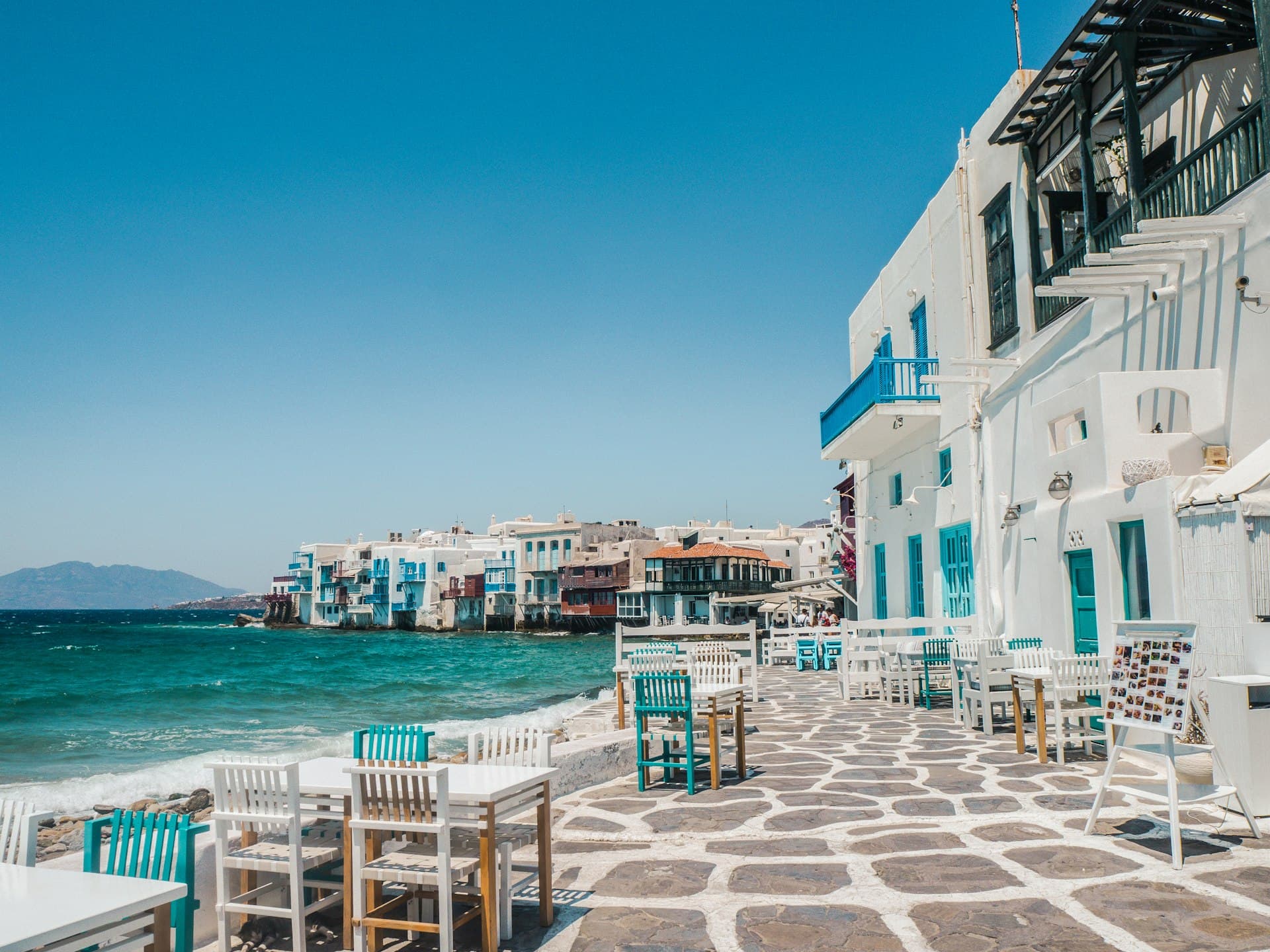 Photo: Johnny Africa / Unsplash
Visite audio autoguidée de La Canée — parcours GPS à pied, lecture hors ligne, narration en 32 langues.
“Là où l'élégance vénitienne rencontre l'âme crétoise.”
Pas les cartes postales. Les histoires que même les habitants ignorent — soufflées à l'oreille, là où elles se sont passées.
Sous les charmantes couches vénitiennes et ottomanes de la vieille ville de La Canée se cache une histoire secrète s'étendant sur des millénaires.
Le phare emblématique de La Canée, symbole du port, n'est pas entièrement vénitien, malgré ses origines.
Ce marché animé, un centre de la vie locale, se dresse sur un site ayant eu une fonction antérieure surprenante.
Découvrez tous les secrets de La Canée
Chaque adresse, chaque révélation en entier — dans ton oreille, là où elle s'est passée.
Tu choisis tes lieux. Tu marches. La voix te révèle ce que les autres ignorent.


Votre visite audioguidée de La Canée vous attend — choisissez vos lieux, votre langue, et lancez-vous dès votre arrivée.
AcheterLume intègre un guide en réalité augmentée. Levez votre téléphone : sa caméra montre la rue devant vous, avec une flèche lumineuse posée sur l'image réelle qui pointe toujours vers votre prochain arrêt — aucune carte à déchiffrer, aucun mauvais virage. Comme tout dans Lume, ça fonctionne entièrement hors-ligne.
La Canée, une ville captivante sur la côte nord-ouest de la Crète, en Grèce, présente un mélange irrésistible d'histoire, de culture et de splendeur naturelle. Son port vénitien, bordé de vieux bâtiments colorés et d'une charmante promenade, invite les visiteurs à des flâneries tranquilles et des dîners au bord de l'eau. Au-delà du port, la vieille ville se déploie comme un labyrinthe de rues étroites et sinueuses, où les influences vénitiennes, ottomanes et juives se fondent avec une grâce aisée.
La Canée est plus qu'une ville à l'attrait historique ; elle sert de porte d'entrée vers certains des sites naturels les plus impressionnants de Crète. Des falaises spectaculaires du parc national des Gorges de Samaria aux célèbres sables roses de la plage d'Elafonisi, la région offre des paysages variés à explorer. Le caractère animé de la ville, ses festivals traditionnels et sa délicieuse cuisine crétoise, composée de fruits de mer frais et de produits locaux, contribuent à une expérience mémorable.
L'histoire de La Canée remonte à des milliers d'années, bâtie sur le site de l'ancienne Kydonia, l'une des villes minoennes les plus importantes de Crète. Des preuves archéologiques sur la colline de Kasteli suggèrent une habitation continue depuis le Néolithique, avec des couches minoennes, grecques et romaines sous la ville contemporaine. Homère a même mentionné Kydonia dans l'Odyssée.
Après le déclin de la civilisation minoenne et l'invasion dorienne vers 1200 av. J.-C., Kydonia est restée une cité-État proéminente. Les Romains ont conquis la Crète en 67 av. J.-C., et bien que La Canée soit devenue une partie de la province romaine d'Achaïe, elle a ensuite été déclarée indépendante par Auguste César, menant à une période florissante avec de grands bâtiments publics et privés.
Après la chute de l'Empire romain, La Canée est passée sous domination byzantine. La ville, connue sous le nom de Chania en grec à cette époque, a été fortement fortifiée pour dissuader les invasions arabes, avec des matériaux d'anciens bâtiments souvent réutilisés pour ses défenses. En 1204 apr. J.-C., les Vénitiens ont occupé La Canée, fortifiant la zone de Kasteli et restaurant la ville. Cette période, d'une durée de plus de quatre siècles, a vu La Canée devenir une ville portuaire cruciale et la capitale de la Crète, entraînant d'importantes contributions architecturales et culturelles qui sont encore évidentes aujourd'hui, y compris la construction du port vénitien et de ses murs défensifs.
Les Ottomans ont conquis la Crète aux Vénitiens en 1669, et La Canée est restée sous domination ottomane jusqu'en 1898. Pendant cette période, de nombreuses églises catholiques ont été converties en mosquées, et de nouvelles ont été construites, comme la mosquée de Kioutsouk Hasan en bord de mer. En 1898, alors que la Crète se dirigeait vers l'indépendance et l'union avec la Grèce, La Canée est devenue la capitale de l'État crétois semi-autonome, émettant même ses propres timbres et sa propre monnaie. La Crète s'est officiellement unie à la Grèce en 1913, La Canée servant de capitale jusqu'en 1971. La ville a subi des destructions partielles pendant la Seconde Guerre mondiale en raison des bombardements, mais une grande partie de la vieille ville des périodes vénitienne et turque a perduré, créant l'atmosphère nostalgique que les visiteurs découvrent aujourd'hui.
Le cœur de La Canée est son port vénitien du XIVe siècle, une zone pittoresque bordée de vieux bâtiments colorés, de cafés et de restaurants. Une promenade le long de la digue du port offre des vues sur la mer Égée et la vieille ville de La Canée, menant au phare égyptien distinctif. La vieille ville elle-même est un labyrinthe de rues étroites et sinueuses, parfaites pour une exploration tranquille et la découverte de tavernes, cafés et boutiques traditionnels.
Parmi les sites remarquables, citons la forteresse de Firka, construite par les Vénitiens pour la défense et abritant aujourd'hui le musée maritime de Crète, qui offre un aperçu de l'histoire nautique de l'île. La mosquée de Kioutsouk Hasan, le dernier temple de l'époque turque de la ville, avec ses dômes roses, témoigne de l'influence ottomane. Pour un aperçu de la vie locale, le marché municipal (Agora), bien que fermé pour rénovations depuis 2022, est un point de repère important. Le musée archéologique de La Canée, situé dans le quartier historique de Chalepa, présente une collection d'artefacts minoens, grecs et romains.
Au-delà du centre-ville, envisagez une visite à l'ancienne Aptera, un important site archéologique avec des vestiges d'une grande ville antique, y compris un amphithéâtre et des citernes romaines, à environ 20 minutes en voiture de La Canée.
La Canée bénéficie d'un climat méditerranéen avec des étés chauds et des hivers doux. La période idéale pour visiter s'étend d'avril à octobre, lorsque les températures sont agréablement chaudes et les précipitations minimales, parfaites pour les activités de plein air. Le printemps (avril à juin) offre un temps doux et des fleurs sauvages en pleine floraison, avec moins de touristes. L'été (juillet et août) est la période la plus chaude, avec des températures atteignant jusqu'à 30°C, excellente pour les plages et la vie nocturne animée, bien que ce soit aussi la plus fréquentée. Septembre et octobre offrent un équilibre entre mers chaudes, températures confortables (20-27°C) et moins de foules, ce qui en fait une période superbe pour explorer et profiter des récoltes locales. Même l'hiver (novembre à mars) offre une expérience plus calme et authentique avec des températures plus douces (10-15°C), propice aux musées et aux activités culturelles.
L'aéroport international de La Canée (CHQ), également connu sous le nom d'aéroport Ioannis Daskalogiannis, est le principal hub aérien pour l'ouest de la Crète, situé à environ 14 kilomètres du centre-ville. Il gère des vols nationaux et internationaux, avec des vols nationaux vers Athènes et Thessalonique toute l'année.
Les transports en commun à La Canée sont efficaces et économiques. Le réseau de bus urbains relie les quartiers centraux et s'étend jusqu'au port de Souda, mais ne dessert pas l'aéroport. Pour les transferts aéroportuaires ou les trajets plus longs vers d'autres parties de la Crète, le service de bus régional KTEL est disponible depuis la gare routière centrale de la rue Kydonias. Des taxis sont également facilement disponibles à l'aéroport, au port de Souda et à divers points de la ville.
Bien que le code vestimentaire à La Canée soit généralement décontracté, surtout dans les zones balnéaires et touristiques, il est respectueux de couvrir les épaules et les genoux lors de la visite d'églises, de monastères ou de villages ruraux. Des tissus légers et respirants comme le lin et le coton sont recommandés pour le climat chaud. La monnaie locale est l'euro (€). La langue officielle est le grec, bien que de nombreux Crétois, en particulier dans les zones touristiques, parlent anglais.
La Canée en coréen, en chinois ou en hébreu — et dans 29 autres langues, chaque étape narrée par une voix native. La plus large gamme de langues de tous les audioguides autoguidés.
Disponible en :