Cattedrale dell'Immacolata Concezione
La più grande chiesa cattolica della Thailandia custodisce un segreto tra le sue grandiose mura gotiche, una scintillante testimonianza della devozione locale.
La storia completa si sblocca nel tour
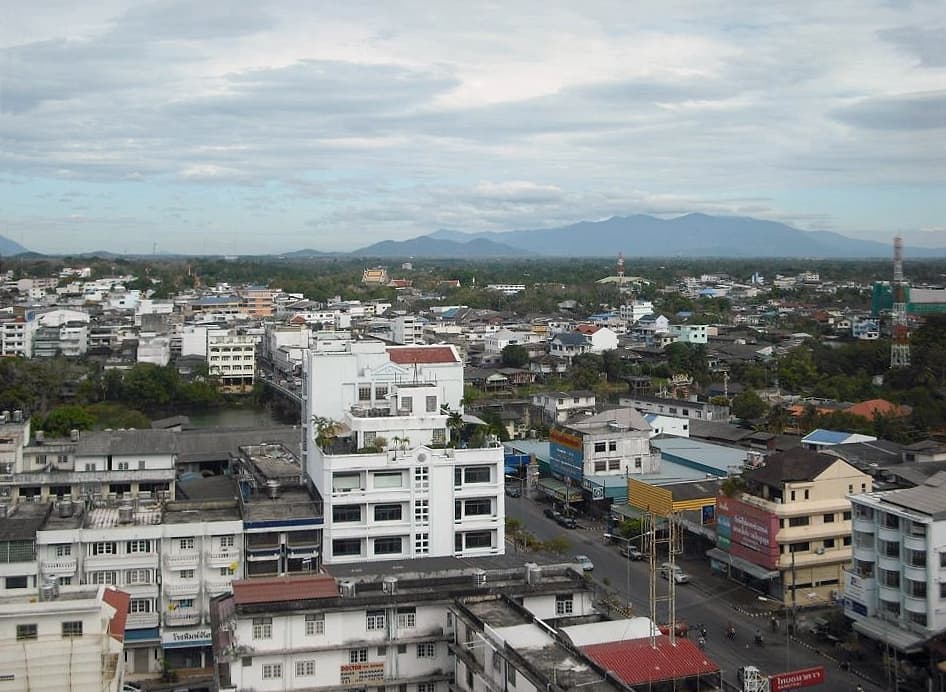 Ajtnk / Public domain, via Wikimedia Commons
Tour audio autoguidato di Chanthaburi — percorso GPS a piedi, riproduzione offline, narrazione coinvolgente in 32 lingue.
“Oltre lo splendore delle sue famose pietre, Chanthaburi offre un assaggio dell'antico Siam, dove i fiumi mormorano e i frutteti esplodono di colore.”
Non le cartoline. Le storie che nemmeno i locali conoscono — sussurrate nel tuo orecchio, proprio dove sono accadute.
La più grande chiesa cattolica della Thailandia custodisce un segreto tra le sue grandiose mura gotiche, una scintillante testimonianza della devozione locale.
L'energetico mercato delle pietre preziose non serve solo per comprare e vendere; il suo stile di negoziazione unico potrebbe sorprendere un visitatore alle prime armi.
Lungo lo storico Lungofiume Chanthaboon, alcuni edifici raccontano una storia non solo attraverso la loro architettura, ma attraverso le loro stesse fondamenta.
Scopri ogni segreto di Chanthaburi
Ogni indirizzo, ogni rivelazione completa — nel tuo orecchio, proprio dove è accaduta.
Scegli le tue tappe. Cammini. La voce rivela ciò che gli altri perdono.

Il tuo tour audio autoguidato di Chanthaburi è pronto — scegli i tuoi punti di interesse, seleziona la tua lingua e inizia nel momento in cui arrivi.
AcquistaLume include una guida in realtà aumentata. Alza il telefono: la fotocamera mostra la strada davanti a te, con una freccia luminosa sovrapposta all'immagine reale che punta sempre verso la tua prossima tappa — nessuna mappa da decifrare, nessuna svolta sbagliata. Come tutto in Lume, funziona completamente offline.
Chanthaburi, spesso chiamata la 'Città della Luna', è una provincia affascinante nella Thailandia orientale, un luogo dove il ritmo della vita sembra un po' più lento e storia e natura si intrecciano. È una regione nota per le sue fertili pianure, abbondanti frutteti e una lunga reputazione come centro globale del commercio di pietre preziose. A differenza di alcune delle destinazioni più frequentate della Thailandia, Chanthaburi offre uno spaccato di un autentico stile di vita locale, invitando i visitatori a passeggiare tra antiche comunità fluviali, esplorare imponenti siti religiosi e assaporare deliziosa cucina regionale.
Situata strategicamente tra Bangkok e le isole di Koh Chang e Koh Kood, Chanthaburi è una tappa ideale, anche se premia veramente coloro che si soffermano per qualche giorno. La città stessa, situata sulle rive del fiume Chanthaburi, è un crocevia di culture, con influenze thailandesi, cinesi e vietnamite evidenti nella sua architettura, tradizioni e scena culinaria. Dal luccichio dei suoi mercati di pietre preziose alla serena bellezza delle sue cascate e viste costiere, Chanthaburi presenta un'esperienza sfaccettata per il viaggiatore curioso.
## Primi insediamenti e integrazione nel regno La storia di Chanthaburi risale al XII secolo d.C., con il primo insediamento fondato dai Chong, una tribù Mon-Khmer. Reperti archeologici, come strumenti in pietra di 2.000 anni fa, suggeriscono che l'abitazione umana nella regione sia precedente anche a questo. Entro la fine del XIV secolo, Chanthaburi fu incorporata nel Regno di Ayutthaya.
## Re Taksin e le guerre birmane Un momento cruciale nella storia di Chanthaburi si verificò nel 1767. Dopo la caduta del Regno di Ayutthaya ad opera delle forze birmane invasori, Re Taksin il Grande, allora conosciuto come Phraya Tak Sin, trascorse diversi mesi a Chanthaburi. Usò la città come base per radunare un esercito, alla fine scacciò i birmani e stabilì la sua corte a Thonburi. Monumenti a Re Taksin si trovano in tutta la città, incluso un parco centrale a lui intitolato.
## Occupazione francese e influenza culturale Tra la fine del XIX e l'inizio del XX secolo, Chanthaburi visse un periodo di occupazione francese. Dopo la crisi di Paknam nel 1893, le truppe coloniali francesi occuparono Chanthaburi per 11 anni, restituendola alla Thailandia nel 1905. Questo periodo lasciò un'eredità architettonica duratura, visibile soprattutto nel design neogotico della Cattedrale dell'Immacolata Concezione, completata nel 1909. Il tessuto multiculturale della città fu ulteriormente arricchito da ondate di immigrati vietnamiti, in particolare comunità cattoliche in fuga dalle persecuzioni, che contribuirono alla costruzione della cattedrale e al carattere diversificato della Comunità del Lungofiume Chanthaboon.
## L'ascesa del commercio di pietre preziose Chanthaburi è stata per secoli un importante centro per l'estrazione e il commercio di pietre preziose, con una storia nel commercio che risale almeno al XVII secolo. La scoperta di abbondanti vene di rubini nelle colline circostanti negli anni '60 portò a un rapido boom, attirando cercatori e commercianti da tutto il Sud-est asiatico. Sebbene le miniere locali siano in gran parte esaurite, Chanthaburi si è trasformata in un centro globale per il taglio, il trattamento termico e il commercio di pietre preziose, lavorando rubini e zaffiri da tutto il mondo. Il mercato delle pietre preziose del fine settimana rimane una vivace testimonianza di questa duratura eredità.
Inizia la tua esplorazione dalla Comunità del Lungofiume Chanthaboon, un'area storica lungo il fiume che risale a oltre 300 anni fa. Passeggia lungo Sukhapiban Road, ammirando le tradizionali case a schiera che fondono stili architettonici thailandesi, cinesi e francesi. Dall'altra parte del fiume, collegata da un ponte pedonale, si erge la Cattedrale dell'Immacolata Concezione, la chiesa cattolica più grande della Thailandia. Il suo suggestivo design neogotico e una statua della Vergine Maria incrostata di pietre sono caratteristiche notevoli.
Per uno sguardo al cuore economico della città, visita il Chanthaburi Highlight Market in Si Chan Road, particolarmente attivo nei fine settimana (da venerdì a domenica). Qui potrai osservare le uniche pratiche commerciali e meravigliarti della diversità di pietre preziose. Gli amanti della natura non dovrebbero perdersi il Parco Nazionale di Namtok Phlio, sede di una bellissima cascata dove è possibile nuotare accanto a grandi pesci e monumenti storici costruiti da Re Rama V. Un altro sito di grande impatto visivo è il Wat Pak Nam Khaem Nu, noto anche come Tempio Blu, celebrato per le sue intricate decorazioni in ceramica blu e bianca.
Considera una visita a un frutteto locale, specialmente tra aprile e luglio, per sperimentare la reputazione di Chanthaburi come 'Ciotola della Frutta della Thailandia'. Molti frutteti offrono tour e buffet di frutta, permettendoti di assaggiare durian fresco, mangostano, rambutan e longan.
Il momento migliore per visitare Chanthaburi è durante la stagione fresca e secca, che di solito va da novembre a febbraio. Durante questi mesi, le temperature sono piacevoli, oscillando tra i 21-23 gradi Celsius, e le precipitazioni sono minime, rendendolo ideale per attività all'aperto e per esplorare la città. I cieli più limpidi migliorano anche le visite turistiche. Sebbene marzo e aprile siano più caldi, i prezzi degli hotel potrebbero diminuire in questo periodo. La stagione delle piogge, da giugno a ottobre, porta piogge abbondanti, che possono rendere i viaggi meno confortevoli, anche se l'annuale Festival del Durian di Chanthaburi si svolge spesso a giugno.
Chanthaburi si trova a circa 3,5-4 ore di auto a sud-est di Bangkok. Autobus e minivan sono disponibili dal terminal degli autobus orientali Ekkamai di Bangkok. La città non dispone di un aeroporto o di una stazione ferroviaria.
Una volta a Chanthaburi, il centro della città è in gran parte percorribile a piedi. Per distanze maggiori o per esplorare fuori dal centro principale, le opzioni includono taxi moto, songthaew (camioncini pick-up condivisi) o il noleggio di uno scooter o di un'auto. Avere un proprio mezzo di trasporto offre la massima flessibilità per esplorare la provincia più ampia, inclusi parchi nazionali e frutteti.
La sistemazione varia da locande tradizionali nel centro storico a resort moderni vicino alle spiagge. Si consiglia di soggiornare nella città vecchia per un facile accesso ai siti storici e ai ristoranti locali. Quando visiti i templi, vestiti in modo modesto coprendo spalle e ginocchia. Furti minori possono verificarsi nelle aree affollate, quindi presta attenzione ai tuoi effetti personali.
Chanthaburi — coreano, cinese, ebraico e altre 29 lingue, ogni tappa narrata da una voce madrelingua. La più ampia scelta di lingue tra i tour audio autoguidati.
Disponibile in: