Nordturm der Kathedrale von Chartres
Einer der ikonischen Türme der Kathedrale sieht deutlich anders aus als der andere.
Die ganze Geschichte wird in der Tour freigeschaltet
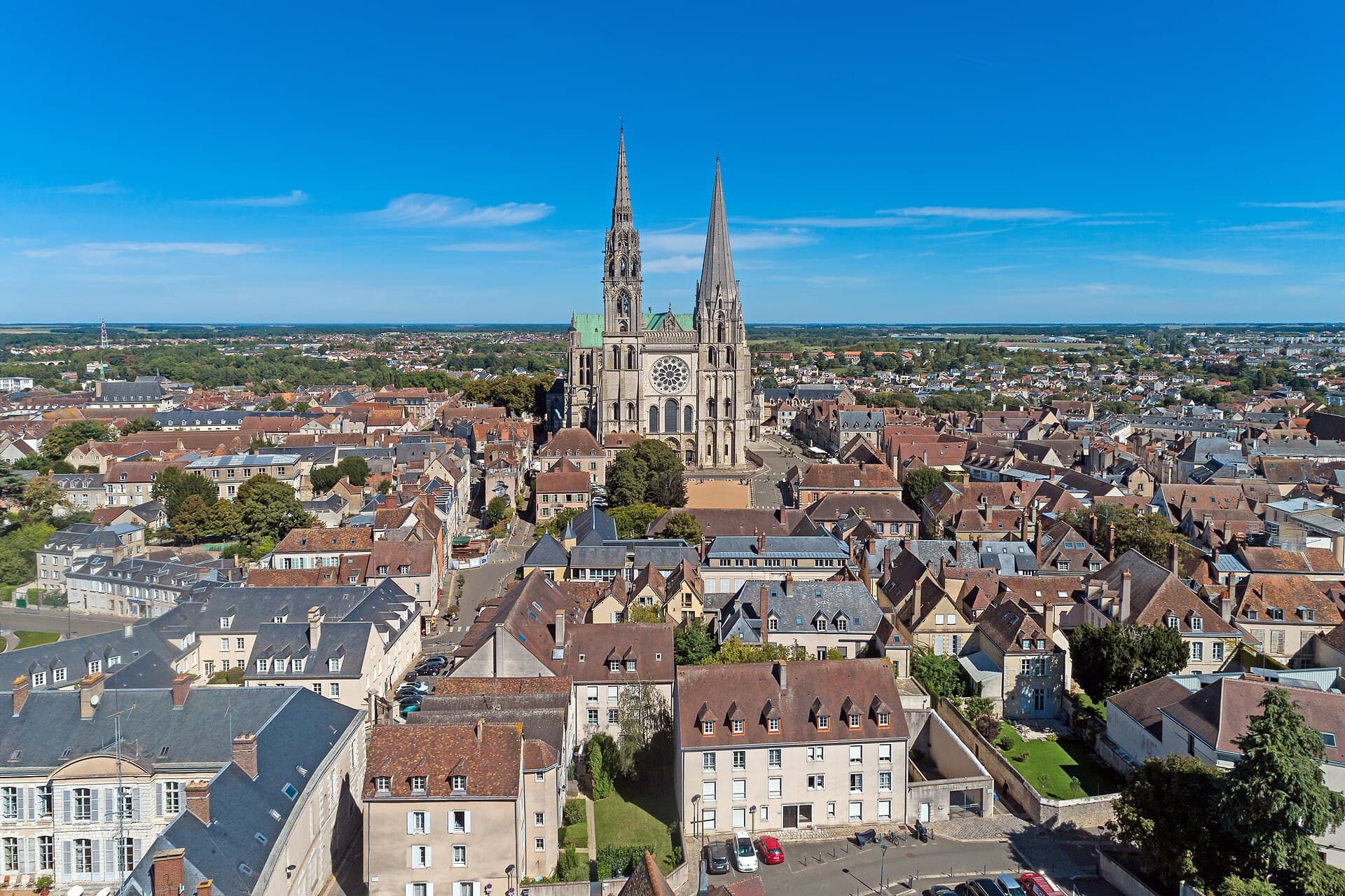 Ludvig14 / CC BY-SA 4.0, via Wikimedia Commons
Selbstgeführte Audio-Walking-Tour durch Chartres — GPS-Route, Offline-Wiedergabe, erzählerische Narration in 32 Sprachen.
“Wo Buntglas Geschichten erzählt und Geschichte in Stein widerhallt.”
Nicht die Postkarten. Die Geschichten, die selbst Einheimische nicht kennen – dir ins Ohr geflüstert, genau dort, wo sie geschahen.
Einer der ikonischen Türme der Kathedrale sieht deutlich anders aus als der andere.
Während der Befreiung von Chartres im Jahr 1944 widersetzte sich ein amerikanischer Armeeoffizier den Befehlen, um die Kathedrale zu retten.
Das leuchtende Blau im mittelalterlichen Buntglas der Kathedrale von Chartres hat einen geheimnisvollen Ursprung.
Entdecke jedes Geheimnis von Chartres
Jede Adresse, jede Enthüllung vollständig – in deinem Ohr, genau dort, wo es geschah.
Du wählst deine Stationen. Du gehst. Die Stimme enthüllt, was andere übersehen.

Deine selbstgeführte Audio-Tour durch Chartres ist bereit – wähle deine Sehenswürdigkeiten, deine Sprache und starte, sobald du ankommst.
KaufenLume enthält einen integrierten Augmented-Reality-Guide. Halten Sie Ihr Handy hoch: Die Kamera zeigt die Straße vor Ihnen, mit einem leuchtenden Pfeil über dem echten Bild, der immer auf Ihren nächsten Stopp zeigt — keine Karte zum Rätseln, keine falschen Abzweigungen. Wie alles bei Lume funktioniert es komplett offline.
Chartres, eine Stadt etwa 90 km südwestlich von Paris, ist ein faszinierendes Reiseziel, das weltweit für seine prächtige Cathédrale Notre-Dame de Chartres bekannt ist. Diese UNESCO-Weltkulturerbestätte ist eine der am besten erhaltenen gotischen Kathedralen Frankreichs, deren hoch aufragende Türme kilometerweit über die flache Beauce-Ebene sichtbar sind. Die Stadt selbst, auf einem Hügel mit Blick auf den Fluss Eure erbaut, verbindet ihre mittelalterliche Vergangenheit mit einer lebendigen Gegenwart und bietet ein reizvolles Erlebnis jenseits der Kathedralmauern.
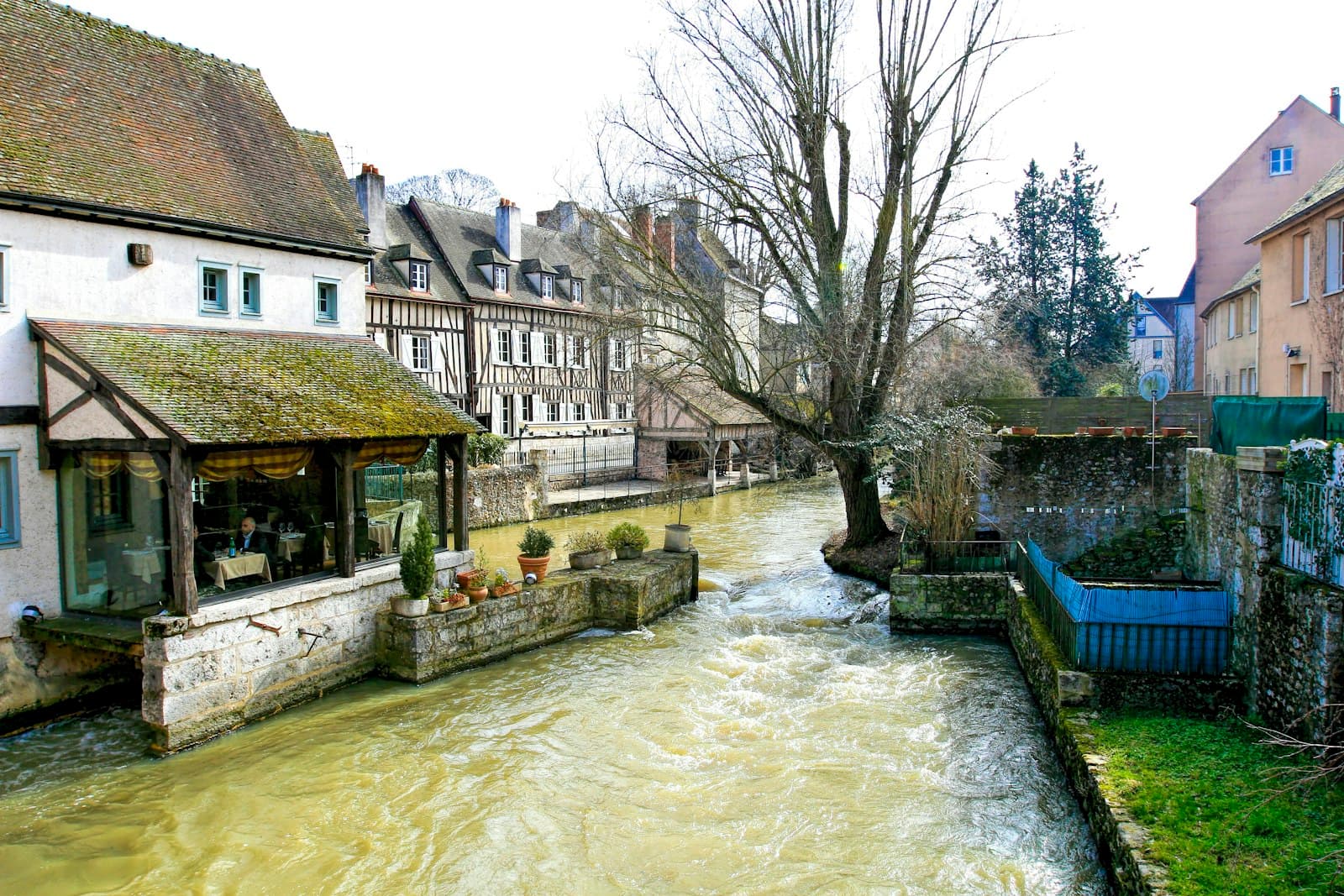
Oft als „Stadt des Lichts und des Parfüms“ bezeichnet, ist Chartres ein bedeutendes administratives und kommerzielles Zentrum für die umliegende Agrarregion, bekannt als die „Kornkammer Frankreichs“. Ihr historisches Zentrum mit engen, gewundenen Gassen, die zu malerischen Fachwerkhäusern am Flussufer führen, lädt zur Erkundung ein. Ob von der spirituellen Erhabenheit der Kathedrale oder der malerischen Atmosphäre der Stadt angezogen, Chartres bietet ein unverwechselbares französisches Erlebnis, das sich leicht für einen Tagesausflug oder einen längeren Aufenthalt eignet.
Chartres blickt auf eine tiefe Geschichte zurück. Ursprünglich war es Autricum, eine Hauptsiedlung des keltischen Stammes der Carnuten in Gallien und ein wichtiges druidisches Zentrum. Der Name der Stadt entwickelte sich aus civitas Carnutum, was „Stadt der Carnuten“ bedeutet. Im 4. Jahrhundert wurde Chartres ein Bischofssitz und begründete seine frühe christliche Bedeutung.
Der Standort der heutigen Kathedrale hat eine lange und oft bewegte Vergangenheit, wobei mindestens fünf frühere Kirchen dem heutigen Bau vorausgingen. Die erste bekannte Kirche aus dem 4. Jahrhundert wurde 743 n. Chr. zerstört. Nachfolgende Kirchen wurden 858 von Normannen und 1020 durch Feuer verwüstet. Im Jahr 876 wurde die religiöse Bedeutung der Stadt weiter gefestigt, als Karl der Kahle die Reliquie des Schleiers der Jungfrau an Chartres vermachte, was die Stadt zu einem wichtigen Pilgerzentrum machte.
Der Bau der heutigen gotischen Kathedrale begann 1194, nachdem ein verheerendes Feuer den Großteil der vorherigen romanischen Kirche zerstört hatte und nur die Krypta und Teile der Westfassade intakt blieben. Bemerkenswerterweise wurde ein Großteil der neuen Kathedrale zwischen 1194 und 1220 erbaut, eine für die damalige Zeit schnelle Leistung, und sie wurde 1260 geweiht. Die architektonische Einheitlichkeit der Kathedrale und ihre außergewöhnliche Erhaltung, einschließlich der meisten originalen Buntglasfenster, zeugen von dieser konzentrierten Wiederaufbaumaßnahme.
Chartres spielte auch eine Rolle in der französischen Königsgeschichte. Hier fand 1594 die Krönung von König Heinrich IV. statt, dem einzigen französischen König, der nicht in Reims gekrönt wurde. Die Stadt erlebte im 16. Jahrhundert Belagerungen während der Religionskriege und war während des Hundertjährigen Krieges 15 Jahre lang von den Engländern besetzt. In jüngerer Zeit erlitt Chartres im Zweiten Weltkrieg Schäden, aber seine ikonische Kathedrale blieb dank des Eingreifens eines amerikanischen Offiziers auf wundersame Weise von der Zerstörung verschont.
Das unbestrittene Herzstück von Chartres ist die Cathédrale Notre-Dame de Chartres, ein UNESCO-Weltkulturerbe. Treten Sie ein, um die weitläufige gotische Architektur zu bestaunen, insbesondere die fast vollständig erhaltene Sammlung von 176 mittelalterlichen Buntglasfenstern, von denen viele aus den Jahren 1200-1240 stammen. Das berühmte „Chartres-Blau“ erzeugt an sonnigen Tagen einen unwirklichen Glanz. Verpassen Sie nicht die kunstvollen Skulpturen des Königlichen Portals an der Westfassade.
Steigen Sie hinab in die riesige Krypta, eine der größten Frankreichs, die Elemente früherer Kathedralen enthält, darunter die Krypta Saint Lubin aus dem 9. Jahrhundert und die Krypta Saint Fulbert aus dem 11. Jahrhundert. Sie können auch den Brunnen der Heiligen-Festen (Well of the Saints-Forts) sehen, der möglicherweise keltischen Ursprungs ist. Auf dem Boden des Kirchenschiffs finden Sie das Labyrinth, einen einzigen, ununterbrochenen Pfad, der zur spirituellen Kontemplation dient. Für einen tieferen Einblick in die Kunst des Buntglasfensters besuchen Sie das Centre International du Vitrail (Internationales Zentrum für Buntglas).
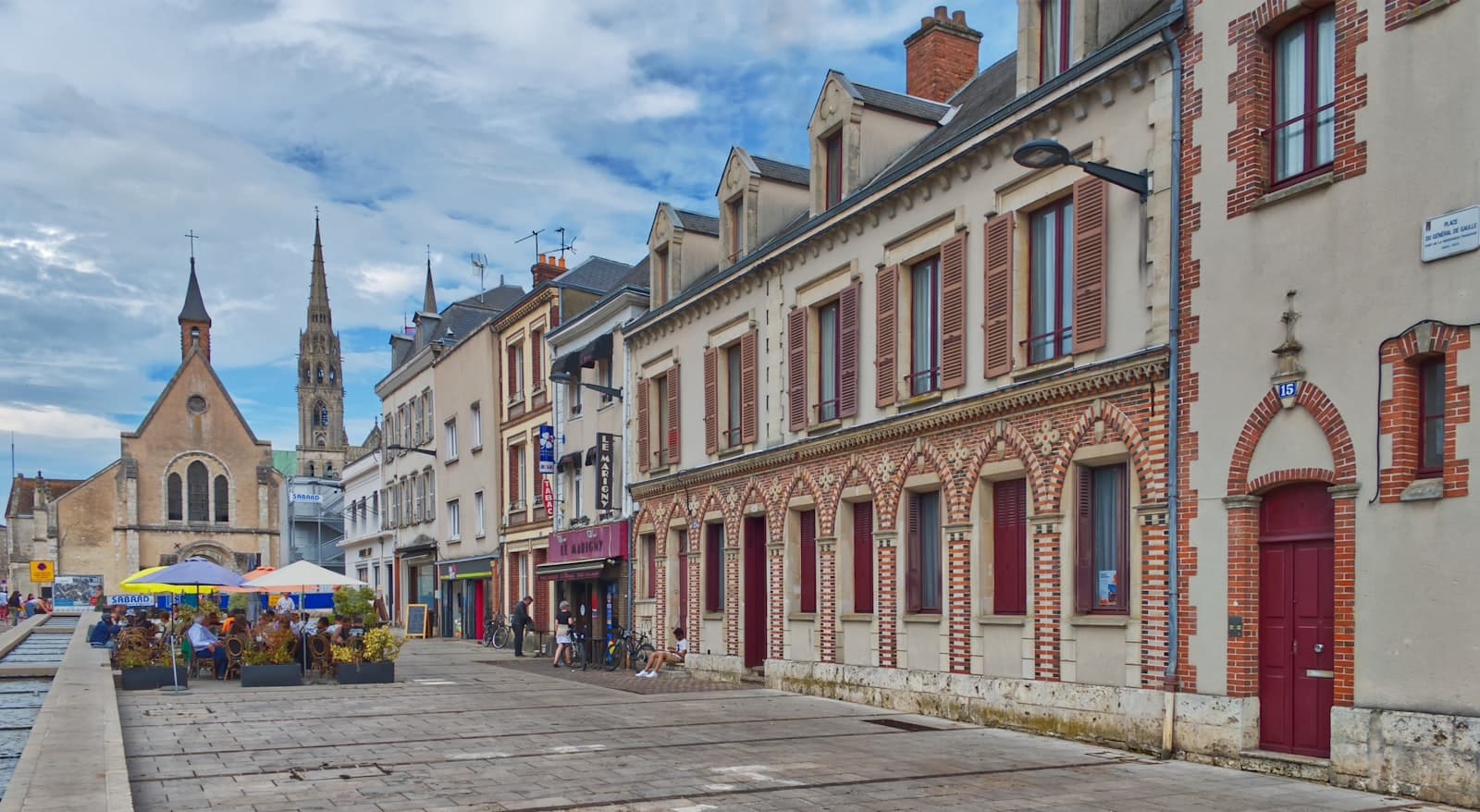
Erkunden Sie jenseits der Kathedrale die charmante mittelalterliche Altstadt mit ihren Fachwerkhäusern und engen Gassen. Spazieren Sie entlang des Flusses Eure im Unterdorf oder besuchen Sie den Marché aux Légumes, einen historischen Platz, auf dem an bestimmten Tagen ein Markt stattfindet.
Die ideale Zeit für einen Besuch in Chartres ist von April bis Oktober. In diesen Monaten ist das Wetter im Allgemeinen mild, mit Temperaturen zwischen 10°C und 30°C, und die Buntglasfenster der Kathedrale werden am besten durch natürliches Licht beleuchtet. Juni bis Anfang September bietet das wärmste Wetter und eignet sich hervorragend für Outdoor-Aktivitäten, obwohl es die Hauptsaison für Touristen ist. Von Mitte April bis Anfang Januar findet in der Stadt „Chartres en Lumières“ statt, eine nächtliche Lichtshow, die historische Gebäude in Szene setzt und ein einzigartiges abendliches Erlebnis bietet. Frühling und Frühherbst bieten eine gute Balance zwischen angenehmem Wetter und weniger Menschenmassen.
Chartres ist von Paris aus leicht zu erreichen und daher ein beliebtes Ziel für Tagesausflüge. Direkte Züge von Paris Montparnasse nach Chartres dauern etwa eine Stunde, mit häufigen täglichen Abfahrten. Der Bahnhof in Chartres ist nur einen kurzen Spaziergang von der Kathedrale entfernt. Wenn Sie mit dem Auto anreisen, liegt Chartres etwa 88 km südwestlich von Paris und ist über die Autobahnen A10 und A11 in etwa einer Stunde zu erreichen.
In Chartres sind das Stadtzentrum und die Hauptattraktionen zu Fuß erreichbar. Tragen Sie bequeme Schuhe, da Sie auf unebenen Straßen und einigen Hügeln unterwegs sein werden. Der Eintritt zur Kathedrale ist frei, da es sich um eine aktive Kirche handelt. Für diejenigen, die an der Krypta interessiert sind oder den Turm besteigen möchten, prüfen Sie die spezifischen Öffnungszeiten, da diese Bereiche möglicherweise unterschiedliche Zugangszeiten haben.
Chartres — Koreanisch, Chinesisch, Hebräisch und 29 weitere Sprachen, jede Station von einer muttersprachlichen Stimme erzählt. Die größte Sprachauswahl aller selbstgeführten Audiotouren.
Verfügbar auf: