Gallerie di Gesso di Chełm
L'estesa rete di gallerie di gesso sotto Chełm è rinomata in tutta Europa, ma custodisce un segreto che si dice protegga la città.
La storia completa si sblocca nel tour
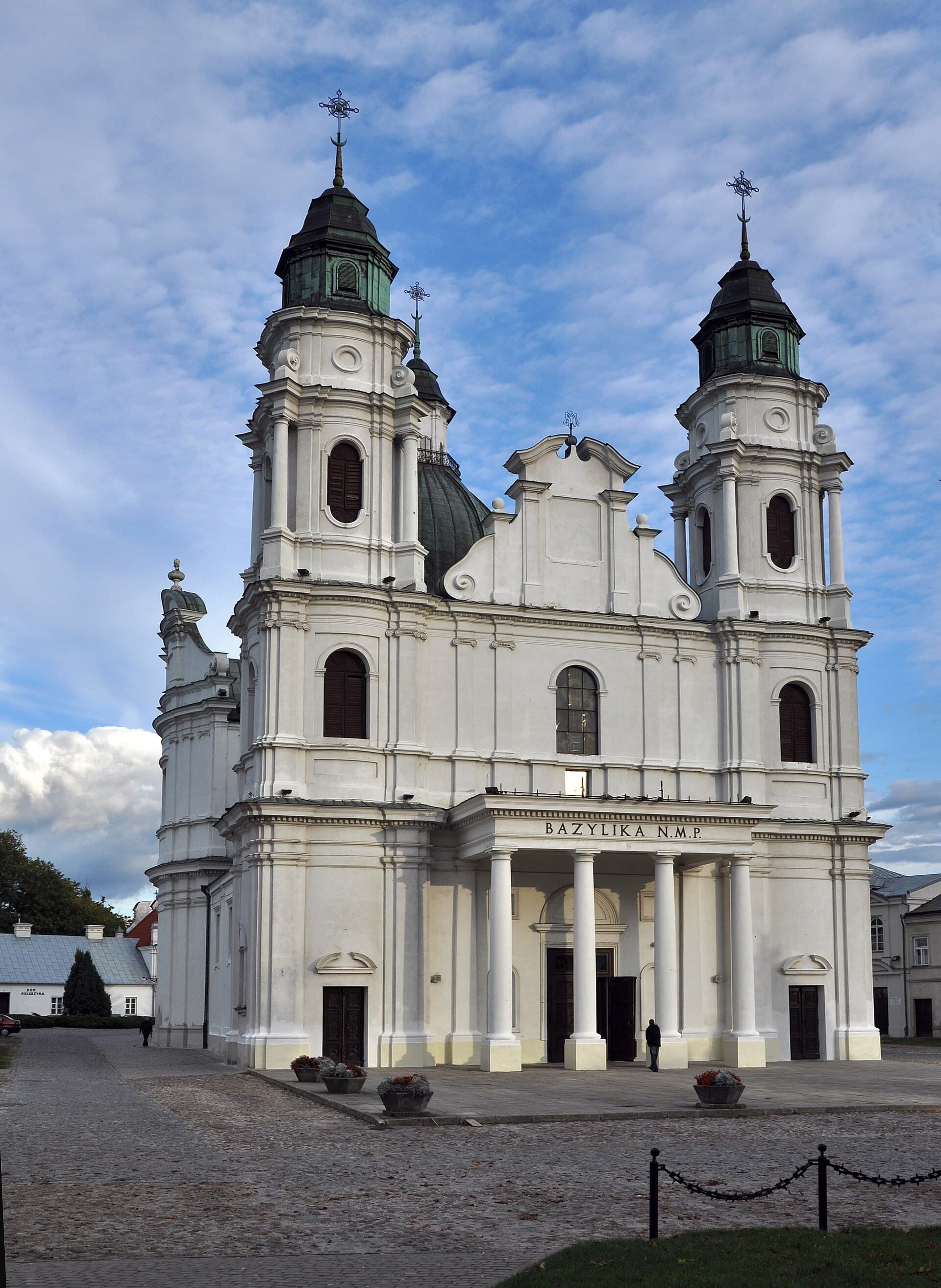 Akna / CC BY-SA 3.0 pl, via Wikimedia Commons
Tour audio autoguidato di Chełm — percorso GPS a piedi, riproduzione offline, narrazione coinvolgente in 32 lingue.
“Sotto la superficie, una città di gesso e storie.”
Non le cartoline. Le storie che nemmeno i locali conoscono — sussurrate nel tuo orecchio, proprio dove sono accadute.
L'estesa rete di gallerie di gesso sotto Chełm è rinomata in tutta Europa, ma custodisce un segreto che si dice protegga la città.
Chełm è notoriamente conosciuta nel folklore ebraico come la "Città degli Sciocchi", ma l'origine di queste storie non è esattamente quella che ci si potrebbe aspettare.
Durante la Seconda Guerra Mondiale, il cimitero ebraico di Chełm subì un destino devastante, ma una recente scoperta ha fatto nuova luce sul suo antico passato.
Scopri ogni segreto di Chełm
Ogni indirizzo, ogni rivelazione completa — nel tuo orecchio, proprio dove è accaduta.
Scegli le tue tappe. Cammini. La voce rivela ciò che gli altri perdono.
Il tuo tour audio autoguidato di Chełm è pronto — scegli i tuoi punti di interesse, seleziona la tua lingua e inizia nel momento in cui arrivi.
AcquistaLume include una guida in realtà aumentata. Alza il telefono: la fotocamera mostra la strada davanti a te, con una freccia luminosa sovrapposta all'immagine reale che punta sempre verso la tua prossima tappa — nessuna mappa da decifrare, nessuna svolta sbagliata. Come tutto in Lume, funziona completamente offline.
Chełm, una città nella regione della Lublino orientale in Polonia, è un luogo dove gli strati della storia sono letteralmente scolpiti nel paesaggio. Situata sull'altopiano di Chełm, a circa 25 chilometri dal confine ucraino, la città è costruita su depositi di gesso che hanno plasmato la sua identità per secoli. Con una popolazione di oltre 60.000 abitanti, Chełm funge da centro regionale, unendo un carattere industriale a notevoli monumenti storici nel suo centro storico.
Oltre ai suoi monumenti visibili, Chełm custodisce un mondo sotterraneo unico: un'estesa rete di gallerie di gesso. Questi passaggi sotterranei, risultato di secoli di estrazione di gesso, testimoniano l'ingegnosità dei suoi antichi abitanti e ora servono come un'attrazione turistica affascinante. Il passato multiculturale della città, che un tempo ospitava cattolici, cristiani ortodossi, protestanti ed ebrei, si riflette nel suo diversificato patrimonio architettonico, sebbene la popolazione ebraica sia stata tragicamente decimata durante la Seconda Guerra Mondiale.
La posizione strategica di Chełm vicino al fiume Uherka, un affluente del Bug, l'ha resa un crocevia di culture e conflitti nel corso della sua lunga storia. Dalle sue origini medievali come capitale del Regno di Galizia-Volinia ai suoi periodi sotto il dominio polacco, austriaco e russo, Chełm ha assistito a significativi eventi storici, lasciando una narrazione avvincente da scoprire per i visitatori.
## Primi insediamenti e origini medievali La ricerca archeologica suggerisce che l'insediamento nell'area di Chełm risale all'inizio dell'era comune, con prove di persone della cultura di Przeworsk che abitavano la regione. Entro il X secolo, esisteva un insediamento di legno e pietra su Wysoka Górka. Chełm fu fondata intorno al 1237 o 1240, inizialmente come parte della Rus', e salì rapidamente alla ribalta, diventando la capitale del Regno di Galizia-Volinia nel terzo trimestre del XIII secolo sotto Re Danylo Halytskyi. La città ricevette i diritti di città nel 1235.
## Poteri mutevoli e crescita multiculturale Dopo le guerre di successione di Galizia-Volinia, Chełm entrò a far parte del Regno di Polonia a metà del XIV secolo. Fu ufficialmente istituita come città dal re Władysław Jagiełło nel 1392 e servì come capitale della Terra di Chełm all'interno del Voivodato Ruthno della Confederazione polacco-lituana fino agli anni '70 del Settecento. Durante questo periodo, Chełm si sviluppò in un centro multiculturale e religioso, attirando coloni di fede cattolica, ortodossa ed ebraica. I primi riferimenti storici agli ebrei a Chełm risalgono all'inizio del XV secolo, con una comunità ebraica indipendente stabilita poco dopo. A metà del XVI secolo, nella città operava una yeshiva e i mercanti ebrei svolgevano un ruolo significativo nel commercio internazionale.
## Conflitti, spartizioni e sviluppo moderno La città visse periodi di turbolenza, tra cui l'incendio da parte dei cosacchi di Bogdan Khmelnitsky nel 1648. Alla fine del XVIII secolo, Chełm divenne una delle prime città ad aderire alla Rivolta di Kościuszko nel 1794, ma le sue forze furono sconfitte dai russi nella battaglia di Chełm. A seguito della Terza Spartizione della Polonia nel 1795, Chełm fu annessa dall'Austria, poi entrò a far parte del Ducato di Varsavia nel 1809 e successivamente della Russia nel 1815. Nel 1912, fu creata una gubernia locale sotto il dominio russo. Il 2 novembre 1918, i polacchi locali liberarono la città dal dominio austriaco, nove giorni prima che la Polonia riconquistasse ufficialmente l'indipendenza.
## Seconda Guerra Mondiale e dopoguerra Nel periodo tra le due guerre, Chełm fu sede di contea all'interno del Voivodato di Lublino della Seconda Repubblica Polacca. Tra il 1926 e il 1939 fu istituito un quartiere modernista chiamato Nowe Miasto. Tuttavia, la Seconda Guerra Mondiale portò un'immensa tragedia. Chełm fu occupata dalla Germania nazista nel settembre 1939 e la sua popolazione ebraica, che contava circa 15.000 persone, fu quasi interamente sterminata durante l'Olocausto, con molti deportati nel campo di sterminio di Sobibór. La città fu liberata dall'Armata Rossa nel luglio 1944 e la repubblica polacca vi fu proclamata il 22 luglio 1944. Dal 1975 al 1998, Chełm fu capitale del Voivodato di Chełm.
I principali monumenti e attrazioni turistiche di Chełm offrono uno spaccato della sua lunga e variegata storia. Il più importante è Góra Chełmska (Collina di Chełm), sede della Basilica Barocca della Natività della Vergine Maria, un complesso che nel corso della sua storia è stato ortodosso ucraino, cattolico ucraino e romano cattolico. Attorno alla basilica si trovano un parco cittadino e un cimitero. Il campanile della Basilica offre ampie vedute dell'area circostante.
Sotto la città si trovano le Gallerie di Gesso di Chełm (Chełmskie podziemia kredowe), un labirinto di corridoi sotterranei scavati per l'estrazione del gesso dal Medioevo fino al XIX secolo. Circa 2 chilometri di queste gallerie sono aperte ai turisti, offrendo un viaggio attraverso mostre geologiche, archeologiche e storiche. La principale piazza storica è Plac Łuczkowskiego, adornata da colorate case storiche e un antico pozzo conservato.
Altri siti degni di nota includono la Porta Uściłuska Barocca del 1616, il palazzo degli Uniati della prima metà del XVIII secolo e la Chiesa tardo-barocca dell'invio degli Apostoli. I visitatori possono anche esplorare le chiese ortodosse di San Nicola (XV secolo) e San Giovanni Evangelista (anni '40 dell'Ottocento), nonché le ex Sinagoghe Piccola e Vecchia. Il Museo di Chełm di Wiktor Ambroziewicz ospita collezioni archeologiche e militari, insieme a mostre storiche, naturali e artistiche.
Per gli amanti della natura, il bacino idrico di Żółtańce, una popolare area ricreativa nella valle del fiume Uherka, offre un'area designata per nuotare, un molo e il noleggio di attrezzature acquatiche.
Il tempo più favorevole a Chełm si verifica da maggio a settembre, con temperature comprese tra 20°C e 26°C. Questo periodo è ideale per esplorare le attrazioni all'aperto e godersi l'atmosfera della città. Giugno e luglio sono particolarmente piacevoli, con luglio che è il mese più caldo. Sebbene ci siano alcune piogge durante questi mesi, le condizioni miti sono eccellenti per le visite turistiche. L'autunno, da settembre a novembre, offre temperature più fresche e splendidi fogliami, creando uno scenario pittoresco per i visitatori. L'inverno, da dicembre a febbraio, porta temperature fredde e nevicate, trasformando Chełm in un paese delle meraviglie invernale, adatto per attività al chiuso e festività.
Chełm è una città relativamente piccola con un centro storico compatto, che la rende facilmente percorribile a piedi. L'ingresso alle Gallerie di Gesso di Chełm e l'ufficio informazioni turistiche (Lubelska 63) si trovano comodamente a breve distanza l'uno dall'altro sul viale principale, Lubelska. L'ufficio turistico fornisce mappe gratuite per passeggiate e brochure sulla storia e le attrazioni della città.
Per spostarsi, sono disponibili autobus locali e taxi. Se si viaggia in auto, Chełm è raggiungibile tramite la E372 a sud da Lublino, poi a est sulla strada polacca 12. Gli autobus collegano Chełm a Lublino e Zamość, con un tempo di percorrenza di circa un'ora per ciascuna. Frequenti treni giornalieri vanno e vengono da Lublino, impiegando poco più di un'ora. La stazione degli autobus (Chełm PKS) si trova in Lwowska 20 e la stazione ferroviaria (Chełm PKP) in Kolejowa 89.
Quando si visitano le Gallerie di Gesso, i viaggiatori individuali possono esplorare negli orari programmati (11:00, 13:00 e 16:00, con orari aggiuntivi a luglio e agosto), mentre i gruppi richiedono prenotazioni. La temperatura sotterranea rimane costante a 9°C con circa l'80% di umidità, quindi è consigliabile una giacca leggera.
Chełm — coreano, cinese, ebraico e altre 29 lingue, ogni tappa narrata da una voce madrelingua. La più ampia scelta di lingue tra i tour audio autoguidati.
Disponibile in: