El Faro Chetumal (Leuchtturmmuseum)
Der Leuchtturm von Chetumal wies einst Schiffen den Weg, birgt aber ein jüngeres Geheimnis über seinen Zweck.
Die ganze Geschichte wird in der Tour freigeschaltet
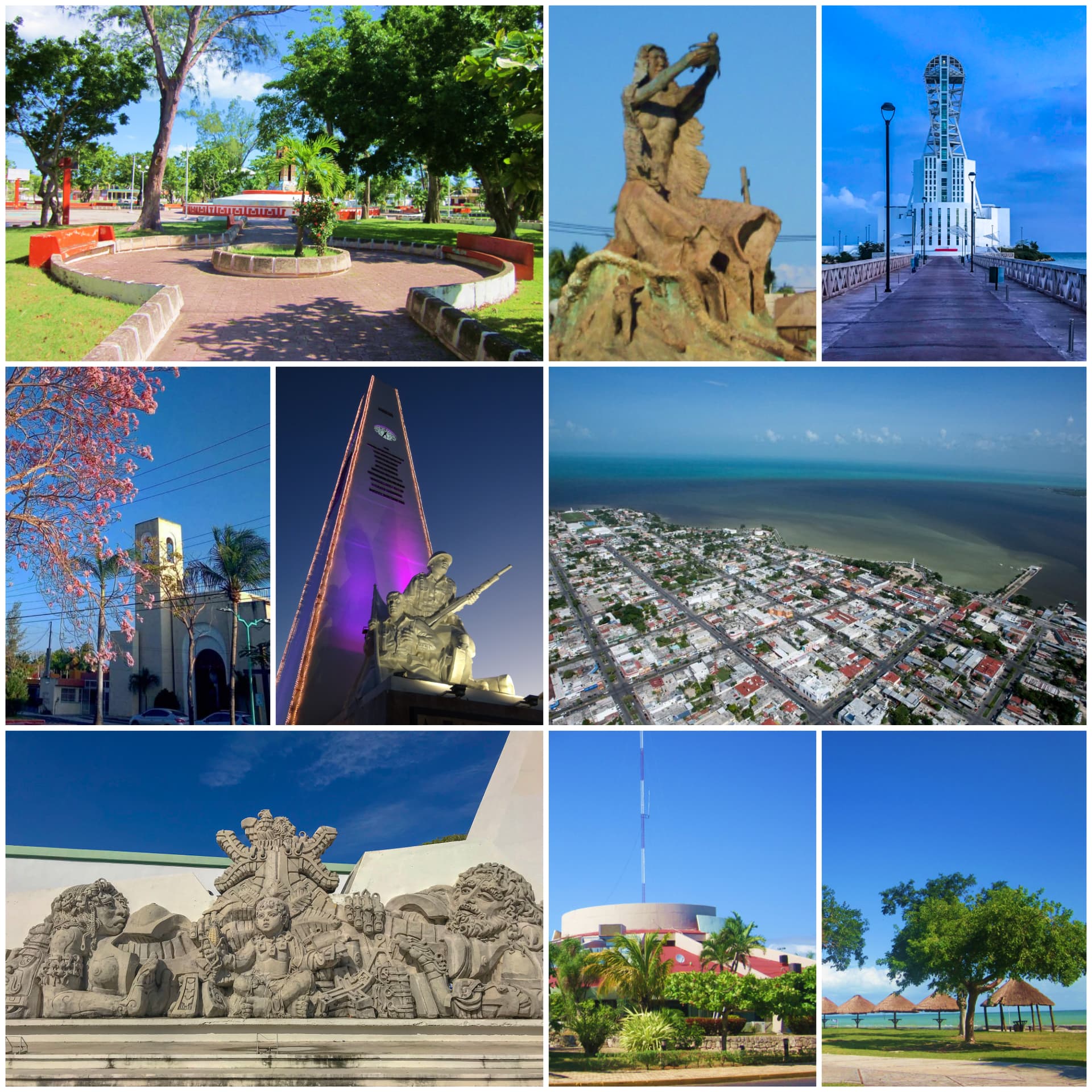 AdriLov / CC BY-SA 4.0, via Wikimedia Commons
Selbstgeführte Audio-Walking-Tour durch Chetumal — GPS-Route, Offline-Wiedergabe, erzählerische Narration in 32 Sprachen.
“Wo die rote Erde auf die karibische Ruhe trifft.”
Nicht die Postkarten. Die Geschichten, die selbst Einheimische nicht kennen – dir ins Ohr geflüstert, genau dort, wo sie geschahen.
Der Leuchtturm von Chetumal wies einst Schiffen den Weg, birgt aber ein jüngeres Geheimnis über seinen Zweck.
Die ruhigen Gewässer der Bucht von Chetumal mögen heute friedlich erscheinen, aber einst verbargen sie eine listige Strategie, die von Piraten angewendet wurde.
Eine neugeborene Seekuh, die in der Laguna Guerrero gefunden wurde, wurde sofort zu einer lokalen Berühmtheit, aber ihre Geschichte nahm nach Jahren menschlicher Pflege eine unerwartete Wendung.
Entdecke jedes Geheimnis von Chetumal
Jede Adresse, jede Enthüllung vollständig – in deinem Ohr, genau dort, wo es geschah.
Du wählst deine Stationen. Du gehst. Die Stimme enthüllt, was andere übersehen.


Deine selbstgeführte Audio-Tour durch Chetumal ist bereit – wähle deine Sehenswürdigkeiten, deine Sprache und starte, sobald du ankommst.
KaufenLume enthält einen integrierten Augmented-Reality-Guide. Halten Sie Ihr Handy hoch: Die Kamera zeigt die Straße vor Ihnen, mit einem leuchtenden Pfeil über dem echten Bild, der immer auf Ihren nächsten Stopp zeigt — keine Karte zum Rätseln, keine falschen Abzweigungen. Wie alles bei Lume funktioniert es komplett offline.
Chetumal, die Hauptstadt von Quintana Roo, bietet ein anderes Erlebnis als die geschäftigen Resorts weiter nördlich auf der Halbinsel Yucatán. An der Westseite der Bucht von Chetumal gelegen, nahe der Mündung des Hondo-Flusses, dient sie als wichtiges Handelszentrum zwischen Mexiko und Belize. Der Name der Stadt leitet sich von den Maya-Wörtern "Chactemàal" ab, was "Ort des roten Holzes" oder "roter Erde" bedeutet, wahrscheinlich in Bezug auf den eisenoxidreichen Boden.
Mit einer Bevölkerung von rund 169.028 Einwohnern im Jahr 2020 behält Chetumal eine entspannte, authentische Atmosphäre, die weniger vom Massentourismus beeinflusst ist. Seine einzigartige Mischung aus karibischer und mexikanischer Kultur zeigt sich in seiner Musik, seinen Traditionen und seiner Küche. Die Stadt ist ein idealer Ausgangspunkt für die Erkundung des südlichen Teils von Quintana Roo, einschließlich nahegelegener archäologischer Stätten und der schönen Bacalar-Lagune.
Die Geschichte von Chetumal reicht bis zu einem alten Maya-Häuptlingstum namens Chactemal zurück, das als wichtiges Handelszentrum florierte. Dieser Maya-Staat leistete während der Eroberung Yucatáns erbitterten Widerstand gegen spanische Expeditionen und wurde schließlich im späten 16. Jahrhundert unterworfen. Die ursprüngliche Maya-Stadt Chactemal befand sich vermutlich auf der anderen Seite des Hondo-Flusses im heutigen Belize, nicht am Standort des heutigen Chetumal.
Das 19. Jahrhundert brachte den Kastekrieg von Yucatán, einen Aufstand der indigenen Maya gegen die mexikanische Herrschaft, der dazu führte, dass viele hispanische Einwohner die Region in Richtung Britisch-Honduras (heute Belize) verließen. Die moderne Stadt Chetumal wurde offiziell am 5. Mai 1898 vom mexikanischen Marineoffizier Othón P. Blanco gegründet. Ursprünglich Payo Obispo genannt, wurde sie als mexikanischer Hafen gegründet, um Schmuggel einzudämmen und die Souveränität zu wahren. Blanco lud Siedler, darunter auch diejenigen, die nach Belize gegangen waren, zur Rückkehr ein.
Payo Obispo wurde 1902 zur territorialen Hauptstadt, als Quintana Roo vom Bundesstaat Yucatán abgetrennt wurde. Die frühe Architektur der Stadt bestand aus traditionellen Holzgebäuden, oft auf Stelzen und in leuchtenden Farben gestrichen, die an karibische Häuser in Belize oder Jamaika erinnerten. Dieser Architekturstil ging jedoch durch verheerende Hurrikane weitgehend verloren. Zwei Hurrikane in den 1940er Jahren zerstörten die Stadt, und Hurrikan Janet, ein Sturm der Kategorie 5, zerstörte sie 1955 fast vollständig. Nach diesen Katastrophen wurde Chetumal mit solideren Betonbauten wieder aufgebaut, was sein Erscheinungsbild veränderte.
Der Name der Stadt wurde 1936 offiziell in Chetumal geändert, eine Hommage an sein altes Maya-Erbe. Die wirtschaftliche Expansion begann wirklich in den 1960er und 1970er Jahren mit dem Bau von Autobahnen, die Chetumal mit dem Rest Mexikos verbanden, was zu einem Bevölkerungswachstum führte. Chetumal ist seit der Erlangung des Bundesstaates durch Quintana Roo im Jahr 1974 die Landeshauptstadt.
Beginnen Sie Ihre Erkundung am Malecón de la Bahía (Chetumals Promenade), einer lebhaften Promenade entlang der Küste mit Skulpturen internationaler Künstler und Blick auf die Bucht. Achten Sie auf Krokodile im Mangroven-Ökosystem, das die Promenade säumt. Das Museum der Maya-Kultur (Museo de la Cultura Maya) ist ein faszinierendes Ziel, das eine immersive Reise durch die Maya-Weltanschauung auf drei Ebenen bietet, die die Unterwelt, das irdische Leben und den Himmel darstellen. Es enthält detailgetreue Modelle antiker Bauwerke und Exponate zur Maya-Mathematik und -Bräuchen.
Für einen Einblick in die Vergangenheit der Stadt besuchen Sie das Stadtmuseum (Museo de la Ciudad), das in einem historischen Gebäude untergebracht ist. Es erzählt die Geschichte der Pioniere von Chetumal, seiner Kämpfe gegen Hurrikane und seiner Wiedergeburt, mit Originalartefakten und Fotos. Die Mega Escultura (Museum der Bucht) ist ein modernes Wahrzeichen mit Panoramablick auf die Karibikküste und interaktiven Exponaten zur Geschichte und Ökologie der Bucht. Das kürzlich wiedereröffnete El Faro Chetumal (Leuchtturmmuseum) bietet historische Daten zur Stadt und zur regionalen Navigation, einschließlich eines interaktiven Bootsimulators.
Außerhalb der Stadt sollten Sie einen Ausflug nach Las Calderitas in Betracht ziehen, einem ehemaligen Fischerdorf 8 Kilometer entfernt, das für Bootsfahrten, regionale Gerichte und Sonnenaufgangs-/Sonnenuntergangsblicke bekannt ist. Die Oxtankah-Ruinen, etwa 15 Minuten von Chetumal entfernt, bieten ein weniger überfülltes archäologisches Erlebnis mit Tempeln, Pyramiden und einer spanischen Mission, die auf 300 v. Chr. zurückgehen. Etwa 65 Kilometer westlich liegen die Kohunlich-Ruinen, berühmt für ihre großen Steinskulpturen mit Masken.
Chetumal genießt ein tropisches Klima mit ganzjährig warmen Temperaturen. Die beste Zeit für einen Besuch mit warmem und sonnigem Wetter und relativ trockenen Bedingungen ist von Mitte März bis Ende Mai. Die Wintermonate von Dezember bis Mitte März sind ebenfalls angenehm, mit kühleren Temperaturen und häufiger Sonneneinstrahlung, obwohl gelegentlich kühle, windige und regnerische Tage auftreten können. Die Durchschnittstemperatur im Januar, dem kühlsten Monat, liegt bei etwa 23,4 °C, während im Mai, dem wärmsten Monat, durchschnittlich 28,6 °C erreicht werden. Die schwüle Regenzeit dauert normalerweise von Mai bis Oktober, wobei der September der feuchteste Monat ist.
Die offizielle Währung ist der Mexikanische Peso (MXN). Kreditkarten werden in den meisten Einrichtungen akzeptiert, es ist jedoch ratsam, Bargeld mitzuführen. Spanisch ist die Amtssprache, aber Englisch wird auch gesprochen, besonders in Touristengebieten. Chetumal verfügt über einen internationalen Flughafen mit Flügen hauptsächlich nach Mexiko-Stadt und Cancún. Alternativ können Sie nach Cancún oder Mérida fliegen und einen erstklassigen Bus nehmen. Die Fortbewegung in der Stadt und zu nahegelegenen Sehenswürdigkeiten ist mit dem Taxi, Mietwagen oder organisierten Touren möglich. Öffentliche Verkehrsmittel umfassen Busse und Colectivos (Sammel-Taxis). Chetumal gilt im Allgemeinen als sicher für Touristen, mit einer geringeren Rate an Gewaltverbrechen im Vergleich zum Korridor Cancún-Tulum. Eigentumsdelikte und grenzbezogene Betrügereien sind jedoch Risiken, daher werden Standardvorkehrungen empfohlen. Das Stadtzentrum und die Haupt-Hotelmeile sind nachts sicher, obwohl Chetumal keine Stadt für Nachtschwärmer ist und die meisten Lokale um 22 Uhr schließen. Nutzen Sie registrierte Transportmittel, wenn Sie nach Einbruch der Dunkelheit unterwegs sind.
Chetumal — Koreanisch, Chinesisch, Hebräisch und 29 weitere Sprachen, jede Station von einer muttersprachlichen Stimme erzählt. Die größte Sprachauswahl aller selbstgeführten Audiotouren.
Verfügbar auf: