Mercado de Brujos del Mercado Modelo (Mercato delle Streghe)
Tra le vivaci bancarelle del mercato principale di Chiclayo, c'è una sezione dove l'aria cambia e i rimedi offerti vanno oltre i disturbi tipici.
La storia completa si sblocca nel tour
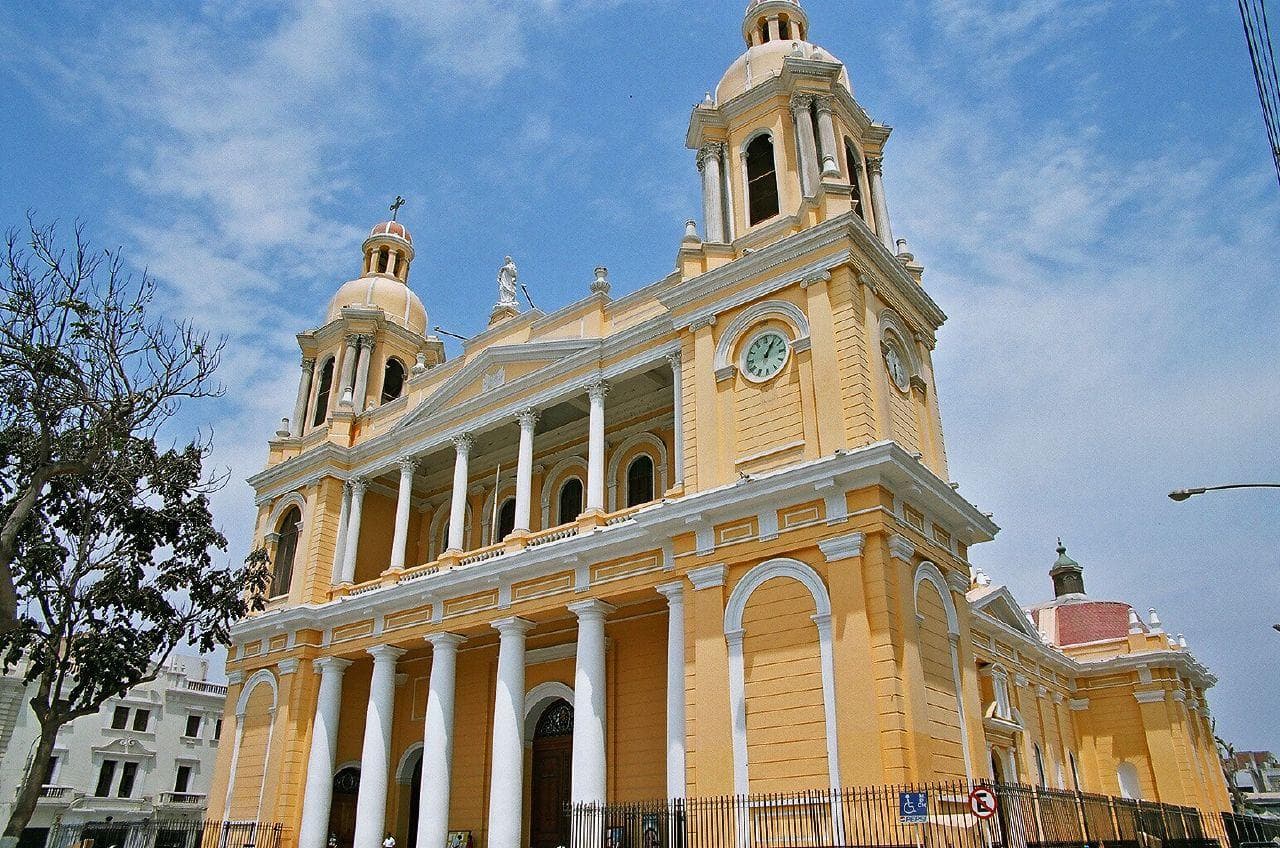 Bruno Girin / CC BY-SA 2.0, via Wikimedia Commons
Tour audio autoguidato di Chiclayo — percorso GPS a piedi, riproduzione offline, narrazione coinvolgente in 32 lingue.
“Dove l'antica regalità dorme e gli sciamani praticano ancora la loro arte.”
Non le cartoline. Le storie che nemmeno i locali conoscono — sussurrate nel tuo orecchio, proprio dove sono accadute.
Tra le vivaci bancarelle del mercato principale di Chiclayo, c'è una sezione dove l'aria cambia e i rimedi offerti vanno oltre i disturbi tipici.
La scoperta della tomba del Signore di Sipán nel 1987 fu così significativa che viene spesso paragonata alla sepoltura di un altro famoso sovrano antico.
Mentre molte città peruviane portano il marchio architettonico del dominio coloniale spagnolo, la cattedrale principale di Chiclayo ha una sorprendente influenza europea distintamente successiva.
Scopri ogni segreto di Chiclayo
Ogni indirizzo, ogni rivelazione completa — nel tuo orecchio, proprio dove è accaduta.
Scegli le tue tappe. Cammini. La voce rivela ciò che gli altri perdono.


Il tuo tour audio autoguidato di Chiclayo è pronto — scegli i tuoi punti di interesse, seleziona la tua lingua e inizia nel momento in cui arrivi.
AcquistaLume include una guida in realtà aumentata. Alza il telefono: la fotocamera mostra la strada davanti a te, con una freccia luminosa sovrapposta all'immagine reale che punta sempre verso la tua prossima tappa — nessuna mappa da decifrare, nessuna svolta sbagliata. Come tutto in Lume, funziona completamente offline.
Chiclayo, la quarta città più grande del Perù, è il cuore commerciale e culturale della Regione di Lambayeque. Situata nella pianura costiera settentrionale del Perù, a circa 770 chilometri a nord di Lima, è una metropoli vivace che funge da porta d'accesso ad alcuni dei siti archeologici più impressionanti del Sud America. Conosciuta come la 'Capitale dell'Amicizia', Chiclayo offre un mix di patrimonio antico e vita contemporanea, con mercati tradizionali, piazze vivaci e festival regionali che offrono uno spaccato delle usanze locali.
A differenza di molte altre grandi città peruviane, Chiclayo non fu fondata dai conquistadores spagnoli secondo un rigido piano coloniale. Invece, crebbe organicamente da un piccolo insediamento indigeno e da un convento francescano nel XVI secolo, evolvendosi in un importante centro commerciale e logistico grazie alla sua posizione strategica all'incrocio delle rotte commerciali. Il clima caldo e secco della costa la rende una destinazione attraente tutto l'anno, invitando i visitatori a esplorare la sua profonda storia, la sua cucina distintiva e la calda ospitalità della sua gente.
La storia di Chiclayo è profondamente intrecciata con le antiche civiltà che fiorirono lungo la costa settentrionale del Perù molto prima dell'arrivo degli spagnoli. La regione fu sede di società sofisticate come i Moche (I-VII secolo d.C.) e i Lambayeque, noti anche come cultura Sicán, che dominarono per gran parte dei successivi 700 anni fino al XVI secolo. Queste culture erano rinomate per i loro avanzati sistemi di irrigazione, le piramidi monumentali e le squisite lavorazioni dei metalli, ponendo le basi per lo sviluppo economico dell'area.
Durante il periodo coloniale, Chiclayo iniziò come una piccola comunità di abitanti indigeni nota come Santa María de los Valles de Chiclayo. I missionari francescani stabilirono un convento alla fine del XVI secolo, che divenne un centro per il villaggio emergente. Tuttavia, Chiclayo rimase un insediamento relativamente piccolo, messo in ombra da città coloniali più grandi come Zaña e Lambayeque, poiché i conquistadores spagnoli la utilizzavano principalmente come punto di sosta per i viaggiatori.
La crescita della città accelerò significativamente nel XIX secolo, guidata dal rapido sviluppo dell'agricoltura nella fertile Valle del Lambayeque, in particolare la coltivazione della canna da zucchero e del riso. Chiclayo divenne un centro vitale per il commercio regionale. Il suo patriottismo durante la Guerra d'Indipendenza (1809-1824) le valse il riconoscimento ufficiale. Il 15 aprile 1835, il Presidente Felipe Santiago Salaverry dichiarò Chiclayo città e le conferì il titolo onorifico di 'Città Eroica' per il coraggio dei suoi residenti, un titolo che detiene ancora oggi.
Nell'era moderna, Chiclayo si espanse rapidamente, diventando un importante centro urbano nel nord del Perù. Nonostante la modernizzazione, la città ha mantenuto forti legami con il suo patrimonio culturale, evidente nelle sue tradizioni, nella sua cucina e nell'identità comunitaria. L'aspetto architettonico di Chiclayo è distinto da molte altre città peruviane, essendo fiorita principalmente durante l'era Repubblicana (XIX-XX secolo) piuttosto che essere un retaggio di una rigida pianificazione coloniale spagnola.
Chiclayo offre un mix di siti storici e vivace vita locale. Il Parque Principal, noto anche come Plaza de Armas, è la piazza principale della città, con una cattedrale neoclassica progettata da Gustave Eiffel. A pochi passi dalla piazza centrale si trova il Mercado Modelo, un mercato tentacolare dove si può trovare di tutto, dai prodotti freschi e piatti locali all'intrigante Mercado de Brujos (Mercato delle Streghe), che offre rimedi tradizionali e oggetti mistici.
Per gli appassionati di archeologia, Chiclayo è un'ottima base per esplorare la profonda storia precolombiana della regione. Il Museo delle Tombe Reali di Sipán nella vicina Lambayeque è una visita fondamentale, che ospita i magnifici tesori del sovrano Moche, il Signore di Sipán. Anche il Museo Brüning espone un'ampia collezione di oggetti archeologici ed etnografici del nord del Perù. Più lontano, si possono esplorare il complesso archeologico di Huaca Rajada (Sipán), dove fu scoperta la tomba del Signore di Sipán, e le Piramidi di Túcume, note anche come la 'Valle delle Piramidi', un sito impressionante con oltre 20 strutture in adobe costruite dalla cultura Lambayeque.
Per un cambio di scenario, la Spiaggia di Pimentel, a soli 20 minuti da Chiclayo, offre una lunga passeggiata, tradizionali barche di canna (caballitos de totora) e opportunità per rilassarsi sull'Oceano Pacifico. Il Paseo de las Musas è un viale con statue classiche greche e giardini formali, che offre un luogo piacevole per una passeggiata.
Chiclayo gode di un clima costiero caldo e secco, che la rende una destinazione attraente per gran parte dell'anno. Il periodo migliore per visitarla va generalmente da maggio a novembre, quando le temperature sono leggermente più fresche (variando da 20°C a 28°C) e l'umidità è inferiore. Questo periodo è ideale per visitare siti, musei ed escursioni a siti archeologici, con piogge minime e cieli sereni. Sebbene le temperature aumentino e l'umidità cresca da dicembre ad aprile, Chiclayo rimane accessibile e vivace, con eventi culturali e festival locali che continuano tutto l'anno.
Chiclayo è raggiungibile in aereo, autobus e auto. I voli da Lima durano circa 1,5 ore e gli autobus a lunga percorrenza offrono un'alternativa economica da varie città costiere peruviane e alcune città andine. All'interno di Chiclayo, taxi e servizi di ride-sharing sono ampiamente disponibili ed economici, anche se è consigliabile utilizzare taxi registrati o servizi affidabili, soprattutto di notte. Camminare è comodo nelle aree centrali, ma i trasporti sono spesso utili per raggiungere attrazioni più lontane.
Quando si fa la valigia, si raccomandano abiti leggeri e traspiranti come cotone o lino a causa del clima caldo. La protezione solare, inclusi cappello a tesa larga, occhiali da sole e crema solare ad alto SPF, è essenziale. Scarpe comode da passeggio sono una buona idea per esplorare i siti archeologici. I piccoli furti possono essere un problema, quindi è saggio prestare attenzione ai propri effetti personali ed evitare di mostrare oggetti di valore. Molti bagni, anche a Chiclayo, potrebbero non avere carta igienica, sapone o asciugamani, quindi portare i propri è un consiglio pratico.
Chiclayo — coreano, cinese, ebraico e altre 29 lingue, ogni tappa narrata da una voce madrelingua. La più ampia scelta di lingue tra i tour audio autoguidati.
Disponibile in: