La Popular Dress Shop
In einem Bekleidungsgeschäft im Zentrum von Chihuahua weckt eine Schaufensterpuppe Gerüchte, die mehr als nur Plastik und Draht zu sein scheint.
Die ganze Geschichte wird in der Tour freigeschaltet
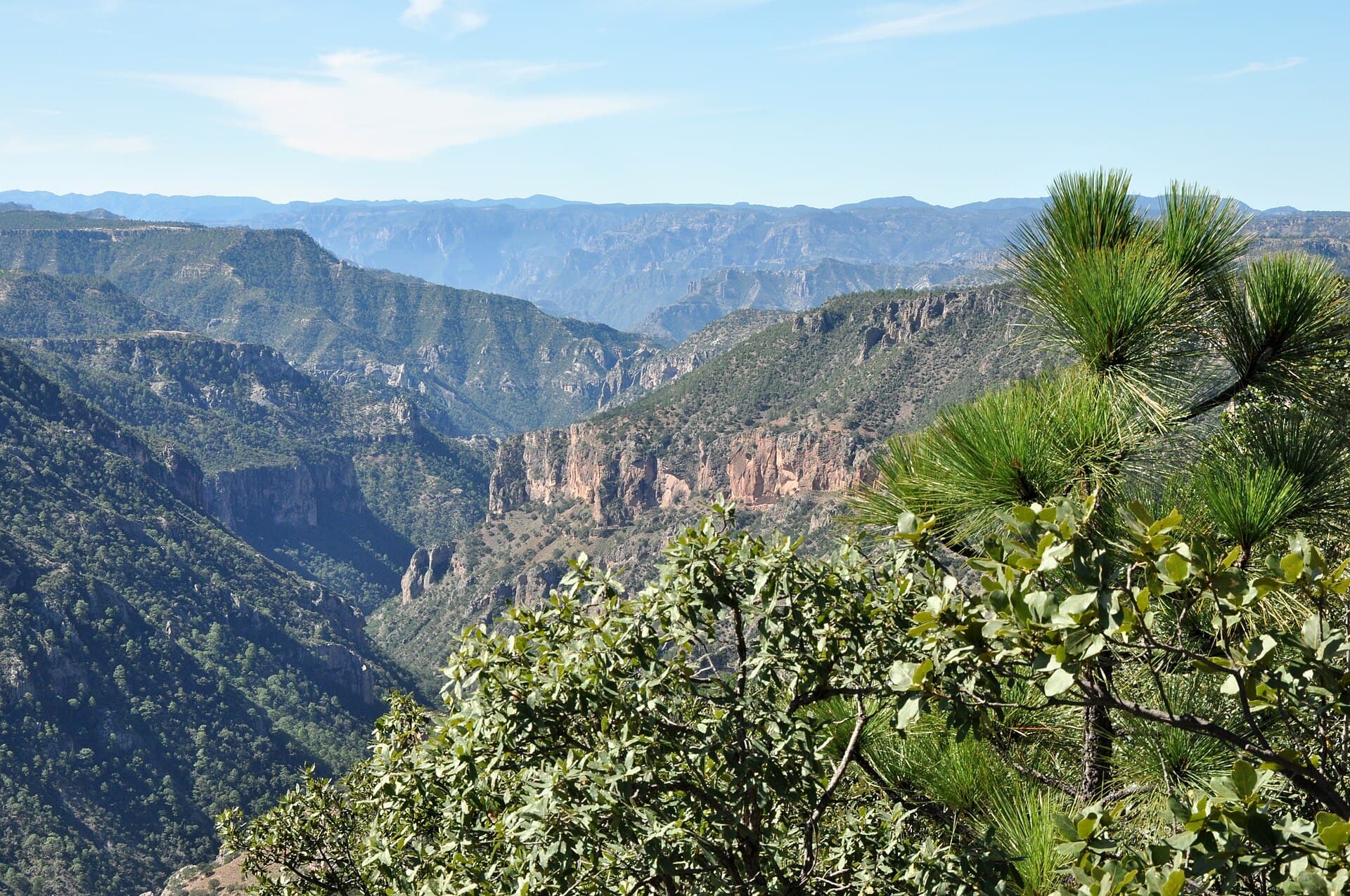 Cataclasite / CC BY-SA 3.0, via Wikimedia Commons
Selbstgeführte Audio-Walking-Tour durch Chihuahua — GPS-Route, Offline-Wiedergabe, erzählerische Narration in 32 Sprachen.
“Wo Wüstenweiten auf dauerhafte Erzählungen treffen und alte Sagen im Wind wehen.”
Nicht die Postkarten. Die Geschichten, die selbst Einheimische nicht kennen – dir ins Ohr geflüstert, genau dort, wo sie geschahen.
In einem Bekleidungsgeschäft im Zentrum von Chihuahua weckt eine Schaufensterpuppe Gerüchte, die mehr als nur Plastik und Draht zu sein scheint.
Inmitten der weiten Wüste Chihuahuas pflegen Gemeinschaften eine eigene Lebensweise mit einzigartigen kulinarischen Traditionen und einem besonderen Modestil.
Die prächtige Kathedrale von Chihuahua, ein Denkmal spanischer Barockkunst, birgt in ihren Mauern ein Detail, das nur wenige Besucher bemerken.
Entdecke jedes Geheimnis von Chihuahua
Jede Adresse, jede Enthüllung vollständig – in deinem Ohr, genau dort, wo es geschah.
Du wählst deine Stationen. Du gehst. Die Stimme enthüllt, was andere übersehen.


Deine selbstgeführte Audio-Tour durch Chihuahua ist bereit – wähle deine Sehenswürdigkeiten, deine Sprache und starte, sobald du ankommst.
KaufenLume enthält einen integrierten Augmented-Reality-Guide. Halten Sie Ihr Handy hoch: Die Kamera zeigt die Straße vor Ihnen, mit einem leuchtenden Pfeil über dem echten Bild, der immer auf Ihren nächsten Stopp zeigt — keine Karte zum Rätseln, keine falschen Abzweigungen. Wie alles bei Lume funktioniert es komplett offline.
Chihuahua, die Hauptstadt des größten Bundesstaates Mexikos, ist eine Stadt, in der sich die Anmut kolonialer Architektur mit dem rauen Geist der Wüste verbindet. Auf einer Höhe von etwa 4.800 Fuß in einem Tal der Sierra Madre Occidental gelegen, dient sie als Tor zu dramatischen Ausblicken, darunter die weite Chihuahua-Wüste und die prächtige Kupfer-Canyon. Die Stadt selbst zeugt von jahrhundertelangen Ereignissen, von ihrer Gründung als blühendes Bergbauzentrum im Jahr 1709 bis zu ihrer entscheidenden Rolle in der Mexikanischen Revolution.
Über ihr historisches Gewicht hinaus bietet Chihuahua ein reiches kulturelles Erlebnis. Schlendern Sie durch das fußgängerfreundliche Stadtzentrum, wo historische Gebäude und Skulpturen die Alleen säumen, und erleben Sie eine lebendige Atmosphäre, die sich in den frühen Abendstunden entfaltet. Von der Erkundung faszinierender Museen bis zum Genuss regionaler Küche lädt Chihuahua Reisende ein, in eine einzigartige Mischung aus Tradition und zeitgenössischem Leben in Nordmexiko einzutauchen.
Chihuahua ist auch als „El Estado Grande“ (Der Große Staat) bekannt, was seine immense Größe widerspiegelt – er übertrifft die Größe des Vereinigten Königreichs. Seine vielfältige Geografie umfasst sowohl weite Wüsten als auch ausgedehnte Wälder und bietet eine vielfältige Auswahl an natürlicher Pracht.
Die Stadt Chihuahua wurde am 12. Oktober 1709 vom spanischen Entdecker Antonio Deza y Ulloa offiziell gegründet und trug zunächst den Namen El Real de Minas de San Francisco de Cuéllar. Die Entdeckung reicher Silbervorkommen in den umliegenden Bergen verwandelte sie schnell in ein wichtiges Bergbau- und Handelszentrum in Nordmexiko. Diese wirtschaftliche Blütezeit schürte jedoch im 17. und 18. Jahrhundert auch Spannungen und indigene Aufstände.
Chihuahua spielte eine bedeutende Rolle im Unabhängigkeitskampf Mexikos. Miguel Hidalgo y Costilla, oft als „Vater Mexikos“ bezeichnet, wurde 1811 in Chihuahua inhaftiert und hingerichtet. Seine Hinrichtung im zentralen Innenhof des heutigen Regierungspalastes war ein düsterer, aber prägender Moment der Befreiungsbewegung. Nach der Unabhängigkeit Mexikos im Jahr 1821 wurde Chihuahua 1824 offiziell ein mexikanischer Bundesstaat.
Die strategische Bedeutung der Stadt blieb auch im 19. Jahrhundert bestehen. Sie fiel 1847 während des Mexikanisch-Amerikanischen Krieges an US-Truppen. Später, von 1864 bis 1867, diente Chihuahua als provisorische Hauptstadt Mexikos und beherbergte die Exilregierung von Benito Juárez während der französischen Intervention. Diese Periode festigte Chihuahuas Platz in der politischen Landschaft der Nation.
Das frühe 20. Jahrhundert sah Chihuahua als zentrales Schlachtfeld während der Mexikanischen Revolution, die 1910 begann. Der Revolutionskommandant Francisco „Pancho“ Villa richtete hier seine Operationsbasis ein, stellte seine berühmte Norddivision zusammen und setzte sich für Landreformen und politische Anerkennung der Bauern ein. Seine ehemalige Residenz, Quinta Luz, beherbergt heute das Revolutionsmuseum und bietet Einblicke in sein Leben und diese turbulente Ära.
Beginnen Sie Ihre Erkundung im historischen Zentrum, insbesondere auf der Plaza de Armas, einem lebhaften Fußgängerbereich, der besonders am frühen Abend pulsiert. Hier finden Sie die Kathedrale von Chihuahua, ein Beispiel mexikanischer Barockarchitektur aus dem 18. Jahrhundert mit ihren kunstvollen Altären, verzierten Säulen und hoch aufragenden Kuppeln.
Nur einen kurzen Spaziergang von der Plaza de Armas entfernt steht der Palacio de Gobierno (Regierungspalast), ein imposantes Gebäude, das mit Wandgemälden geschmückt ist, die bedeutende Momente der mexikanischen Geschichte darstellen. Im Inneren können Sie die erhaltene Kerkerzelle, bekannt als Calabazo de Hidalgo, besuchen, in der Miguel Hidalgo vor seiner Hinrichtung gefangen gehalten wurde. Ein weiterer wichtiger Anlaufpunkt ist das Museo Histórico de la Revolución Mexicana (Museum der Mexikanischen Revolution), das sich in Pancho Villas ehemaliger Residenz, Quinta Luz, befindet. Hier können Sie persönliche Gegenstände, Waffen und sogar das von Kugeln gezeichnete Auto aus seinem Attentat sehen.
Für eine andere Perspektive auf die Vergangenheit der Region besuchen Sie das Casa Chihuahua Museum, das Galerien und ein Museum zur Geschichte des Bundespalastes bietet. Die Stadt bietet auch das Quinta Gameros Cultural Center, eine bemerkenswerte Jugendstilvilla, die allein schon wegen ihrer Architektur sehenswert ist. Wenn Sie sich für Naturwunder interessieren, sollten Sie eine zwanzigminütige Fahrt zu den Höhlen von Nombre de Dios in Betracht ziehen, wo eine 90-minütige Tour beeindruckende Stalaktiten und Stalagmiten enthüllt.
Die angenehmste Zeit für einen Besuch in Chihuahua mit angenehmem Wetter ist im Frühling und Herbst, speziell von Anfang November bis Anfang April. Diese Periode vermeidet die Extreme von Winterkälte und Sommerhitze. Während dieser Monate ist das Wetter im Allgemeinen klar und trocken, mit Temperaturen zwischen 18°C und 27°C, was ideal für Outdoor-Aktivitäten und Besichtigungen ist.
Die Sommer (Juni-September) können warm sein, mit Temperaturen, die oft 32°C übersteigen, und markieren die Regenzeit mit kurzen, aber intensiven täglichen Schauern. Die Winter (Dezember-Februar) sind typischerweise mild, mit durchschnittlichen Tagestemperaturen um 17°C, obwohl die Nächte bis zum Gefrierpunkt reichen können und gelegentlich Schnee fällt.
Der internationale Flughafen Chihuahua (CUU), offiziell General Roberto Fierro Villalobos International Airport, liegt etwa 12-14 Kilometer nordöstlich des Stadtzentrums. Er bedient sowohl nationale als auch internationale Flüge mit Direktverbindungen zu Städten wie Mexiko-Stadt, Guadalajara und einigen US-Städten wie Dallas, Houston und Denver. Taxis sind am Flughafen leicht verfügbar, während Uber dort in der Regel keine Abholungen anbietet.
Im Stadtzentrum ist das Gehen eine einfache Möglichkeit, sich fortzubewegen, da viele Sehenswürdigkeiten in unmittelbarer Nähe liegen. Für längere Distanzen ist Uber verfügbar, aber es ist ratsam, Ride-Sharing-Anwendungen oder vorab gebuchte Taxis zu nutzen, anstatt Straßen-Taxis anzuhalten, besonders nachts. Wenn Sie die Umgebung außerhalb der Stadt erkunden möchten, z. B. den Kupfer-Canyon, bietet der Regionalzug El Chepe eine landschaftlich reizvolle Route, die dienstags und samstags von Chihuahua abfährt. Bei Reisen in Berg- oder ländlichen Gebieten wird empfohlen, in Gruppen zu reisen, einen lokalen Führer in Betracht zu ziehen und es zu vermeiden, nach Einbruch der Dunkelheit allein zu fahren.
Chihuahua — Koreanisch, Chinesisch, Hebräisch und 29 weitere Sprachen, jede Station von einer muttersprachlichen Stimme erzählt. Die größte Sprachauswahl aller selbstgeführten Audiotouren.
Verfügbar auf: