Plaza Mayor
Esta praça de cidade aparentemente tranquila se transforma dramaticamente várias vezes por ano.
História completa desbloqueada no tour
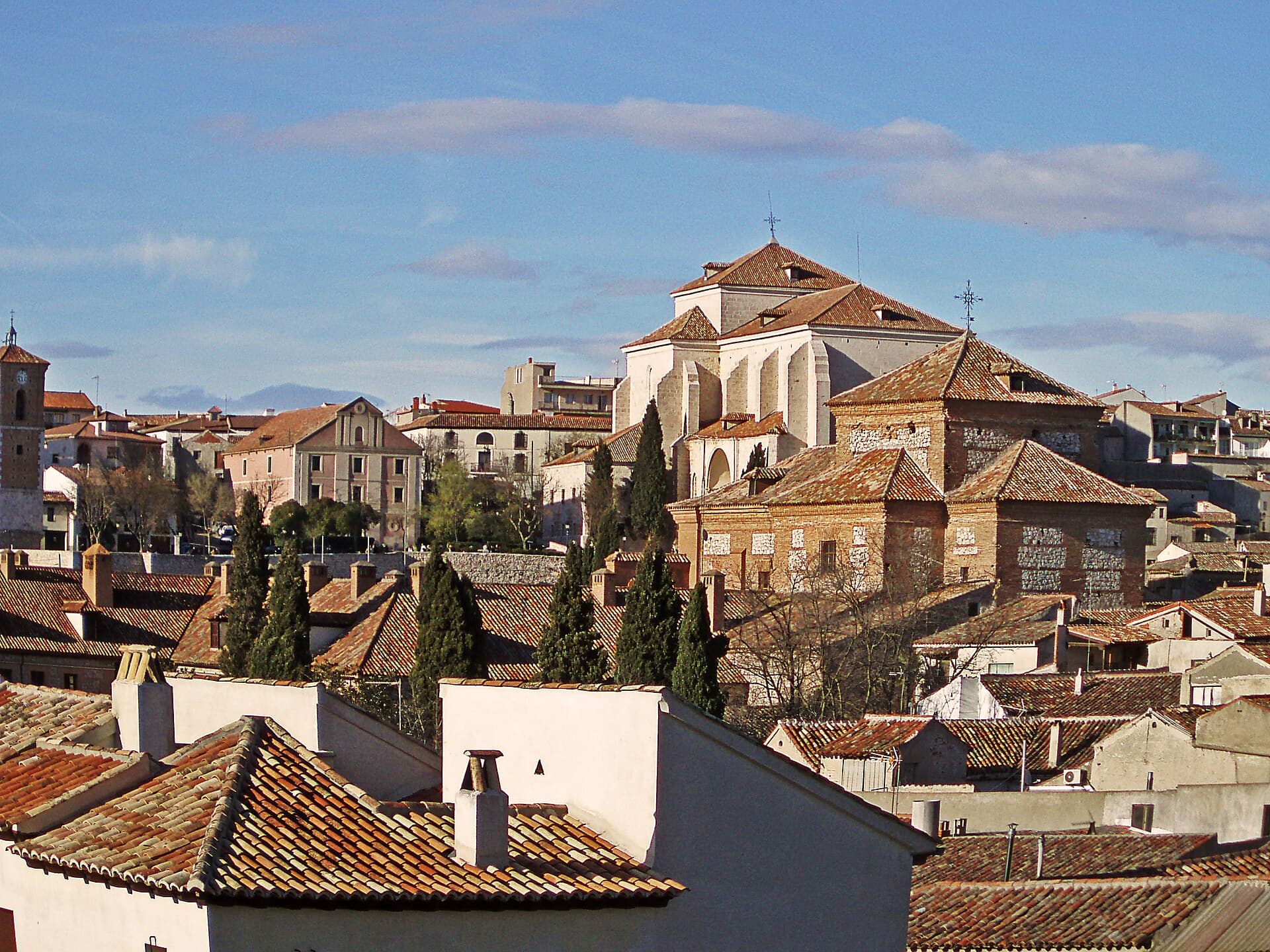 jacinta lluch valero from madrid * barcelona...., (España-Spain) / CC BY-SA 2.0, via Wikimedia Commons
Tour de áudio autoguiado por Chinchón — rota GPS a pé, reprodução offline, narração envolvente em 32 idiomas.
“Onde o tempo desacelera e a história respira em torno de uma praça singular.”
Não os postais. As histórias que nem os locais conhecem — sussurradas ao seu ouvido, exatamente onde aconteceram.
Esta praça de cidade aparentemente tranquila se transforma dramaticamente várias vezes por ano.
A obra de um artista renomado está exposta nesta igreja, mas o próprio edifício conta uma história de peças que faltam.
O famoso licor da cidade tem um selo real de aprovação, mas seu local de produção permanece elusivo aos visitantes.
Descubra cada segredo de Chinchón
Cada endereço, cada revelação na íntegra — no seu ouvido, exatamente onde aconteceu.
Você escolhe as suas paragens. Você caminha. A voz revela o que os outros perdem.


O seu tour áudio autoguiado de Chinchón está pronto — escolha os seus pontos de interesse, selecione o seu idioma e comece no momento em que chegar.
ComprarA Lume inclui um guia de realidade aumentada. Levante o telemóvel: a câmara mostra a rua à sua frente, com uma seta luminosa sobreposta à imagem real que aponta sempre para a sua próxima paragem — sem mapa para decifrar, sem voltas erradas. Como tudo na Lume, funciona totalmente offline.
A apenas 45 quilômetros a sudeste de Madri, Chinchón emerge da paisagem castelhana como uma cidade onde o passado se sente notavelmente presente. Seu caráter distintivo é imediatamente evidente na irregular e quase teatral Plaza Mayor, uma praça medieval como nenhuma outra. Rodeada por edifícios de três andares adornados com varandas de madeira pintadas de verde, a praça serve como o coração de Chinchón, um palco para a vida diária e séculos de eventos.
Designada Complexo Histórico desde 1974, o apelo de Chinchón vai além de sua praça central, tecendo-se por ruas antigas que revelam arquitetura antiga, restaurantes tradicionais e conexões artísticas inesperadas. A cidade, com seus oliveirais e vinhedos, oferece um vislumbre de um 'Madri rural' que parece um mundo distante da capital agitada, convidando os visitantes a desacelerar e absorver sua atmosfera única.
## De Assentamentos Antigos a uma Cidade Nobre A história de Chinchón remonta ao período Neolítico, com evidências de assentamentos humanos primitivos na bacia dos rios Tajo e Jarama. Os Celtiberos e Romanos estabeleceram-se mais tarde, com os Romanos desenvolvendo um sistema de comunicação. No início do século XI, a área esteve sob domínio árabe por três séculos e meio, durante os quais um sistema de irrigação foi introduzido. A própria cidade foi fundada por volta do ano 1000 como uma pequena cidadela.
Chinchón foi reconquistada em 1139 por milícias segovianas sob o Rei Afonso VII, ligando-a ao Conselho de Segóvia. A cidade tornou-se um senhorio em 1480, concedido a Andrés Cabrera e Beatriz de Bobadilla, Marqueses de Moya, pelos Reis Católicos em gratidão por seu apoio. Os Reis Católicos visitaram Chinchón pelo menos cinco vezes entre 1494 e 1499. O Castelo dos Condes do século XV foi construído durante este período, embora tenha sido posteriormente destruído na Revolta dos Comuneros em 1520 e reconstruído pelo 3º Conde de Chinchón na segunda metade do século XVI.
## Lealdade, Conflito e Reconhecimento Real O século XVIII viu Chinchón desempenhar um papel significativo na Guerra da Sucessão Espanhola. Em 1706, os habitantes aclamaram Filipe V como rei na Plaza Mayor, demonstrando sua lealdade. Este apoio levou a um ataque e saque pelas tropas do Arquiduque Carlos. Em reconhecimento à sua firmeza, Chinchón recebeu o título de 'Muy Noble y Muy Leal' (Muito Nobre e Muito Leal) em 1739 pela Casa de Bourbon.
A cidade também suportou a Guerra Peninsular (1808-1814), durante a qual as forças francesas devastaram o município. Francisco de Goya, cujo cunhado era um padre em Chinchón, testemunhou esses eventos e retratou a tragédia em sua série de gravuras Os Desastres da Guerra. Goya também pintou famosamente María Teresa de Borbón y Vallabriga, a 15ª Condessa de Chinchón, cujo retrato agora reside no Museo del Prado.
## Era Moderna e Status de Patrimônio No século XIX, foi fundada a Sociedade de Viticultores, Vinagreiros e Produtores de Aguardente de Chinchón, contribuindo para o crescimento econômico e melhorias sociais da cidade. A Rainha Maria Cristina concedeu à sociedade o título de 'Provedora da Casa Real' devido à qualidade de seus produtos. O Rei Afonso XIII honrou ainda mais Chinchón com o título de Cidade em 1919.
Chinchón foi declarada Complexo Histórico em 1974, uma designação que impulsionou significativamente sua indústria de turismo e hospitalidade, tornando-a um destino popular para visitantes nacionais e internacionais.
O principal atrativo de Chinchón é sua Plaza Mayor, uma praça medieval irregular emoldurada por edifícios com arcadas e 234 varandas de madeira pintadas de verde. É um lugar para demorar em um café ao ar livre, imaginando os festivais reais, apresentações teatrais e touradas que aconteceram aqui ao longo dos séculos.
Acima da cidade, a Igreja de Nuestra Señora de la Asunción é uma mistura de estilos gótico, plateresco, renascentista e barroco. No interior, você encontrará uma pintura significativa de Francisco de Goya, A Assunção da Virgem Maria.
Nas proximidades, a Torre do Relógio é o único remanescente de uma igreja paroquial mais antiga, oferecendo vistas amplas da cidade. Embora o Castelo dos Condes (Castillo de los Condes) esteja atualmente em reforma e fechado aos visitantes, seu exterior pode ser admirado. A Casa de la Cadena, um edifício barroco do final do século XVII, também vale a pena ser visto, notável por ter hospedado o Rei Filipe V em 1706.
Para um gostinho da cultura local, explore as ruas antigas ao redor da Plaza Mayor, onde você pode encontrar pequenas lojas e bodegas vendendo vinho local e o renomado alho de primavera de Chinchón. Não perca a chance de experimentar doces tradicionais preparados pelas Freiras Clarisas.
Chinchón é um destino para o ano todo, mas as épocas mais agradáveis para visitar são a primavera e o outono. Durante essas estações, o clima é ameno e ideal para explorar a cidade a pé. Os verões, especialmente julho e agosto, podem ser muito quentes, com temperaturas frequentemente acima de 35°C, portanto, é aconselhável carregar água e procurar sombra se visitar durante esses meses. O inverno é mais frio e úmido, embora dias ensolarados ainda sejam comuns. Festivais como o Mercado Medieval em fevereiro, o Festival do Vinho e da Anisette no início de abril e o Festival do Alho em outubro oferecem experiências culturais únicas.
Chinchón fica a aproximadamente 45-50 minutos a sudeste de Madri de carro, acessível pela rodovia A-3 e pela estrada M-311. A linha de ônibus público 337 também oferece uma conexão direta de 45 minutos da estação Conde de Casal em Madri. Embora Chinchón possa ser apreciada como uma viagem de um dia a partir de Madri, pernoitar permite uma experiência mais tranquila da atmosfera noturna da cidade. A cidade oferece uma variedade de acomodações, incluindo o Parador de Chinchón, localizado em um antigo mosteiro agostiniano. Muitos restaurantes ao redor da Plaza Mayor servem pratos tradicionais castelhanos, com especialidades como leitão, cordeiro e sopa de alho. O Posto de Turismo de Chinchón, localizado no antigo Lavadouro Municipal na Plaza Mayor, fornece mapas, informações e passeios guiados.
Chinchón — coreano, chinês, hebraico e mais 29 idiomas, cada parada narrada por uma voz nativa. A maior variedade de idiomas entre os passeios de áudio autoguiados.
Disponível em: