Château de Chinon
Além de seus residentes reais, esta fortaleza abrigou uma ordem envolta em mistério.
História completa desbloqueada no tour
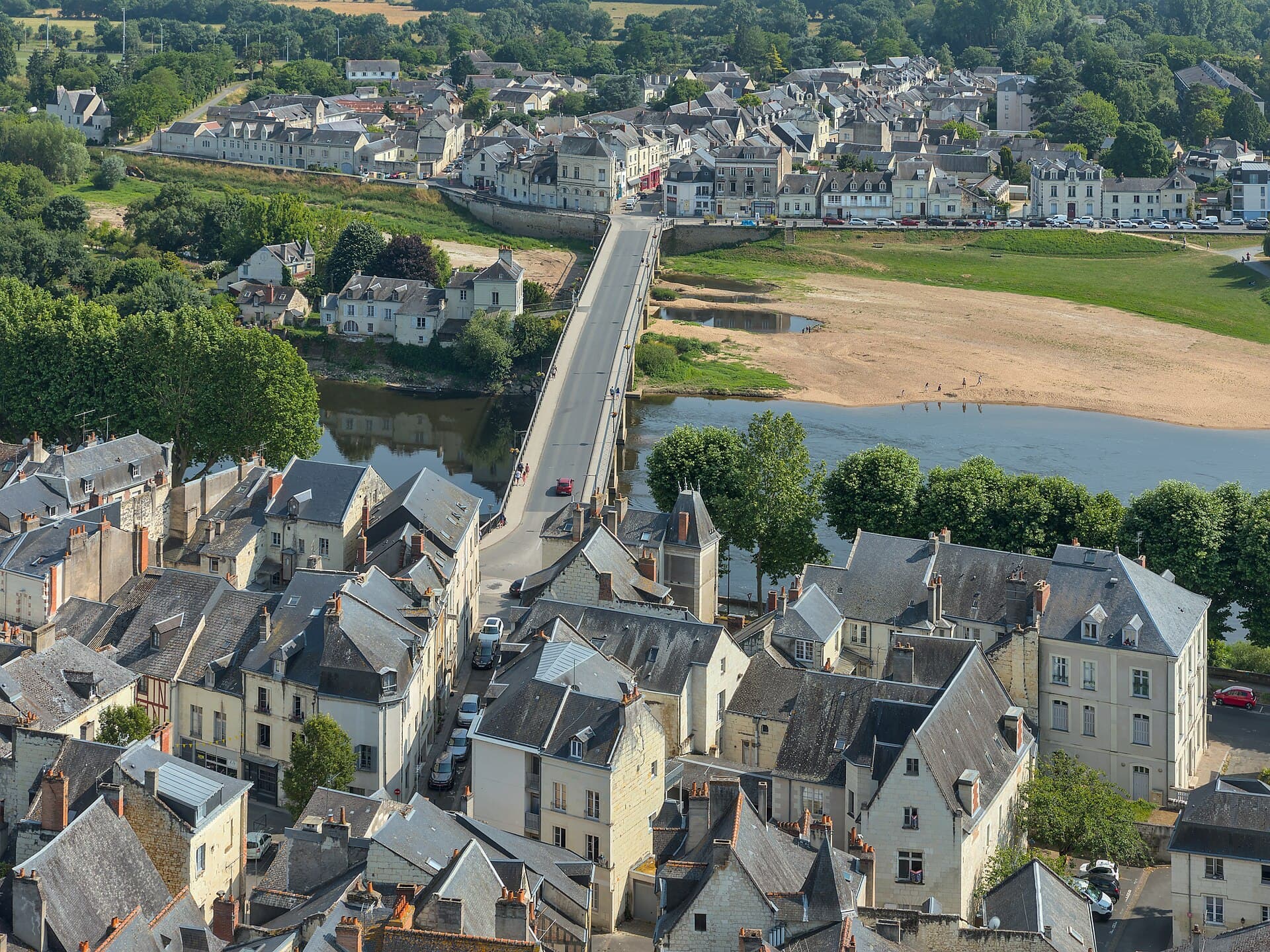 Benjamin Smith / CC BY-SA 4.0, via Wikimedia Commons
Tour de áudio autoguiado por Chinon — rota GPS a pé, reprodução offline, narração envolvente em 32 idiomas.
“Onde ecos medievais encontram o Cabernet Franc.”
Não os postais. As histórias que nem os locais conhecem — sussurradas ao seu ouvido, exatamente onde aconteceram.
Além de seus residentes reais, esta fortaleza abrigou uma ordem envolta em mistério.
Uma das ruas mais pitorescas de Chinon guarda um segredo sombrio sobre um rei famoso.
A própria pedra que construiu as defesas de Chinon agora serve a um propósito diferente e mais delicioso.
Descubra cada segredo de Chinon
Cada endereço, cada revelação na íntegra — no seu ouvido, exatamente onde aconteceu.
Você escolhe as suas paragens. Você caminha. A voz revela o que os outros perdem.


O seu tour áudio autoguiado de Chinon está pronto — escolha os seus pontos de interesse, selecione o seu idioma e comece no momento em que chegar.
ComprarA Lume inclui um guia de realidade aumentada. Levante o telemóvel: a câmara mostra a rua à sua frente, com uma seta luminosa sobreposta à imagem real que aponta sempre para a sua próxima paragem — sem mapa para decifrar, sem voltas erradas. Como tudo na Lume, funciona totalmente offline.
Chinon, uma cidade medieval no coração do Vale do Loire, na França, oferece uma jornada através de séculos de histórias duradouras, vinhos finos e uma cultura distinta. Situada às margens do Rio Vienne, a aproximadamente 260 quilômetros a sudoeste de Paris, seu horizonte é dominado por uma imponente fortaleza real. As ruas estreitas da cidade, ladeadas por casas em enxaimel e moradias de pedra de tufo, criam uma atmosfera que parece uma viagem no tempo.
Além de sua importância histórica, Chinon é celebrada por seus vinhos, especialmente seus tintos de Cabernet Franc. A cidade é uma "Ville d'Art et d'Histoire" (Cidade de Arte e História) designada, um testemunho de seu patrimônio preservado e legado artístico. Seja explorando torres antigas, degustando vinhos locais ou passeando ao longo do rio, Chinon oferece um gostinho autêntico do charme duradouro do Vale do Loire.
## De Posto Avançado Romano a Residência Real A história de Chinon começou por volta do século X com um forte de madeira em um afloramento rochoso com vista para o Rio Vienne. No século V, um castrum galo-romano já havia sido estabelecido no local. Sua localização estratégica a tornou uma posse cobiçada, mudando de mãos inúmeras vezes ao longo dos séculos. Em 1044, os Condes de Anjou assumiram o controle e, no século XII, a estrutura de madeira evoluiu para o formidável Château de Chinon.
## A Era Plantageneta Chinon ganhou proeminência nos séculos XII e XIII. Henrique II Plantageneta, Rei da Inglaterra e Duque de Anjou, fez de Chinon sua residência preferida, expandindo o castelo e transformando-o em uma corte movimentada. A fortaleza tornou-se um ponto crucial durante os reinados de Henrique II e seus filhos, Ricardo Coração de Leão e João Sem Terra. Henrique II morreu no castelo em 1189, e a propriedade passou para Ricardo I, depois para João. O Rei João perdeu o castelo em um cerco de nove meses em 1205 para o Rei Filipe II Augusto da França, após o qual se tornou parte dos domínios reais franceses.
## Joana d'Arc e a Guerra dos Cem Anos Chinon desempenhou um papel crucial durante a Guerra dos Cem Anos. O Delfim Carlos, mais tarde Carlos VII da França, buscou refúgio e estabeleceu sua corte lá em 1425, após ser deserdado por seu pai. Em 1429, Joana d'Arc, de 17 anos, chegou a Chinon para encontrar Carlos VII, reconhecendo-o como o herdeiro legítimo do trono e inspirando-o a liderar o exército francês. Seu encontro com o futuro rei na fortaleza é um momento definidor na história francesa.
## Declínio e Renascimento A partir do século XVI, Chinon deixou de ser uma residência real. Em 1631, tornou-se parte dos bens do Duque de Richelieu, que negligenciou a fortaleza, levando ao seu declínio. As fortificações foram em grande parte demolidas na década de 1820. No entanto, Chinon passou por trabalhos contínuos de restauração desde 1968 para preservar sua identidade histórica e arquitetônica. Hoje, a Fortaleza Real de Chinon foi significativamente restaurada, com algumas seções permanecendo em seu estado de ruínas, oferecendo um elo tangível com seu passado histórico.
A Fortaleza Real de Chinon é o marco mais icônico da cidade, oferecendo uma jornada imersiva pela história medieval francesa. Explore suas torres, caminhe pelas muralhas e aprecie as vistas panorâmicas da cidade e do Rio Vienne. A fortaleza inclui três castelos distintos: o Château du Milieu, lar dos apartamentos reais, e o Château du Coudray, onde Joana d'Arc foi hospedada.
Passeie pela cidade velha de Chinon, onde ruas medievais como a Rue Voltaire e a Rue Haute Saint-Maurice são ladeadas por casas senhoriais dos séculos XV e XVI. O Grand Carroi foi o cruzamento central da Idade Média. Para uma perspectiva diferente, atravesse o rio de carro e vire à direita na Quai Danton para vistas do castelo, da cidade e do rio.
Chinon é sinônimo de vinho, especialmente seus vinhos tintos feitos de uvas Cabernet Franc. Visite vinhedos e adegas locais, muitas escavadas nas colinas de calcário, para passeios e degustações. Opções notáveis incluem Caves Plouzeau e Couly-Dutheil. O Musée Jeanne d'Arc e o Musée Animé du Vin et de la Tonnellerie oferecem insights sobre a história local e a produção de vinho.
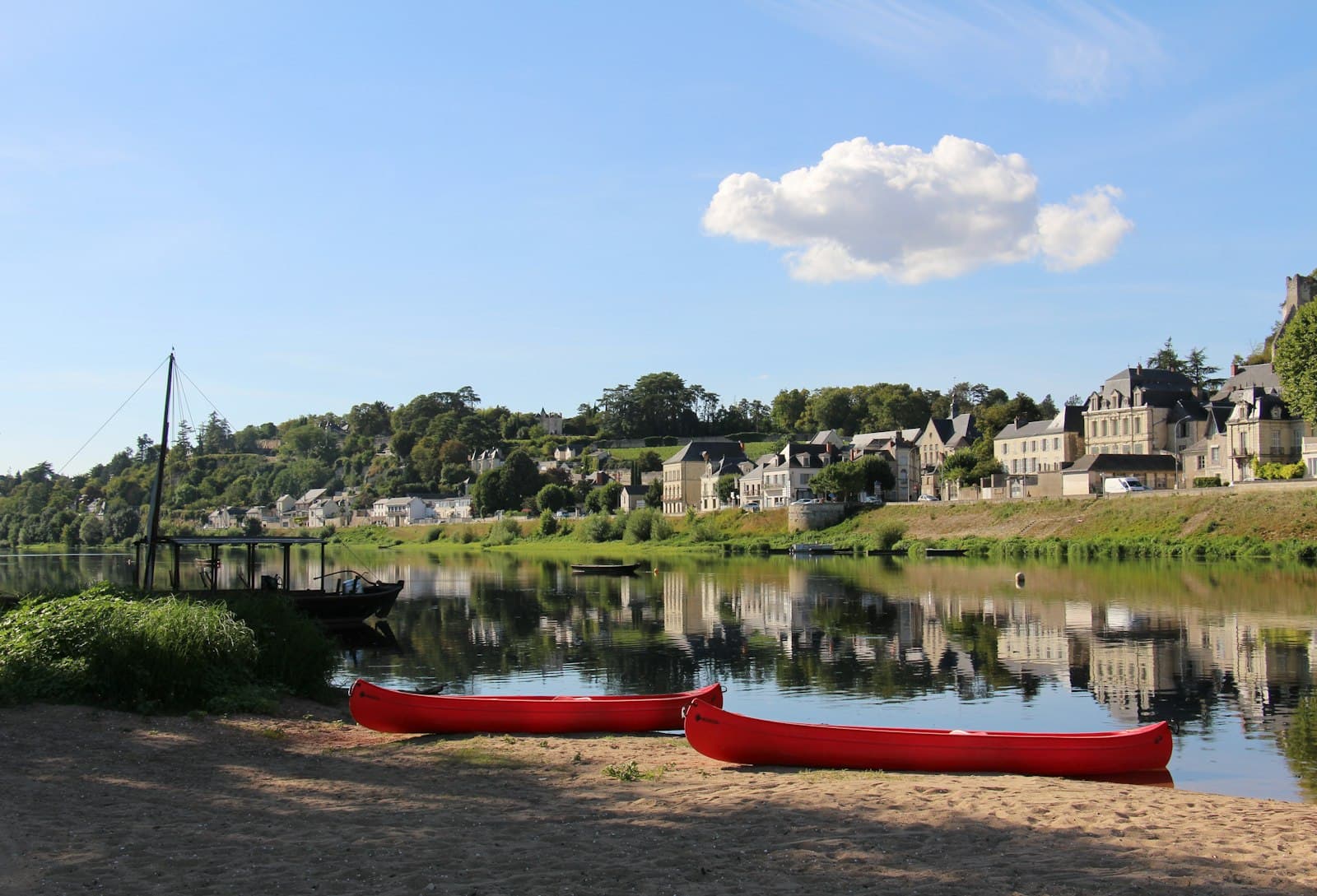
Para uma experiência tranquila, passeie pelas margens do Rio Vienne ou faça um passeio de barco para apreciar as vistas da fortaleza e das pontes. A cidade também sedia um mercado semanal nas manhãs de quinta-feira na Place Jeanne d'Arc e um mercado nas manhãs de domingo na Place Charles de Gaulle.
A melhor época para visitar Chinon para um clima agradável e atividades ao ar livre é de meados de junho a meados de setembro. Durante este período, as temperaturas são quentes, com julho sendo o mês mais quente, com uma média de máxima de 27°C (77°F). A primavera e o verão oferecem condições ideais para explorar a cidade e os vinhedos. O outono (setembro e outubro) é perfeito para entusiastas de vinho, coincidindo com a colheita das uvas, e o clima mais fresco é adequado para atividades ao ar livre. O inverno proporciona uma experiência mais tranquila, com menos turistas.
Chinon é facilmente acessível de trem a partir de Tours, com uma viagem de aproximadamente 45 minutos. Para quem vai de carro, a cidade é bem conectada pela autoestrada A85. O estacionamento está disponível perto da cidade velha e da fortaleza, com vagas gratuitas na Place Jeanne d'Arc, Place Tiverton e no estacionamento da fortaleza. O centro da cidade é muito caminhável, permitindo a exploração fácil de seus pontos turísticos a pé. Táxis estão disponíveis para distâncias mais curtas, mas um carro ou tour é recomendado para explorar os castelos e vinhedos circundantes do Vale do Loire. Aluguel de bicicletas também é uma opção para explorar o campo.
Banheiros públicos podem ser encontrados na Rue Haute Saint-Maurice, Place Jeanne d'Arc e perto do café ao ar livre na Quai Danton. A Fortaleza Real de Chinon abre diariamente durante todo o ano, exceto em 1º de janeiro e 25 de dezembro, com horários variados dependendo da estação. Armários para bagagem estão disponíveis no posto de turismo.
Chinon — coreano, chinês, hebraico e mais 29 idiomas, cada parada narrada por uma voz nativa. A maior variedade de idiomas entre os passeios de áudio autoguiados.
Disponível em: