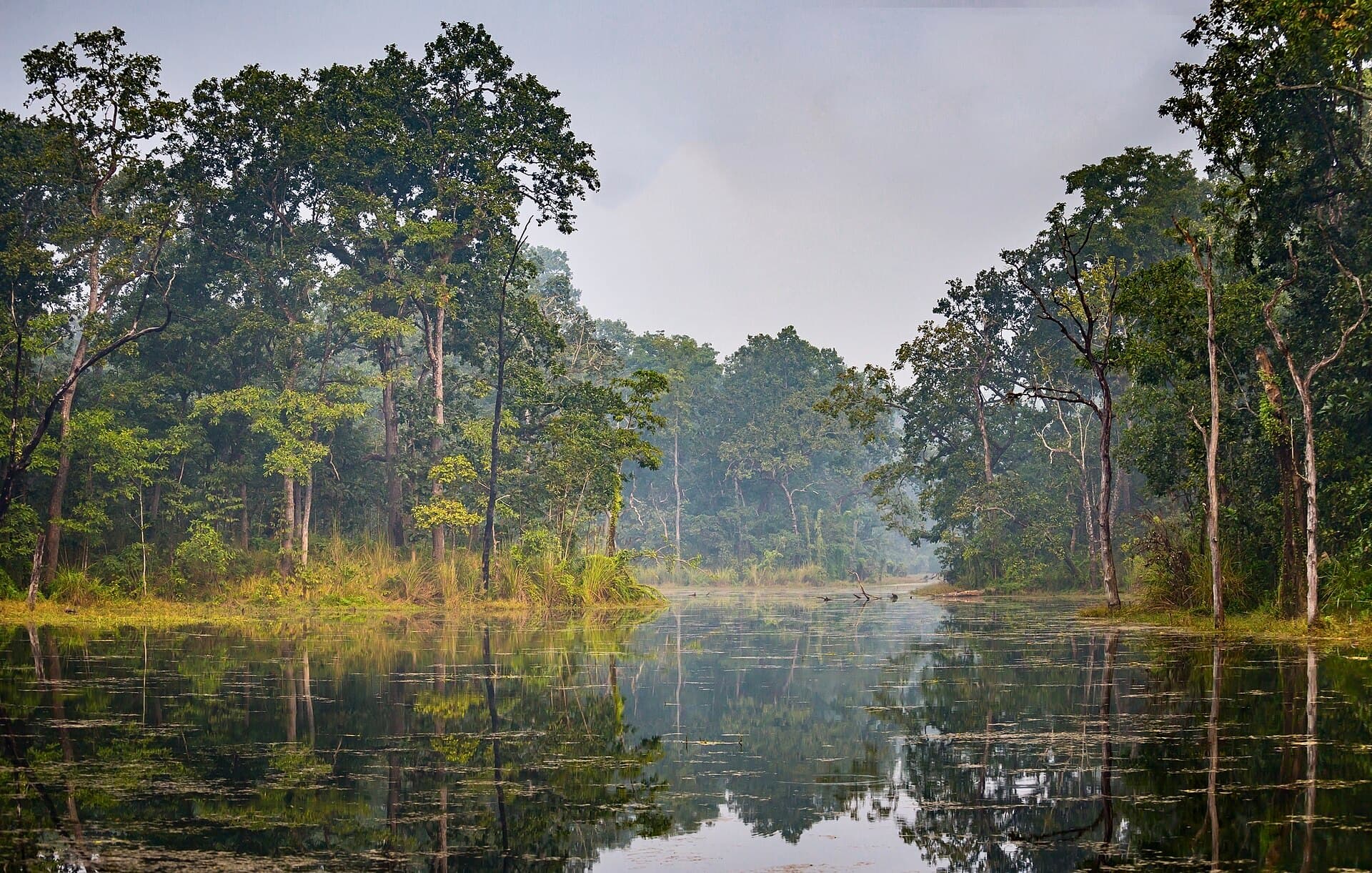
Lungo il fiume Rapti
Durante una serena gita in canoa, una guida locale potrebbe indicare un particolare tipo di coccodrillo che sembra quasi preistorico.
La storia completa si sblocca nel tour
 Vadim Tolbatov / CC BY-SA 4.0, via Wikimedia Commons
Tour audio autoguidato di Chitwan — percorso GPS a piedi, riproduzione offline, narrazione coinvolgente in 32 lingue.
“Dove il cuore della giungla batte più forte e antichi ritmi echeggiano tra gli alberi.”
Non le cartoline. Le storie che nemmeno i locali conoscono — sussurrate nel tuo orecchio, proprio dove sono accadute.
Durante una serena gita in canoa, una guida locale potrebbe indicare un particolare tipo di coccodrillo che sembra quasi preistorico.
Le case tradizionali del popolo Tharu raccontano una storia non solo di riparo, ma di arte e di un profondo legame con il loro ambiente.
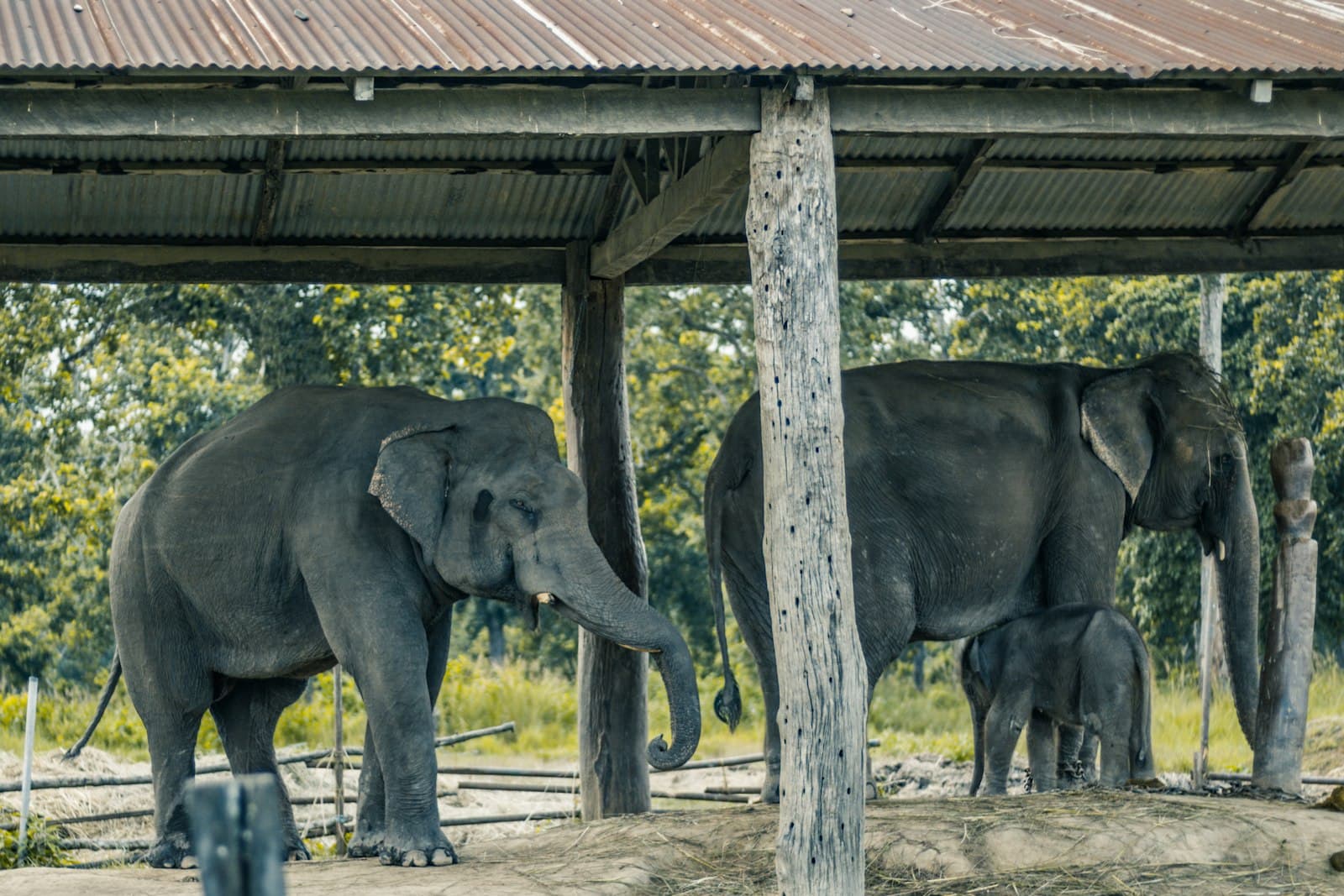
Sotto la volta della giungla, Chitwan ospita una sorprendente coppia di estremi mammiferi.
Scopri ogni segreto di Chitwan
Ogni indirizzo, ogni rivelazione completa — nel tuo orecchio, proprio dove è accaduta.
Scegli le tue tappe. Cammini. La voce rivela ciò che gli altri perdono.

Il tuo tour audio autoguidato di Chitwan è pronto — scegli i tuoi punti di interesse, seleziona la tua lingua e inizia nel momento in cui arrivi.
AcquistaLume include una guida in realtà aumentata. Alza il telefono: la fotocamera mostra la strada davanti a te, con una freccia luminosa sovrapposta all'immagine reale che punta sempre verso la tua prossima tappa — nessuna mappa da decifrare, nessuna svolta sbagliata. Come tutto in Lume, funziona completamente offline.
Chitwan, un nome che significa 'Cuore della Giungla', offre un netto contrasto con i paesaggi montuosi del Nepal, introducendo una natura selvaggia subtropicale. Questa regione, particolarmente nota per il Parco Nazionale di Chitwan, presenta fitte foreste, vaste praterie e sinuosi sistemi fluviali. Offre un'opportunità unica per immergersi in una profonda biodiversità, lontano dalle alte vette dell'Himalaya.
L'area funge da santuario per una straordinaria varietà di fauna selvatica, tra cui il maestoso rinoceronte indiano, le sfuggenti tigri del Bengala e diverse specie di uccelli. Oltre alle sue meraviglie naturali, Chitwan è anche un centro culturale, patria del popolo indigeno Tharu, le cui tradizioni e il cui stile di vita sono profondamente intrecciati con i ritmi della giungla. Esplorare Chitwan offre una rara miscela di avventura e intuizione culturale, rendendola una destinazione avvincente per coloro che cercano un lato diverso del Nepal.
## Dalle Terre di Caccia Reale a Patrimonio dell'Umanità La storia di Chitwan si svolge come un'avvincente narrazione di trasformazione, evolvendosi da un'esclusiva riserva di caccia a un'area di conservazione riconosciuta a livello mondiale. Per secoli, le fitte foreste di Chitwan sono servite come terreni di caccia preferiti dalla classe dirigente del Nepal, in particolare durante i mesi invernali più freschi. L'area si estendeva un tempo su 2.600 chilometri quadrati, supportando una significativa popolazione di rinoceronti.
Fino agli anni '50, raggiungere Chitwan da Kathmandu era un viaggio arduo, che richiedeva settimane a piedi. Questa inaccessibilità, unita alla prevalenza della malaria, significava che il popolo Tharu, che aveva sviluppato una resistenza naturale alla malattia, era il principale abitante. Tuttavia, l'eradicazione della malaria negli anni '50 e '60 portò a un drastico afflusso di coloni dalle colline, con conseguente deforestazione su vasta scala e un netto declino delle popolazioni di fauna selvatica, inclusi rinoceronti e tigri.
L'allarmante declino spinse il governo ad agire. Nel 1970, il Parco Nazionale di Chitwan fu designato, ufficialmente istituito nel 1973 come Parco Nazionale Reale di Chitwan. Inizialmente copriva 544 chilometri quadrati, fu successivamente ampliato alla sua attuale superficie di 952,63 chilometri quadrati nel 1977. Il parco ha ottenuto lo status di Patrimonio dell'Umanità dell'UNESCO nel 1984, riconoscendo il suo eccezionale valore universale. Il prefisso 'Reale' fu rimosso dal suo nome nel 2006, a seguito della fine della guerra civile nepalese.
L'istituzione del parco, sebbene cruciale per la conservazione, ebbe anche un impatto significativo sulle comunità indigene Tharu, che furono spesso costrette a trasferirsi dalle loro terre ancestrali all'interno dei confini del parco. Oggi, il Parco Nazionale di Chitwan è una testimonianza di sforzi di conservazione di successo, in particolare per il rinoceronte indiano, la cui popolazione ha visto un significativo recupero.
Il Parco Nazionale di Chitwan attira visitatori con le sue diverse esperienze naturalistiche. Un'attività popolare è il safari in jeep, che copre ampie aree del parco e aumenta le possibilità di osservare rinoceronti indiani, cervi, scimmie e, con fortuna, una tigre del Bengala. Per un'esperienza più tranquilla, le gite in canoa lungo i fiumi Rapti o Narayani sono ideali, specialmente al mattino presto. Questi silenziosi viaggi offrono l'opportunità di osservare coccodrilli crogiolarsi sulle rive e un'ampia varietà di avifauna.
I safari a piedi, sempre con una guida autorizzata, offrono un modo immersivo per esplorare la giungla e le praterie a piedi, offrendo una prospettiva diversa sulla flora e fauna del parco. Oltre all'osservazione della fauna selvatica, una visita all'Elephant Breeding Center di Sauraha offre spunti sulla conservazione degli elefanti e la possibilità di vedere giovani elefanti. Allo stesso modo, il Gharial Breeding Center a Kasara si concentra sul gaviale, un coccodrillo gravemente minacciato, dove le uova vengono schiuse in cattività prima che i piccoli vengano rilasciati in natura. L'esplorazione dei villaggi locali Tharu offre uno sguardo sulla cultura indigena, con opportunità di osservare le tradizionali case di fango e bambù e conoscere il loro stile di vita.
Il periodo ideale per visitare il Parco Nazionale di Chitwan è durante la stagione secca, da ottobre a marzo. Durante questi mesi, il clima è piacevole, con cieli sereni e temperature diurne confortevoli intorno ai 25°C. Anche l'osservazione della fauna selvatica è più frequente poiché gli animali si radunano attorno alle fonti d'acqua in diminuzione. Da fine gennaio a marzo è particolarmente buono per l'avvistamento della fauna selvatica, poiché l'erba alta viene tagliata, migliorando la visibilità. Sebbene aprile e maggio siano più caldi, gli animali rimangono concentrati attorno alle pozze d'acqua, offrendo buone opportunità di avvistamento. La stagione dei monsoni, da giugno a settembre, porta piogge abbondanti che possono rendere inaccessibili alcune aree del parco e far crescere l'erba molto alta, rendendo più difficile l'osservazione della fauna selvatica.
Il Parco Nazionale di Chitwan richiede un permesso di ingresso, che costa 2.000 Rupie Nepalesi per gli stranieri al giorno. Tutte le attività nella giungla, comprese le passeggiate e i safari in jeep, devono essere svolte con una guida autorizzata per motivi di sicurezza. Sauraha funge da principale punto di ingresso al parco, offrendo un'ampia gamma di alloggi, agenzie turistiche e ristoranti. Raggiungere Chitwan è relativamente semplice; autobus turistici operano quotidianamente da Kathmandu (5-6 ore) e Pokhara (4-5 ore) a Sauraha. In alternativa, sono disponibili voli giornalieri da Kathmandu all'aeroporto di Bharatpur, che dista solo 30 minuti di auto da Sauraha. Spesso si consiglia di prenotare le attività direttamente a Sauraha dopo l'arrivo, poiché questo può essere a volte più conveniente rispetto ai pacchetti pre-prenotati.
Chitwan — coreano, cinese, ebraico e altre 29 lingue, ogni tappa narrata da una voce madrelingua. La più ampia scelta di lingue tra i tour audio autoguidati.
Disponibile in: