Plaça des Born
Il grande obelisco nella piazza principale di Ciutadella segna un momento cruciale, ma spesso trascurato, di feroce resistenza.
La storia completa si sblocca nel tour
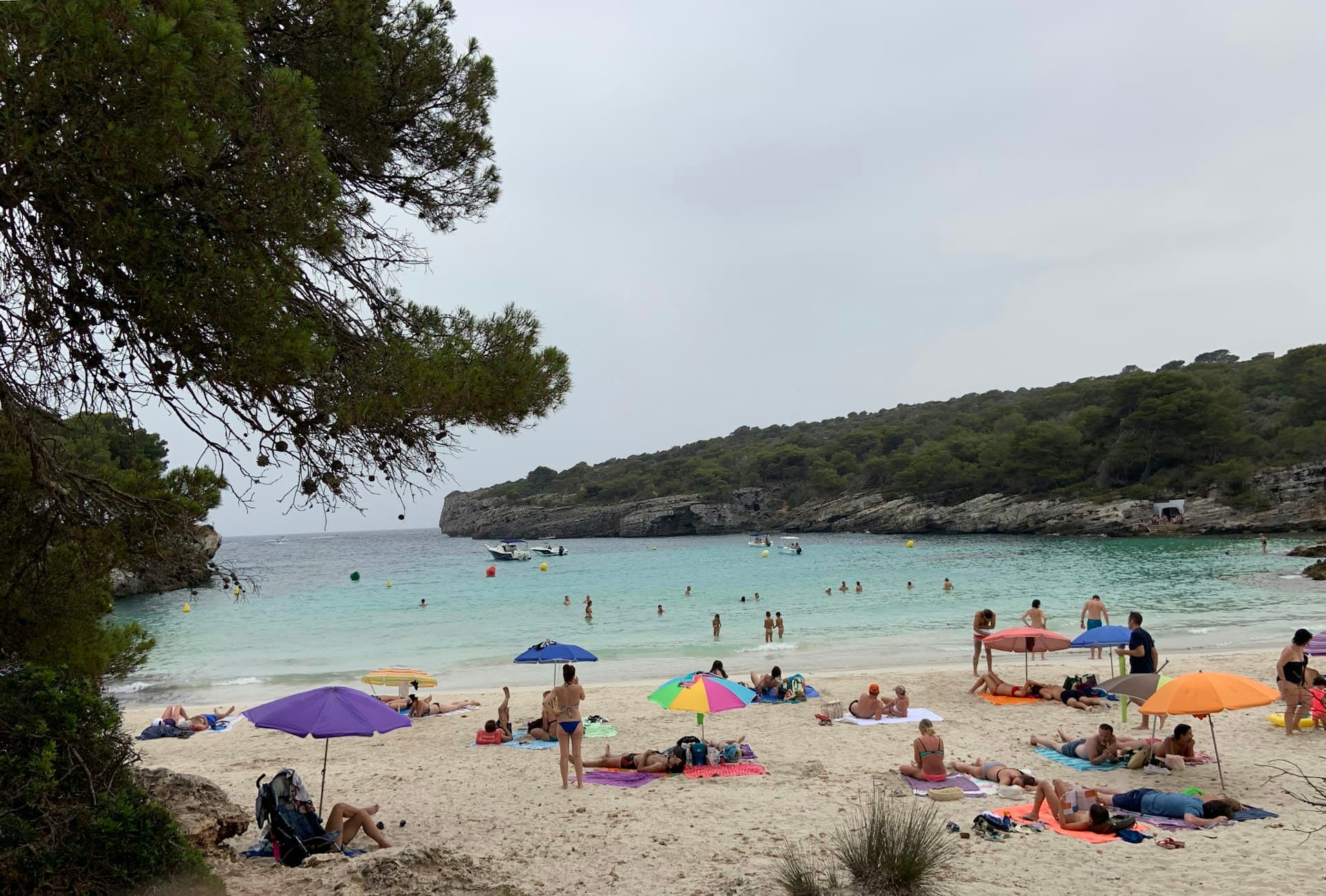 Photo: Carly Jones / Unsplash
Tour audio autoguidato di Ciutadella — percorso GPS a piedi, riproduzione offline, narrazione coinvolgente in 32 lingue.
“Dove antiche pietre ronzano con lo spirito duraturo dell'isola.”
Non le cartoline. Le storie che nemmeno i locali conoscono — sussurrate nel tuo orecchio, proprio dove sono accadute.
Il grande obelisco nella piazza principale di Ciutadella segna un momento cruciale, ma spesso trascurato, di feroce resistenza.
Sotto gli incantevoli archi del centro storico di Ciutadella, un'insolita tradizione un tempo dettava come i mercanti esponessero le loro merci.
Osservate attentamente l'ingresso principale della Cattedrale e troverete un sottile indizio del suo passato sorprendentemente variegato.
Scopri ogni segreto di Ciutadella
Ogni indirizzo, ogni rivelazione completa — nel tuo orecchio, proprio dove è accaduta.
Scegli le tue tappe. Cammini. La voce rivela ciò che gli altri perdono.


Il tuo tour audio autoguidato di Ciutadella è pronto — scegli i tuoi punti di interesse, seleziona la tua lingua e inizia nel momento in cui arrivi.
AcquistaLume include una guida in realtà aumentata. Alza il telefono: la fotocamera mostra la strada davanti a te, con una freccia luminosa sovrapposta all'immagine reale che punta sempre verso la tua prossima tappa — nessuna mappa da decifrare, nessuna svolta sbagliata. Come tutto in Lume, funziona completamente offline.
Ciutadella, sulla costa occidentale di Minorca, offre un viaggio nel tempo con le sue intricate strade e l'antica architettura. Un tempo capitale dell'isola, i suoi nobili palazzi, i vicoli medievali e un pittoresco porto naturale evocano un senso di eleganza duratura. Gli edifici dorati della città, molti costruiti con la locale arenaria 'marès', brillano sotto il sole del Mediterraneo, invitando a un'esplorazione senza fretta.
Passeggiare per Ciutadella è come entrare in un museo vivente, dove ogni angolo rivela una storia. Dalla grandiosa Plaça des Born, con il suo imponente obelisco, agli intimi cortili dietro porte ornate, la città si svela con grazia silenziosa. Il ritmo della vita qui è tranquillo, riflettendo il carattere generalmente pacifico di Minorca, rendendola una destinazione ideale per coloro che cercano sia immersione culturale che una fuga tranquilla.
## Dal Porto Romano al Baluardo Moresco Le origini di Ciutadella risalgono all'epoca romana, quando era conosciuta come Iamo. La sua posizione strategica sulla costa occidentale di Minorca la rese un porto importante per tutta l'antichità. Dopo il crollo dell'Impero Romano, la città, come gran parte delle Baleari, conobbe periodi di dominio vandalico e bizantino.
## L'Era Islamica e la Reconquista Il periodo più trasformativo prima della Reconquista fu sotto il dominio moresco, iniziato nel X secolo. Durante questo periodo, Ciutadella fiorì, diventando un centro vitale di commercio e cultura. La disposizione della città, in particolare le strade tortuose del suo quartiere antico, porta ancora l'impronta di quest'epoca. Nel 1287, Alfonso III d'Aragona conquistò Minorca, integrandola nella Corona d'Aragona. Questo segnò l'inizio di un nuovo capitolo, con la costruzione di chiese cristiane, spesso sulle fondamenta di ex moschee, testimonianza del mutevole panorama religioso e politico dell'isola.
## Una Capitale Sotto Assedio Ciutadella rimase la capitale di Minorca per secoli, anche dopo che l'isola divenne possedimento britannico nel XVIII secolo. Tuttavia, la sua storia è anche segnata da periodi di intenso conflitto. L'evento più devastante fu il sacco del 1558 da parte della flotta ottomana, che causò distruzioni diffuse e la cattura di gran parte della popolazione. Questo evento, noto come 'Any de sa Desgràcia', ebbe un profondo impatto sulla città e sul suo popolo. Nonostante tali battute d'arresto, Ciutadella si ricostruì costantemente e riaffermò la sua importanza come centro culturale e amministrativo.
## Perdita dello Status di Capitale e Identità Moderna Nel 1714, con il Trattato di Utrecht, Minorca divenne possedimento britannico. I britannici, alla ricerca di un porto più difendibile, spostarono infine la capitale a Mahón nel 1722. Questo spostamento portò a un periodo di relativo declino per Ciutadella in termini di potere politico, ma permise alla città di preservare il suo carattere storico e la sua atmosfera aristocratica. Oggi, Ciutadella prospera come cuore culturale di Minorca, celebrata per il suo centro storico ben conservato, i vivaci festival e le tradizioni radicate.
Iniziate la vostra esplorazione da Plaça des Born, la piazza principale della città, dominata da un obelisco che commemora l'invasione turca del 1558. Da qui, potete ammirare il porto e gli eleganti Palau Salort e Palau de Torre-Saura che incorniciano la piazza. Passeggiate per Ses Voltes, l'incantevole strada porticata che conduce alla Cattedrale, dove troverete una serie di negozi e caffè. La Cattedrale di Ciutadella, una grandiosa struttura gotica costruita sul sito di un'antica moschea, è una tappa fondamentale, con il suo interno imponente e un campanile che un tempo era un minareto. Esplorate le strette e tortuose strade del centro storico, scoprendo cortili tranquilli e residenze nobiliari. Scendete verso il pittoresco Porto di Ciutadella, un porto naturale perfetto per una passeggiata rilassante o un pasto in uno dei ristoranti sul lungomare. Non perdetevi il Mercat Municipal, il mercato comunale, per uno sguardo alla vita e ai prodotti locali. Per un approfondimento sulla storia minorchina, visitate il Museu de Menorca (sebbene situato a Mahón, offre una visione completa del passato dell'isola).
Il periodo migliore per visitare Ciutadella è durante le stagioni intermedie di maggio, giugno, settembre e inizio ottobre. Il clima è piacevolmente caldo, ideale per esplorare, e la città è meno affollata rispetto ai mesi di punta estivi. Luglio e agosto offrono un'atmosfera vivace e temperature marine calde, ma anche prezzi più alti e folle più numerose. Gli inverni sono miti ma più tranquilli, con alcuni esercizi che chiudono per la stagione.
Ciutadella è facilmente percorribile a piedi, in particolare il centro storico. L'aeroporto (MAH) si trova vicino a Mahón, a circa 45 minuti di auto. Servizi regolari di autobus collegano Ciutadella con Mahón e altre città dell'isola. I taxi sono facilmente reperibili. Le sistemazioni vanno da hotel boutique in edifici storici a pensioni e appartamenti. Molti ristoranti soddisfano vari gusti, con un'attenzione particolare al pesce fresco e alla cucina tradizionale minorchina. La valuta locale è l'Euro. Sebbene lo spagnolo e il catalano siano le lingue ufficiali, l'inglese è ampiamente parlato nelle zone turistiche. Si raccomandano protezione solare, scarpe comode da passeggio e una borraccia riutilizzabile.
Ciutadella — coreano, cinese, ebraico e altre 29 lingue, ogni tappa narrata da una voce madrelingua. La più ampia scelta di lingue tra i tour audio autoguidati.
Disponibile in: