Kirche El Calvario
Der Aufstieg zu dieser Kolonialkirche bietet mehr als nur weite Ausblicke.
Die ganze Geschichte wird in der Tour freigeschaltet
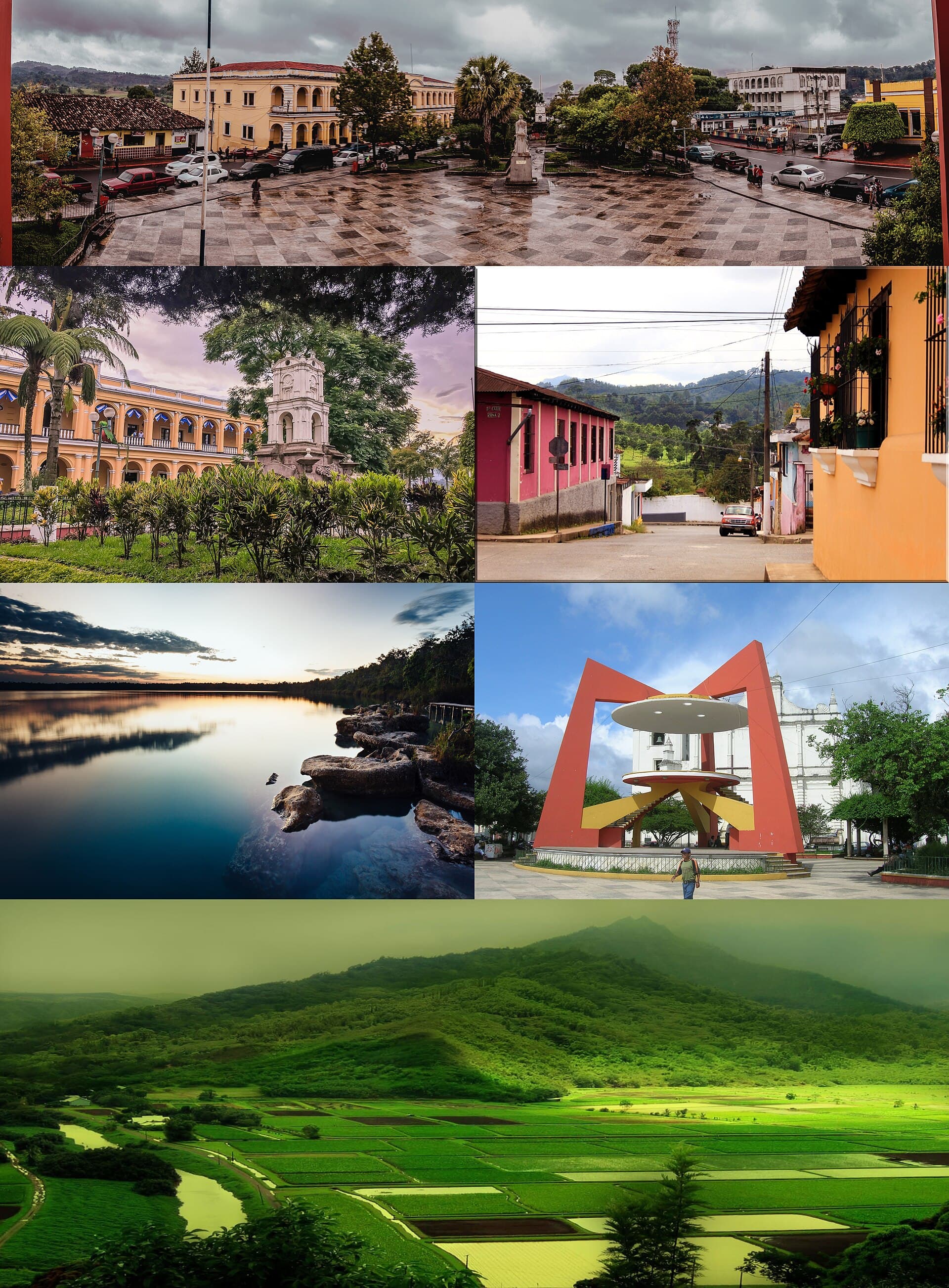 Rodrigobaaz / CC BY-SA 4.0, via Wikimedia Commons
Selbstgeführte Audio-Walking-Tour durch Cobán — GPS-Route, Offline-Wiedergabe, erzählerische Narration in 32 Sprachen.
“Wo nebelverhangene Berge auf die Q'eqchi'-Kultur treffen und der Duft von Kaffee durch die Luft weht.”
Nicht die Postkarten. Die Geschichten, die selbst Einheimische nicht kennen – dir ins Ohr geflüstert, genau dort, wo sie geschahen.
Der Aufstieg zu dieser Kolonialkirche bietet mehr als nur weite Ausblicke.
Über das duftende Aroma und die Verkostungsnotizen hinaus enthüllt ein Besuch einer Kaffeeplantage hier einen überraschenden historischen Strom.
Schon der Name dieser Stadt birgt ein poetisches Geheimnis über ihre Landschaft.
Entdecke jedes Geheimnis von Cobán
Jede Adresse, jede Enthüllung vollständig – in deinem Ohr, genau dort, wo es geschah.
Du wählst deine Stationen. Du gehst. Die Stimme enthüllt, was andere übersehen.

Deine selbstgeführte Audio-Tour durch Cobán ist bereit – wähle deine Sehenswürdigkeiten, deine Sprache und starte, sobald du ankommst.
KaufenLume enthält einen integrierten Augmented-Reality-Guide. Halten Sie Ihr Handy hoch: Die Kamera zeigt die Straße vor Ihnen, mit einem leuchtenden Pfeil über dem echten Bild, der immer auf Ihren nächsten Stopp zeigt — keine Karte zum Rätseln, keine falschen Abzweigungen. Wie alles bei Lume funktioniert es komplett offline.
Cobán, die Hauptstadt von Alta Verapaz, liegt im nördlichen Zentrum Guatemalas, etwa 219 Kilometer (136 Meilen) von Guatemala-Stadt entfernt. Auf einer Höhe von etwa 1.320 Metern (4.331 Fuß) über dem Meeresspiegel gelegen, genießt die Stadt ein gemäßigtes tropisches Hochlandklima, das oft als ganzjährig frühlingshaft beschrieben wird, mit Temperaturen, die typischerweise zwischen 15°C und 25°C (59°F bis 77°F) liegen. Diese kühle, neblige Umgebung, beeinflusst durch die Nähe zum Atlantischen Ozean, fördert dichte Nebelwälder und ist bekannt für ihre reiche Artenvielfalt, insbesondere ihre Orchideen und den schwer fassbaren Quetzal.
Während viele Reisende Cobán als Ausgangspunkt für Naturwunder wie Semuc Champey nutzen, bieten die Stadt und ihre unmittelbare Umgebung ein besonderes kulturelles Erlebnis. Es ist ein Ort, an dem das Maya-Erbe, insbesondere das der Q'eqchi'-Menschen, mit der Kolonialgeschichte und sogar deutschen Einflüssen verwoben ist, was sich in seiner Architektur, seinen Festen und seiner lokalen Küche zeigt. Cobán bietet einen Einblick in das authentische guatemaltekische Leben mit seinen geschäftigen lokalen Märkten und einem gemächlicheren Tempo als in stärker touristisch erschlossenen Gebieten.
Die Region ist ein bedeutender Produzent von Kaffee, Kardamom und anderen Gewürzen, mit Kaffeeplantagen, die die Berglandschaft prägen. Besucher können diese Fincas erkunden, um mehr über den Kaffeeherstellungsprozess zu erfahren und lokale Brühgetränke zu probieren. Neben der Landwirtschaft ist Cobán ein Zentrum für Ökotourismus mit zahlreichen Naturschutzgebieten, Wasserfällen und Höhlensystemen, die darauf warten, erkundet zu werden.
Cobáns Ursprünge reichen bis ins 16. Jahrhundert zurück, eine Zeit, die von einem besonderen Ansatz der spanischen Kolonisierung geprägt war. Im Gegensatz zu vielen anderen Gebieten, die durch militärische Gewalt unterworfen wurden, wurde die Region Alta Verapaz, ursprünglich bekannt als Tezulutlán oder das "Land des Krieges", durch friedliche Evangelisierung in die spanische Herrschaft eingegliedert. Dominikanermönche, insbesondere Bartolomé de las Casas, spielten eine zentrale Rolle in dieser "echten Frieden" (Vera Paz) Strategie, indem sie die indigene Q'eqchi'-Maya überzeugten, zum Christentum zu konvertieren und die spanische Krone ohne Konflikte anzuerkennen. Die Stadt Santo Domingo de Cobán wurde offiziell am 4. August 1543 gegründet und diente als Zentrum für diese neue katholische Lehre. Sie erhielt sogar den Titel "Kaiserstadt" vom Heiligen Römischen Kaiser Karl V.
Im 19. Jahrhundert erlebte Cobán mit der Ankunft deutscher Siedler eine bedeutende Umwandlung. Angezogen von großzügigen Landkonzessionen liberaler guatemaltekischer Präsidenten, gründeten diese Einwanderer ausgedehnte Kaffeeplantagen und verwandelten die Region in ein wichtiges Zentrum der Kaffeeindustrie. Der deutsche Einfluss war tiefgreifend und prägte nicht nur die Wirtschaft, sondern auch die Kultur und Architektur der Stadt, mit vielen europäischen Strukturen. Ein deutscher Verein wurde 1888 gegründet, und in den 1930er Jahren lebten etwa 2.000 Deutsche in Cobán, die sogar eine deutsche Schule gründeten.
Diese Ära endete jedoch abrupt mit dem Ausbruch des Zweiten Weltkriegs. Unter dem Druck der Vereinigten Staaten und mit einigen Hinweisen, dass Präsident Jorge Ubico auch versuchte, Ländereien deutscher Besitzer zu erwerben, wurden die meisten deutschen Einwohner 1941 aus Guatemala ausgewiesen. Trotzdem bleibt das Erbe der deutschen Kaffeewirtschaft und ihr Einfluss auf die Entwicklung der Region ein wichtiger Teil der Geschichte von Cobán. Heute ist Cobán weiterhin ein wichtiges Wirtschaftszentrum, bekannt für seine Agrarprodukte, insbesondere Kaffee und Kardamom, und als administratives Herz von Alta Verapaz.
Cobán bietet eine Mischung aus natürlicher Pracht und kulturellen Einblicken. Beginnen Sie Ihre Erkundung in der Kirche El Calvario, die auf einem Hügel liegt und nach dem Aufstieg über ihre charakteristischen Stufen einen weiten Blick über die Stadt bietet. Die Kathedrale Santo Domingo de Guzmán, die aus dem 16. Jahrhundert stammt, ist eines der ältesten Gebäude der Gegend und zeugt von der kolonialen Vergangenheit der Stadt. Für ein tieferes Eintauchen in die lokale Kultur ist der Mercado Central ein lebhafter Markt, auf dem Sie lokales Kunsthandwerk, frische Produkte und traditionelle Speisen finden.
Naturliebhaber werden hier viel zu entdecken finden. Vivero Verapaz (Orquigonia) ist ein privates Naturschutzgebiet, das sich der Erhaltung seltener Orchideenarten widmet, darunter die Nationalblume Guatemalas, die Monja Blanca (weiße Nonnenorchidee). Sie können auch eine geführte Tour durch eine Kaffeeplantage machen, wie z.B. die Finca Santa Margarita, um den Kaffeeherstellungsprozess von der Bohne bis zur Tasse kennenzulernen und eine Verkostung zu genießen. Etwas außerhalb der Stadt liegt El Biotopo del Quetzal, ein geschützter Nebelwald mit Wanderwegen und der Möglichkeit, den Quetzal, den Nationalvogel Guatemalas, zu beobachten. Für abenteuerlichere Unternehmungen sollten Sie einen Ausflug zu den Bombil Pek Höhlen für Abseilen und alte Felsmalereien oder zu den weitläufigen Candelaria Höhlen in Betracht ziehen.
Cobán hat ein gemäßigtes tropisches Hochlandklima mit ausgeprägten Regen- und Trockenzeiten. Die Trockenzeit von November bis April gilt im Allgemeinen als die günstigste Reisezeit, mit mehr Sonnenschein und geeigneten Bedingungen für Outdoor-Aktivitäten wie Wanderungen nach Semuc Champey. Die Temperaturen liegen in dieser Zeit zwischen 15°C und 25°C (59°F bis 77°F). Die Regenzeit von Mai bis Oktober bringt stärkere Niederschläge, insbesondere nachmittags, was einige Wege schlammig machen kann. Diese Jahreszeit zeigt jedoch auch die üppige grüne Vegetation der Region und stärkere Flussläufe. Das jährliche Festival del Rabin Ajaw, ein Folklorefestival, das die Maya-Frauen feiert, findet normalerweise Ende Juli oder Anfang August statt.
Cobán ist mit dem Bus oder Shuttle von Guatemala-Stadt aus erreichbar, eine Fahrt, die normalerweise etwa 4 bis 5 Stunden dauert. Während die Straßen innerhalb der Stadt im Allgemeinen asphaltiert sind, können einige ländliche Gebiete während der Regenzeit schlammig werden. Ein Mietwagen bietet Flexibilität für die Erkundung der umliegenden Gebiete, obwohl ein Allradfahrzeug für abgelegenere Attraktionen von Vorteil sein kann. Alternativ stehen private Transferdienste zur Verfügung, die ein nahtloses Erlebnis mit sachkundigen lokalen Fahrern bieten können. Taxis sind leicht verfügbar und erschwinglich, um sich in der Stadt fortzubewegen.
Bargeld (Guatemaltekische Quetzales) wird in Cobán bevorzugt, insbesondere auf lokalen Märkten und in kleineren Geschäften. Während Spanisch die vorherrschende Sprache ist, sprechen viele Einheimische auch Q'eqchi', die indigene Sprache der Region. Das Erlernen einiger grundlegender Sätze in beiden Sprachen kann Ihre Interaktionen verbessern. Cobán gilt im Allgemeinen als sicher für Reisende, obwohl in überfüllten Gebieten Kleinkriminalität wie Taschendiebstahl vorkommen kann. Es ist ratsam, sich Ihrer Umgebung bewusst zu sein und es zu vermeiden, nachts allein in unbekannten Gegenden zu gehen, um kleinere Verbrechen zu verhindern.
Cobán — Koreanisch, Chinesisch, Hebräisch und 29 weitere Sprachen, jede Station von einer muttersprachlichen Stimme erzählt. Die größte Sprachauswahl aller selbstgeführten Audiotouren.
Verfügbar auf: