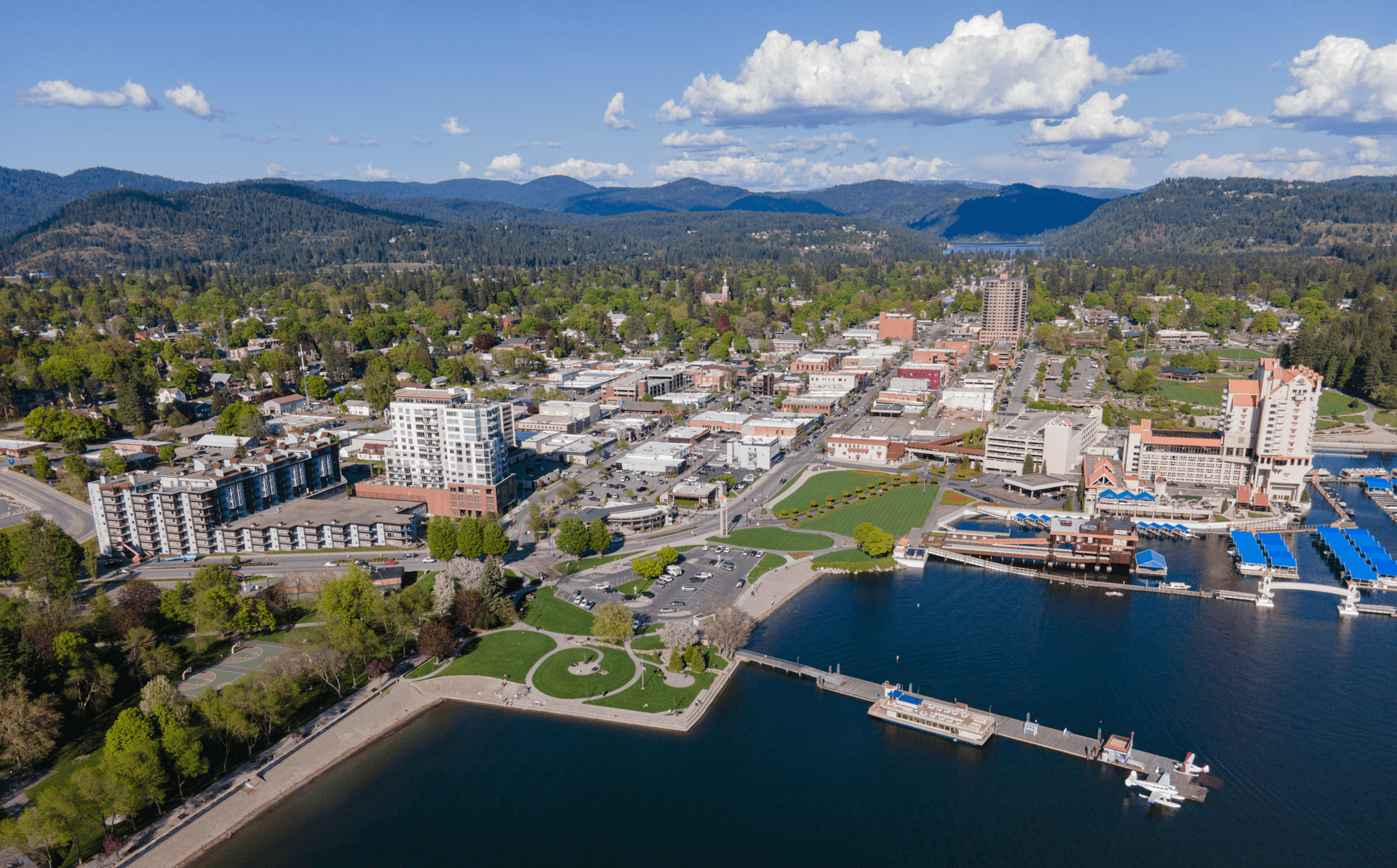
Coeur d'Alene, United StatesSpicypepper999 / CC0, via Wikimedia Commons
US

Coeur d'Alene

Self-guided audio walking tour of Coeur d'Alene — GPS route, offline playback, story-driven narration in 32 languages.

Where the sharp trading spirit of its namesake meets the tranquil expanse of a glacial lake.

The secrets of Coeur d'Alene

Coeur d'Alene, as no one tells it.

Not the postcards. The stories even locals don't know — whispered in your ear, right where they happened.

3 secrets below. Many more wait inside the tour.
The name Coeur d'Alene

The city's unique name, Coeur d'Alene, wasn't originally given by settlers, but by French traders.

Full story unlocks in the tour
Lake Coeur d'Alene's Floating Green

One of the most talked-about golf holes in the world actually floats on water.

Full story unlocks in the tour
The World's Longest Floating Boardwalk

Coeur d'Alene is home to a record-breaking structure that invites a stroll directly over the lake.

Full story unlocks in the tour
The full tour

Discover every secret of Coeur d'Alene

Every address, every reveal in full — in your ear, right where it happened.

Get the key to Coeur d'Alene

You pick your stops. You walk. The voice reveals what the others miss.

Coeur d'Alene — blue body of water near high-rise building
Photo: Jason Buscema / Unsplash
Choose your time

How long do you have in Coeur d'Alene?

Your self-guided audio tour of Coeur d'Alene is ready — pick your landmarks, choose your language, and start the moment you arrive.

Buy
About Coeur d'Alene

The story of Coeur d'Alene

Coeur d'Alene, often affectionately called 'CDA' by locals, is a city in northern Idaho that blends natural grandeur with a lively downtown. It rests on the northern shore of Lake Coeur d'Alene, a 25-mile-long glacial lake, and is framed by the Coeur d'Alene Mountains to the east. The city, with an estimated population of over 58,000 as of 2026, has seen significant growth, drawing visitors and new residents alike with its scenic beauty and abundant recreational opportunities.

Known as the 'Lake City,' Coeur d'Alene serves as a hub for outdoor enthusiasts, offering everything from water sports on the lake to hiking and biking in the surrounding forests. Beyond its natural allure, the city presents a dynamic downtown experience with diverse dining, shopping, and cultural events. Whether seeking adventure or a tranquil escape, Coeur d'Alene provides a distinctive Pacific Northwest experience.

History

From Indigenous Lands to Timber Boom

The history of Coeur d'Alene is deeply intertwined with the land and its earliest inhabitants, the Coeur d'Alene people, a federally recognized tribe who traditionally lived as hunter-gatherers along the region's rivers and lakes. Their ancestral territory spanned approximately 4 million acres from eastern Washington to Montana. The tribe's name, meaning 'Heart of the Awl' in French, was given by French traders in the early 1800s, a testament to their sharp trading skills.

In 1878, General William Tecumseh Sherman established Fort Coeur d'Alene—later renamed Fort Sherman—on the north shore of Lake Coeur d'Alene. A small village began to form on the eastern edge of the fort, marking the beginnings of the city. The discovery of gold and silver in nearby areas brought miners and prospectors, further fueling the area's growth. The arrival of the Northern Pacific Railroad in 1883 was a significant catalyst, transforming the nascent settlement into a vital supply and navigation point for the burgeoning mining and timber industries.

The city was officially incorporated in 1887. By 1910, Coeur d'Alene's population had reached 8,000, supported by six major lumber mills, several banks, hotels, and schools. The city's strategic location and growing infrastructure solidified its role as Kootenai County's economic and social center. After the Great Depression, tourism began to emerge as a crucial industry, a trend that continues to define Coeur d'Alene today. The 1990s saw substantial population growth, partly due to an influx of residents from other western states seeking a blend of natural beauty and modern amenities.

What to see

Coeur d'Alene offers a variety of attractions that highlight both its natural beauty and recreational spirit. A focal point is Lake Coeur d'Alene, a vast freshwater lake formed by glaciers. Visitors can enjoy sightseeing cruises, water sports, or simply relax on its sandy beaches. The Coeur d'Alene Resort Boardwalk provides a unique opportunity to walk directly over the lake on the world's longest floating boardwalk.

For those seeking a more active experience, Tubbs Hill offers a two-mile trail with scenic views of the lake and surrounding natural areas, easily accessible from downtown. Golf enthusiasts can challenge themselves at the Coeur d'Alene Resort Golf Course, recognized for its floating green on the 14th hole. Families often enjoy Silverwood Theme Park, the largest theme park in the Northwestern United States, located nearby. Downtown Coeur d'Alene itself is a destination, with over 125 retail stores, restaurants, and professional businesses. The Museum of North Idaho provides a deeper understanding of the region's mining, timber, and Native American heritage.

When to visit

The best time to visit Coeur d'Alene for warm-weather activities is from early July to mid-August. During these months, temperatures are typically in the 70s to 90s Fahrenheit, with long, sunny days perfect for lake activities and outdoor exploration. Spring, from late March to early June, offers mild weather, fewer crowds, and accessible trails, with temperatures ranging from the mid-40s to low 70s. Fall, particularly in September and October, brings vivid foliage and pleasant temperatures, ideal for scenic drives and quieter lake cruises. While winters are cold with average lows in the 20s Fahrenheit, the area offers opportunities for winter sports at nearby ski resorts and a festive Holiday Light Show.

Practical

Coeur d'Alene is located about 30 miles east of Spokane, Washington, and is part of the Spokane–Coeur d'Alene combined statistical area. The nearest major airport is Spokane International Airport (GEG). While downtown Coeur d'Alene is walkable, a rental car is recommended for exploring surrounding attractions, day trips, and hiking trails outside the city center. The city is in the Pacific Time Zone. The sales tax in Idaho is 6.0%. The median age in Coeur d'Alene is 40.1 years. The city has a population of approximately 58,785 as of 2026. The median household income is around $72,338.

Good to know
What is Coeur d'Alene known for?
Coeur d'Alene is renowned for its expansive lake, outdoor recreational activities, including a famous floating golf green, and its lively downtown area.
How do you pronounce Coeur d'Alene?
Coeur d'Alene is pronounced 'KOR duh-LAYN.'
Is Coeur d'Alene a good place to visit year-round?
Yes, Coeur d'Alene offers distinct experiences in all four seasons, from summer water sports and fall foliage to winter lights and spring tranquility.
What is the best way to get around Coeur d'Alene?
While the downtown area is walkable, a rental car is recommended for exploring the wider region, including day trips and trailheads.
What kind of outdoor activities are available?
The area offers a wide range of activities including boating, swimming, hiking, biking, fishing, golfing, and in winter, skiing and snowshoeing.
Where is the floating golf green?
The world's only movable floating golf green is the 14th hole at the Coeur d'Alene Resort Golf Course.
On the map
Coeur d'Alene
From€9.90
No booking · activate anytime · 12h to walk it
Get the key to Coeur d'Alene