The Big Banana Fun Park
Voordat het een gigantisch geel herkenningspunt werd, begon deze gevierde attractie met een eenvoudige, zoete ambitie.
Volledig verhaal ontgrendeld in de tour
 Paul Lakin / CC BY 3.0, via Wikimedia Commons
Zelfgeleide audiowandeling door Coffs Harbour — GPS-route, offline afspelen, meeslepende vertelling in 32 talen.
“Waar smaragdgroen regenwoud saffierblauwe zee ontmoet.”
Niet de ansichtkaarten. De verhalen die zelfs locals niet kennen — gefluisterd in je oor, precies waar ze gebeurden.
Voordat het een gigantisch geel herkenningspunt werd, begon deze gevierde attractie met een eenvoudige, zoete ambitie.
Dit eilandreservaat, een korte wandeling vanaf de pier, herbergt een verrassend geheim over de uitgebreide reizen van de vogels waarnaar het is vernoemd.
De onderscheidende naam van de stad is niet helemaal wat de Europese ontdekker oorspronkelijk bedoelde.
Ontdek elk geheim van Coffs Harbour
Elk adres, elke onthulling volledig — in je oor, precies waar het gebeurde.
Jij kiest je stops. Jij wandelt. De stem onthult wat de anderen missen.
Je zelfgeleide audiotour van Coffs Harbour is klaar — kies je bezienswaardigheden, kies je taal en start zodra je aankomt.
KopenLume heeft een ingebouwde augmented-reality-gids. Houd je telefoon omhoog: de camera toont de straat voor je, met een oplichtende pijl over het echte beeld die altijd naar je volgende stop wijst — geen kaart om uit te puzzelen, geen verkeerde afslagen. Zoals alles in Lume werkt het volledig offline.
Coffs Harbour, vaak liefkozend 'Coffs' genoemd, is een kuststad aan de Mid North Coast van New South Wales, Australië, gelegen op ongeveer 529 kilometer ten noorden van Sydney en 390 kilometer ten zuiden van Brisbane. Het is een van de grootste stedelijke centra aan de North Coast, met een bevolking van 78.759 volgens de volkstelling van 2021. De stad neemt een unieke geografische ruimte in waar de Great Dividing Range samenkomt met de kust, wat een gevarieerd landschap van beboste heuvels, nationale parken en ongerepte stranden presenteert.
Ooit erkend voor zijn hout- en bananenindustrie, is Coffs Harbour getransformeerd tot een belangrijke bestemming voor reizigers. De regio, nu bekend als de 'Coffs Coast', trekt bezoekers met zijn gematigde klimaat, natuurlijke pracht en een breed scala aan activiteiten voor alle leeftijden. Van mariene heiligdommen tot weelderige regenwouden, Coffs Harbour biedt een mix van buitenavontuur en rustig kustleven.
De regio Coffs Harbour is al millennia lang het voorouderlijk domein van het Gumbaynggirr volk, dat een van de grootste kust Aboriginal naties in New South Wales vormt. Ze waren bekwame jagers en verzamelaars, die zichzelf onderhielden van land en zee, met een cultuur en tradities die tot op de dag van vandaag worden geëerd. De Gumbaynggirr naam voor de haven is Gitten Mirreh, wat 'grote maan' betekent. Vroeg Europees contact begon in 1847 toen kapitein John Korff, een scheepsbouwer, beschutting zocht tegen een storm in de baai en deze Korff's Harbour noemde. Echter, een administratieve fout in 1861 door een landmeter van de Kroon leidde ertoe dat de naam officieel werd geregistreerd als 'Coffs Harbour'.
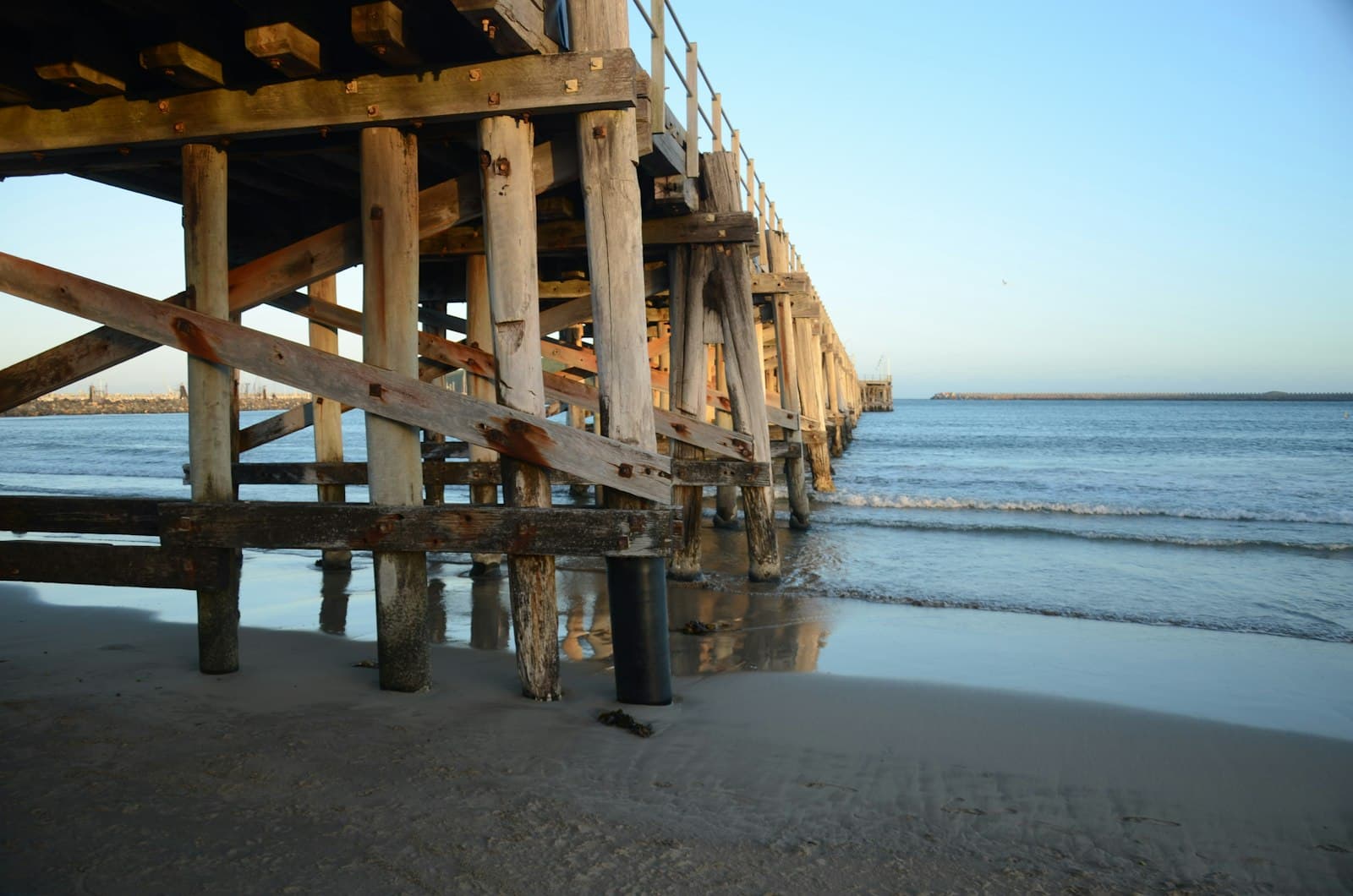
Europese vestiging in het gebied begon in de jaren 1870 en begin 1880, voornamelijk gedreven door de cederhoutindustrie. Houthakkers uit de met ceder overvloedige Bellinger Valley werden aangetrokken tot nieuwe bossen en de belofte van een geschikte haven voor houttransport. De ontdekking van goud in de Orara Valley in 1881 stimuleerde een verdere toestroom van kolonisten. De Coffs Harbour Timber Jetty, voltooid in 1892, werd een cruciaal centrum voor de maritieme houtvaart. Vóór de opening van de spoorlijn North Coast in 1915 diende de kustscheepvaart als de primaire methode voor het transporteren van grote goederen zoals hout.
Tegen de jaren 1930, toen de ceder- en goudreserves afnamen, bloeiden bananenplantages op en werden de hoeksteen van de regionale economie. Coffs Harbour was in 1955 een belangrijk bananenteeltgebied in Australië. Deze agrarische prominentie leidde tot de creatie van de gedenkwaardige Big Banana attractie in 1964, een wegbebakening die de eerste 'big thing' van Australië werd en een symbool van de stad. De spoorlijn North Coast, die Coffs Harbour in 1915 verbond met Sydney en Brisbane, verbeterde het transport van goederen en passagiers aanzienlijk.
Coffs Harbour verkreeg officieel de status van stad in 1987, wat de aanzienlijke demografische groei weerspiegelde en zijn rol als administratief centrum verstevigde. Deze periode zag verhoogde overheidsinvesteringen in stedelijke infrastructuur. De oprichting van een campus van de Southern Cross University in de jaren 1990 transformeerde Coffs Harbour tot een belangrijk onderwijscentrum, dat jongere bevolkingsgroepen aantrok. In de afgelopen decennia is toerisme uitgegroeid tot een steeds belangrijkere industrie voor de stad, die de eerdere afhankelijkheid van hout en landbouw overtreft. De Coffs Coast staat nu bekend om zijn diverse attracties, van het mariene nationale park tot de talrijke nationale parken, en blijft belangrijke evenementen organiseren zoals het Wereldkampioenschap Rally.
Coffs Harbour presenteert een reeks attracties, die kustervaringen combineren met avonturen in het achterland. Voor een weids uitzicht over de kustlijn, de stad en de omliggende bushland, klim naar de Forest Sky Pier bij Sealy Lookout. Dit toegankelijke uitkijkpunt biedt een uitstekende introductie tot het gebied.
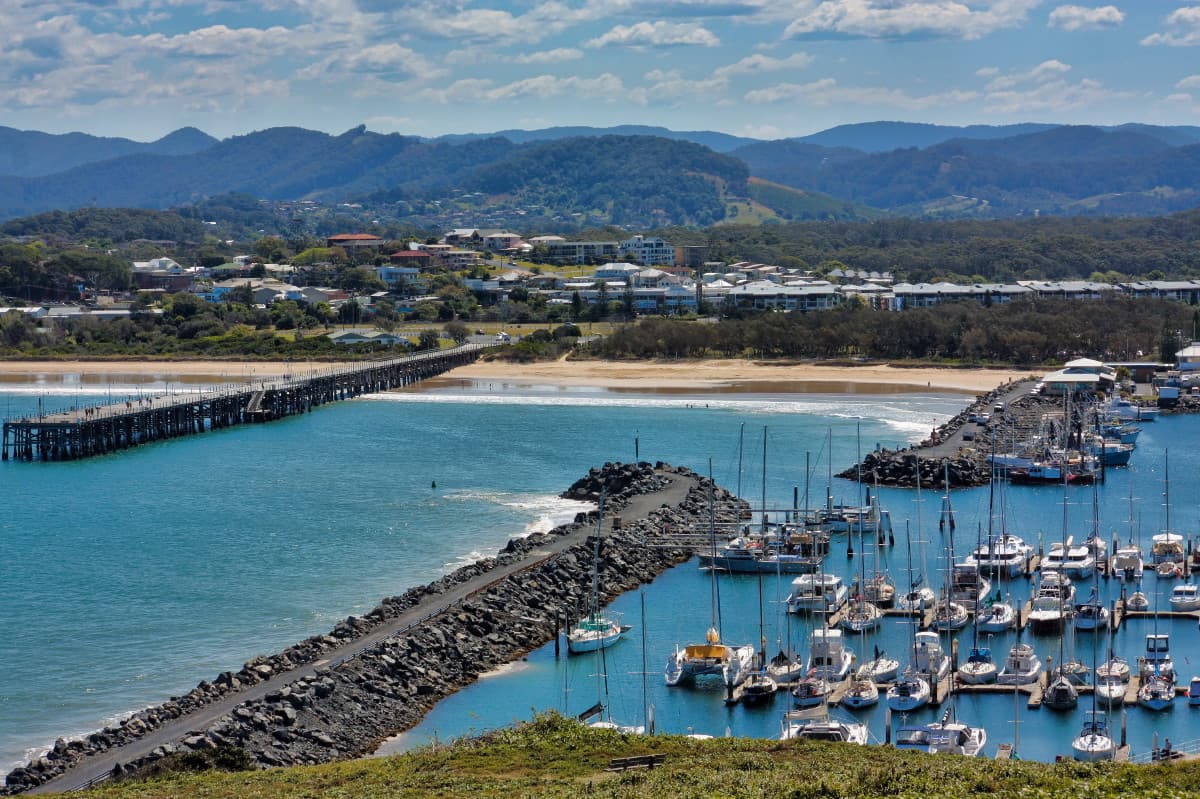
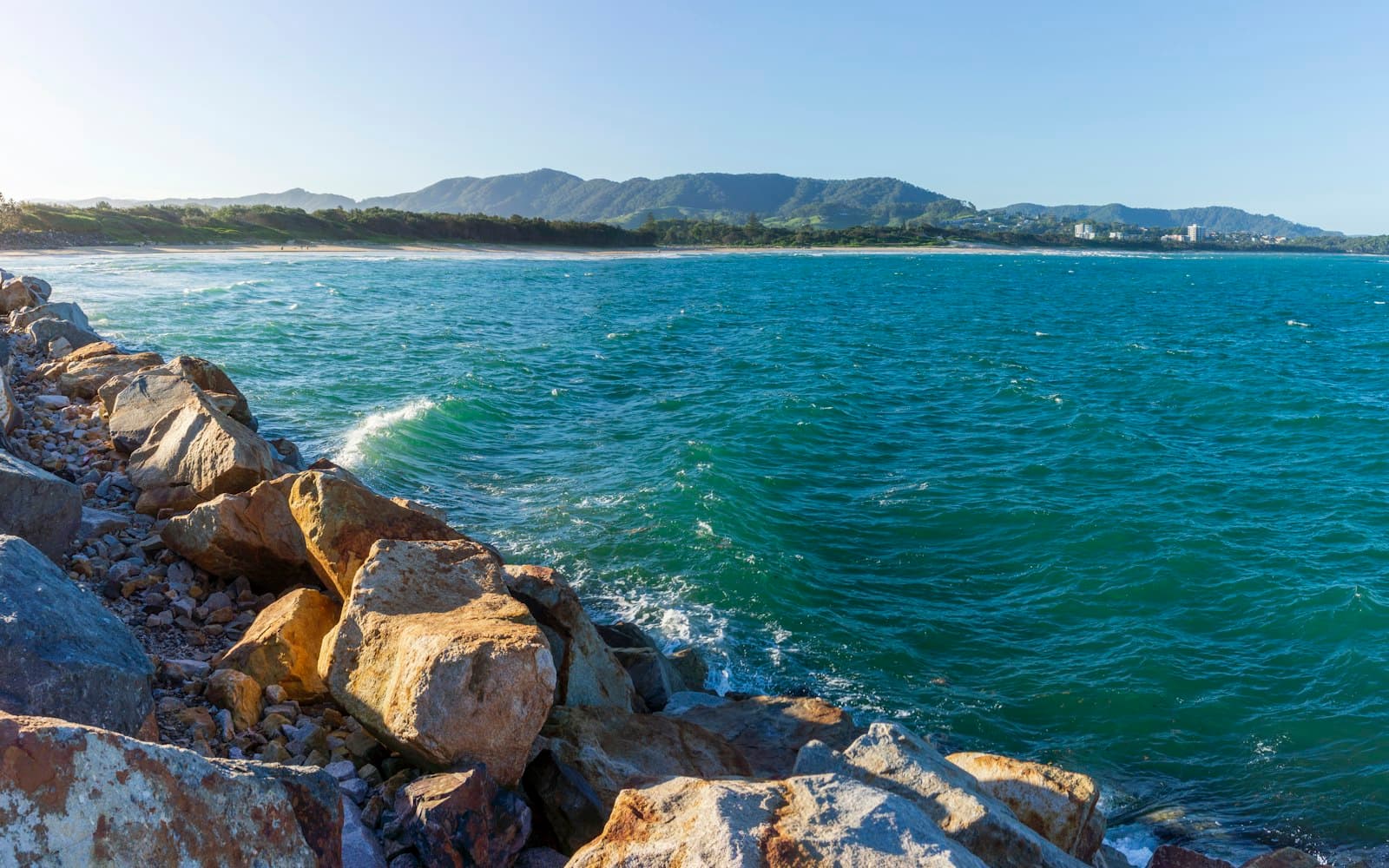
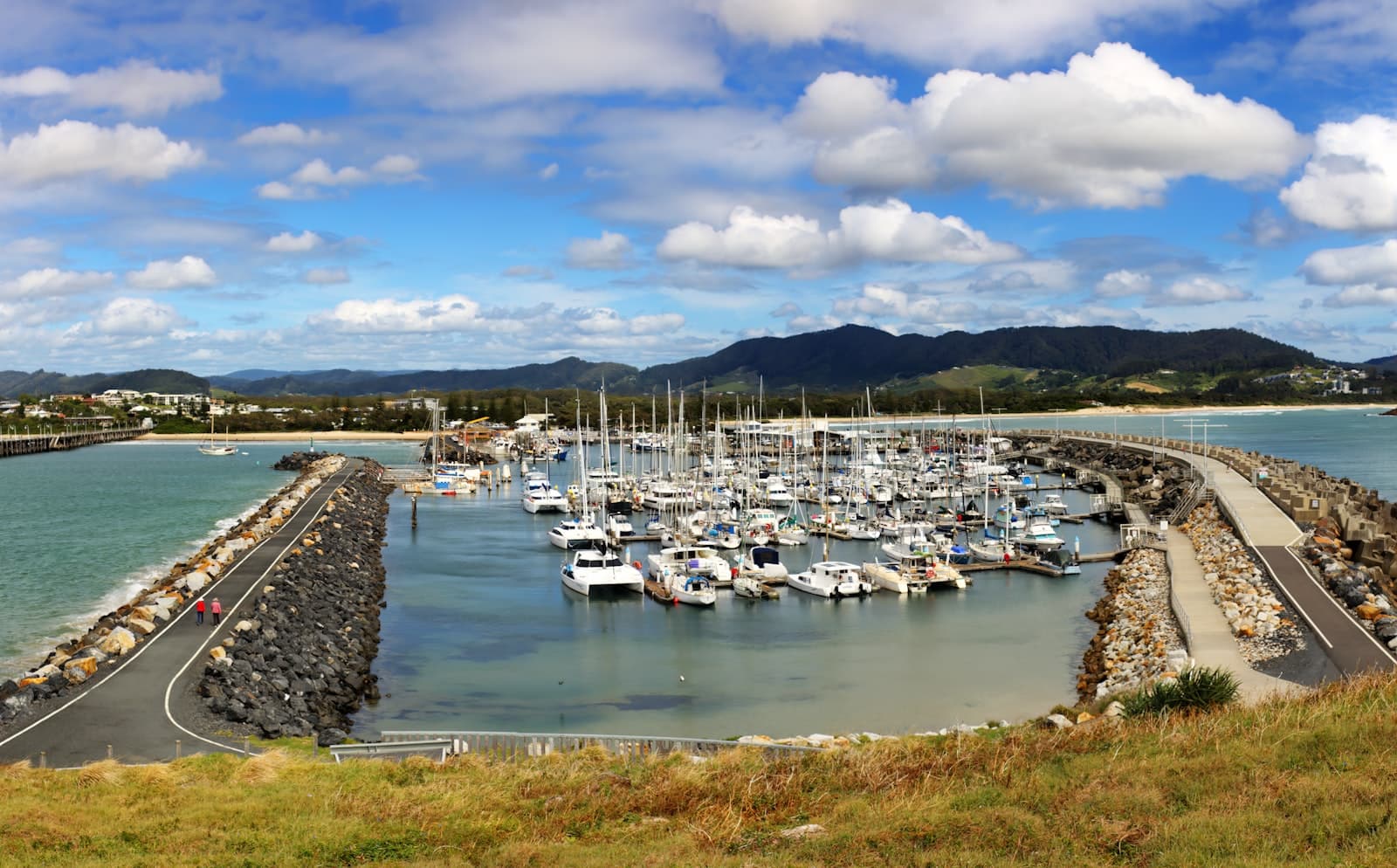
Verken de Coffs Harbour Jetty en het nabijgelegen Muttonbird Island Nature Reserve. De pier is een historisch belangrijke houten aanlegsteiger, en een wandeling langs de golfbreker naar Muttonbird Island biedt uitzicht op de oceaan en het achterland. Van mei tot november is het een uitstekende locatie om bultruggen te observeren tijdens hun migratie. Het eiland is ook een toevluchtsoord voor nestelende pijlstormvogels.
Voor een gezinsvriendelijk uitje biedt The Big Banana Fun Park attracties, een rodelbaan en een kolossale glijbaan. Andere populaire plekken zijn de North Coast Regional Botanic Garden, een rustige oase met diverse plantencollecties en wandelpaden, en de Coffs Creek Walk and Cycleway, een pad van 8,6 kilometer dat het CBD verbindt met verschillende bezienswaardigheden.
Ga landinwaarts naar Dorrigo National Park, onderdeel van het Gondwana Rainforests of Australia World Heritage Area, dat regenwoudwandelingen, watervallen zoals Crystal Shower Falls en de Dorrigo Skywalk uitkijktoren met een adembenemend uitzicht biedt. Stranden zoals Jetty Beach en Park Beach bieden mogelijkheden om te zwemmen en te surfen, waarbij Jetty Beach bijzonder geschikt is voor gezinnen vanwege de beschutte baai. Voor een rustigere strandervaring kunt u Emerald Beach overwegen.
De meest aangename tijd om Coffs Harbour te bezoeken voor buitenactiviteiten bij warm weer is van eind oktober tot half april. Gedurende deze periode kunt u warme dagen verwachten, met gemiddelde maxima rond de 27°C in de zomer (december-februari) en aangename watertemperaturen, perfect om te zwemmen en te snorkelen. De lente (september-november) wordt ook sterk aanbevolen, met lange, warme dagen (21-25°C), lage luchtvochtigheid en minimale regenval, waardoor het ideaal is om zowel stranden als regenwouden te verkennen. Wilde bloemen bloeien in het achterland tijdens de lente, en de stranden zijn minder druk vóór de zomerpiek. Het walvisseizoen loopt van mei tot november. Voor wie op zoek is naar een rustigere ervaring en goede waarde, wordt mei beschouwd als een 'tussenseizoen' zoet punt, met stabiel, zonnig weer en warm water zonder de intense zomerse vochtigheid. De winter (juni-augustus) brengt frisse ochtenden en zonnige middagen, met gemiddelde maxima van 18-19°C, geschikt voor wandelen en walvissen spotten.
Coffs Harbour is bereikbaar per vliegtuig, trein en weg. Coffs Harbour Airport biedt reguliere passagiersvluchten naar Sydney, Melbourne en Brisbane. NSW TrainLink biedt treinverbindingen en er zijn consistente busdiensten beschikbaar. Voor het verkennen van de bredere regio, met name het achterland en afgelegen stranden, is het huren van een auto vaak de meest praktische keuze, waardoor flexibel reizen mogelijk is zonder afhankelijk te zijn van busroosters. Binnen de stad zijn er openbaar vervoersmogelijkheden, maar een auto biedt meer vrijheid.
Accommodatiemogelijkheden variëren van resorts en vakantieparken tot hotels en particuliere verhuur. Bezoekersinformatiepunten zijn beschikbaar in de hele Coffs Coast en bieden persoonlijk advies, brochures en lokale aanbevelingen. Digitale kiosken en de Coffs Coast Explorer App bieden ook waardevolle informatie voor het plannen van uw reis. Bij deelname aan activiteiten zoals duiken, zorg ervoor dat u een bewijs van certificering heeft, aangezien dit vaak vereist is. Inchecken voor de meeste accommodaties is over het algemeen om 15.00 uur, met uitchecken vóór 10.00 uur.
Coffs Harbour — Koreaans, Chinees, Hebreeuws en nog 29 talen, elke stop verteld door een moedertaalspreker. Het grootste taalaanbod van alle zelfgeleide audiotours.
Beschikbaar in: