Rue Saulnier
Avant d'être la capitale d'un spiritueux mondialement connu, Cognac était un centre pour un autre type d'« or blanc ».
L'histoire complète se débloque dans le tour
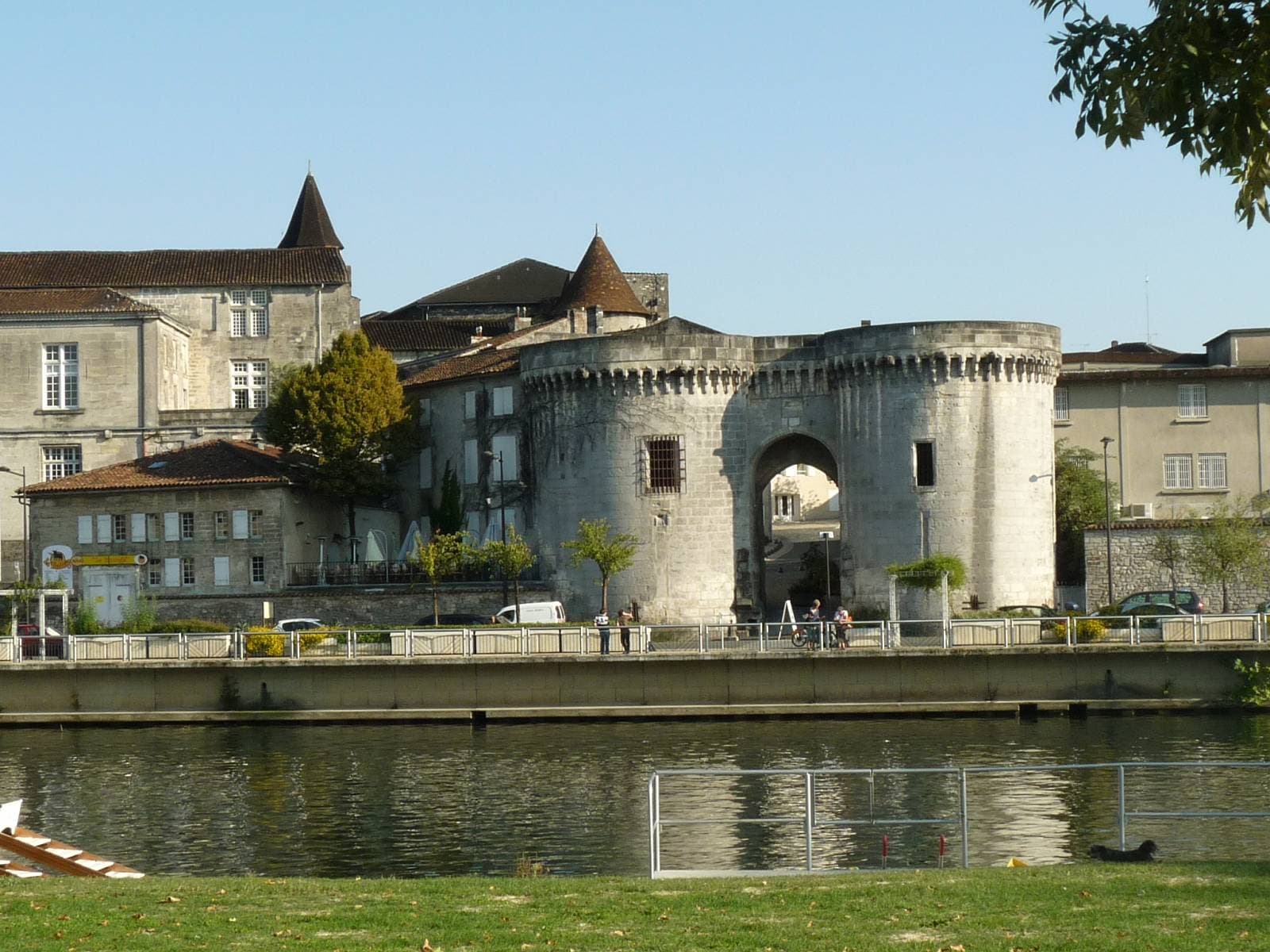 Jack ma / CC BY-SA 3.0, via Wikimedia Commons
Visite audio autoguidée de Cognac — parcours GPS à pied, lecture hors ligne, narration en 32 langues.
“Là où la « part des anges » est bien plus qu'une simple expression.”
Pas les cartes postales. Les histoires que même les habitants ignorent — soufflées à l'oreille, là où elles se sont passées.
Avant d'être la capitale d'un spiritueux mondialement connu, Cognac était un centre pour un autre type d'« or blanc ».
Le lieu de naissance d'un roi de France abrite aujourd'hui un autre type de royauté.
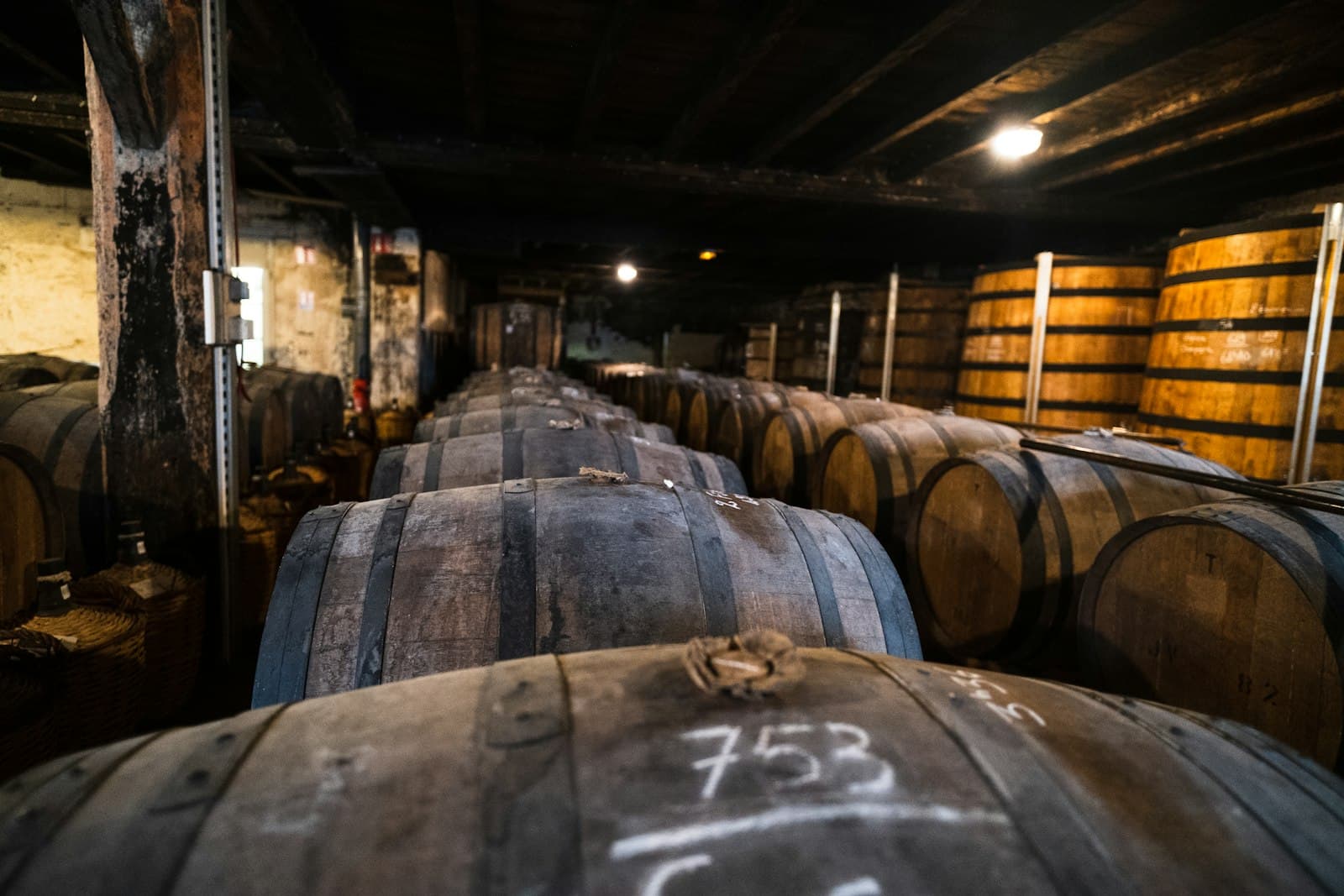
Les murs noirs des chais de Cognac ne sont pas un simple choix esthétique.
Découvrez tous les secrets de Cognac
Chaque adresse, chaque révélation en entier — dans ton oreille, là où elle s'est passée.
Tu choisis tes lieux. Tu marches. La voix te révèle ce que les autres ignorent.

Votre visite audioguidée de Cognac vous attend — choisissez vos lieux, votre langue, et lancez-vous dès votre arrivée.
AcheterLume intègre un guide en réalité augmentée. Levez votre téléphone : sa caméra montre la rue devant vous, avec une flèche lumineuse posée sur l'image réelle qui pointe toujours vers votre prochain arrêt — aucune carte à déchiffrer, aucun mauvais virage. Comme tout dans Lume, ça fonctionne entièrement hors-ligne.
Cognac, ville captivante du sud-ouest de la France, est mondialement reconnue pour l'exquis spiritueux qui porte son nom. Pourtant, la ville offre plus qu'une simple boisson ; c'est une destination qui se révèle riche en histoire, en culture et en paysages pittoresques. Située sur la Charente, Cognac est entourée de vastes vignobles qui produisent le vin blanc essentiel à la distillation. La ville elle-même dévoile un mélange d'architecture médiévale et de grandes maisons de négoce du XVIIIe siècle, invitant les visiteurs à flâner dans ses ruelles pavées et ses promenades au bord de l'eau.
Bien que l'attrait de son célèbre brandy soit indéniable, Cognac offre une riche palette d'expériences au-delà des visites de distilleries et des dégustations. De l'exploration de châteaux historiques et de musées aux croisières fluviales relaxantes sur la Charente, la ville encourage un rythme de découverte plus lent. C'est un lieu où le processus complexe de fabrication du spiritueux s'entremêle avec un profond héritage local, révélant une destination à la fois raffinée et profondément enracinée dans la tradition.
Les origines de Cognac en tant que centre commercial important précèdent son célèbre spiritueux. Au Moyen Âge, la position stratégique de la ville sur la Charente en fit un centre vital pour le commerce du sel. Le sel marin de la côte d'Aunis était transporté à travers Cognac, où les marchands payaient des taxes et échangeaient ensuite librement leur « or blanc ». Cette activité commerciale précoce a jeté les bases de la future prospérité économique de la région.
Le XVIe siècle marqua un tournant décisif pour l'industrie viticole de la région. Les marchands hollandais, qui achetaient fréquemment des vins français, étaient confrontés au problème de la détérioration pendant les longs voyages en mer. Leur solution fut de distiller le vin en eau-de-vie, une forme plus stable et concentrée qu'ils appelaient brandewijn (vin brûlé), l'ancêtre du brandy moderne. Ce processus de distillation initial fut affiné au XVIIe siècle par les distillateurs locaux, qui perfectionnèrent la technique de la double distillation, aboutissant à un spiritueux plus pur et plus aromatique.
Le XVIIIe siècle vit l'établissement formel de nombreuses maisons de Cognac aujourd'hui célèbres, avec Martell fondée en 1715 et Rémy Martin une décennie plus tard. La popularité du spiritueux monta en flèche, particulièrement en Angleterre, entraînant une augmentation de la production et du commerce. Au XIXe siècle, les avancées technologiques permirent d'expédier le Cognac en bouteilles plutôt qu'en fûts, et les entreprises commencèrent à déposer des marques pour leurs produits, augmentant ainsi leur portée mondiale. Cependant, l'industrie connut une grave crise dans les années 1870 avec l'épidémie de phylloxéra, une infestation de pucerons qui dévasta les vignobles à travers l'Europe. La solution impliqua le greffage des vignes sur des porte-greffes américains résistants au parasite, et le cépage Ugni Blanc, connu pour sa forte acidité et sa résistance, devint le cépage dominant utilisé dans la production de Cognac.
Le XXe siècle apporta l'introduction du statut d'Appellation d'Origine Contrôlée (AOC) en 1936, définissant et protégeant légalement les six régions de production traditionnelles de Cognac, ou « crus », garantissant l'authenticité et la qualité du spiritueux. Aujourd'hui, le Cognac reste un symbole du raffinement français, avec 98 % de sa production exportée vers plus de 160 pays chaque année.
Commencez votre exploration dans le centre historique de Cognac, souvent appelé « Vieux Cognac », où l'architecture médiévale se mêle aux grandes demeures marchandes des XVIIe et XVIIIe siècles. Flânez le long des ruelles pavées et découvrez l'église Saint-Léger, datant de 1130, avec sa façade romane et sa remarquable rosace. La Maison de la Lieutenance, une demeure du XVe siècle, offre un aperçu du passé de la ville.
Aucune visite à Cognac n'est complète sans l'expérience de son spiritueux éponyme. Envisagez une visite guidée dans l'une des maisons de Cognac réputées telles que Hennessy, Martell ou Rémy Martin. Ces visites incluent souvent des aperçus du processus de production, des visites des chais de vieillissement et des séances de dégustation. Pour une immersion plus profonde dans l'histoire et le savoir-faire du spiritueux, le Musée des Savoir-Faire du Cognac présente d'anciens alambics, des outils de tonnellerie et la signification culturelle du Cognac.
Faites une promenade tranquille le long des quais de la Charente, où les maisons de négoce historiques bordent le front de mer. Vous pouvez également embarquer pour une croisière fluviale afin d'admirer Cognac sous un angle différent. Le Château de Cognac, lieu de naissance du roi François Ier, propose des visites qui combinent histoire royale et production de cognac. Pour un moment de tranquillité, visitez le Jardin Public, un parc urbain de 7 hectares abritant des fontaines, une orangerie et le magnifique Hôtel de Ville, autrefois l'hôtel Otard de la Grange.
Cognac offre une expérience agréable tout au long de l'année, avec des hivers doux et des étés chauds. La période la plus favorable pour les activités par temps chaud, telles que les visites de vignobles et les croisières fluviales, s'étend de mi-juin à mi-septembre. Juillet et août sont les mois les plus animés, coïncidant souvent avec des festivals comme le Cognac Blues Passions Festival. L'automne, en particulier septembre et octobre, est la période des vendanges, offrant un paysage pittoresque avec des vignobles dorés et la cueillette des raisins en plein essor. La saison de distillation débute en octobre et se poursuit jusqu'en février, offrant une occasion unique d'assister à l'alchimie de la production des spiritueux.
Cognac est facilement accessible en train ou en voiture. Il faut environ 2 heures en train depuis Bordeaux et environ 3,5 heures depuis Paris en train. Bien que le centre-ville soit praticable à pied, l'exploration de la région de Cognac et de ses vignobles bénéficie souvent d'une voiture ou d'un vélo. L'office de tourisme local peut fournir des informations sur les visites et activités, y compris celles des petites distilleries familiales.
Lors de la visite des distilleries, il est conseillé de réserver les visites guidées à l'avance, surtout en haute saison. De nombreuses visites se terminent par une dégustation, offrant l'occasion de goûter différentes expressions de Cognac. Au-delà du spiritueux, la région propose une cuisine locale, notamment les melons charentais et les huîtres de Marennes, qui peuvent être accompagnés de Cognac. Le Pineau des Charentes local, un vin fortifié, est également un apéritif populaire à essayer.
Cognac en coréen, en chinois ou en hébreu — et dans 29 autres langues, chaque étape narrée par une voix native. La plus large gamme de langues de tous les audioguides autoguidés.
Disponible en :