Conwy Castle
Der Bau von Conwy Castle beinhaltete eine unerwartete Verlegung, bevor ein einziger Stein gelegt wurde.
Die ganze Geschichte wird in der Tour freigeschaltet
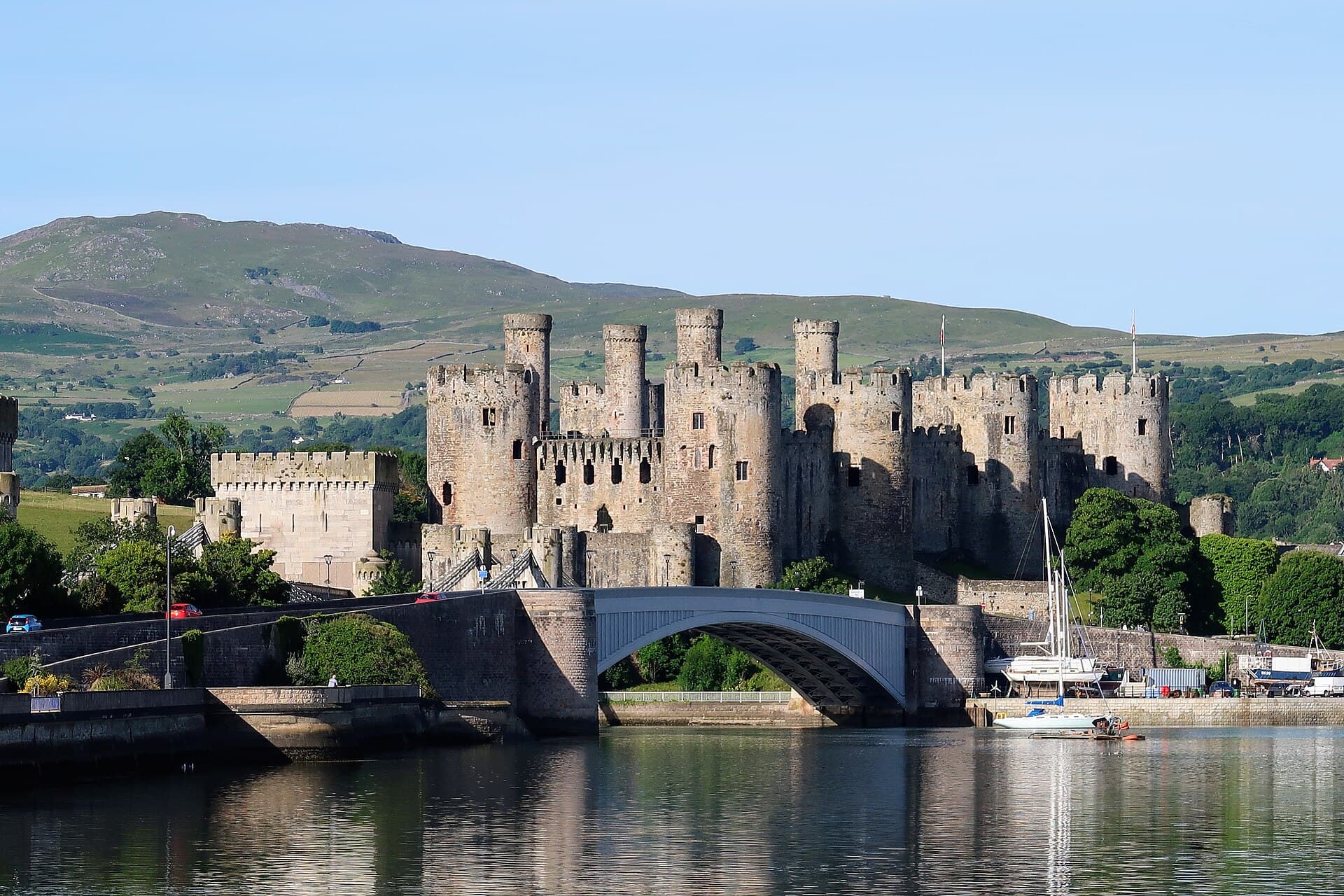 Andrew Woodvine / CC BY-SA 2.0, via Wikimedia Commons
Selbstgeführte Audio-Walking-Tour durch Conwy — GPS-Route, Offline-Wiedergabe, erzählerische Narration in 32 Sprachen.
“Jenseits der imposanten Mauern schlägt ein mittelalterliches Herz mit Geschichten von Königen, Rebellen und dem in Stein gemeißelten Alltag.”
Nicht die Postkarten. Die Geschichten, die selbst Einheimische nicht kennen – dir ins Ohr geflüstert, genau dort, wo sie geschahen.
Der Bau von Conwy Castle beinhaltete eine unerwartete Verlegung, bevor ein einziger Stein gelegt wurde.
Dieses winzige rote Haus am Kai beherbergte einst einen Bewohner, für den es buchstäblich eine enge Angelegenheit war.
Thomas Telfords innovative Hängebrücke über den Fluss Conwy hat eine überraschende Verbindung zur benachbarten mittelalterlichen Burg.
Entdecke jedes Geheimnis von Conwy
Jede Adresse, jede Enthüllung vollständig – in deinem Ohr, genau dort, wo es geschah.
Du wählst deine Stationen. Du gehst. Die Stimme enthüllt, was andere übersehen.

Deine selbstgeführte Audio-Tour durch Conwy ist bereit – wähle deine Sehenswürdigkeiten, deine Sprache und starte, sobald du ankommst.
KaufenLume enthält einen integrierten Augmented-Reality-Guide. Halten Sie Ihr Handy hoch: Die Kamera zeigt die Straße vor Ihnen, mit einem leuchtenden Pfeil über dem echten Bild, der immer auf Ihren nächsten Stopp zeigt — keine Karte zum Rätseln, keine falschen Abzweigungen. Wie alles bei Lume funktioniert es komplett offline.
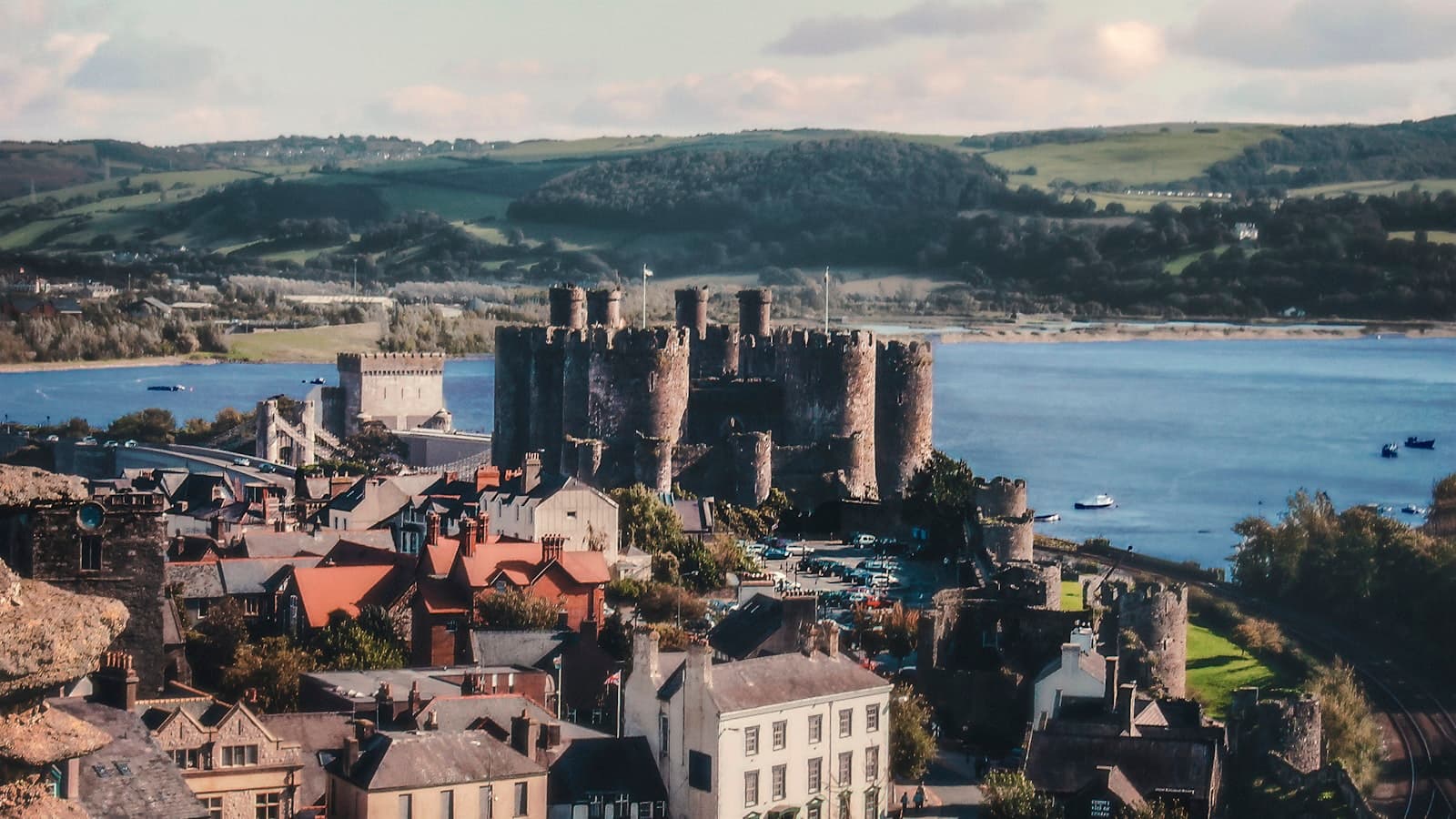
Conwy, eine mittelalterliche Stadt an der Nordküste von Wales, ist ein UNESCO-Weltkulturerbe, das für seine bemerkenswert gut erhaltene Burg und Stadtmauern aus dem 13. Jahrhundert bekannt ist. Die Stadt liegt an der Mündung der Conwy-Mündung und bietet eine faszinierende Mischung aus antiker Architektur, malerischen Hafenansichten und walisischem Charakter. Ihre engen, oft steingepflasterten Straßen laden zur Erkundung ein, alles unter dem wachsamen Blick der imposanten Conwy Castle.
Jenseits der ehrfurchtgebietenden Festung bietet Conwy eine lebhafte Uferpromenade, eine Hauptstraße mit unabhängigen Geschäften und eine freundliche Atmosphäre, die Besucher anzieht, die einen Einblick in das mittelalterliche Leben neben modernen Annehmlichkeiten suchen. Die Stadt dient als ausgezeichneter Ausgangspunkt für die Erkundung der weiteren Region Nordwales, einschließlich der dramatischen Landschaften des Snowdonia-Nationalparks.
Von seinen historischen Wahrzeichen bis zu seinen einzigartigen lokalen Attraktionen bietet Conwy ein unvergessliches Erlebnis für Geschichtsinteressierte, Familien und diejenigen, die Küstenschönheit und walisische Kultur schätzen.
## Der eiserne Ring und königlicher Ehrgeiz Conwy Castle und seine dazugehörigen Stadtmauern wurden zwischen 1283 und 1287 im Auftrag von König Edward I. von England als entscheidender Teil seiner Eroberung von Wales erbaut. Der leitende Baumeister James of St. George beaufsichtigte das ehrgeizige Projekt, das in bemerkenswert schnellen vier Jahren abgeschlossen wurde. Die Burg und die Stadtmauern kosteten zu dieser Zeit immense 15.000 Pfund, was heute Dutzenden von Millionen Pfund entspricht, und machten sie zu einer der teuersten Burgen, die in dieser Ära je gebaut wurden.
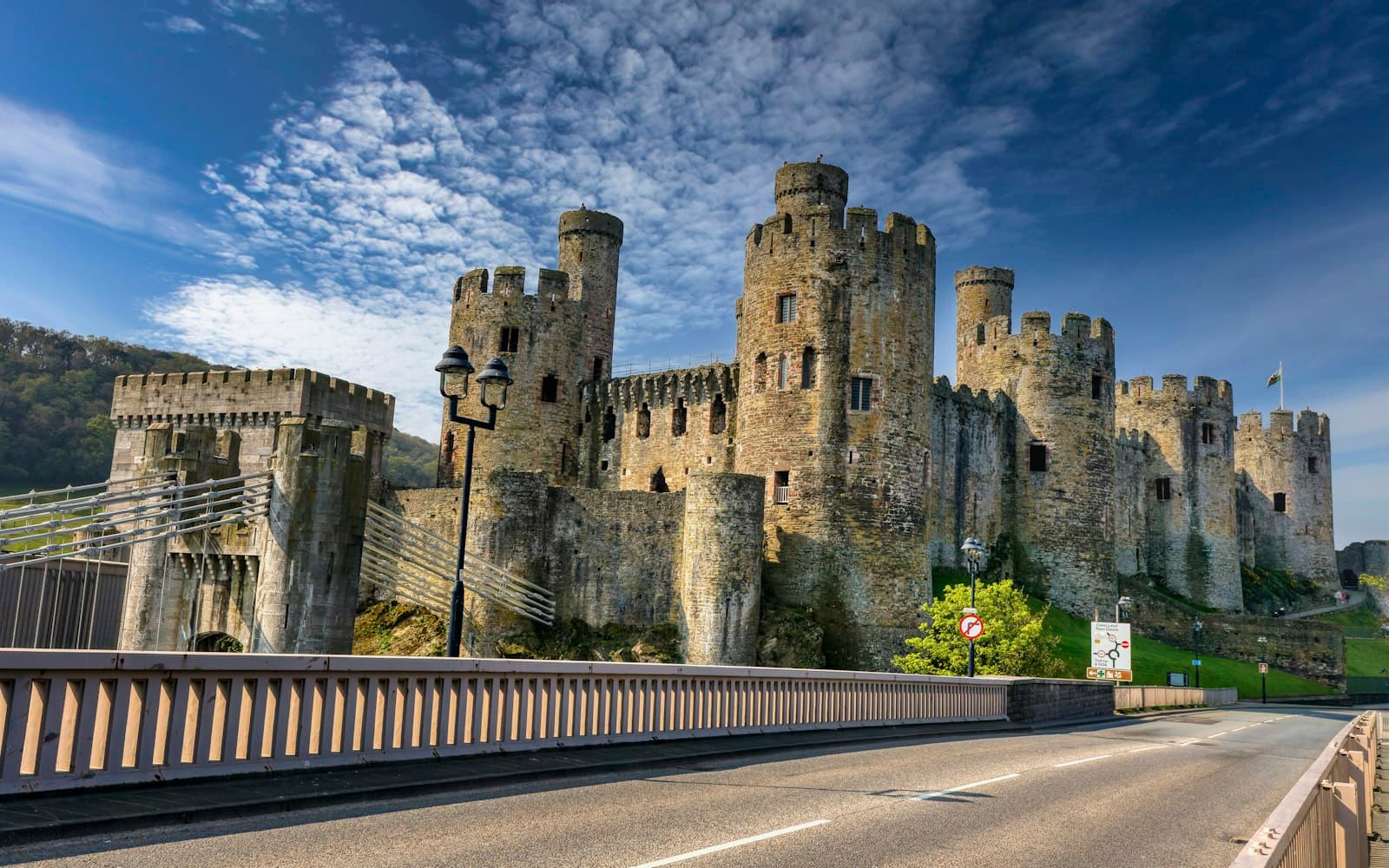
Die Festung wurde strategisch auf einem Felsvorsprung mit Blick auf den Fluss Conwy platziert, mit einem geschützten Hafen zu ihren Füßen, der die Versorgung über das Meer ermöglichte. Die Burg war als zwei getrennte, separat zu verteidigende Höfe konzipiert und verfügte über acht massive Türme und hohe Kurtinen, die die englische Macht und Kontrolle über die walisische Bevölkerung demonstrieren sollten.
## Belagerungen, Königtum und Ruin Im Laufe der Jahrhunderte spielte Conwy Castle eine bedeutende Rolle in mehreren Konflikten. Es widerstand erfolgreich einer Belagerung durch Madog ap Llywelyn während einer walisischen Rebellion in den Jahren 1294–95. Im Jahr 1399 bot es König Richard II. vor seiner Gefangennahme in Flint Castle vorübergehend Zuflucht. Ein kühner Akt der Rebellion führte dazu, dass die Burg 1401 von den Cousins von Owain Glyndŵr, Rhys und Gwilym ap Tudur, eingenommen wurde, die angeblich als Zimmerleute eingedrungen und die Festung drei Monate lang besetzt hielten.
Während des englischen Bürgerkriegs in den 1640er Jahren wurde Conwy Castle von royalistischen Truppen gehalten, ergab sich aber schließlich 1646 den parlamentarischen Armeen. Nach seiner Einnahme beschädigte das Parlament die Burg teilweise, um ihre zukünftige militärische Nutzung zu verhindern, und bis 1665 wurden ihr verbliebenes Eisen und Blei abgebaut und verkauft, wodurch sie zur Ruine wurde. Die Burgruinen wurden im späten 18. und frühen 19. Jahrhundert zu einem beliebten Motiv für Künstler, was in der zweiten Hälfte des 19. Jahrhunderts zu ersten Restaurierungsarbeiten führte. 1986 wurde Conwy Castle zum UNESCO-Weltkulturerbe erklärt und als eines der schönsten Beispiele spätmittelalterlicher Militärarchitektur des 13. und frühen 14. Jahrhunderts in Europa anerkannt. Es wird jetzt von Cadw, der walisischen Denkmalbehörde, verwaltet und ist das ganze Jahr über für Besucher geöffnet.
Conwy bietet innerhalb seiner mittelalterlichen Mauern eine Fülle von Sehenswürdigkeiten. Das unbestrittene Herzstück ist Conwy Castle, ein UNESCO-Weltkulturerbe, wo Sie seine acht Türme erkunden und entlang der Zinnen spazieren können, um weite Ausblicke auf die Stadt, den Hafen und die Carneddau-Bergkette zu genießen, die in den Snowdonia-Nationalpark führt.
Umrunden Sie die Stadt auf den bemerkenswert intakten Conwy Town Walls, die sich über etwa 1,3 Kilometer erstrecken und 21 Türme und drei Tore aufweisen. Dieser Spaziergang bietet eine einzigartige Perspektive auf Conwys Aufbau und seine historischen Verteidigungsanlagen.
Am Kai entdecken Sie The Smallest House in Great Britain (Das kleinste Haus Großbritanniens), ein markantes rotes Gebäude, das nur 3,05 Meter hoch und 1,83 Meter breit ist. Sie können hineingehen und seine Geschichte erfahren.
Neben der Burg ist die Conwy Suspension Bridge, entworfen von Thomas Telford und 1826 eröffnet, eine der ersten Straßenhängebrücken der Welt und heute eine Fußgängerbrücke. Für einen Einblick in das elisabethanische Leben besuchen Sie Plas Mawr, das als das am besten erhaltene elisabethanische Stadthaus Großbritanniens gilt, mit seinen kunstvollen Stuckarbeiten.
Weitere bemerkenswerte Sehenswürdigkeiten sind Aberconwy House, ein Kaufmannshaus aus dem 14. Jahrhundert, und der lebhafte Conwy Quay, wo Sie Fischerboote beobachten und die Atmosphäre am Wasser genießen können.
Conwy hat ein gemäßigtes Meeresklima mit milden Temperaturen das ganze Jahr über und ohne extreme Hitze oder strenge Fröste. Das angenehmste Wetter mit angenehmen Temperaturen und weniger Niederschlag tritt im Allgemeinen von Juni bis September auf. Juli und August sind die wärmsten Monate mit durchschnittlichen Tageshöchstwerten von etwa 17-19°C, aber auch die geschäftigsten für den Tourismus. Der Frühling (März-Mai) bringt blühende Wildblumen und Bäume mit kühleren Temperaturen und weniger Menschenmassen, was ihn ideal zum Wandern macht. Der Herbst (September-November) bietet wunderschöne Herbstfarben und den Beginn der Conwy-Muschelsaison, wobei die Unterkunftspreise nach dem Sommer sinken.
Conwy ist eine kompakte Stadt, die leicht zu Fuß erkundet werden kann, wobei die meisten wichtigen Sehenswürdigkeiten wie die Burg, der Hafen und die Stadtmauern nur einen kurzen Spaziergang entfernt sind. Für Reisen weiter weg verbinden lokale Busdienste Conwy mit nahegelegenen Städten wie Llandudno und Betws-y-Coed. Conwy ist über die Autobahn A55 gut angebunden und verfügt über regelmäßige Zugverbindungen auf der Strecke Chester nach Holyhead mit Direktzügen von London Euston zum nahegelegenen Llandudno Junction. Mietwagen sind für diejenigen verfügbar, die die weitere Snowdonia-Region erkunden möchten. Das Wetter in Conwy kann wechselhaft sein, daher werden Schichtkleidung, eine wasserdichte Jacke und bequeme Wanderschuhe empfohlen.
Conwy — Koreanisch, Chinesisch, Hebräisch und 29 weitere Sprachen, jede Station von einer muttersprachlichen Stimme erzählt. Die größte Sprachauswahl aller selbstgeführten Audiotouren.
Verfügbar auf: