Otesaga Hotel
Ein prächtiges Hotel am Seeufer in Cooperstown ist bekannt für mehr als nur seine elegante Fassade und seinen historischen Charme.
Die ganze Geschichte wird in der Tour freigeschaltet
 U.S. Navy photo by Mass Communication Specialist 1st Class Kevin C. Leitner / public domain, via Wikimedia Commons
Selbstgeführte Audio-Walking-Tour durch Cooperstown — GPS-Route, Offline-Wiedergabe, erzählerische Narration in 32 Sprachen.
“Jenseits des Spielfelds entfaltet sich eine zeitlose amerikanische Geschichte.”
Nicht die Postkarten. Die Geschichten, die selbst Einheimische nicht kennen – dir ins Ohr geflüstert, genau dort, wo sie geschahen.
Ein prächtiges Hotel am Seeufer in Cooperstown ist bekannt für mehr als nur seine elegante Fassade und seinen historischen Charme.
Diese beeindruckende neoklassizistische Villa, eine nationale historische Stätte, birgt ein Gelübde aus ihrer Vergangenheit, das noch immer durch ihre Hallen hallt.
Selbst die verehrten Hallen, die dem amerikanischen Zeitvertreib gewidmet sind, bergen Geschichten, die über die größten Legenden des Spiels hinausgehen.
Entdecke jedes Geheimnis von Cooperstown
Jede Adresse, jede Enthüllung vollständig – in deinem Ohr, genau dort, wo es geschah.
Du wählst deine Stationen. Du gehst. Die Stimme enthüllt, was andere übersehen.
Deine selbstgeführte Audio-Tour durch Cooperstown ist bereit – wähle deine Sehenswürdigkeiten, deine Sprache und starte, sobald du ankommst.
KaufenLume enthält einen integrierten Augmented-Reality-Guide. Halten Sie Ihr Handy hoch: Die Kamera zeigt die Straße vor Ihnen, mit einem leuchtenden Pfeil über dem echten Bild, der immer auf Ihren nächsten Stopp zeigt — keine Karte zum Rätseln, keine falschen Abzweigungen. Wie alles bei Lume funktioniert es komplett offline.
Cooperstown, New York, ist ein Dorf, in dem der Geist des amerikanischen Zeitvertreibs spürbar ist, doch sein Reiz reicht weit über das Baseballfeld hinaus. Dieses Dorf, vor der ruhigen Kulisse des Otsego Lake gelegen, bietet eine Reise in eine Landschaft, in der Geschichte nicht nur erzählt, sondern gefühlt wird. Es ist ein Ort, an dem die Pracht der Architektur des 19. Jahrhunderts auf die stille Schönheit des Upstate New York trifft und zur Erkundung sowohl seiner gefeierten Institutionen als auch seiner ruhigen natürlichen Umgebung einlädt.
Das Dorf entfaltet sich mit unaufdringlicher Eleganz, seine Straßen gesäumt von Gebäuden, die Geschichten aus früheren Zeiten erzählen. Von der Stille seiner Wohngegenden bis zum sanften Treiben rund um seine Hauptattraktionen bewahrt Cooperstown eine einladende Atmosphäre. Es ist ein Reiseziel, das zum Verweilen einlädt, sei es am Ufer des Sees, in den Hallen seiner Museen oder in der friedlichen Umarmung seiner Parks, und bietet eine Zuflucht vor dem hektischen Tempo des modernen Lebens.
Die Geschichte von Cooperstown beginnt mit William Cooper, dem Vater des gefeierten Romanautors James Fenimore Cooper. William Cooper kaufte 1785 ein riesiges Stück Land und gründete die Siedlung, die seinen Namen tragen sollte. Der ältere Cooper war maßgeblich an der Gestaltung des frühen Dorfes beteiligt und stellte sich eine blühende Gemeinde am Fuße des Otsego Lake vor. Sein Einfluss legte den Grundstein für die Entwicklung des Dorfes, zog Siedler an und förderte sein anfängliches Wachstum.
James Fenimore Cooper, obwohl nicht in Cooperstown geboren, verbrachte einen Großteil seiner Kindheit und späteren Jahre hier. Die Landschaft und die aufkeimende amerikanische Identität der Region beeinflussten seine literarischen Werke tiefgreifend, insbesondere die 'Lederstrumpf-Erzählungen'. Seine Romane, zu denen auch 'Der letzte Mohikaner' gehört, bezogen ihre Inspiration aus der Wildnis rund um den Otsego Lake und webten Erzählungen, die Themen des Frontier-Lebens, der Natur und des Kulturkonflikts untersuchten. Seine Anwesenheit festigte Cooperstowns Platz in der amerikanischen Literaturgeschichte und verband das Dorf mit einer Gründungsperiode des nationalen Geschichtenerzählens.
Cooperstowns vielleicht beständigster Ruhm ist seine Verbindung zum Baseball. Während die genauen Ursprünge des Spiels umstritten sind, wurde das Dorf zum symbolischen Zuhause des amerikanischen Zeitvertreibs mit der Gründung der National Baseball Hall of Fame and Museum im Jahr 1939. Diese Institution zementierte Cooperstowns Identität als Pilgerstätte für Baseball-Enthusiasten und zog Besucher aus aller Welt an, um die Legenden und die Geschichte des Sports zu feiern. Die Präsenz des Museums hat die Wirtschaft und die Kulturlandschaft des Dorfes tiefgreifend geprägt und sein Schicksal mit dem Gefüge des amerikanischen Sports verknüpft.
Neben dem Baseball entwickelte sich Cooperstown im 19. und frühen 20. Jahrhundert zu einer Kurstadt, die Besucher zur ruhigen Schönheit des Otsego Lake zog. Große Hotels und Anwesen wurden gebaut, um diejenigen zu beherbergen, die Erholung und Freizeit suchten. Institutionen wie das Fenimore Art Museum und The Farmers' Museum entstanden und bewahrten und präsentierten Aspekte der amerikanischen Kunst und des ländlichen Lebens. Diese kulturellen Anker, zusammen mit dem natürlichen Reiz des Sees und der umliegenden Landschaft, stellen sicher, dass Cooperstown ein facettenreiches Erlebnis bietet, das zur Erkundung seines künstlerischen, landwirtschaftlichen und natürlichen Erbes einlädt.
Beginnen Sie Ihre Erkundung in der National Baseball Hall of Fame and Museum, einem Ort, der die Legenden des amerikanischen Zeitvertreibs ehrt. Schlendern Sie durch Ausstellungen, die die Entwicklung des Baseballs von seinen Anfängen bis zu den heutigen Helden dokumentieren.
Besuchen Sie das Fenimore Art Museum, das eine beeindruckende Sammlung amerikanischer Kunst beherbergt, darunter Volkskunst, indianische Kunst und amerikanische Landschaftsmalerei des 19. Jahrhunderts. Daneben bietet The Farmers' Museum einen Einblick in das ländliche Leben des 19. Jahrhunderts mit historischen Gebäuden und Vorführungen traditioneller Handwerkskunst.
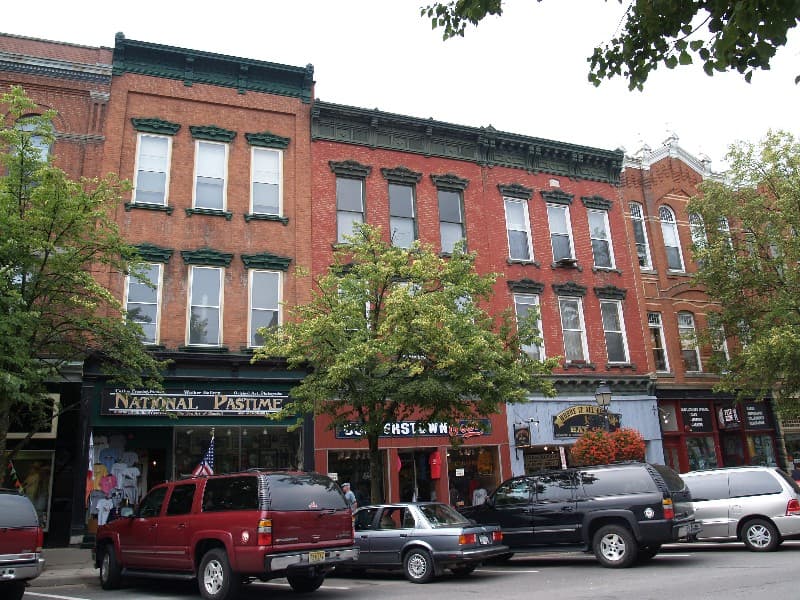
Machen Sie einen Spaziergang entlang des Ufers des Otsego Lake, der in den Romanen von James Fenimore Cooper oft als 'Glimmerglass' bezeichnet wird. Erwägen Sie eine Bootstour oder genießen Sie einfach die friedliche Aussicht. Erkunden Sie die Hauptstraße des Dorfes mit ihren lokalen Geschäften und Restaurants, die einen Eindruck vom Gemeinschaftsgeist Cooperstowns vermitteln. Für einen tieferen Einblick in die lokale Geschichte präsentiert der Cooperstown Historic District eine Sammlung gut erhaltener Architektur aus dem 19. Jahrhundert.
Der späte Frühling bis zum frühen Herbst bietet das angenehmste Wetter für Erkundungen in Cooperstown, mit warmen Tagen, die ideal für Seeaktivitäten und Spaziergänge im Freien sind. Der Sommer bringt die Aufregung der Baseballsaison und verschiedene Festivals. Für weniger Andrang und die Schönheit der wechselnden Blätter sollten Sie einen Besuch im frühen Herbst in Betracht ziehen. Der Winter verwandelt das Dorf in eine ruhige, malerische Szene und spricht diejenigen an, die eine friedliche Zuflucht suchen.
Cooperstown ist hauptsächlich mit dem Auto erreichbar, wobei malerische Routen ins Dorf führen. Während die öffentlichen Verkehrsmittel im Dorf begrenzt sind, macht seine kompakte Größe das Gehen zu einer angenehmen Art, sich zu den Hauptattraktionen zu bewegen. Die Unterkünfte reichen von historischen Gasthöfen und Bed & Breakfasts bis hin zu Seeresorts, daher ist eine Vorausbuchung ratsam, insbesondere während der Hauptsaison. Die gastronomischen Angebote umfassen zwanglose Cafés und gehobenere Restaurants, viele davon mit lokal bezogenen Zutaten. Denken Sie daran, die Öffnungszeiten der Museen und Attraktionen zu überprüfen, da diese saisonal variieren können.
Cooperstown — Koreanisch, Chinesisch, Hebräisch und 29 weitere Sprachen, jede Station von einer muttersprachlichen Stimme erzählt. Die größte Sprachauswahl aller selbstgeführten Audiotouren.
Verfügbar auf: