Nyhavn Canal
The colorful facades of Nyhavn are iconic, but the canal's origins were far from picturesque.
Full story unlocks in the tour
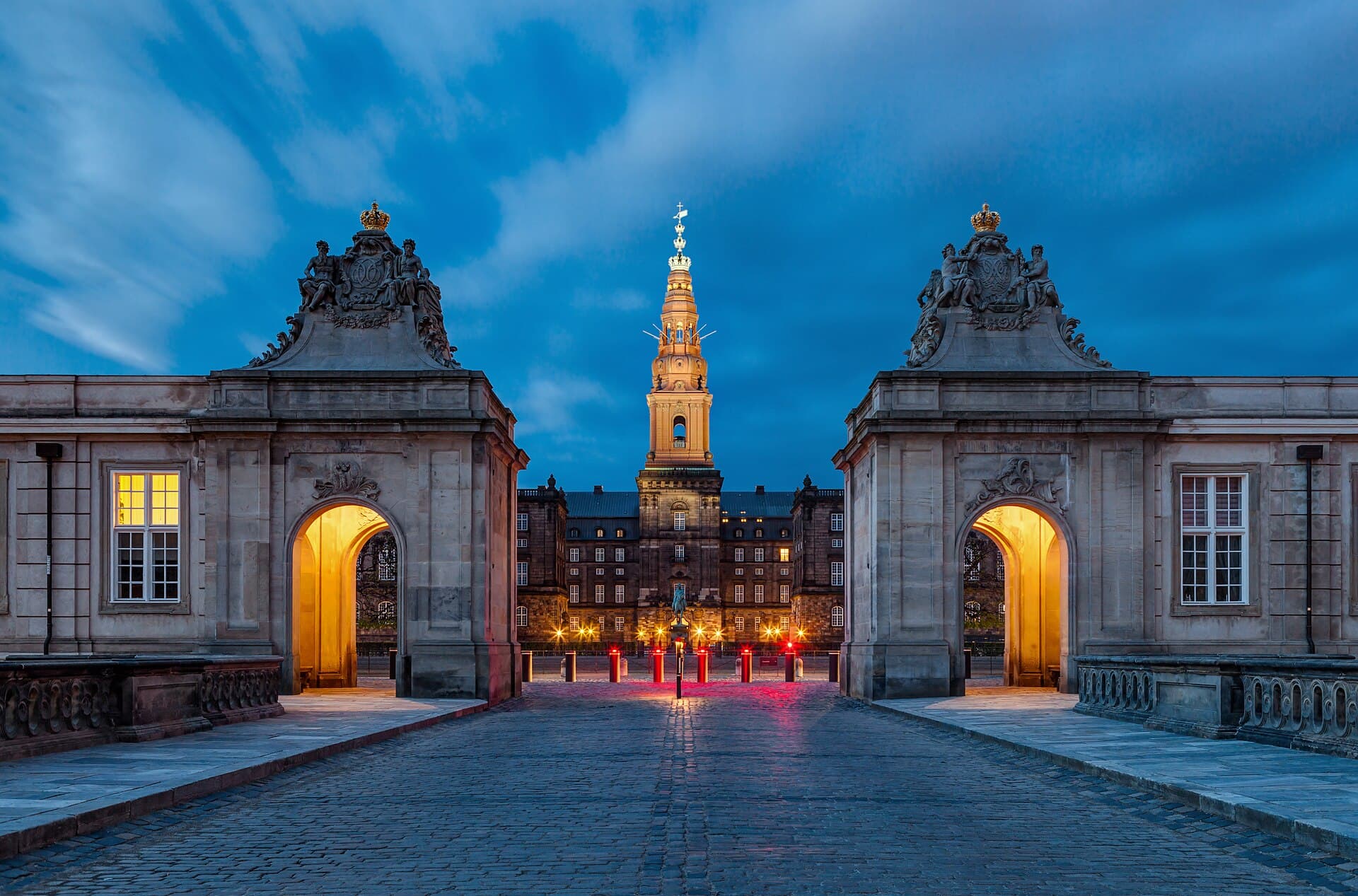 Moahim / CC BY-SA 4.0, via Wikimedia Commons
“Where historic canals meet modern design, and everyday life is a masterclass in 'hygge'.”
Not the postcards. The stories even locals don't know — whispered in your ear, right where they happened.
The colorful facades of Nyhavn are iconic, but the canal's origins were far from picturesque.
Walt Disney's vision for Disneyland was sparked by an unexpected source in Copenhagen.
Copenhagen's famous Little Mermaid has faced more drama than her fairytale counterpart.
Discover every secret of Copenhagen
Every address, every reveal in full — in your ear, right where it happened.
You pick your stops. You walk. The voice reveals what the others miss.
No tours available yet. Check back soon — we're preparing them.
Copenhagen, the capital of Denmark, is a city where historic charm seamlessly blends with contemporary design and a pervasive sense of 'hygge' – the Danish concept of coziness and contentment. From its origins as a humble fishing village, Copenhagen has evolved into a thriving metropolis, consistently ranked among the happiest and safest cities in the world. Its compact size makes it ideal for exploration, whether on foot, by boat through its clean canals, or, most notably, by bicycle, embracing the city's renowned cycling culture.
Water plays a fundamental role in Copenhagen's identity, with canals weaving through historic districts and a harbor so clean that locals swim in it during warmer months. The city offers a range of experiences, from the whimsical allure of Tivoli Gardens to the colorful waterfront of Nyhavn and the stately grandeur of its royal palaces. Beyond its appealing aesthetics, Copenhagen is a leader in sustainability and culinary innovation, with a flourishing New Nordic cuisine scene. It’s a city that invites visitors to slow down, embrace its unique rhythm, and discover the understated elegance that defines Danish living.
The history of Copenhagen stretches back to the 11th century, when it was a small settlement known as 'Havn,' meaning 'harbor.' Its strategic location on the Øresund Strait, a crucial chokepoint for trade between the Baltic and North Seas, quickly elevated its importance. In 1167, Bishop Absalon of Roskilde built a fortified castle on the islet of Slotsholmen to protect the burgeoning trading post from pirates, a date often considered the city's official founding. This act marked a significant turning point, and the settlement soon adopted the name Købmandshavn, or 'Merchants' Harbor,' which eventually became København (Copenhagen).
By the 13th century, Copenhagen had grown into a significant trading center, receiving its city charter in 1254. Despite repeated attacks by the powerful Hanseatic League, the city continued to prosper. In 1416, King Eric of Pomerania moved the royal residence to Copenhagen Castle, solidifying the city's status as the capital of Denmark. The 15th century also saw the founding of the University of Copenhagen in 1479 by King Christian I, establishing it as an educational hub and one of Northern Europe's oldest universities.
The reign of Christian IV (1588-1648) was a period of significant expansion and architectural development. He commissioned German and Dutch architects to construct magnificent buildings, many of which still define Copenhagen's cityscape, including Rosenborg Castle and the Børsen (Stock Exchange). Christian IV also oversaw major urban planning projects, such as the creation of the Christianshavn district with its distinctive canals, designed for both fortification and trade. By his death in 1648, Copenhagen had become Denmark's principal fortification, naval port, and a vital center of trade in Northern Europe.
The 18th century brought challenges, including the bubonic plague in 1711, which claimed a third of the population, and devastating fires in 1728 and 1795 that destroyed much of the medieval city. However, Copenhagen rebuilt and continued to evolve, experiencing economic development and civic improvements in the 19th century. The removal of the city ramparts in 1856 allowed for significant urban expansion. Through centuries of power struggles, wars, and rebuilding, Copenhagen transformed from a fortified trading post into the lively, modern capital it is today.
Begin your exploration at Nyhavn, the iconic 17th-century harbor known for its colorful townhouses and historic wooden ships. Take a canal tour from here to see the city from a unique perspective, passing by landmarks like the Black Diamond Royal Library and the Copenhagen Opera House. Just a short walk away, you'll find Amalienborg Palace, the winter residence of the Danish Royal Family, where you can witness the changing of the guard daily at noon. For a taste of royal history, visit Rosenborg Castle, a 17th-century Renaissance castle housing the Crown Jewels.
To experience Copenhagen's enduring appeal, visit Tivoli Gardens, the world's second-oldest operating amusement park. Its charming gardens, classic rides, and diverse entertainment create a magical experience, especially in the evenings when illuminated. For art and design enthusiasts, the Designmuseum Danmark offers a comprehensive look at Danish design and innovation, while the National Museum of Denmark provides a deep dive into the country's extensive history, including Viking artifacts. Wander through the Botanical Gardens, a tranquil oasis in the city center with a vast collection of plants. And, of course, pay a visit to The Little Mermaid statue, a small but significant symbol of Copenhagen, situated along the Langelinie promenade.
The best time to visit Copenhagen is from May to September, when the weather is mild, and the city comes alive with outdoor activities, festivals, and long daylight hours. June through August is peak tourist season, offering lively energy, outdoor dining, and harbor swims, though popular areas like Nyhavn and Tivoli Gardens can be crowded. For fewer crowds and pleasant weather, consider visiting in May or September. The shoulder seasons (April-May and September-November) offer moderate temperatures and lower prices, ideal for exploring museums and cozy cafes. Winter (January-March) provides a quieter, more local experience with festive Christmas markets in November and December, and opportunities for indoor activities.
Copenhagen is a highly walkable city, with many major sights in close proximity and extensive pedestrian streets. However, cycling is deeply ingrained in the city's culture, with more bikes than cars and an extensive network of cycle tracks. Renting a bike is an excellent way to experience the city like a local, but be mindful of traffic rules and dedicated bike lanes. Public transportation is efficient and easy to use, comprising buses, trains, and the metro. Tickets can be purchased at machines, 7-Eleven kiosks, or via the DOT app. The Rejsekort, a contactless travel card, is recommended for cost savings if you're staying longer. The Copenhagen Card offers unlimited public transport and free entry to many attractions, often a good value for tourists. The local currency is the Danish Krone (DKK). Copenhagen Airport (Kastrup) is conveniently located a short 15-minute metro or train ride from the city center.