La Mezquita-Cattedrale
Osserva attentamente le colonne all'interno della Moschea-Cattedrale e noterai qualcosa di particolare riguardo alle loro origini.
La storia completa si sblocca nel tour
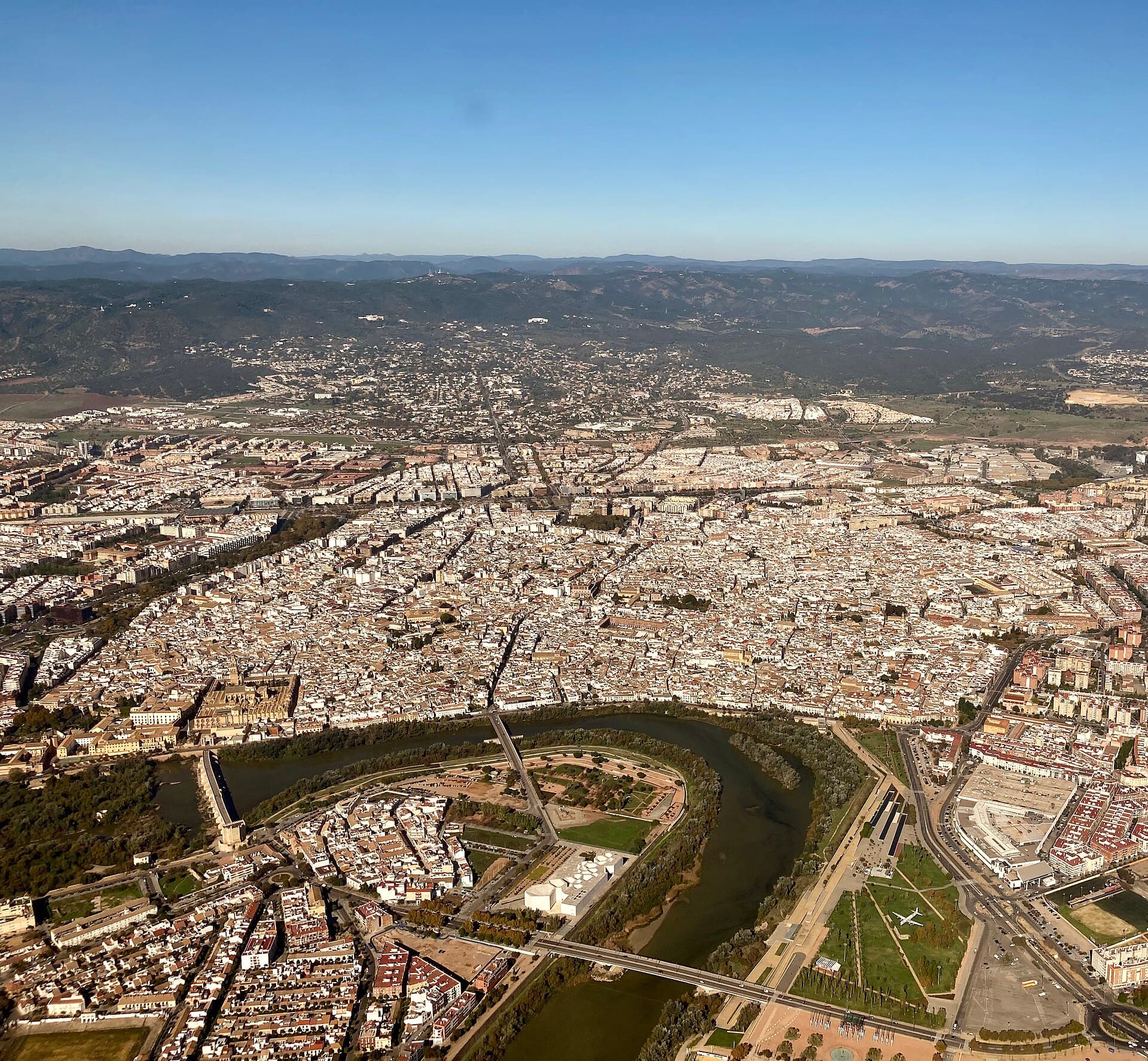 kallerna / CC BY-SA 4.0, via Wikimedia Commons
Tour audio autoguidato di Cordova — percorso GPS a piedi, riproduzione offline, narrazione coinvolgente in 32 lingue.
“Dove le fondamenta romane incontrano gli archi moreschi e i fiori d'arancio profumano secoli di storie.”
Non le cartoline. Le storie che nemmeno i locali conoscono — sussurrate nel tuo orecchio, proprio dove sono accadute.
Osserva attentamente le colonne all'interno della Moschea-Cattedrale e noterai qualcosa di particolare riguardo alle loro origini.
Questo antico ponte ha un ruolo da protagonista oltre al suo significato storico a Córdoba.
La Torre de la Calahorra, che sorveglia il Ponte Romano, custodisce un segreto su una faida familiare medievale.
Scopri ogni segreto di Cordova
Ogni indirizzo, ogni rivelazione completa — nel tuo orecchio, proprio dove è accaduta.
Scegli le tue tappe. Cammini. La voce rivela ciò che gli altri perdono.


Il tuo tour audio autoguidato di Cordova è pronto — scegli i tuoi punti di interesse, seleziona la tua lingua e inizia nel momento in cui arrivi.
AcquistaLume include una guida in realtà aumentata. Alza il telefono: la fotocamera mostra la strada davanti a te, con una freccia luminosa sovrapposta all'immagine reale che punta sempre verso la tua prossima tappa — nessuna mappa da decifrare, nessuna svolta sbagliata. Come tutto in Lume, funziona completamente offline.
Córdoba, una città dell'Andalusia, Spagna, offre un viaggio attraverso strati di storia, dove le influenze romane, islamiche e cristiane si intrecciano. Situata sulla riva destra del fiume Guadalquivir, ai piedi meridionali dei Monti Morena, Córdoba fu un tempo una colonia romana prima di diventare la capitale del Califfato Omayyade in Al-Andalus. Questo passato ha lasciato un segno indelebile sulla sua architettura, cultura ed essenza, rendendola una destinazione di profondo significato storico e artistico. La città detiene il primato di avere il maggior numero di siti Patrimonio dell'Umanità UNESCO al mondo, tra cui il suo centro storico, la Moschea-Cattedrale, il Festival dei Patios e la vicina Medina Azahara.
Oltre ai suoi grandi monumenti, Córdoba invita all'esplorazione delle sue strade strette e tortuose, in particolare in aree come il quartiere ebraico, dove ogni svolta rivela uno sguardo sul suo passato multiculturale. Il profumo dei fiori d'arancio riempie spesso l'aria, soprattutto in primavera, aggiungendo all'evocativa atmosfera della città. Sia che siate attratti da meraviglie architettoniche, cortili sereni o dagli echi di un passato intellettuale attivo, Córdoba offre un'esperienza arricchente e profondamente memorabile.
La storia di Córdoba inizia con la sua fondazione da parte dei Romani nel 152 a.C., diventando la capitale della prospera provincia della Betica sotto l'imperatore Augusto. Durante questo periodo, fu la città più grande della penisola iberica e la culla del filosofo Seneca. L'eredità romana della città è ancora visibile in strutture come il Ponte Romano, originariamente costruito all'inizio del I secolo a.C.
Dopo un periodo di declino sotto il dominio visigoto dal VI all'inizio dell'VIII secolo, Córdoba fu conquistata dai musulmani nel 711 o 712 d.C. Nel 716, divenne la capitale provinciale di al-Andalus, subordinata al Califfato di Damasco. La vera età d'oro di Córdoba iniziò nel 756 d.C. quando Abd al-Rahman I, un membro sopravvissuto della dinastia Omayyade, stabilì l'Emirato indipendente di Córdoba, rendendo la città la sua capitale. Sotto il dominio Omayyade, Córdoba fiorì, trasformandosi in un centro di istruzione e apprendimento. Entro il X secolo, era diventata una delle città più grandi e colte d'Europa, con stime di popolazione che raggiungevano da 100.000 a 500.000 abitanti. La città presentava strade lastricate, illuminazione pubblica, ville lussuose con acqua corrente interna e vaste biblioteche, una delle quali conteneva oltre 400.000 libri.
Quest'epoca vide la costruzione e l'espansione della Grande Moschea di Córdoba, iniziata da Abd al-Rahman I nel 785 d.C. sul sito di un'antica chiesa visigota. La moschea fu ampliata più volte dai suoi successori, diventando un capolavoro dell'architettura islamica. Córdoba era rinomata per la sua attività multiculturale, con musulmani, ebrei e cristiani che coesistevano e contribuivano alla sua energia intellettuale e culturale. Studiosi da tutta Europa e dal mondo islamico accorrevano nella città, che era famosa per le sue scuole avanzate e la sua vivace vita intellettuale.
Il potere di Córdoba declinò all'inizio dell'XI secolo a causa di lotte interne, che portarono al crollo del califfato. Nel 1236, la città cadde in mano al re castigliano Ferdinando III, diventando parte della Spagna cristiana. La Grande Moschea fu convertita in cattedrale, con significative modifiche cristiane nel corso dei secoli. Anche l'Alcázar de los Reyes Cristianos fu costruito sul sito di precedenti strutture islamiche, servendo come residenza reale per i monarchi cristiani. Questa transizione segnò un nuovo capitolo, sebbene la prominenza economica e culturale della città diminuisse, lasciando dietro di sé una ricca collezione di storie intrecciate.
Inizia la tua esplorazione dalla Mezquita-Cattedrale, una meraviglia architettonica singolare che un tempo era una grande moschea e ora ospita una cattedrale all'interno delle sue antiche mura. La sua foresta di archi a ferro di cavallo è una testimonianza di secoli di arte islamica, drammaticamente giustapposta alle successive aggiunte cristiane. Sali sul Campanile (Torre del Alminar) per ammirare viste panoramiche sulla città.
Attraversa il Ponte Romano, specialmente al tramonto, per vivere la luce dorata che si riflette sul fiume Guadalquivir e sulla Mezquita in lontananza. All'estremità meridionale del ponte si erge la Torre de la Calahorra, una fortezza medievale che ora ospita il Museo Vivo de Al-Andalus, che esplora il passato multiculturale di Córdoba.
Esplora l'Alcázar de los Reyes Cristianos, una fortezza-palazzo con fondamenta romane, influenze moresche e magnifici giardini. Fu qui che Cristoforo Colombo incontrò per la prima volta i Re Cattolici.
Perditi nelle labirintiche strade del Quartiere Ebraico (Judería), un sito Patrimonio dell'Umanità UNESCO con una distintiva pianta medievale islamica. Scopri la Sinagoga di Córdoba, una delle sole tre sinagoghe medievali rimaste in Spagna, e visita la Casa de Sefarad per approfondire la vita ebraica sefardita.
Nessuna visita a Córdoba è completa senza sperimentare i suoi famosi patios. Sebbene molti siano privati, il Palacio de Viana offre una notevole collezione di dodici cortili, che mostrano le tradizioni floreali della città.
I periodi migliori per visitare Córdoba sono la primavera (aprile e maggio) e l'autunno (settembre e ottobre). Durante questi mesi, le temperature sono piacevoli, oscillando tra i 22-28°C, ideali per camminare ed esplorare. Maggio è particolarmente speciale, con la città viva di festival come il Festival dei Patios, quando i residenti aprono al pubblico i loro cortili fioriti. L'autunno, in particolare ottobre e novembre, offre temperature calde, luce dorata e meno folla. Evita luglio e agosto, poiché Córdoba sperimenta temperature estremamente elevate, spesso superiori ai 40°C, rendendo scomoda l'esplorazione all'aperto.
Il centro storico di Córdoba si esplora meglio a piedi, poiché molte delle sue affascinanti strade sono strette e pedonali. Considera di soggiornare almeno due notti per vivere appieno l'atmosfera rilassata della città, soprattutto al mattino presto e alla sera tardi, quando i turisti giornalieri sono partiti. Si consiglia vivamente di prenotare alloggi e attrazioni popolari come la Mezquita-Cattedrale in anticipo, soprattutto durante l'alta stagione (aprile e maggio). Sebbene i trasporti pubblici siano disponibili, camminare permette di scoprire angoli nascosti e apprezzare i dettagli intricati della città. I taxi sono facilmente reperibili per lunghe distanze o per comodità. Preparati al clima caldo, in particolare dalla tarda primavera all'inizio dell'autunno, e porta acqua e indossa scarpe comode. Molti esercizi commerciali osservano l'orario della siesta, quindi pianifica le tue attività di conseguenza.
Cordova — coreano, cinese, ebraico e altre 29 lingue, ogni tappa narrata da una voce madrelingua. La più ampia scelta di lingue tra i tour audio autoguidati.
Disponibile in: