Praia de Coronado
A areia brilhante da Praia de Coronado guarda um segredo sutil, visível apenas de um ponto de vista único.
História completa desbloqueada no tour
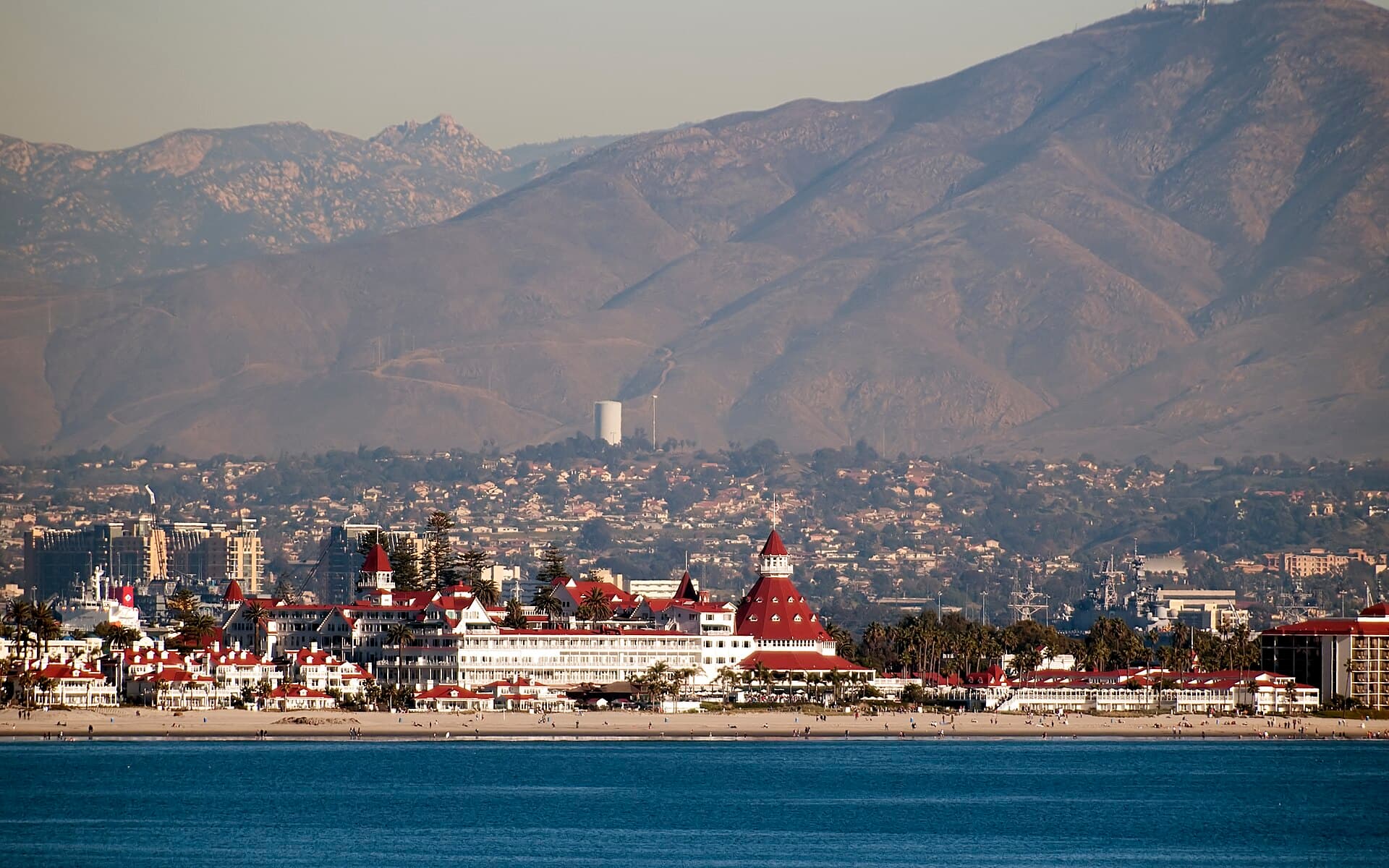 Djh57 / CC BY 3.0, via Wikimedia Commons
Tour de áudio autoguiado por Coronado — rota GPS a pé, reprodução offline, narração envolvente em 32 idiomas.
“Onde areias douradas encontram a grandiosidade histórica e ecos da velha Hollywood.”
Não os postais. As histórias que nem os locais conhecem — sussurradas ao seu ouvido, exatamente onde aconteceram.
A areia brilhante da Praia de Coronado guarda um segredo sutil, visível apenas de um ponto de vista único.
Além de suas icônicas torres vermelhas e lista de hóspedes famosos, este hotel histórico esconde uma passagem.
A curva distinta da Ponte de Coronado não é apenas um capricho arquitetônico.
Descubra cada segredo de Coronado
Cada endereço, cada revelação na íntegra — no seu ouvido, exatamente onde aconteceu.
Você escolhe as suas paragens. Você caminha. A voz revela o que os outros perdem.

O seu tour áudio autoguiado de Coronado está pronto — escolha os seus pontos de interesse, selecione o seu idioma e comece no momento em que chegar.
ComprarA Lume inclui um guia de realidade aumentada. Levante o telemóvel: a câmara mostra a rua à sua frente, com uma seta luminosa sobreposta à imagem real que aponta sempre para a sua próxima paragem — sem mapa para decifrar, sem voltas erradas. Como tudo na Lume, funciona totalmente offline.
Coronado, espanhol para 'O Coroado', é uma cidade no Condado de San Diego, Califórnia, reconhecida por suas praias imaculadas e atmosfera calma. Posicionada do outro lado da Baía de San Diego, em frente ao centro de San Diego, conecta-se ao continente por um tômbolo, um istmo arenoso conhecido como Silver Strand, e pela distinta Ponte de Coronado. Este destino cativante combina elegância histórica com uma sensação costeira relaxada, tornando-o um local favorito para famílias e para aqueles que buscam uma fuga pacífica.
O apelo da cidade vai além de sua beleza natural. Coronado tem sido um destino de resort desde o final do século XIX, atraindo presidentes, realeza e estrelas de Hollywood. Sua história singular, juntamente com um clima quase perfeito, oferece uma experiência cativante para os visitantes.
A história moderna de Coronado começou em 1885, quando uma parceria liderada por Elisha Babcock e Hampton Story comprou a península, incluindo North Island e Silver Strand, por US$ 110.000. Sua visão era estabelecer 'o maior hotel da costa do Pacífico' dentro de uma comunidade planejada com avenidas largas e residências atraentes. A Coronado Beach Company, formada em 1886, foi fundamental no desenvolvimento da área como cidade e resort.
Em 1888, o icônico Hotel del Coronado abriu suas portas, tornando-se rapidamente um celebrado resort à beira-mar. No mesmo ano, o primeiro serviço de balsa começou, conectando os moradores de San Diego a Coronado. No início do século XX, Coronado também se tornou um centro de avanços na aviação. Em 1911, o aviador Glenn Curtiss alugou North Island, sem aluguel, para experimentar seu hidroavião, eventualmente convencendo a Marinha dos EUA a estabelecer seu primeiro esquadrão de aeronaves lá, ganhando para a Estação Aeronaval de North Island o título de 'Berço da Aviação Naval'.
Outro aspecto único do passado de Coronado foi a 'Tent City', um acampamento de férias na praia estabelecido em 1900 por John D. Spreckels, que mais tarde foi proprietário do Hotel del Coronado. Esta área oferecia tendas mobiliadas com comodidades básicas, proporcionando uma experiência de praia mais acessível para viajantes da classe média. A Tent City operou até 1939, com as últimas cabanas removidas no início dos anos 1940. Durante a Segunda Guerra Mundial, enquanto muitos resorts da Costa Oeste eram apropriados pelo governo, o Hotel del Coronado abrigou famílias de oficiais e foi designado como 'estação de baixa de guerra', evitando o confisco. A Ponte de Coronado, um marco proeminente hoje, foi construída entre 1967 e 1969, mudando fundamentalmente o acesso à ilha.
Uma visita a Coronado oferece uma variedade de experiências, desde marcos históricos a praias extensas.
Comece com o Hotel del Coronado, uma obra-prima vitoriana com telhados vermelhos distintos, construído em 1888. Mesmo que não esteja hospedado lá, explorar seus jardins e saguão é uma atividade popular. O hotel hospedou inúmeros presidentes e celebridades, e sua arquitetura é um atrativo significativo.
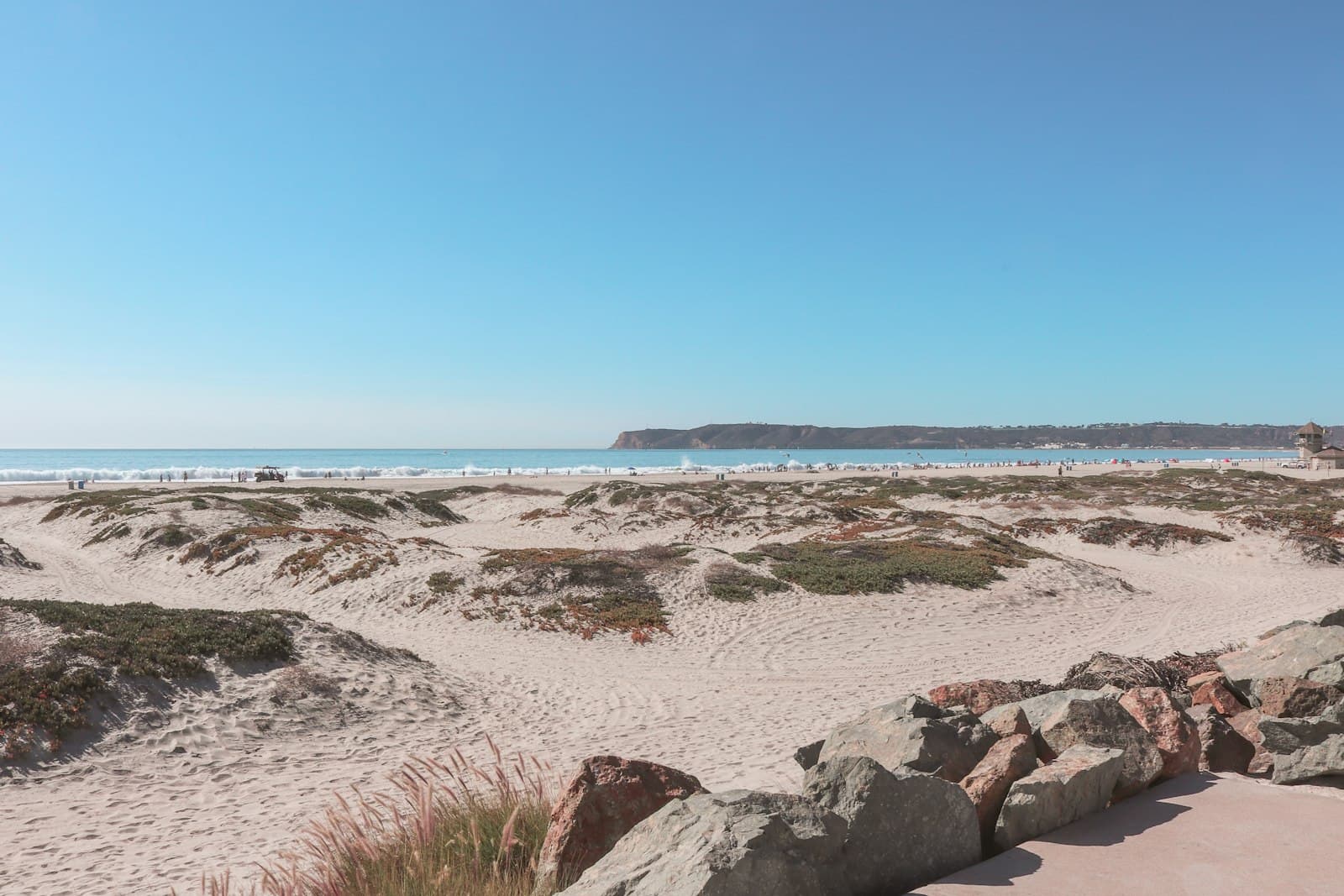
A Praia de Coronado, consistentemente classificada entre as melhores dos EUA, apresenta extensões de areia largas e limpas que brilham devido aos depósitos de mica. É ideal para nadar, caminhar ao pôr do sol ou simplesmente relaxar. Para aqueles com companheiros caninos, a Praia para Cães de Coronado oferece uma área sem coleira.
Caminhe pela Avenida Orange, a principal via de Coronado, ladeada por boutiques locais, restaurantes, cafés e galerias de arte. A Associação Histórica e Museu de Coronado, também na Avenida Orange, oferece insights sobre o passado da ilha.
O Coronado Ferry Landing oferece algumas das melhores vistas do horizonte de San Diego, juntamente com lojas, restaurantes e um píer de pesca público. De lá, você pode pegar uma balsa para um passeio panorâmico até o centro de San Diego.
Para atividades ao ar livre, alugue uma bicicleta e explore a Bayshore Bikeway, que contorna a ilha e ao longo da Silver Strand, oferecendo vistas panorâmicas da baía e do oceano. O Tidelands Park oferece excelentes vistas da Ponte de Coronado e uma pequena praia para caiaque.
Coronado desfruta de temperaturas agradáveis durante todo o ano, com o período mais favorável para atividades de clima quente geralmente do início de junho a meados de outubro, quando as temperaturas médias ficam em torno de 25,5°C. Agosto é tipicamente o mês mais quente, com uma máxima média de 24,4°C. Para menos multidões e clima agradável contínuo, considere visitar no outono (setembro, outubro, novembro), quando as máximas diárias estão em torno de 23,8°C. Mesmo no inverno, Coronado oferece clima ameno com máximas de 15,5°C e mínimas de 10°C, tornando-o uma fuga confortável de climas mais frios.
Coronado é uma ilha ligada, acessível de carro pela Ponte de Coronado a partir do centro de San Diego, de balsa do centro de San Diego, ou dirigindo pela Silver Strand vindo do sul. A balsa é uma opção popular, oferecendo vistas panorâmicas da baía e conectando ao Coronado Ferry Landing, Broadway Pier e ao Centro de Convenções de San Diego. A viagem pela baía dura aproximadamente 15 minutos e custa US$ 5,00 para uma passagem só de ida.
Uma vez em Coronado, a ilha é plana e amigável para bicicletas, tornando o aluguel de bicicletas uma forma popular de explorar. Carrinhos de golfe também são um meio de transporte comum. Se estiver dirigindo, esteja ciente de que a maior parte da ilha tem estacionamento pago. Coronado é uma cidade caminhável, especialmente nas áreas centrais e de praia. A cidade tem aproximadamente 84 km², com 20,2 km² de terra.
Coronado — coreano, chinês, hebraico e mais 29 idiomas, cada parada narrada por uma voz nativa. A maior variedade de idiomas entre os passeios de áudio autoguiados.
Disponível em: