Костанера Генерал Сан-Мартин
Название города, Корриентес, намекает на его мощную связь с рекой, но полное оригинальное название рассказывает более конкретную историю.
Полная история открывается в туре
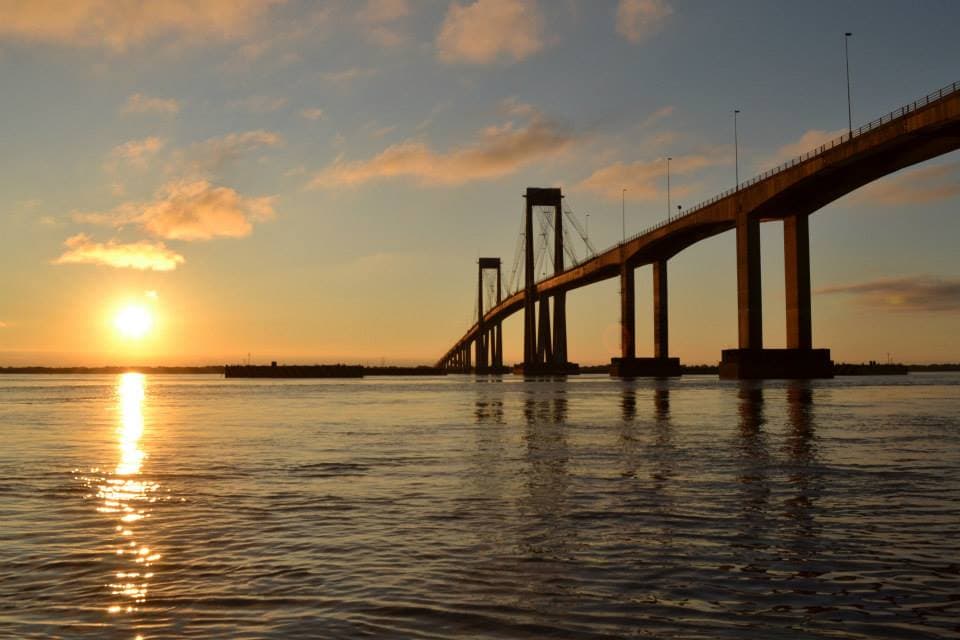 Jara-Arroyo / CC BY-SA 4.0, via Wikimedia Commons
Самостоятельная аудиопрогулка по Корриентес — GPS-маршрут, офлайн-воспроизведение, увлекательное повествование на 32 языках.
“Где течения Параны формируют землю, а чамаме задает ритм.”
Не открытки. Истории, которые не знают даже местные жители — шепотом в вашем ухе, прямо там, где они произошли.
Название города, Корриентес, намекает на его мощную связь с рекой, но полное оригинальное название рассказывает более конкретную историю.
Помимо своей колониальной архитектуры, Корриентес раскрывает неожиданную художественную самобытность, которая преображает его общественные пространства.
Повсеместное присутствие определенного ритуального напитка раскрывает глубоко укоренившуюся культурную практику, которая выходит за рамки простого освежения.
Откройте для себя каждый секрет Корриентес
Каждый адрес, каждое полное раскрытие — в вашем ухе, прямо там, где это произошло.
Вы выбираете остановки. Вы гуляете. Голос раскрывает то, что упускают другие.


Ваш самостоятельный аудиотур по Корриентес готов — выберите свои достопримечательности, выберите свой язык и начните в момент прибытия.
КупитьВ Lume встроен гид дополненной реальности. Поднимите телефон: камера показывает улицу перед вами, а поверх реального изображения светится стрелка, всегда указывающая на вашу следующую остановку — не нужно разбираться с картой и сворачивать не туда. Как и всё в Lume, это работает полностью офлайн.
Корриентес, столица одноименной провинции на северо-востоке Аргентины, — город, где река Парана определяет ритм жизни, а душевные ноты музыки чамаме наполняют воздух. С населением более 350 000 человек Корриентес предлагает убедительное сочетание колониального наследия, речной красоты и оживленной культурной жизни. Это место, которое приглашает посетителей замедлиться, впитать местные ритмы и почувствовать связь с регионом, на который глубоко повлияли его гуараниские корни и могучая Парана.
Расположенный на восточном берегу Параны, прямо напротив Ресистенсии, Корриентес служит стратегическим центром в аргентинском регионе Литораль. Идентичность города неразрывно связана с рекой, предлагая живописные набережные, возможности для речных прогулок и кулинарный ландшафт, богатый пресноводной рыбой. За пределами городского центра провинция Корриентес является воротами к обширным природным чудесам, таким как водно-болотные угодья Ибера, что делает ее идеальной базой как для культурного погружения, так и для экотуризма.
История Корриентеса восходит к коренным народам гуарани, которые населяли этот район задолго до прибытия европейцев. Эти общины имели сильные воинские традиции, которые сформировали ранний характер региона. Испанский конкистадор Хуан Торрес де Вера-и-Арáгон официально основал город 3 апреля 1588 года, назвав его Сан-Хуан-де-Вера-де-лас-Сьете-Корриентес. Это длинное название, позже сокращенное, относилось к семи характерным полуостровам вдоль реки Парана, которые создавали сложные течения для навигации.
Корриентес быстро стал важнейшим транзитным пунктом благодаря своему стратегическому расположению на водном пути, соединяющем Асунсьон (в современной Парагвае) и Буэнос-Айрес. Его возвышенное положение, на 55 метров выше уровня моря, также обеспечивало защиту от частых разливов Параны, что еще больше укрепляло его значение. Ранняя экономика города процветала за счет речной торговли, переработки сельскохозяйственной продукции, такой как табак, хлопок и мате. Иезуитские миссии сыграли значительную роль в культурном развитии региона, сосредоточившись на евангелизации среди коренного населения, с такими миссиями, как Санта-Ана (1615) и Япею (1626) вдоль реки Уругвай.
На протяжении своей истории Корриентес пережил многочисленные конфликты. Он сопротивлялся британским вторжениям в 1807 году и часто конфликтовал с централистским правительством Буэнос-Айреса во время Войны за независимость Аргентины. Поворотный момент наступил в 1865 году, когда парагвайские войска вторглись и оккупировали город во время Войны Тройственного альянса, конфликта, который в конечном итоге объединил Корриентес с Буэнос-Айресом в обороне. Город также стал свидетелем провозглашения своей провинциальной конституции в 1821 году и основания муниципалитета в 1855 году.
В более позднее время Корриентес принял свою культурную самобытность. Основание Национального университета Северо-Востока (UNNE) в 1956 году превратило его в образовательный и научный центр. Открытие моста Генерала Бельграно в 1973 году, соединившего Корриентес с Ресистенсией, еще больше интегрировало регион. Сегодня Корриентес прославляется своим оживленным карнавалом и признан родиной чамаме, традиционного жанра народной музыки и танца, который внесен в список нематериального культурного наследия ЮНЕСКО.
Начните свое исследование вдоль Костанера Генерал Сан-Мартин, живописной набережной, откуда открывается панорамный вид на реку Парана и мост Генерала Мануэля Бельграно. Это отличное место для вечерних прогулок, наслаждения мате или любования закатом. Для солнца и песка пляж Арасати, расположенный вдоль Костанера Сур, предлагает широкий участок речного пляжа, особенно популярный в теплое время года.
Погрузитесь в прошлое города, исследуя его хорошо сохранившийся исторический центр, где колониальная архитектура сочетается с более современными постройками. Кафедральный собор Пресвятой Девы Марии Розария является выдающимся историческим памятником. Любители искусства оценят статус Корриентеса как "Города муралов" (Ciudad de los Murales), где многие стены украшены произведениями паблик-арта. Для более глубокого культурного погружения прогуляйтесь по улице Хунин, пешеходной улице, вдоль которой расположены магазины ремесленных изделий, традиционные кафе и колониальные здания.
За пределами города водно-болотные угодья Ибера являются главной достопримечательностью, признанной одним из крупнейших пресноводных водно-болотных угодий Южной Америки. Эта охраняемая территория является убежищем для диких животных, включая капибар, кайманов, болотных оленей и более 350 видов птиц. Лодочные прогулки, верховая езда и эко-отели предлагают возможности для знакомства с этой уникальной экосистемой.
В Корриентесе субтропический климат с жарким, влажным летом и мягкой зимой. Лучшее время для посещения с комфортной погодой и возможностью заняться активным отдыхом — весна (сентябрь-ноябрь) и осень (март-май), когда температура комфортная, а влажность ниже. Осадки менее обильны с марта по ноябрь. Январь особенно оживлен благодаря Национальному фестивалю чамаме, который наполняет город музыкой и танцами. Летние месяцы также приносят оживленный Карнавал в Корриентесе, второй по величине в мире, с парадами и празднествами.
До Корриентеса можно добраться по воздуху через Международный аэропорт Корриентес, с регулярными рейсами, соединяющими его с Буэнос-Айресом. По суше город является узлом обширной сети междугородних автобусов Аргентины, с сообщениями со многими другими аргентинскими городами и даже с Асунсьоном, Парагвай. В Корриентесе вы можете передвигаться на местном автобусе, такси или арендованном автомобиле, а центр города довольно удобен для пеших прогулок. Местная валюта — аргентинский песо (ARS), и, хотя кредитные карты широко принимаются в большинстве заведений, рекомендуется иметь при себе наличные для мелких продавцов. Официальный язык — испанский, и знание нескольких основных фраз полезно, хотя некоторые работники туристической сферы могут говорить по-английски. Принято приветствовать людей поцелуем в щеку.
Корриентес: корейский, китайский, иврит и ещё 29 языков — каждую остановку озвучивает носитель языка. Самый широкий выбор языков среди аудиоэкскурсий без гида.
Доступные языки: