El Cedral
Jenseits der ausgetretenen Pfade erscheint eine kleine Dorfkirche unscheinbar, doch sie birgt eine überraschende Verbindung zur kolonialen Entstehungsgeschichte Cozumels.
Die ganze Geschichte wird in der Tour freigeschaltet
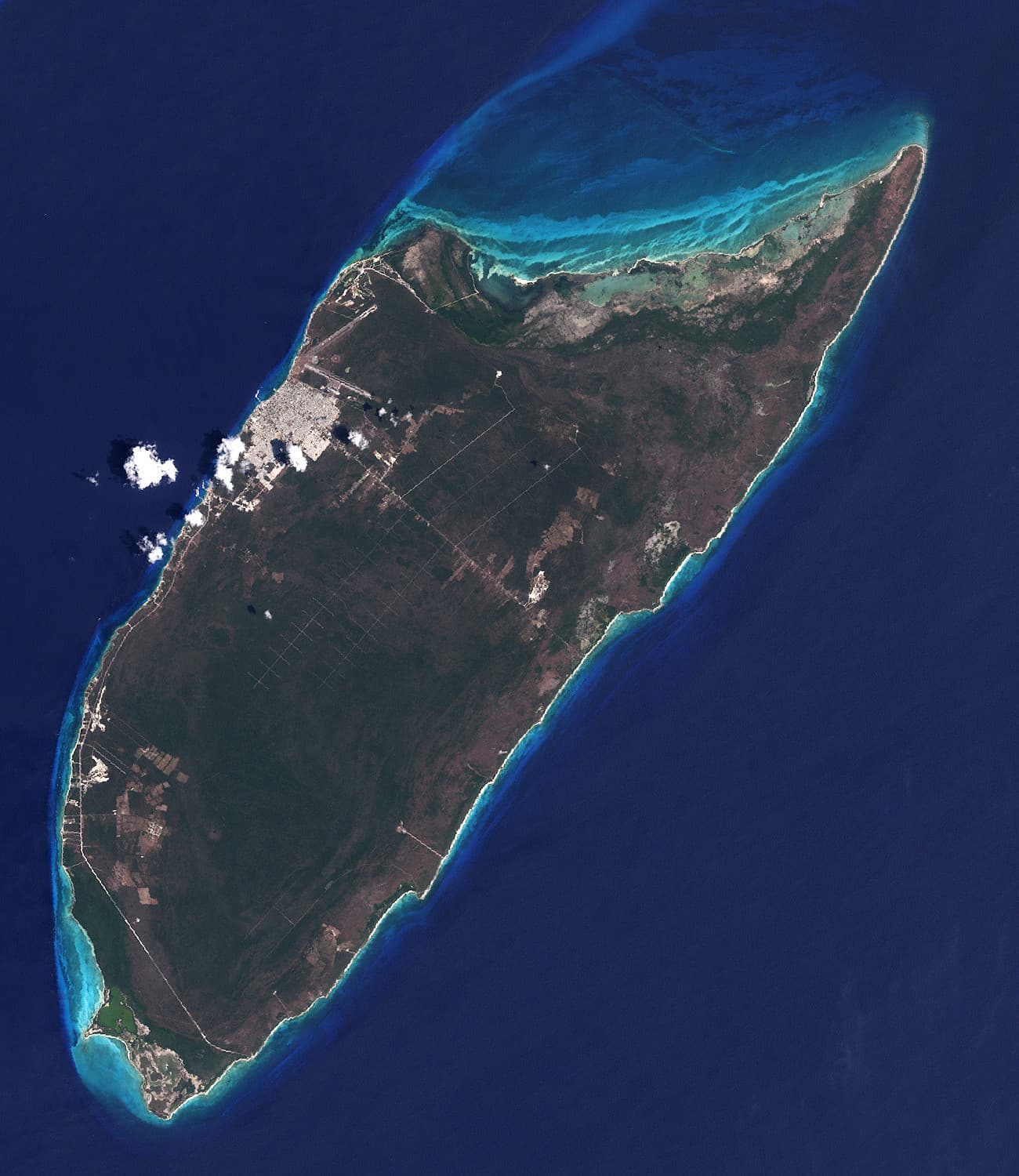 NASA / Public domain, via Wikimedia Commons
Selbstgeführte Audio-Walking-Tour durch Cozumel — GPS-Route, Offline-Wiedergabe, erzählerische Narration in 32 Sprachen.
“Wo alte Strömungen auf karibisches Licht treffen.”
Nicht die Postkarten. Die Geschichten, die selbst Einheimische nicht kennen – dir ins Ohr geflüstert, genau dort, wo sie geschahen.
Jenseits der ausgetretenen Pfade erscheint eine kleine Dorfkirche unscheinbar, doch sie birgt eine überraschende Verbindung zur kolonialen Entstehungsgeschichte Cozumels.
Viele Taucher kommen nach Cozumel, angezogen von Geschichten über seine berühmten Riffe, deren Ruhm sie oft einem prominenten Meeresbiologen zuschreiben. Die wahre Geschichte birgt jedoch eine andere Wendung.
Die bedeutendste Maya-Stätte auf Cozumel diente als obligatorische Pilgerstätte für eine bestimmte Gruppe von Menschen aus einem ganz bestimmten, intimen Grund.
Entdecke jedes Geheimnis von Cozumel
Jede Adresse, jede Enthüllung vollständig – in deinem Ohr, genau dort, wo es geschah.
Du wählst deine Stationen. Du gehst. Die Stimme enthüllt, was andere übersehen.


Deine selbstgeführte Audio-Tour durch Cozumel ist bereit – wähle deine Sehenswürdigkeiten, deine Sprache und starte, sobald du ankommst.
KaufenLume enthält einen integrierten Augmented-Reality-Guide. Halten Sie Ihr Handy hoch: Die Kamera zeigt die Straße vor Ihnen, mit einem leuchtenden Pfeil über dem echten Bild, der immer auf Ihren nächsten Stopp zeigt — keine Karte zum Rätseln, keine falschen Abzweigungen. Wie alles bei Lume funktioniert es komplett offline.
Cozumel, Mexikos größte Karibikinsel, liegt ruhig vor der Ostküste der Halbinsel Yucatán, eine kurze Fährfahrt von Playa del Carmen entfernt. Sein Name, abgeleitet vom Maya-Wort 'Cuzamil', was 'Land der Schwalben' bedeutet, deutet auf seine natürliche Pracht und sein beständiges Erbe hin. Die Insel ist ein gefeiertes Reiseziel für ihr kristallklares türkisfarbenes Wasser, ihre weitläufigen Korallenformationen und ihre ruhige Atmosphäre, die Abenteurer und Kulturforscher aus aller Welt anzieht.
Obwohl weltweit für seine außergewöhnlichen Tauch- und Schnorchelmöglichkeiten bekannt, bietet Cozumel mehr als nur Unterwasserwunder. Die Insel beherbergt auch bedeutende Maya-Archäologiestätten, unberührte Strände und eine lebendige lokale Kultur. Ob beim Erkunden antiker Bauwerke oder einfach beim Entspannen am Karibischen Meer, Cozumel bietet eine harmonische Mischung aus Abenteuer und Ruhe.
Die Geschichte von Cozumel reicht über zwei Jahrtausende zurück. Man nimmt an, dass die Maya die Insel im frühen ersten Jahrtausend n. Chr. besiedelten. Ältere olmekische Artefakte aus der Präklassik wurden ebenfalls ausgegraben, was auf eine noch frühere menschliche Präsenz hindeutet. Die Maya nannten die Insel 'Cuzaam Luumi' oder 'Land der Schwalben', später verkürzt zu 'Cuzamil'. Cozumel hatte für die Maya eine tiefgreifende spirituelle Bedeutung und diente als eines der wichtigsten religiösen Heiligtümer in der Region Yucatán. Sie galt als heilig für Ixchel, die Maya-Mondgöttin der Fruchtbarkeit, der Geburt, der Medizin und des Webens. Maya-Frauen, insbesondere vor der Pubertät, waren traditionell verpflichtet, mindestens einmal in ihrem Leben eine Pilgerreise auf die Insel zu unternehmen, um Ixchel zu verehren und um Fruchtbarkeit und glückliche Mutterschaft zu bitten. Archäologen finden noch heute an über vierzig Stätten auf der ganzen Insel kleine Puppen, die einst bei diesen Fruchtbarkeitsritualen dargebracht wurden. San Gervasio, die wichtigste Maya-Archäologiestätte auf Cozumel, war ein Hauptheiligtum für Ixchel und ein wichtiges Pilgerziel.
Die hochentwickelte Maya-Kultur blühte zwischen dem 7. und 9. Jahrhundert, begann aber um das 10. Jahrhundert herum zu verfallen, möglicherweise aufgrund von Hungersnöten, Seuchen und internen Konflikten. Die erste spanische Expedition unter der Führung von Juan de Grijalva traf am 3. Mai 1518 auf Cozumel ein und nannte sie 'Isla de la Santa Cruz'. Hernán Cortés folgte ein Jahr später. Im Gegensatz zu anderen Begegnungen auf dem Festland empfingen die Maya von Cozumel beide Expeditionen zunächst friedlich. Die spanische Besatzung erwies sich jedoch als verheerend, da ein langwieriger Pocken-Ausbruch zwischen 1519 und 1570 die indigene Bevölkerung dezimierte und sie von geschätzten 20.000 auf nur 300 im Jahr 1570 reduzierte, was die Insel bis 1600 vollständig verwaist zurückließ. Cozumel wurde dann im 17. Jahrhundert zur Operationsbasis für Bukanier, darunter der legendäre Henry Morgan und Jean Laffite.
Die Insel blieb bis 1848 weitgehend unbewohnt, als Flüchtlinge, die dem Kasten-Krieg von Yucatán entkamen, sich dort niederließen, was 1849 zur offiziellen Anerkennung von San Miguel de Cozumel durch die mexikanische Regierung führte. Die Wirtschaft von Cozumel expandierte von Mitte des 19. bis Anfang des 20. Jahrhunderts und etablierte sich als wichtiger Hafen. Die Weltwirtschaftskrise traf die Insel schwer, aber sie erholte sich während des Zweiten Weltkriegs, als die USA einen Luftwaffenstützpunkt zur U-Boot-Jagd einrichteten. 1961 soll die angebliche Erklärung des berühmten französischen Entdeckers Jacques Cousteau, Cozumel sei ein Paradies für Taucher, seinen Gewässern internationale Bekanntheit verschafft und sie zu einem Anziehungspunkt für Taucher weltweit gemacht haben. Heute ist Cozumel eines der beliebtesten Touristenziele in der Karibik und verbindet wirtschaftlichen Wohlstand durch Tourismus mit Bemühungen zur Erhaltung seines kulturellen Erbes und seiner empfindlichen Ökosysteme.
Cozumel bietet eine Vielzahl von Attraktionen, von antiken Bauwerken bis hin zu lebhaften Meeresparks. Die Archäologische Stätte San Gervasio ist die bedeutendste Maya-Ruine auf der Insel und war einst ein heiliger Pilgerort für Frauen, die der Göttin Ixchel geweiht waren. Sie bietet ein intimeres und weniger überfülltes Erlebnis im Vergleich zu Ruinen auf dem Festland.
Für Meeresliebhaber ist der Palancar Riff ein weltweit anerkannter Tauch- und Schnorchelplatz, der Teil des Mesoamerikanischen Riffsystems ist, dem zweitgrößten Korallenriffsystem der Welt. Es wimmelt von bunten Fischen, Korallenformationen und Meereslebewesen wie Schildkröten und Haien. Weitere bemerkenswerte Tauch- und Schnorchelplätze sind das Columbia Riff, bekannt für seine dramatischen Steilwände, und El Cielo, berühmt für sein kristallklares Wasser und seine zahlreichen Seesterne. Der Cozumel Riffe National Marine Park schützt einen Großteil der Südküste der Insel und gewährleistet die Erhaltung seiner empfindlichen Korallenriffe.
Jenseits der Unterwasserwelt ist der Punta Sur Eco Beach Park ein Naturschutzgebiet mit wunderschönen Stränden, einem Leuchtturm mit weitem Blick über die Insel und einer befahrbaren Lagune, die Krokodilen und exotischen Vögeln Lebensraum bietet. Für ein aktiveres Erlebnis können Sie am Strand bei Orten wie Mr. Sancho's reiten. Die Innenstadt von San Miguel de Cozumel bietet einen gut begehbaren Bereich mit Restaurants, Cafés und Tauchgeschäften.
Die ideale Zeit für einen Besuch in Cozumel ist während der Trockenzeit von November bis April, wenn die Niederschläge minimal sind, das Meer ruhiger ist und die Sicht unter Wasser ihren Höhepunkt erreicht. Die Temperaturen liegen in diesen Monaten zwischen 25 und 30 °C. Dezember bis März gilt als absolute Spitzenzeit für Sicht, Wetter und Schnorchelbedingungen, mit angenehmen Temperaturen zwischen 21 und 29 °C. Für preisbewusste Reisende und diejenigen, die weniger Andrang suchen, bieten Mai und Juni ähnliche Trockenwetterbedingungen zu niedrigeren Preisen. Die Hurrikansaison erreicht typischerweise ihren Höhepunkt zwischen August und Oktober, was im Allgemeinen die regenreichste Zeit ist.
Cozumel gilt weithin als eines der sichersten Reiseziele Mexikos für Touristen, wobei Gewaltverbrechen mit Besuchern selten sind. Kleinere Diebstähle können jedoch vorkommen, daher ist es ratsam, auf Ihre Umgebung zu achten, besonders nachts, und Wertsachen nicht offen zu zeigen. Benutzen Sie immer lizenzierte Taxis oder seriöse Transportdienste.
Leitungswasser ist in Cozumel nicht trinkbar, nicht einmal für Einheimische; greifen Sie immer zu Flaschen- oder aufbereitetem Wasser. Bei Wasseraktivitäten schwimmen Sie nur in ausgewiesenen Bereichen, achten Sie auf Strömungen und Flaggenwarnungen und nutzen Sie lizenzierte Anbieter. Riffschonende Sonnencreme ist obligatorisch, um die empfindlichen Korallenriffe zu schützen.
Der Transport auf der Insel besteht hauptsächlich aus Taxis, die nach einem zonenbasierten System ohne Taxameter verkehren. Bestätigen Sie daher den Fahrpreis vor Ihrer Fahrt. Colectivos (Sammeltaxis) bieten eine günstigere Alternative für lokale Routen. Die Anmietung eines Rollers oder Autos ist eine Option für ausgedehnte Inselerkundungen, aber beachten Sie die örtlichen Verkehrsregeln. Zu Fuß ist die Innenstadt von San Miguel gut zu erkunden. Pesos sind am besten für größere Einkäufe, während US-Dollar in Touristengebieten für kleinere Transaktionen und Trinkgelder akzeptiert werden.
Cozumel — Koreanisch, Chinesisch, Hebräisch und 29 weitere Sprachen, jede Station von einer muttersprachlichen Stimme erzählt. Die größte Sprachauswahl aller selbstgeführten Audiotouren.
Verfügbar auf: