The lively storefronts along Elk Avenue conceal a narrative of perseverance.
Photo: Richard Hedrick / UnsplashCrested Butte
Self-guided audio walking tour of Crested Butte — GPS route, offline playback, story-driven narration in 32 languages.
“Where Victorian grace meets the rugged embrace of the Rockies.”
Crested Butte, as no one tells it.
Not the postcards. The stories even locals don't know — whispered in your ear, right where they happened.
North America's most precipitous cut ski run bears an unexpected name and a formidable incline.
While the official Mountain Bike Hall of Fame now resides elsewhere, its genesis in Crested Butte is etched in the lore of an early, unconventional bicycle.
Discover every secret of Crested Butte
Every address, every reveal in full — in your ear, right where it happened.
You pick your stops. You walk. The voice reveals what the others miss.

How long do you have in Crested Butte?
Your self-guided audio tour of Crested Butte is ready — pick your landmarks, choose your language, and start the moment you arrive.
BuyThe story of Crested Butte
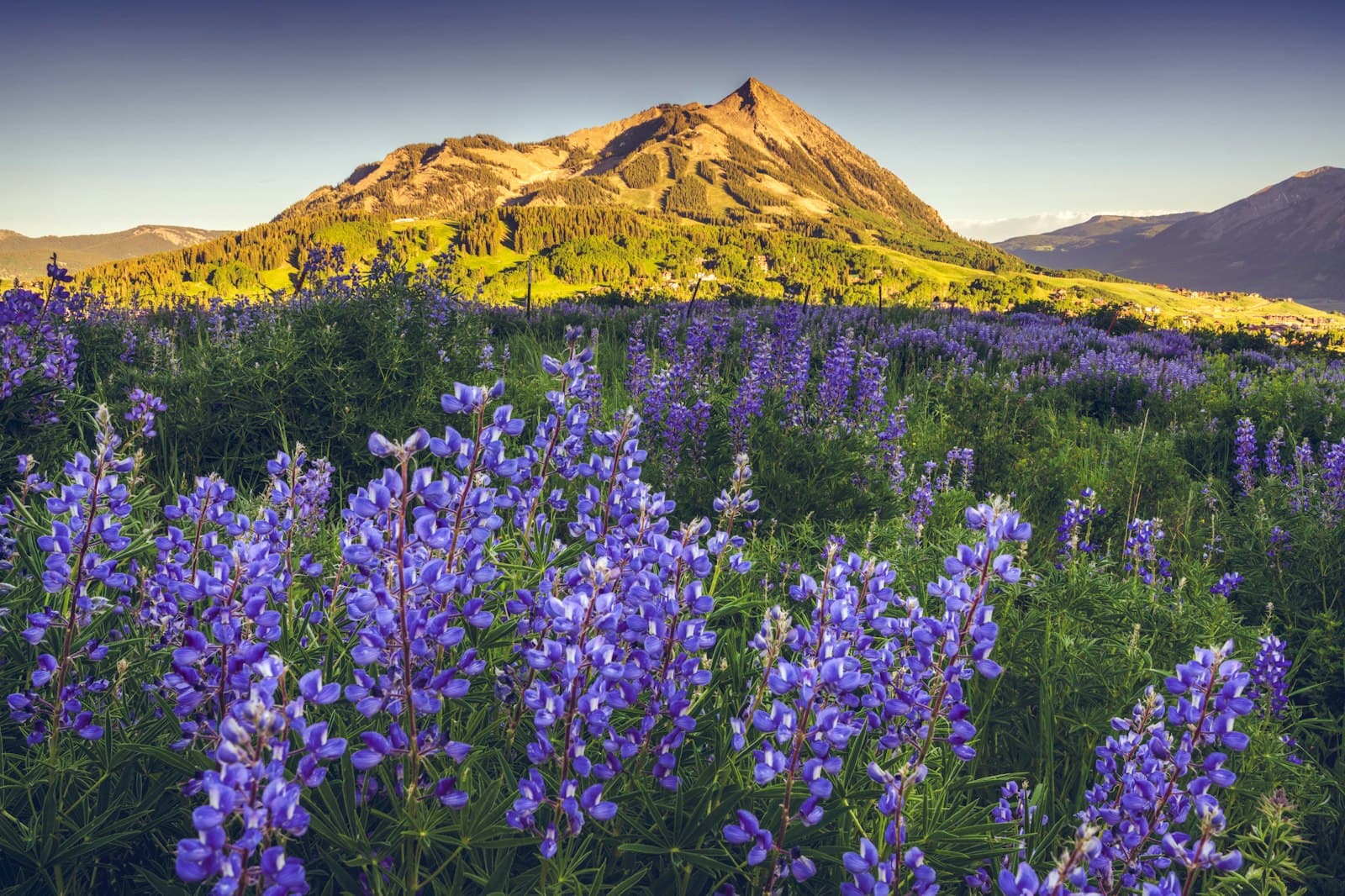
Crested Butte, settled at an elevation of 8,885 feet amidst the Elk Mountains, offers a singular Colorado experience. Known as the 'Wildflower Capital of Colorado,' its hillsides erupt with color during the summer months. This former coal mining community has blossomed into a center for outdoor adventure, celebrated for its challenging skiing terrain and its foundational role in the sport of mountain biking.
The town maintains an easygoing, free-spirited character, visible in its brightly painted historic downtown, which holds a designation as a National Historic District. Unlike many resort towns, Crested Butte operates without traffic lights, chain stores, or towering structures, cultivating an inviting, community-focused atmosphere.
Encompassed by over two million acres of national forest, Crested Butte provides expansive opportunities for exploration, from scenic drives to backcountry pursuits. It is a place where the past is palpable in its architecture and the present is lived outdoors, drawing visitors who seek both allure and excitement.
From Ute Lands to Mining Boom
The Gunnison Valley, where Crested Butte is situated, served as a summer residence for the Ute Native Americans, who frequented the area for hunting. European explorers, including Captain John W. Gunnison in 1853, began surveying the region, eventually leading to the displacement of the Ute people.
Crested Butte received its name in 1873 from geologist Ferdinand Hayden, who, observing from Teocalli Peak, referred to the present-day Crested Butte and Gothic Mountains as 'the crested buttes.' Howard F. Smith, considered the town's founder, laid out the settlement by 1878. Initially drawn by extensive coal deposits, Smith first established a smelter and sawmill to support the surrounding hard rock mining camps.
Coal and Resilience
The town was incorporated on July 3, 1880, with a population of approximately 400 people, growing to 1,000 by 1882. The arrival of the Denver & Rio Grande Railroad in 1881 proved vital, ending Crested Butte's isolation and fueling the expansion of its coal industry. While silver mining declined in 1893, causing the demise of many other towns, Crested Butte endured due to its substantial bituminous coal reserves.
Colorado Fuel and Iron (CF&I) became a significant employer, owning the town's coke ovens and operating the Big Mine, which by 1902 was Colorado's third-largest coal mine. Crested Butte became a company town, experiencing labor strikes in 1891, 1913, and 1927 over wages and pay reductions. The Big Mine operated for 58 years, closing in 1952, marking the conclusion of coal mining in Crested Butte.
The Ski Town Era
After the mines ceased operation and the railroad tracks were removed in 1955, Crested Butte confronted potential decline. However, the ski industry breathed new life into the town. Crested Butte Mountain Resort (CBMR) opened in 1961, established by Dick Eflin and Fred Rice. The resort installed its first gondola in 1963, only the second in Colorado. Despite initial challenges, CBMR's demanding terrain and abundant snowfall helped solidify Crested Butte as a prominent ski destination, recognized for pioneering freeskiing and hosting extreme skiing competitions. The town also played a significant role in the early days of mountain biking, with locals adapting bikes for the rugged terrain in the 1970s.
Stroll along Elk Avenue, the primary thoroughfare of Crested Butte, which forms part of a National Historic District. The avenue is lined with brightly painted Victorian-era buildings housing local shops, art galleries, and dining establishments.
For a deeper understanding of the area's past, visit the Crested Butte Mountain Heritage Museum. It displays artifacts from the coal mining era and pieces from the original Mountain Bike Hall of Fame, acknowledging Crested Butte's role in the sport's beginnings.
Outdoor enthusiasts will find a wealth of choices. In summer, explore the extensive network of hiking and mountain biking trails. The Lower Loop Trail, accessible from downtown, provides an easy nine-mile mountain biking circuit along the Slate River, showcasing wildflower meadows in July. For expansive views, ride the Silver Queen lift to just below the summit of Crested Butte Mountain. The nearby ghost town of Gothic, merely seven miles north, offers a glimpse into the region's mining history.
During winter, Crested Butte Mountain Resort offers over 1,500 acres of skiable terrain, including some of North America's most challenging runs. The Crested Butte Nordic Center provides 55 kilometers of groomed trails for cross-country skiing, fat biking, and snowshoeing.
Crested Butte welcomes visitors throughout the year, with each season presenting distinct activities. Summer, particularly July, is popular for wildflowers, hiking, and mountain biking, with peak wildflower blooms typically occurring mid-July. Autumn brings striking golden aspen foliage, especially along Kebler Pass, and pleasant weather for exploring trails. Winter, from late November to early April, is ideal for skiing and snowboarding, with January often delivering the best snow conditions. Spring, or 'mud season,' can be quieter, offering cooler weather and spring skiing.
Crested Butte is located 28 miles north of Gunnison, Colorado, at an elevation of 8,885 feet. The Gunnison-Crested Butte Regional Airport (GUC) is the nearest airport, approximately a 30-minute drive away. Shuttle services and car rentals are available from the airport. A complimentary bus system operates between Gunnison, Crested Butte, and Mt. Crested Butte.
Layered clothing is advisable year-round due to rapid temperature fluctuations in the mountains. Even in summer, evenings can be cool. The town maintains a casual dress code. Be mindful of the high altitude, as it can heighten the effects of alcohol; staying hydrated is essential.
Overnight parking on town streets in Crested Butte and Mt. Crested Butte is strictly regulated, and there are no public overnight parking lots. Kebler Pass and Cottonwood Pass typically close from November to May, so verify road conditions before traveling during these months.
- What is the population of Crested Butte?
- The population of the Town of Crested Butte is approximately 1,500. However, the broader area, encompassing Mt. Crested Butte and surrounding residential zones, is closer to 4,000.
- Is Crested Butte suitable for families?
- Crested Butte is considered a family-friendly destination, offering a range of activities from beginner ski runs to various summer outdoor pursuits.
- Are dogs permitted on public transportation in Crested Butte?
- Dogs are welcome on Mountain Express public buses under specific conditions, including being registered with the town.
- Where can I find ATMs in Crested Butte?
- ATMs are situated at several banks and stores in Crested Butte, including Bank of the West, Clark's Market & Pharmacy, Community Banks of Colorado, Crested Butte Bank, and Gas Cafe One Stop.
- What is the 'off-season' in Crested Butte?
- Crested Butte experiences two 'shoulder seasons' or 'off-seasons.' The autumn off-season occurs between the summer lifts closing and the winter ski season opening, and the spring off-season is between the ski season closing and the commencement of summer activities. These periods often see fewer crowds.
- Is Crested Butte a good place for extreme skiing?
- Indeed, Crested Butte is celebrated for its extreme skiing terrain, with roughly three-quarters of its terrain classified as intermediate to advanced, including 448 acres of double-black runs. It has hosted significant extreme skiing competitions.