Igreja Nossa Senhora do Rosário e São Benedito
Questa chiesa, costruita da schiavi, custodisce un segreto nelle sue stesse fondamenta.
La storia completa si sblocca nel tour
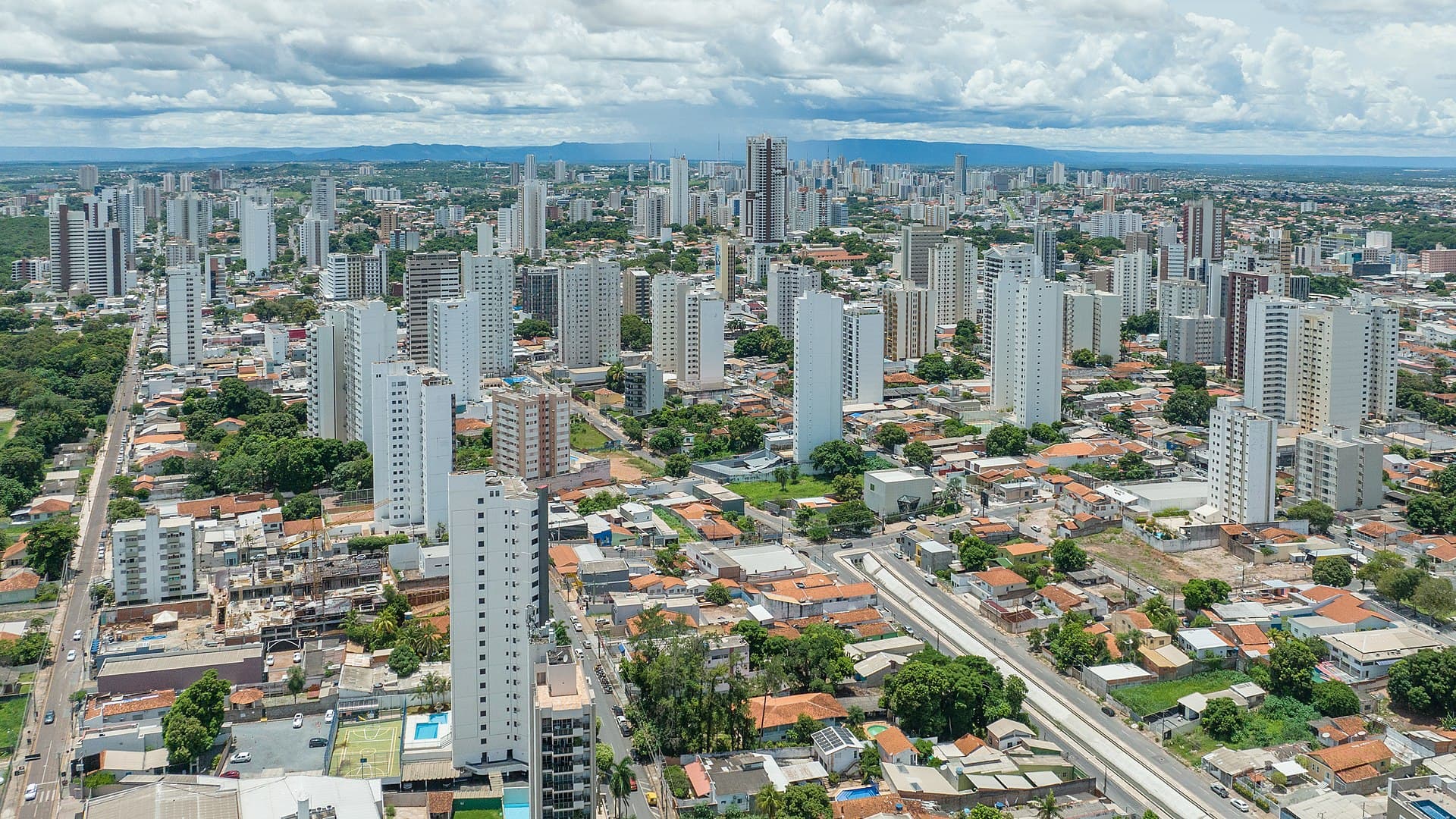 Arne Müseler / CC BY-SA 3.0 de, via Wikimedia Commons
Tour audio autoguidato di Cuiabá — percorso GPS a piedi, riproduzione offline, narrazione coinvolgente in 32 lingue.
“Dove l'Amazzonia incontra il Pantanal e il passato respira nel presente.”
Non le cartoline. Le storie che nemmeno i locali conoscono — sussurrate nel tuo orecchio, proprio dove sono accadute.
Questa chiesa, costruita da schiavi, custodisce un segreto nelle sue stesse fondamenta.
Cuiabá si dichiara il cuore di un continente, ma il vero 'centro' è un bersaglio mobile.
Oltre ai frutti esotici e all'artigianato locale, questo mercato serviva un tempo uno scopo molto diverso e più vitale.
Scopri ogni segreto di Cuiabá
Ogni indirizzo, ogni rivelazione completa — nel tuo orecchio, proprio dove è accaduta.
Scegli le tue tappe. Cammini. La voce rivela ciò che gli altri perdono.

Lume include una guida in realtà aumentata. Alza il telefono: la fotocamera mostra la strada davanti a te, con una freccia luminosa sovrapposta all'immagine reale che punta sempre verso la tua prossima tappa — nessuna mappa da decifrare, nessuna svolta sbagliata. Come tutto in Lume, funziona completamente offline.
Cuiabá, la capitale del Mato Grosso, Brasile, è spesso percepita come una città sospesa tra mondi. È un luogo dove il ronzio del cemento della vita urbana lascia rapidamente il posto alla vasta e selvaggia natura del Pantanal a sud e alla foresta pluviale amazzonica a nord. Questa posizione geografica unica conferisce a Cuiabá un'identità distinta, una città di accesso ad alcuni degli ecosistemi più biodiversi del pianeta. L'aria qui porta il profumo della terra rossa e della pioggia tropicale, un costante promemoria del suo profondo legame con la terra.
La città stessa è una ricca fusione tessuta da tradizioni indigene, influenze coloniali e dal battito continuo del Brasile moderno. Il suo centro storico, sebbene compatto, offre scorci di un passato plasmato dalle corse all'oro e dai boom della gomma, mentre i suoi quartieri contemporanei riflettono una crescente potenza agricola. Sperimentare Cuiabá significa comprendere l'intricata danza tra l'ingegno umano e la forza travolgente della natura, il tutto sotto il sole implacabile e dorato del Brasile centrale.
## La Corsa all'Oro e i Primi Insediamenti Le origini di Cuiabá sono indissolubilmente legate alla corsa all'oro brasiliana dei primi del XVIII secolo. Nel 1719, il cercatore d'oro Pascoal Moreira Cabral scoprì significativi giacimenti d'oro nella regione, portando a un rapido afflusso di cercatori di fortuna. L'insediamento, inizialmente un campo minerario, crebbe rapidamente e fu ufficialmente fondato come Cuiabá nel 1727. La sua posizione strategica sul fiume Cuiabá, un affluente del fiume Paraguay, ne fece un avamposto cruciale per l'esplorazione e il commercio nell'interno del Brasile. La domanda di manodopera nelle miniere d'oro portò all'uso diffuso di indigeni e africani schiavizzati, i cui contributi sono ancora visibili nell'architettura precoce e nelle tradizioni culturali della città.
## Sviluppo Coloniale e Isolamento Durante il periodo coloniale, Cuiabá rimase una città di frontiera relativamente isolata, collegata alle città costiere principalmente attraverso ardui viaggi fluviali. Questo isolamento favorì una cultura locale unica, distinta dalle regioni costiere più influenzate dall'Europa. La città divenne la capitale della Capitaneria del Mato Grosso nel 1748, consolidando la sua importanza amministrativa. Nonostante la sua posizione remota, Cuiabá svolse un ruolo nelle dispute territoriali del Brasile con le vicine colonie spagnole, fungendo da roccaforte difensiva. Il declino della corsa all'oro alla fine del XVIII secolo portò a un periodo di stagnazione economica, ma la città perseverò, affidandosi all'agricoltura di sussistenza e all'allevamento bovino.
## Crescita Moderna e Significato Ambientale Il XX secolo portò una rinnovata crescita a Cuiabá, in particolare con il miglioramento delle infrastrutture di trasporto, comprese strade e viaggi aerei, che la collegarono meglio al resto del Brasile. L'economia della città si diversificò, con l'agricoltura, in particolare soia e cotone, che divenne una forza dominante nella regione circostante. Oggi, Cuiabá è un vivace centro regionale, che funge da centro economico e culturale del Mato Grosso. Tuttavia, la sua identità moderna più significativa deriva dalla sua posizione di porta d'accesso a due degli ecosistemi più vitali del mondo: il Pantanal, la più grande zona umida tropicale, e le frange meridionali della foresta amazzonica. Questo contesto ecologico unico ha posizionato sempre più Cuiabá come centro per l'ecoturismo e la ricerca ambientale, evidenziando sia la sua ricchezza naturale sia le continue sfide della conservazione.
Inizia la tua esplorazione nel Centro Histórico, dove stradine ed edifici di epoca coloniale evocano il passato di Cuiabá. L'Igreja Nossa Senhora do Rosário e São Benedito è una chiesa storicamente significativa costruita da schiavi. Nelle vicinanze, la Catedral Basílica do Senhor Bom Jesus de Cuiabá offre una presenza architettonica più imponente. Per un assaggio della vita locale, passeggia per il Mercado Municipal de Cuiabá, dove puoi trovare prodotti regionali, artigianato e snack tradizionali.
Per comprendere l'unica posizione geografica di Cuiabá, visita il Centro Geodésico da América do Sul, un monumento che segna la pretesa della città di essere il centro del continente. Per un'immersione più profonda nella storia naturale della regione, il Museu Rondon (Museu de História Natural e Antropologia de Mato Grosso) espone manufatti indigeni e fauna locale. Cerca ristoranti che servono moqueca de pintado o arroz com pequi per sperimentare la cucina locale.
Il periodo ideale per visitare Cuiabá è durante la stagione secca, da maggio a settembre. Durante questi mesi, le temperature sono più miti e le precipitazioni minime, rendendolo perfetto per esplorare sia la città che il vicino Pantanal. La stagione delle piogge, da ottobre ad aprile, porta temperature e umidità più elevate, con frequenti piogge intense che possono rendere difficili gli spostamenti verso alcune attrazioni naturali.
L'aeroporto internazionale Marechal Rondon di Cuiabá (CGB) funge da principale porta d'accesso, con collegamenti con le principali città brasiliane. Taxi e servizi di ride-sharing sono facilmente disponibili dall'aeroporto. All'interno della città operano autobus pubblici, ma per comodità si consigliano taxi o servizi di ride-sharing tramite app. L'inglese non è molto parlato, quindi avere un'app di traduzione o frasi base in portoghese sarà utile. Tieni presente il clima tropicale; rimani idratato, usa la protezione solare e indossa abiti leggeri. La valuta locale è il Real Brasiliano (BRL).
Cuiabá — coreano, cinese, ebraico e altre 29 lingue, ogni tappa narrata da una voce madrelingua. La più ampia scelta di lingue tra i tour audio autoguidati.
Disponibile in: