Остров Далки
Этот тихий остров хранит удивительное прошлое, связанное с разрушительным историческим событием.
Полная история открывается в туре
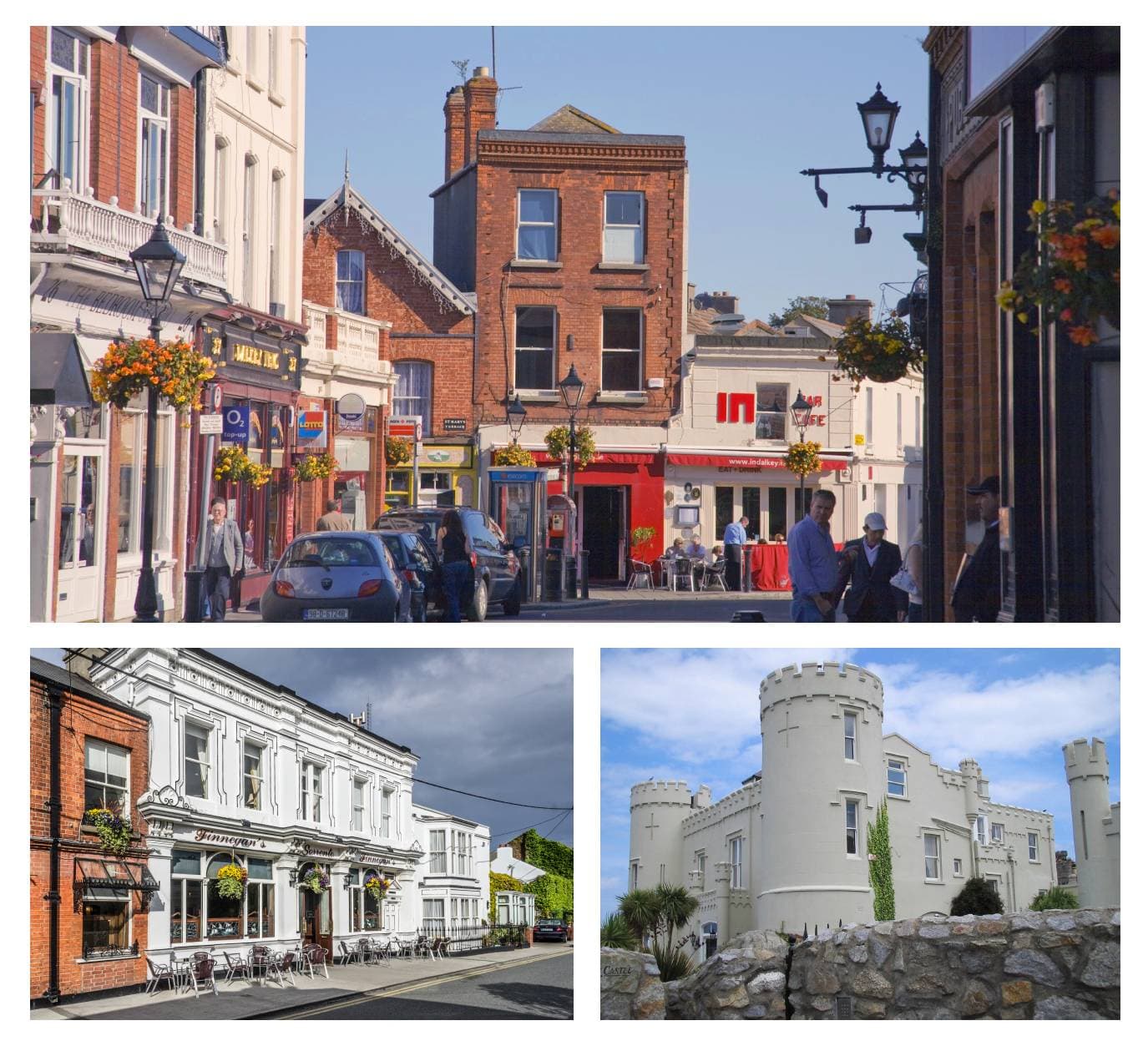 William Murphy / CC BY-SA 2.0, via Wikimedia Commons
Самостоятельная аудиопрогулка по Далки — GPS-маршрут, офлайн-воспроизведение, увлекательное повествование на 32 языках.
“Где древние течения встречаются с современными берегами на побережье Дублина.”
Не открытки. Истории, которые не знают даже местные жители — шепотом в вашем ухе, прямо там, где они произошли.
Этот тихий остров хранит удивительное прошлое, связанное с разрушительным историческим событием.
Название замка имеет любопытное происхождение, не совсем то, что можно было бы ожидать.
Эта живописная дорога была известна не очень приятной практикой, которая вдохновила распространенную фразу.
Откройте для себя каждый секрет Далки
Каждый адрес, каждое полное раскрытие — в вашем ухе, прямо там, где это произошло.
Вы выбираете остановки. Вы гуляете. Голос раскрывает то, что упускают другие.

Ваш самостоятельный аудиотур по Далки готов — выберите свои достопримечательности, выберите свой язык и начните в момент прибытия.
КупитьВ Lume встроен гид дополненной реальности. Поднимите телефон: камера показывает улицу перед вами, а поверх реального изображения светится стрелка, всегда указывающая на вашу следующую остановку — не нужно разбираться с картой и сворачивать не туда. Как и всё в Lume, это работает полностью офлайн.
Далки, пригородный городок в графстве Дан-Лири–Ратдаун к юго-востоку от Дублина, Ирландия, предлагает захватывающее сочетание непреходящей истории, природной красоты и оживленной местной атмосферы. Его название, происходящее от ирландского 'Deilginis', означающего 'остров-колючка', и древнескандинавского 'ey' для острова, указывает на его древние корни как поселения викингов. Сегодня Далки известен своими привлекательными улицами, впечатляющей архитектурой и как излюбленное место проживания многих уважаемых писателей, художников и известных личностей.
Всего в 15 километрах к юго-востоку от Дублина, Далки предлагает мирное убежище от города, оставаясь при этом легко доступным на поезде DART. Прибрежное расположение города открывает обширные виды на Дублинский залив и Ирландское море, а холм Киллини предлагает панорамные виды, которые часто сравнивают с Неаполитанским заливом. Независимо от того, привлекают ли вас его исторические места, литературные связи или просто очарование приморского характера, Далки представляет собой самобытный ирландский опыт.
История Далки уходит корнями в древние времена, с свидетельствами человеческого поселения на острове Далки, датируемыми 4500 г. до н.э., что предшествует Стоунхенджу. Самая ранняя письменная запись о Далки из 'Анналов Четырех Мастеров' относится к строительству Дан-Дейлгиниса (крепости острова-колючки) в 1699 г. до н.э. В 5-м и 6-м веках остров Далки служил стратегической крепостью, а археологические раскопки обнаружили бронзовые булавки, стеклянную посуду и винные сосуды из таких далеких мест, как Греция, Северная Африка и побережье Далмации, что указывает на его значение как оживленного торгового порта.
Город был основан как поселение викингов, а его глубокие воды делали его идеальным портом для крупных кораблей, направлявшихся в Дублин, поскольку мелкие воды реки Лиффи затрудняли швартовку. Это стратегическое преимущество привело к процветанию Далки как порта в Средние века. К 15 веку Далки стал важным центром для оптовых поставок в Дублин. Чтобы защитить ценные товары, выгружаемые в порту, средневековые купцы построили в Далки семь укрепленных замков около 1390 года. Замок Далки, также известный как Замок Козла, является единственным из этих семи замков, открытым для публики сегодня.
По мере того как Дублинский порт углублялся и развивался в 16-м и 17-м веках, значение Далки как торгового порта уменьшилось, и город пережил период упадка, вернувшись к состоянию тихой рыбацкой деревни. Однако его стратегическое прибрежное положение снова стало значимым во время Наполеоновских войн, когда в начале 1800-х годов на острове Далки была построена Мартелло-башня и артиллерийская батарея как часть системы береговой обороны против возможного французского вторжения.
В более недавней истории Далки превратился в один из самых преуспевающих районов Дублина, привлекая писателей, художников и известных личностей. В 1995 году он был признан историческим городом, а Центр замка и наследия Далки, открытый в 1998 году, прославляет непреходящее прошлое города от его первых поселенцев до наших дней.
Начните свое исследование с Замка и центра наследия Далки, укрепленного городского дома 14 века. Здесь актеры в костюмах оживляют средневековую историю с помощью интерактивных экскурсий, демонстрируя такие навыки, как стрельба из лука, и делясь информацией о жизни в эпоху Тюдоров. В Центре наследия также есть Галерея писателей, посвященная 45 признанным ирландским авторам, связанным с этим районом, включая Джеймса Джойса и Мэв Бинчи.
Из гавани Колимор, живописной рыбацкой базы, вы можете отправиться в сезонную лодочную прогулку на остров Далки. Этот необитаемый остров является домом для колонии тюленей и стада диких коз. Исследуйте руины церкви 7 века, посвященной Святой Бегнет, Мартелло-башню эпохи Наполеоновских войн и артиллерийскую батарею. Обратите внимание на разнообразную птицу, включая розовых крачек, вид, имеющий особое природоохранное значение.
Для панорамных видов прогуляйтесь или поднимитесь на холм Киллини, часть Парка холма Киллини. С вершины открывается вид на Дублинский залив, Брэй-Хед, Уиклоуские горы и сам остров Далки. Парк предлагает различные маршруты, от мощеных дорожек до ступеней карьера. Неподалеку карьер Далки — заброшенный гранитный карьер, популярный среди скалолазов. Прогуляйтесь по Сорренто-роуд и Вико-роуд, известным своими впечатляющими прибрежными видами.
Лучшее время для посещения Далки для приятной погоды и активного отдыха — с конца июня до начала сентября. В эти летние месяцы температура самая теплая, в среднем около 16°C (60°F), а продолжительность светового дня самая длинная, что позволяет достаточно времени для исследования. Июль обычно самый ясный месяц. Весна (март-май) и ранняя осень (сентябрь-ноябрь) также предлагают хорошие условия с более мягкой погодой и меньшим количеством туристов. Хотя в Ирландии дожди идут круглый год, погодные изменения обычно не экстремальны.
Далки легко доступен из центра Дублина, примерно в 15 километрах. Вы можете добраться туда на поезде DART, поездка займет около 30 минут из центра города. Автобусы Dublin Bus (7D, 59 и 111) также обслуживают город, а маршрут Aircoach 703 соединяет Далки с аэропортом Дублина примерно за час. Если вы едете на машине, платная парковка доступна напротив замка Далки.
В центре деревни есть ряд пабов, ресторанов, пекарен и магазинов деликатесов. Для традиционного ирландского паба рассмотрите Finnegan's of Dalkey или The King's Inn. Варианты питания включают морепродукты в The Dalkey Duck или блюда французской кухни в The Guinea Pig. Для предметов первой необходимости есть SuperValu на Касл-стрит. Обратите внимание, что на острове Далки нет никаких услуг, поэтому планируйте поездки на лодке соответственно.
Далки: корейский, китайский, иврит и ещё 29 языков — каждую остановку озвучивает носитель языка. Самый широкий выбор языков среди аудиоэкскурсий без гида.
Доступные языки: