Daytona Beach's Riverfront Esplanade
Daytona Beach hatte einst einen geliebten Stadtbewohner, der wirklich "niemandem gehörte, von allen geliebt" wurde.
Die ganze Geschichte wird in der Tour freigeschaltet
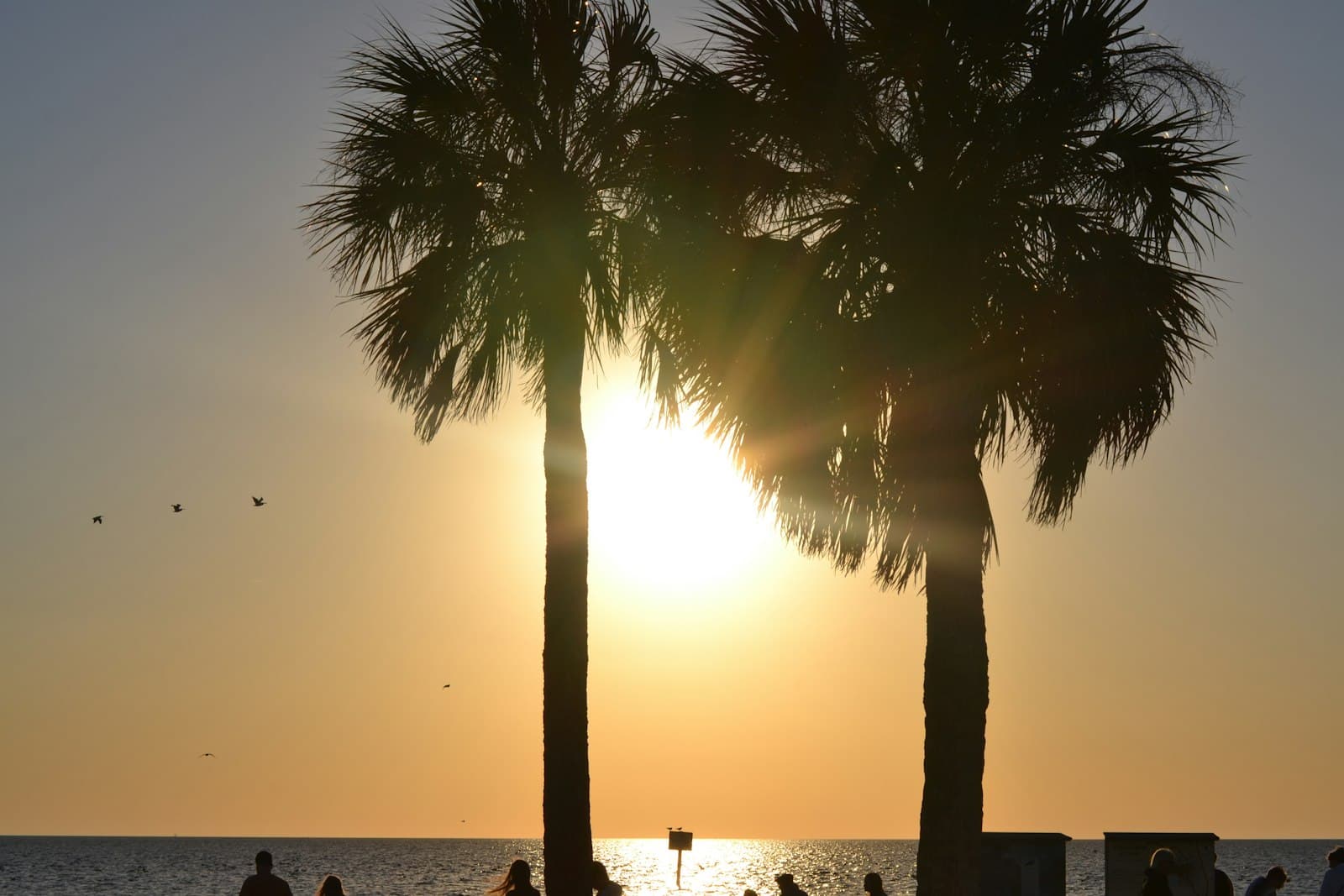 Photo: Meadow Marie / Unsplash
Selbstgeführte Audio-Walking-Tour durch Daytona Beach — GPS-Route, Offline-Wiedergabe, erzählerische Narration in 32 Sprachen.
“Wo das Donnern der Motoren auf das unaufhörliche Rollen des Atlantiks trifft.”
Nicht die Postkarten. Die Geschichten, die selbst Einheimische nicht kennen – dir ins Ohr geflüstert, genau dort, wo sie geschahen.
Daytona Beach hatte einst einen geliebten Stadtbewohner, der wirklich "niemandem gehörte, von allen geliebt" wurde.
Bevor er die Farbbarriere im Baseball in den Major Leagues durchbrach, schrieb Jackie Robinson auf einem Feld in Daytona Beach Geschichte.
Die Organisation, die den Stock-Car-Rennsport definiert, entstand auf dem Dach eines Hotels in Daytona Beach.
Entdecke jedes Geheimnis von Daytona Beach
Jede Adresse, jede Enthüllung vollständig – in deinem Ohr, genau dort, wo es geschah.
Du wählst deine Stationen. Du gehst. Die Stimme enthüllt, was andere übersehen.


Deine selbstgeführte Audio-Tour durch Daytona Beach ist bereit – wähle deine Sehenswürdigkeiten, deine Sprache und starte, sobald du ankommst.
KaufenLume enthält einen integrierten Augmented-Reality-Guide. Halten Sie Ihr Handy hoch: Die Kamera zeigt die Straße vor Ihnen, mit einem leuchtenden Pfeil über dem echten Bild, der immer auf Ihren nächsten Stopp zeigt — keine Karte zum Rätseln, keine falschen Abzweigungen. Wie alles bei Lume funktioniert es komplett offline.
Daytona Beach, an der zentralen Ostküste Floridas gelegen, ist eine Stadt, in der Geschwindigkeit und Sonnenschein ineinander übergehen. International bekannt für seine festen, breiten Sandstrände, die einst als Testgelände für Automobilpioniere dienten, zieht es Besucher nach wie vor mit seinem Motorsport-Erbe und dem einladenden Atlantikwasser an.
Jenseits des Motorengeräuschs entfaltet Daytona Beach ein vielfältiges Küstenerlebnis. Von seinem historischen Pier bis zum ruhigen Halifax River bietet die Stadt eine Mischung aus lebhaften Attraktionen und natürlicher Pracht. Es ist ein Ort, an dem das Erbe von Landgeschwindigkeitsrekorden mit einer Gegenwart von Strandaktivitäten und kulturellen Erkundungen verschmilzt.
Das Gebiet, das heute als Daytona Beach bekannt ist, war ursprünglich seit Tausenden von Jahren die Heimat der Timucuan-Indianer, deren Präsenz bereits 3.000 v. Chr. nachweisbar ist. Die europäische Erkundung begann im 16. Jahrhundert mit spanischen Entdeckern wie Ponce de Leon, der 1513 die nahe gelegenen DeLeon Springs entdeckte. Spanien beanspruchte Florida für sich, doch die Region blieb jahrhundertelang dünn von Europäern besiedelt.
Während der britischen Herrschaft (1763-1783) wurde die King's Road gebaut, die durch das heutige Daytona Beach führte. Nach dem Amerikanischen Revolutionskrieg beanspruchte Spanien Florida zurück, und 1804 erhielt Samuel Williams eine Landzuteilung von 3.000 Hektar. Williams errichtete eine Plantage für Baumwolle, Reis und Zuckerrohr, die um 1835-1836 während des Zweiten Seminolenkriegs zerstört wurde.
Die modernen Ursprünge von Daytona Beach reichen bis ins Jahr 1870 zurück, als Mathias Day, Jr., ein Erfinder und Zeitungsverleger aus Ohio, ein beträchtliches Stück Land am Halifax River erwarb. Er visionierte eine Ferienanlage und baute ein Hotel, um das herum eine kleine Siedlung wuchs. Obwohl Day auf finanzielle Schwierigkeiten stieß und 1872 sein Land verlor, benannten die Bewohner die angrenzende Stadt Daytona zu seinen Ehren, als sie 1876 eingemeindet wurde.
Das Wachstum beschleunigte sich mit der Ankunft der Eisenbahn im Jahr 1890. Anfang des 20. Jahrhunderts wurden die weitläufigen, glatten und festen Sandstrände von Daytona zu einem prägenden Merkmal, das frühe Automobilenthusiasten anzog. Automobil- und Motorradrennen begannen 1902, als Pioniere ihre Erfindungen testeten und Landgeschwindigkeitsrekorde aufstellten. Diese Ära brachte Daytona Beach den Spitznamen "The World's Most Famous Beach" ein.
Die getrennten Städte Daytona, Daytona Beach und Seabreeze vereinigten sich 1926 zur konsolidierten Stadt Daytona Beach. Strandrennen fanden bis zur Eröffnung des Daytona International Speedway im Jahr 1959 statt, der das Eröffnungsrennen der Daytona 500 ausrichtete. Die Stadt spielte auch eine bedeutende Rolle in der Bürgerrechtsgeschichte; 1941 nahm Jackie Robinson hier am ersten integrierten Frühjahrstraining-Baseballspiel teil. Heute verbindet Daytona Beach seine historischen Grundlagen mit seinem Ruf als führendes Motorsportziel und feiert gleichzeitig seine Strandkultur und vielfältigen Attraktionen.
Daytona Beach bietet eine Reihe von Sehenswürdigkeiten, von seiner ikonischen Küstenlinie bis zu historischen Markierungen. Der Daytona International Speedway ist für Motorsportfans unerlässlich und richtet die Daytona 500 aus und bietet Touren durch das "World Center of Racing". Für ein Maß an Geschichte und weite Ausblicke erklimmen Sie den Ponce Inlet Lighthouse, Floridas höchsten Leuchtturm und ein National Historic Landmark. Das begleitende Museum bietet Einblicke in seine 130-jährige Betriebszeit.
Der Daytona Beach Pier bietet klassische Seaside-Unterhaltung, Angelmöglichkeiten und Meerblicke. Für einen Spaziergang durch die Natur erkunden Sie den Tomoka State Park, der das Land schützt, das einst von den Timucua bewohnt wurde. Das Halifax Historical Museum bietet eine tiefere Erkundung der Vergangenheit der Region, einschließlich Ausstellungen über Autorennen und Bürgerrechte. Besuchen Sie unbedingt den Jackie Robinson Ballpark, einen historischen Ort, an dem die Baseballlegende das erste integrierte Frühjahrstraining-Spiel bestritt. Für eine besondere lokale Ehrung besuchen Sie Brownies Grab und Denkmal an der Riverfront Esplanade, das den geschätzten Stadt-Hund von Daytona Beach ehrt.
Die Übergangszeiten von März bis Mai und September bis November gelten oft als die günstigsten Zeiten für einen Besuch in Daytona Beach für angenehmes Wetter und weniger Menschenmassen. In diesen Perioden sind die Temperaturen angenehm, und Sie können oft bessere Preise für Unterkünfte außerhalb der großen Veranstaltungs-Wochenenden erzielen. Während die Sommermonate (Juni bis August) warmes Meerwasser für Schwimmen und Wassersport bieten, bringen sie auch erhöhte Luftfeuchtigkeit und mehr Niederschlag. Der Winter (Dezember bis Februar) ist kühler und kann eine Hochsaison für Veranstaltungen wie die Daytona 500 sein, die beträchtliche Menschenmengen anzieht.
Daytona Beach ist leicht erreichbar, 55 Meilen südlich von St. Augustine und 57 Meilen nordöstlich von Orlando gelegen. Der nächstgelegene Flughafen ist der Daytona Beach International Airport (DAB), auch der Orlando Sanford International Airport (SFB) ist in der Nähe. Die Navigation in der Stadt ist unkompliziert, mit breiten Straßen und der 23 Meilen langen Atlantic Avenue, die parallel zum Strand verläuft. Das Fahren auf bestimmten Abschnitten des festen Sandstrandes ist gegen eine geringe Gebühr erlaubt, eine Praxis, die bis zu den frühen Autorennen zurückreicht. Der Votran-Busdienst bietet eine preiswerte öffentliche Verkehrsoption. Für diejenigen, die zwei Räder bevorzugen, sind die verdichteten Strände und zahlreichen Wege hervorragend zum Radfahren geeignet. Die Unterkünfte reichen von Hotels und Resorts am Meer bis hin zu Bed & Breakfasts und Wohnmobilstellplätzen, die verschiedenen Budgets entsprechen.
Daytona Beach — Koreanisch, Chinesisch, Hebräisch und 29 weitere Sprachen, jede Station von einer muttersprachlichen Stimme erzählt. Die größte Sprachauswahl aller selbstgeführten Audiotouren.
Verfügbar auf: