St. Jovan Bigorski Monastery
A miraculous icon guided the founding of this enduring monastery.
Full story unlocks in the tour
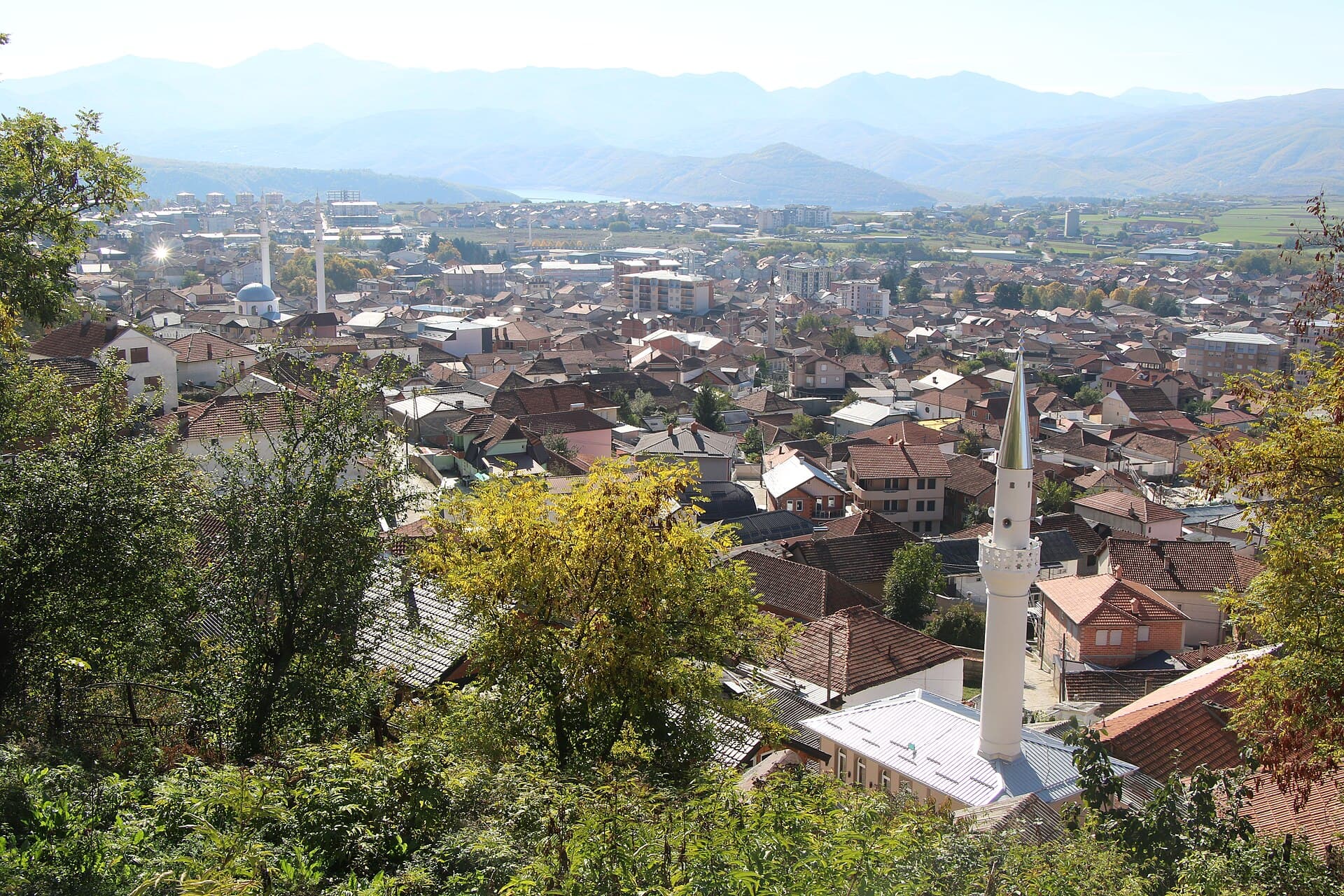 44martin88 / CC BY-SA 4.0, via Wikimedia Commons
Self-guided audio walking tour of Debar — GPS route, offline playback, story-driven narration in 32 languages.
“Where mountains embrace water, and enduring crafts recount their origins.”
Not the postcards. The stories even locals don't know — whispered in your ear, right where they happened.
A miraculous icon guided the founding of this enduring monastery.
The intricate wooden artistry found across the Balkans has its beginnings in Debar.
The restorative waters near Debar are considered among the finest in Europe.
Discover every secret of Debar
Every address, every reveal in full — in your ear, right where it happened.
You pick your stops. You walk. The voice reveals what the others miss.
Your self-guided audio tour of Debar is ready — pick your landmarks, choose your language, and start the moment you arrive.
BuyLume has a built-in augmented-reality guide. Hold your phone up and its camera shows the street ahead of you, with a glowing arrow laid over the real view that always points to your next stop — no map to puzzle over, no wrong turns. Like everything in Lume, it works fully offline.
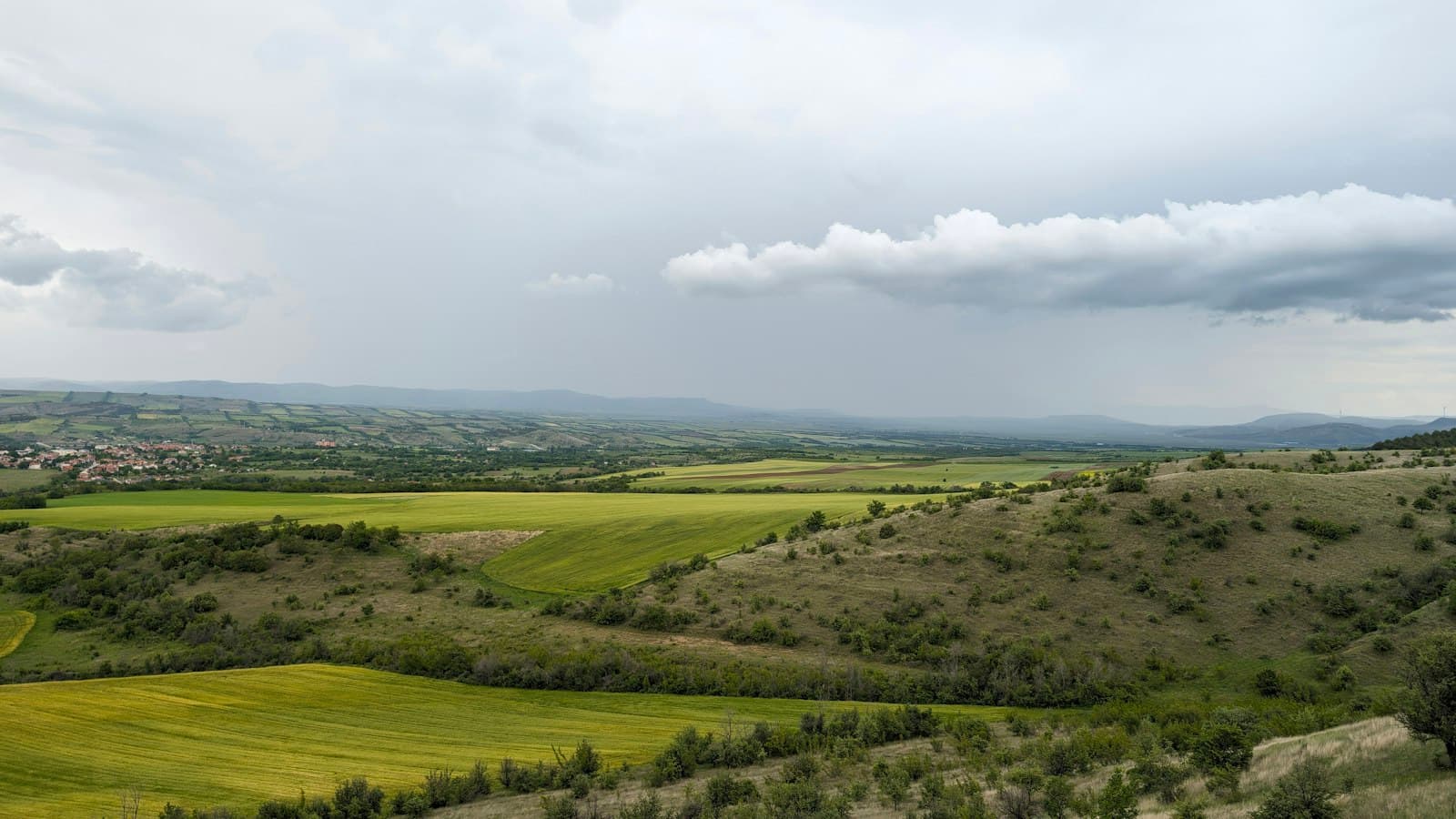
Debar, a city in western North Macedonia, rests at the confluence of the Black Drin and Radika rivers, framed by the Stogovo and Jablanica mountains and the expansive Debar Lake. This strategic location, near the Albanian border, has shaped its identity as a meeting point of cultures and traditions. The city offers a blend of natural splendor, from the tranquil lake views to the rugged mountain landscapes, and a detailed historical fabric woven with Ottoman-era character and local warmth.
Often described as a city of shared existence, Debar is a mosaic of Macedonian, Albanian, Turkish, and Roma traditions, where diverse celebrations like Bajram and Easter are observed in harmony. It's a place where the fragrance of fresh bread from local bakeries mingles with the crisp mountain air, inviting exploration of its winding streets and lively culture. Debar provides a more authentic, less refined experience compared to some of North Macedonia's more prominent tourist destinations, appealing to those seeking genuine local encounters and a base for outdoor adventures.
## From Ancient Roots to Ottoman Influence Debar's history reaches back to antiquity, first appearing on Ptolemy's map in the mid-2nd century as 'Deborus.' The region has been continuously inhabited since the arrival of the Slavs in the 7th and 8th centuries, with a majority of its village names having Slavic origins. Throughout the Byzantine era, and the 13th and 14th centuries, Debar frequently changed hands, becoming part of the Byzantine, Serbian, and Bulgarian Empires at various times.
## The Ottoman Era and Skanderbeg In 1395, Debar came under Ottoman Turkish rule, becoming the seat of the Sanjak of Dibra. The 15th century witnessed significant resistance against the Ottomans, notably led by Gjergj Kastrioti, known as Skanderbeg, the Albanian national hero. He was appointed sanjakbey of Debar in 1440 and later rebelled, leading forces in major battles near the city in 1444 and 1446, both resulting in Albanian victories. During this period, Debar was an important frontier and a center for trade and crafts, drawing merchants and travelers.
## A Flourishing of Craftsmanship The 17th to 19th centuries marked a period of economic prosperity for Debar, particularly due to the celebrated Debar Woodcarving School. Master craftsmen from this school created exquisite iconostases for churches across the Balkans and even in Russia, leaving a lasting legacy of artistry. The town's architecture during this time also reflected Ottoman influences, with distinctive house designs featuring dolapi, minderlaci, and chardaci.
## 20th Century and Beyond The early 20th century brought further upheaval, with Debar experiencing various occupations, including by the Kingdom of Serbia, Bulgaria, and during World War II, annexation into Italian-controlled Albania. These periods led to significant demographic shifts, with many Macedonian Slavs leaving for Skopje, where a refugee neighborhood called Debarsko Maalo was established. Today, Debar continues to evolve, balancing its enduring historical heritage with its role as a modern border town, known for its natural beauty and unique cultural blend.
Debar offers a unique blend of natural beauty and cultural landmarks. Begin with a walk through the Old Town, where winding paths lead past traditional stone houses and the historic Inkjar Mosque, built in the 15th century by order of Sultan Mehmed Fatih the Conqueror. The remnants of a Turkish bath can also be found in the city center.
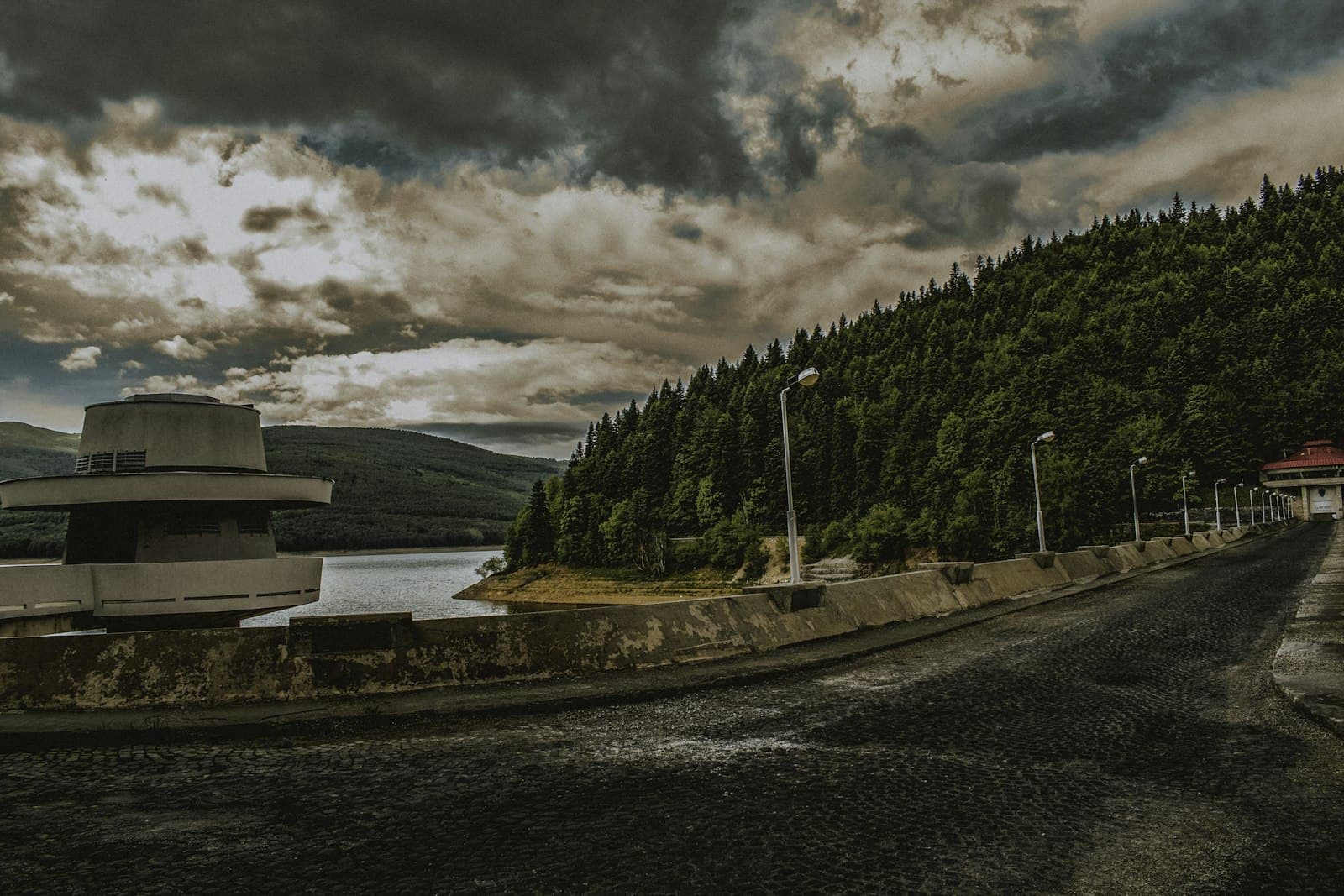
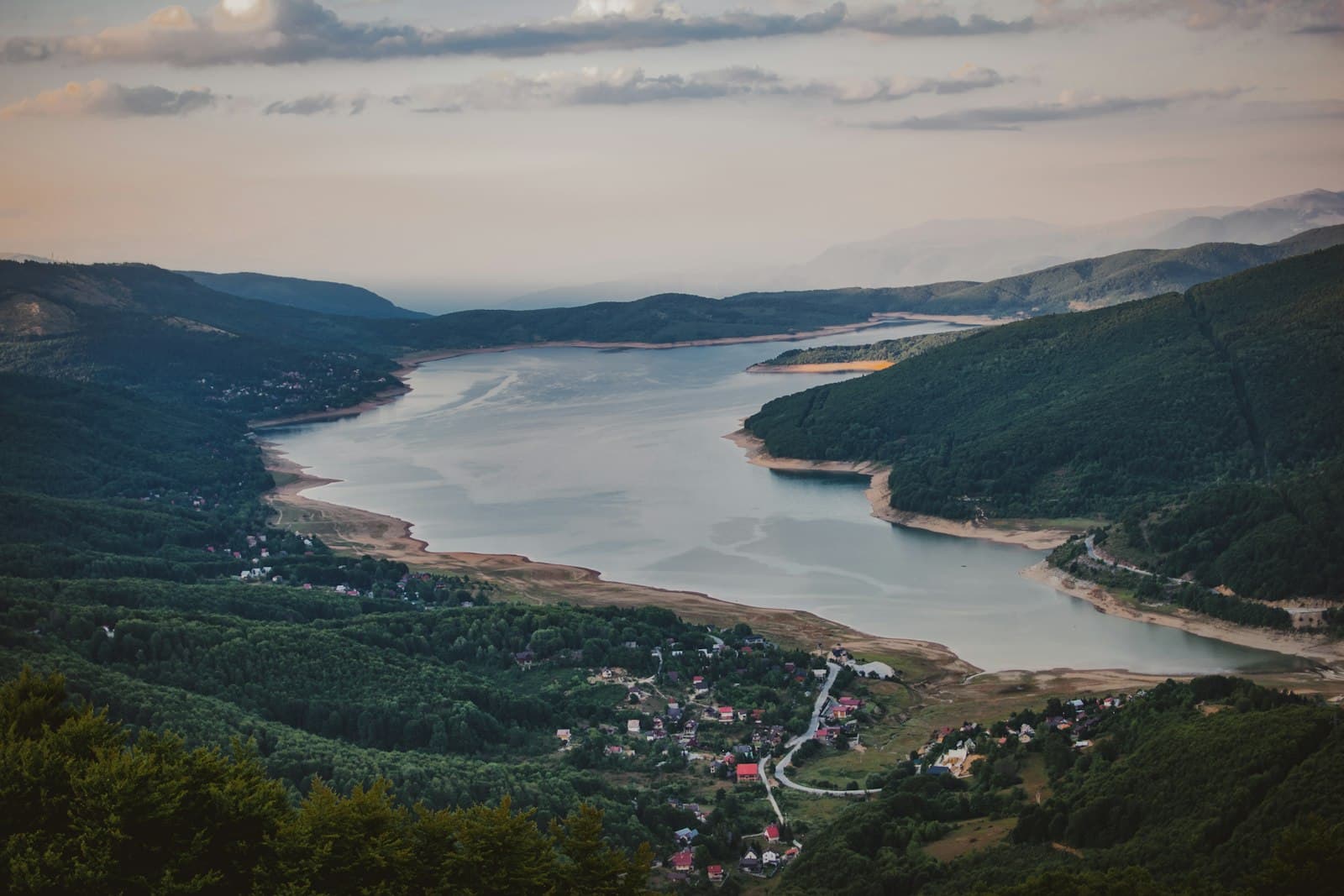
Just outside the city, the artificial Debar Lake (also known as Shpilje) is a major draw, offering compelling waterfront scenery and opportunities for fishing. The lake is encircled by the grand mountains of the Mavrovo National Park. For spiritual and artistic immersion, visit the St. Jovan Bigorski Monastery, a fully active monastery established in 1020, recognized for its miraculous icon of St. John the Baptist and its impressive 19th-century wood-carved iconostasis. Nearby, the all-female Rajčica Monastery, dedicated to St. George the Victorious, also offers spiritual peace and expansive views.
For relaxation and wellness, the Debar Spas in Banjishte and Kosovrasti are known for their restorative thermal-mineral waters, considered among the finest in Europe. Nature enthusiasts can explore the nearby Radika River Canyon and the broader Mavrovo National Park, which offers compelling landscapes and diverse flora and fauna.
The best time to visit Debar for warm-weather activities and enjoying its natural beauty is from mid-June to early September. During these months, the weather is warm and sunny, ideal for exploring Debar Lake, hiking, and visiting outdoor sites. July is particularly clear and sunny, with minimal rainfall.
Shoulder seasons, May-June and September-October, also offer pleasant weather with fewer crowds, making them excellent for hiking and cultural exploration. By November, the rains arrive, and winters (November-March) are cold and snowy, limiting outdoor activities.
Debar is a compact town, easily explored on foot. For longer distances or day trips, local buses and taxis are available and affordable. Bus rides within town or to nearby villages cost around €0.30-€0.50, while taxis start at about €2.
Accommodation options include guesthouses and small hostels, with dorm beds or shared rooms typically ranging from €8-€12 per night. For those seeking wellness, hotels at the Debar Spas in Banjishte and Kosovrasti offer medical treatments and thermal pools.
Food is excellent value, with local bakeries and eateries serving hearty Macedonian staples like burek or tavče gravče for €2-€4 per meal. A sit-down meal might cost €5-€8. While generally safe, it's advisable to be aware in crowded market areas to prevent petty theft. Wi-Fi is often free in guesthouses and cafes.
Debar in Korean, in Chinese or in Hebrew — and 29 more languages, every stop narrated by a native voice. The widest language range of any self-guided audio tour.
Available in: