Villa Romana de Desenzano del Garda
O próprio nome 'Desenzano' pode sussurrar sobre uma figura romana poderosa, em vez de meramente descrever a paisagem.
História completa desbloqueada no tour
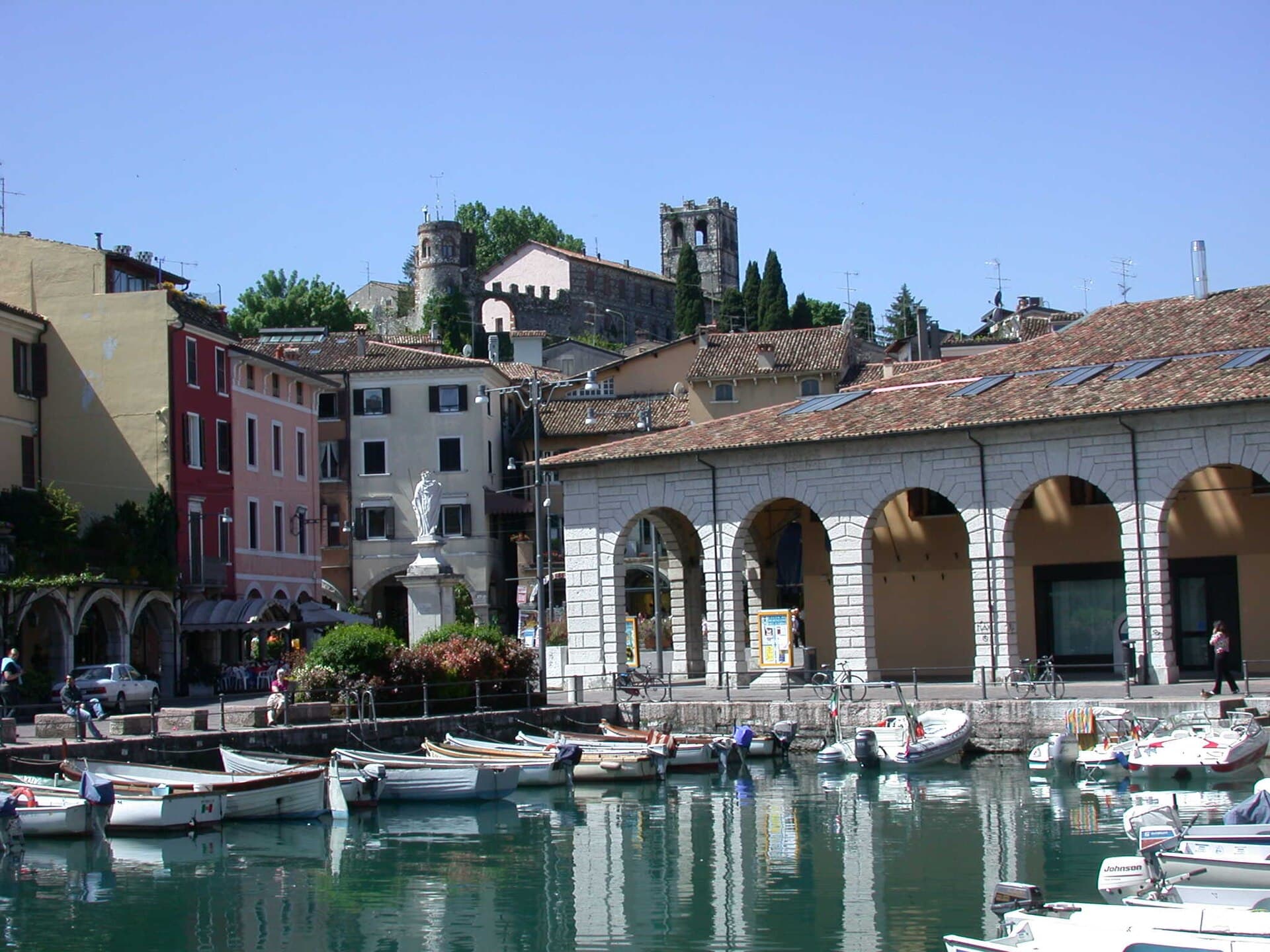 No machine-readable author provided. RicciSpeziari~commonswiki assumed (based on copyright claims). / CC BY-SA 3.0, via Wikimedia Commons
Tour de áudio autoguiado por Desenzano del Garda — rota GPS a pé, reprodução offline, narração envolvente em 32 idiomas.
“Onde os ecos da grandeza romana encontram o pulso vibrante da existência à beira do lago.”
Não os postais. As histórias que nem os locais conhecem — sussurradas ao seu ouvido, exatamente onde aconteceram.
O próprio nome 'Desenzano' pode sussurrar sobre uma figura romana poderosa, em vez de meramente descrever a paisagem.
Uma ponte charmosa no porto antigo esconde uma verdade surpreendente sobre sua idade e seu caráter veneziano.
Este museu local guarda um artefato tão antigo e profundo que remodela nossa compreensão da agricultura primitiva.
Descubra cada segredo de Desenzano del Garda
Cada endereço, cada revelação na íntegra — no seu ouvido, exatamente onde aconteceu.
Você escolhe as suas paragens. Você caminha. A voz revela o que os outros perdem.


O seu tour áudio autoguiado de Desenzano del Garda está pronto — escolha os seus pontos de interesse, selecione o seu idioma e comece no momento em que chegar.
ComprarA Lume inclui um guia de realidade aumentada. Levante o telemóvel: a câmara mostra a rua à sua frente, com uma seta luminosa sobreposta à imagem real que aponta sempre para a sua próxima paragem — sem mapa para decifrar, sem voltas erradas. Como tudo na Lume, funciona totalmente offline.
Desenzano del Garda, o maior assentamento ao longo da extensão sudoeste do Lago de Garda, na Lombardia, Itália, desdobra uma mistura cativante de profundas raízes históricas e vitalidade contemporânea. É um lugar onde os vestígios da Roma Antiga ficam a poucos passos de praças animadas e de uma orla vibrante. Frequentemente considerada um núcleo prático e enérgico, Desenzano serve como um excelente ponto de partida para descobrir a região mais ampla do Lago de Garda, oferecendo conexões de trânsito convenientes para as principais cidades italianas.
A atração da cidade reside em sua capacidade de oferecer uma experiência multifacetada. As manhãs podem ser dedicadas a explorar milênios de presença humana, de implementos pré-históricos a grandiosas propriedades romanas, enquanto as tardes convidam a passeios tranquilos ao longo da margem do lago, examinando lojas locais ou saboreando pratos regionais. Ao cair da noite, Desenzano passa por uma transformação, oferecendo uma cena noturna dinâmica que a distingue de alguns de seus vizinhos lacustres mais tranquilos.
Com vistas emolduradas pelo Monte Corno a oeste e pela península de Sirmione a leste, Desenzano del Garda apresenta um quadro pitoresco. Sua baía em forma de leque e clima mediterrâneo, notáveis para um lago de montanha, contribuem para seu apelo, tornando-o um destino querido tanto para residentes italianos quanto para viajantes internacionais que buscam uma fusão de herança, repouso e atividade.
O terreno ao redor de Desenzano del Garda revela uma narrativa que remonta à Idade do Bronze, com evidências de comunidades primitivas datando de aproximadamente 1800 a.C. Sua posição estratégica na interseção de rotas leste-oeste e norte-sul a estabeleceu como um importante posto comercial desde seus primeiros dias. No século I a.C., Desenzano já havia se tornado um refúgio favorito para os cidadãos abastados de Verona, uma das maiores cidades romanas do nordeste da Itália.
O legado romano mais duradouro é a Villa Romana, uma vasta propriedade construída no século I a.C. e expandida até o século IV d.C. Descoberta por acaso durante uma construção na década de 1920, esta vila é considerada um dos principais exemplos de uma residência de mercador de sucesso da era romana no norte da Itália, exibindo mosaicos impressionantes que retratam rotinas diárias, expedições de caça e cenas de pesca. A designação da cidade, Desenzano, teoriza-se que se origina de Decentius, o suposto proprietário desta magnífica vila.
Após o declínio do Império Romano, Desenzano, como muitos outros assentamentos ao redor do Lago de Garda, sofreu incursões sucessivas. Por volta de 1000 d.C., um castelo foi erguido, provavelmente sobre os restos de uma torre romana anterior, para proteger a população de bandidos e ataques húngaros. Esta fortaleza medieval, posteriormente reforçada no século XV, abrigou mais de cem residências e uma igreja dentro de suas muralhas protetoras.
Desenzano eventualmente caiu sob o domínio dos Lombardos e depois dos Venezianos. A influência da República Veneziana, especialmente a partir do século XV, foi crucial para o crescimento de Desenzano como centro comercial. O Porto Vecchio (Porto Antigo) foi reconstruído em 1454 para facilitar o comércio, especialmente de grãos, estabelecendo Desenzano como um dos mais importantes centros de distribuição do norte da Itália. Os armazéns venezianos que circundam o porto ainda permanecem como testemunhos duradouros desse passado mercantil.
Ao longo dos séculos XVIII e XIX, Desenzano foi impactada por conflitos entre forças francesas e austríacas. A Batalha de Solferino, em 1859, um combate sangrento entre tropas francesas e piemontesas contra os austríacos, levou famosamente às Convenções de Genebra e ao estabelecimento da Cruz Vermelha Internacional.
Desenzano também foi lar de indivíduos notáveis, incluindo Angelo Anelli, que escreveu o libreto para 'L'italiana in Algeri' de Rossini, e Santa Ângela Merici, fundadora da ordem das Ursulinas e padroeira da cidade. Hoje, Desenzano continua a evoluir, tecendo seu rico tecido histórico com seu papel como um vibrante destino turístico no Lago de Garda.
Comece sua exploração na Villa Romana de Desenzano del Garda, um dos sítios arqueológicos romanos mais importantes do norte da Itália. Descoberta na década de 1920, revela mais de 240 metros quadrados de mosaicos do século IV notavelmente preservados, retratando rotinas diárias, expedições de caça e cenas de pesca. Ao lado da vila, o Antiquarium exibe artefatos recuperados durante as escavações, incluindo estátuas, afrescos e itens domésticos.
Suba ao Castelo de Desenzano, uma fortaleza medieval que oferece vistas panorâmicas do Lago de Garda e da cidade abaixo. Construído por volta de 1000 d.C., suas muralhas e torre proporcionam um vislumbre de seu passado defensivo e um impressionante ponto de vantagem fotográfica.
Passeie pela Piazza Malvezzi, a praça principal da cidade, concebida no século XVI por Giulio Todeschini. Esta praça animada oferece um cenário ideal para observar os transeuntes e desfrutar de um café. A partir daqui, caminhe até o Porto Vecchio (Porto Antigo), um porto pitoresco com arquitetura de influência veneziana, incluindo o Palazzo Todeschini e a charmosa ponte erguida na década de 1930. É um local perfeito para passeios românticos, aperitivos e para capturar fotografias idílicas.
Não deixe de visitar o Duomo di Santa Maria Maddalena, uma catedral barroca concluída em 1611, que abriga importantes pinturas venezianas do século XVII, incluindo uma 'Última Ceia' de Tiepolo. Para uma imersão mais profunda no passado antigo da região, visite o Museu Arqueológico Cívico 'Giovanni Rambotti', lar de artefatos pré-históricos, incluindo um arado da Idade do Bronze considerado um dos mais antigos do mundo.
O período mais favorável para vivenciar Desenzano del Garda abrange os meses mais quentes, de maio a setembro. Durante este tempo, o clima é ameno, com temperaturas diurnas frequentemente ultrapassando 25°C (77°F), tornando-o perfeito para atividades à beira do lago e para desfrutar das margens. As balsas operam com regularidade, facilitando a exploração de outras comunidades ao redor do Lago de Garda.
Para aqueles que preferem condições mais amenas e menos multidões, o final da primavera (maio a início de junho) e o início do outono (setembro a outubro) apresentam um equilíbrio agradável. As temperaturas são confortáveis para passeios turísticos, e o lago permanece quente o suficiente para nadar no início do outono. Embora os invernos sejam geralmente amenos, com pouca neve, a maioria dos visitantes não escolhe Desenzano para um refúgio de inverno.
Desenzano del Garda é facilmente acessível, estabelecendo-se como uma base conveniente para explorar o Lago de Garda e além. Possui sua própria estação de trem na linha Milão-Veneza, oferecendo conexões frequentes para Verona (20 minutos), Milão (50 minutos) e Veneza (1 hora e 34 minutos). Para quem viaja de carro, Desenzano fica perto da autoestrada A4, com saídas recomendadas para Sirmione-Desenzano del Garda ou Desenzano del Garda. O aeroporto mais próximo é Verona-Villafranca (VRN), a aproximadamente 35 minutos de carro.
Navegar por Desenzano e seus arredores é simples. O centro da cidade é propício para caminhadas, com muitos pontos de interesse, lojas e restaurantes concentrados ao redor do Porto Vecchio e da Piazza Malvezzi. As balsas partem regularmente do porto de Desenzano para outras comunidades à beira do lago, como Sirmione, Bardolino e Riva del Garda, oferecendo um modo cênico de exploração. Ônibus públicos também fornecem conexões para a costa de Bréscia e a região de Valtenesi.
Desenzano sedia um popular mercado semanal todas as terças-feiras pela manhã ao longo do Lungolago Cesare Battisti, apresentando iguarias locais, artigos de couro e vestuário. Para compras além das boutiques locais, centros comerciais maiores como Le Vele e Il Leone Shopping Center ficam a uma curta distância de carro.
Desenzano del Garda — coreano, chinês, hebraico e mais 29 idiomas, cada parada narrada por uma voz nativa. A maior variedade de idiomas entre os passeios de áudio autoguiados.
Disponível em: