Mina de sal de Detroit
Bajo las calles de Detroit yace un secreto masivo y activo.
La historia completa se desbloquea en el tour
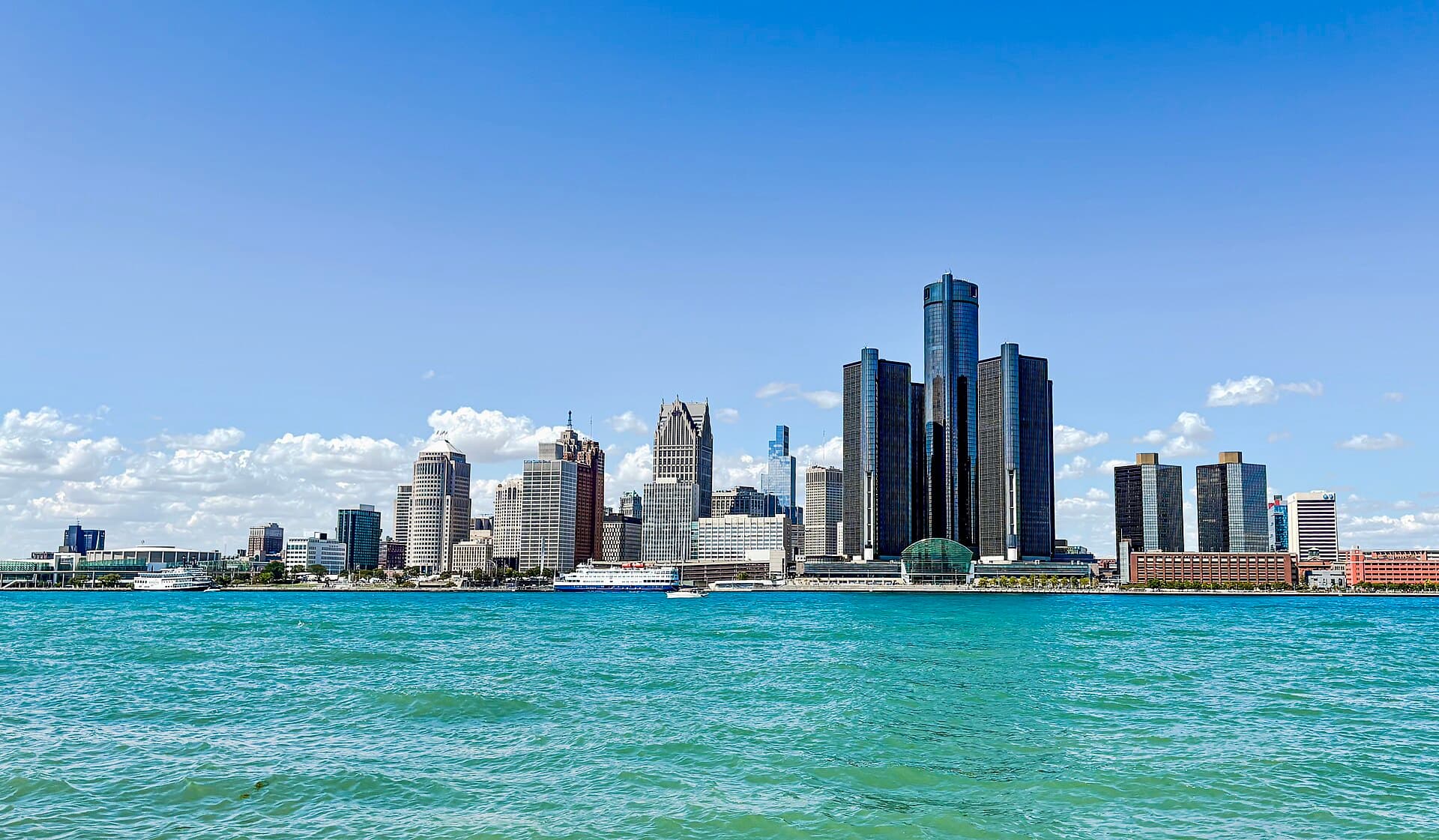 TheWxResearcher / CC0, via Wikimedia Commons
Tour de audio autoguiado de Detroit — ruta GPS a pie, reproducción offline, narración en 32 idiomas.
“Donde la industria, el ingenio y el ritmo convergen.”
No las postales. Las historias que ni los locales conocen — al oído, justo donde ocurrieron.
Bajo las calles de Detroit yace un secreto masivo y activo.
Desde el centro, puedes mirar al sur y ver Canadá.
La base de las carreteras modernas comenzó aquí.
Descubre todos los secretos de Detroit
Cada dirección, cada revelación al completo — a tu oído, justo donde ocurrió.
Eliges tus paradas. Caminas. La voz te revela lo que los demás ignoran.


Tu tour de audioguía por Detroit te espera — elige tus lugares, tu idioma y empieza al llegar.
ComprarLume incluye una guía de realidad aumentada. Levanta el móvil y su cámara muestra la calle que tienes delante, con una flecha luminosa sobre la imagen real que siempre apunta a tu próxima parada — sin mapas que descifrar, sin giros equivocados. Como todo en Lume, funciona completamente sin conexión.
Detroit, a menudo llamada la 'Ciudad del Motor' o 'Motown', se erige como el centro urbano más poblado de Míchigan, situada en el río Detroit directamente frente a Windsor, Ontario, Canadá. Su identidad está forjada por la innovación, la resiliencia y un profundo legado cultural. Antiguamente un puesto de comercio de pieles establecido en 1701 por colonos franceses, Detroit evolucionó hasta convertirse en un líder industrial global, particularmente con el auge de la industria automotriz.
Más allá de su destreza industrial, Detroit funciona como un importante centro cultural, celebrado por sus contribuciones a la música, el arte, la arquitectura y el diseño. Es la cuna de Motown Records, un género que trascendió las barreras raciales e introdujo artistas legendarios al mundo. El espíritu de la ciudad se captura en su lema: Speramus Meliora; Resurget Cineribus —latín para "Esperamos cosas mejores; se levantará de las cenizas"— un testimonio de su perdurable capacidad para reinventarse.
La historia de Detroit comienza en 1701 cuando el explorador francés Antoine de la Mothe Cadillac estableció Fort Pontchartrain du Détroit, reconociendo su importancia estratégica como puesto de comercio de pieles y punto de conexión dentro de los Grandes Lagos. La tierra misma fue un centro vital para los pueblos indígenas, incluidos los Anishinaabe, mucho antes del asentamiento europeo. El control de Detroit pasó de francés a británico en 1760, y luego a los Estados Unidos después de la Revolución Americana.
En 1805, un devastador incendio destruyó gran parte de la ciudad. Esto llevó a un rediseño del trazado de Detroit por figuras como el juez Augustus Woodward, quien introdujo un plan de calles inspirado en Washington, D.C. Incorporada como ciudad en 1815, Detroit comenzó a desarrollarse como un centro regional de comercio y transporte, desempeñando también un papel en el Ferrocarril Subterráneo.
A finales del siglo XIX y principios del XX, Detroit emergió como un líder industrial global, convirtiéndose en sinónimo de la industria automotriz. Innovadores como Henry Ford revolucionaron la fabricación con la línea de montaje móvil en 1913, lo que llevó a un rápido crecimiento de la población a medida que llegaban trabajadores de todo el mundo. Durante la Segunda Guerra Mundial, Detroit se ganó el apodo de "Arsenal de la Democracia" por su masiva producción de vehículos militares.
La influencia cultural de Detroit se expandió significativamente con el nacimiento de Motown Records en la década de 1960. El "Sonido Motown", desarrollado en la ciudad, se convirtió en un influyente movimiento musical, lanzando las carreras de artistas como Stevie Wonder, Diana Ross y Marvin Gaye. La ciudad también vio el surgimiento de la música techno y desempeñó un papel importante en la evolución del hip-hop y la música electrónica.
Después de la Segunda Guerra Mundial, se produjo una expansión suburbana, y aunque la industria automotriz prosperó, la ciudad experimentó una drástica disminución de empleos y población más tarde en el siglo debido a la reestructuración industrial. En 2013, Detroit se convirtió en la ciudad estadounidense más grande en declararse en bancarrota, saliendo con éxito en 2014. Desde la década de 1990, la ciudad ha experimentado una creciente revitalización, con muchas áreas ahora listadas en el Registro Nacional de Lugares Históricos. La población de Detroit incluso ha mostrado un crecimiento reciente por primera vez desde la década de 1950.
Detroit ofrece una diversa gama de experiencias, desde sitios históricos hasta cautivadoras instalaciones de arte. Comience con un paseo por el Detroit International RiverWalk, un sendero de tres millas que ofrece vistas de la ciudad y Canadá, completo con fuentes y áreas naturales. Para los entusiastas del arte, el Detroit Institute of Arts (DIA) alberga más de 65,000 obras, incluidos los poderosos Murales de la Industria de Detroit de Diego Rivera. El Motown Museum, también conocido como Hitsville U.S.A., ofrece una mirada íntima a los orígenes de la música influyente, incluido el Estudio A donde grabaron íconos.
Explore el Eastern Market, el mercado de agricultores al aire libre más grande de EE. UU., especialmente los sábados por su bulliciosa variedad de productos frescos, comida y artesanías. Maravillas arquitectónicas como el Guardian Building y el Fisher Building muestran el diseño Art Decó. Para una experiencia artística poco convencional, visite el Heidelberg Project, un entorno artístico al aire libre en el lado este de la ciudad. Belle Isle, un gran parque insular en el río Detroit, ofrece bosques, museos, un acuario y un conservatorio. Descubra The Belt, un callejón artístico en el centro lleno de murales y arte callejero.
Los mejores momentos para visitar Detroit son a finales de primavera (mayo y junio) y principios de otoño (septiembre y octubre). Estos meses ofrecen un clima agradable para actividades al aire libre, con temperaturas entre los 15 y 25 grados Celsius, lo que lo hace ideal para explorar los parques y la ribera de la ciudad. La primavera trae flores en flor a lugares como Eastern Market, mientras que el otoño muestra un colorido follaje. El verano (julio y agosto) también es popular con días cálidos y soleados, aunque puede ser más concurrido. El invierno (diciembre a marzo) es frío con nevadas significativas, pero ofrece oportunidades para atracciones bajo techo y eventos festivos.
Navegar por Detroit es manejable, especialmente en las principales zonas turísticas. El centro de Detroit y Midtown, donde se concentran muchas atracciones, son transitables a pie. La QLine, un tranvía, recorre Woodward Avenue, conectando Midtown y el centro, y actualmente es gratuito. Para áreas más allá de la QLine, los servicios de transporte compartido y los taxis están fácilmente disponibles. Si planea explorar los suburbios como Dearborn (hogar del Museo Henry Ford), se recomienda un coche o un servicio de transporte compartido.
Al elegir alojamiento, a menudo se recomienda hospedarse en el centro para los visitantes primerizos, ya que lo sitúa a poca distancia de muchas atracciones clave y ofrece un centro de la ciudad bien patrullado. Hoteles como el Shinola Hotel, The Siren Hotel y Detroit Foundation Hotel son opciones populares. Si bien Detroit ha logrado avances significativos en la revitalización, siempre es aconsejable estar atento a su entorno, especialmente al explorar áreas menos pobladas por la noche.
Detroit en coreano, en chino o en hebreo — y 29 idiomas más, cada parada narrada por una voz nativa. La mayor variedad de idiomas de cualquier audioguía autoguiada.
Disponible en: