Templo Masroor Rock Cut
Esses templos antigos contam uma história não apenas de devoção, mas de uma ambição inacabada.
História completa desbloqueada no tour
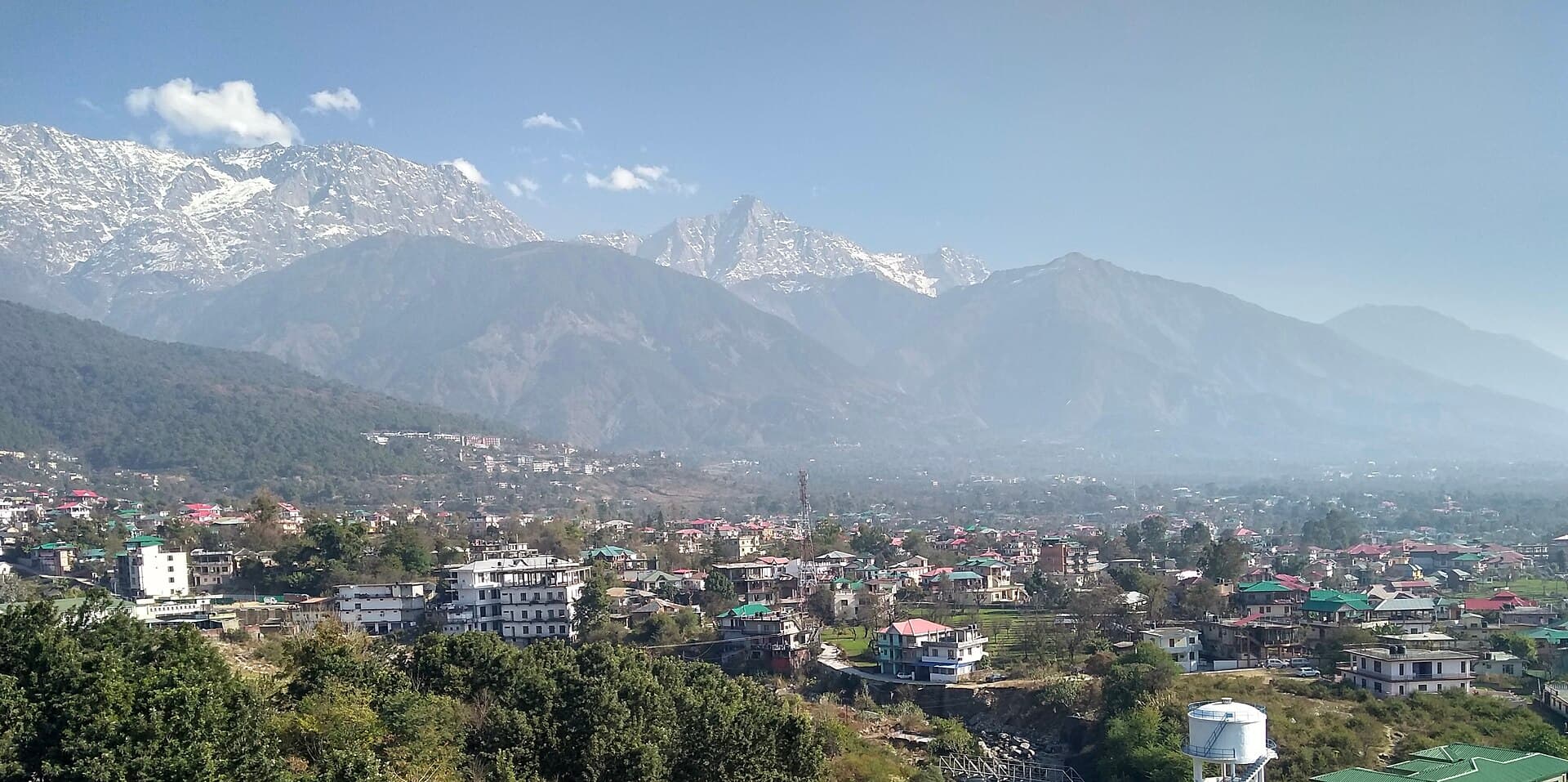 Amit Phulera / CC BY-SA 4.0, via Wikimedia Commons
Tour de áudio autoguiado por Dharamshala — rota GPS a pé, reprodução offline, narração envolvente em 32 idiomas.
“Onde as brisas do Himalaia carregam orações tibetanas, e montanhas antigas guardam novos começos.”
Não os postais. As histórias que nem os locais conhecem — sussurradas ao seu ouvido, exatamente onde aconteceram.
Esses templos antigos contam uma história não apenas de devoção, mas de uma ambição inacabada.
A maioria dos visitantes passa apressada por esta vila tranquila, sem saber da perspectiva única que ela oferece sobre a cordilheira Dhauladhar.
Além de sua importância espiritual, este mosteiro guarda um segredo de uma rara forma de arte vocal.
Descubra cada segredo de Dharamshala
Cada endereço, cada revelação na íntegra — no seu ouvido, exatamente onde aconteceu.
Você escolhe as suas paragens. Você caminha. A voz revela o que os outros perdem.
O seu tour áudio autoguiado de Dharamshala está pronto — escolha os seus pontos de interesse, selecione o seu idioma e comece no momento em que chegar.
ComprarA Lume inclui um guia de realidade aumentada. Levante o telemóvel: a câmara mostra a rua à sua frente, com uma seta luminosa sobreposta à imagem real que aponta sempre para a sua próxima paragem — sem mapa para decifrar, sem voltas erradas. Como tudo na Lume, funciona totalmente offline.
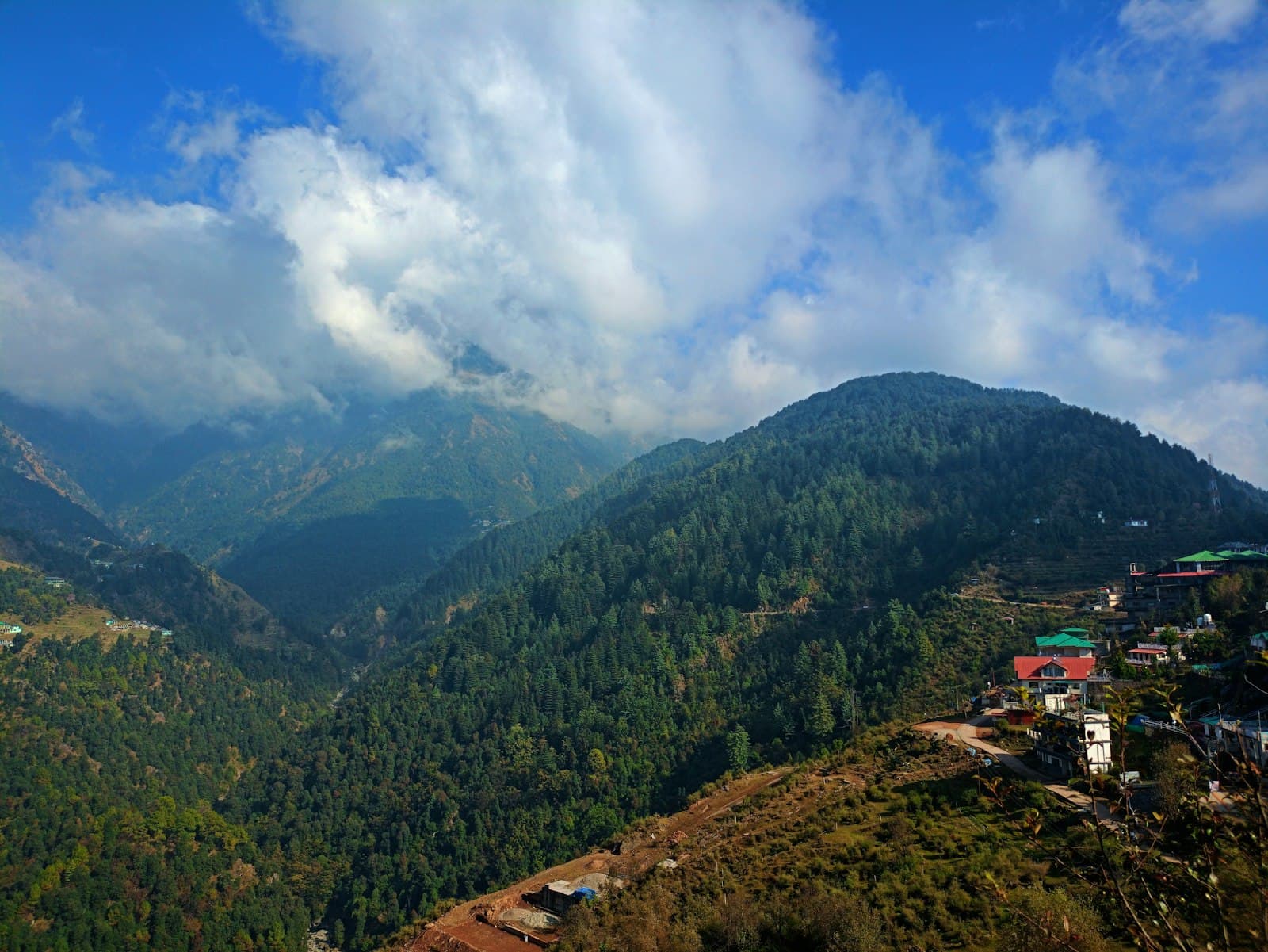
Dharamshala, uma cidade em Himachal Pradesh, Índia, repousa contra a cordilheira Dhauladhar. É frequentemente chamada de 'Pequena Lhasa' devido à sua significativa população tibetana e como residência do 14º Dalai Lama e do governo tibetano no exílio. A cidade é dividida em duas áreas principais: Dharamshala Inferior, que abriga escritórios governamentais e mercados locais, e Dharamshala Superior, conhecida como McLeod Ganj, que é o coração cultural da comunidade tibetana. Sua elevação varia de aproximadamente 1.000 metros nas regiões mais baixas a mais de 2.000 metros nas partes superiores, contribuindo para seu clima temperado.
Este destino oferece uma mistura de culturas Himachali e Tibetana, proporcionando um refúgio pacífico com oportunidades para reflexão espiritual, exploração cultural e atividades ao ar livre. De mosteiros serenos a trilhas desafiadoras, Dharamshala atrai viajantes em busca de experiências diversas.
A história de Dharamshala remonta a escrituras hindus antigas como o Rig Veda e o Mahabharata, com seu nome derivado de um termo sânscrito que significa 'morada espiritual' ou 'casa de descanso para viajantes'. A região foi inicialmente habitada pela tribo Gaddi, uma comunidade pastoral seminômade cuja forma de vida, centrada na natureza e na adoração ao Senhor Shiva, ainda se reflete em vilas e festivais locais. Por séculos, a área esteve sob o domínio da dinastia Katoch de governantes de Kangra.
A Companhia Britânica das Índias Orientais capturou a região em 1846, após a Primeira Guerra Anglo-Sikh, tornando-a parte da província indiana britânica de Punjab. Em 1849, um acampamento militar para regimentos Gurkha foi estabelecido e, em 1855, Dharamshala tornou-se o centro administrativo do distrito de Kangra. Os britânicos introduziram o cultivo de chá, que transformou a economia agrária local e estabeleceu a cidade como um centro comercial. Dharamshala tornou-se uma popular estação de montanha durante o Raj Britânico, com McLeod Ganj, nomeada em homenagem a Sir Donald Friell McLeod, um ex-governador-geral de Punjab, servindo como um refúgio ainda mais elevado.
Um terremoto devastador em 1905 impactou severamente o Vale de Kangra e Dharamshala, destruindo grande parte da infraestrutura e ceifando muitas vidas. Apesar disso, a cidade se reconstruiu, mantendo sua importância administrativa e militar. Após a Independência da Índia em 1947, Dharamshala permaneceu uma pequena estação de montanha. Um momento crucial em sua história ocorreu em 1959, quando o 14º Dalai Lama, Tenzin Gyatso, fugiu do Tibete após a ocupação chinesa. Em 1960, ele e seus seguidores receberam asilo do então Primeiro-Ministro Jawaharlal Nehru, e a Administração Central Tibetana foi transferida para McLeod Ganj. Isso marcou a transformação de Dharamshala em um centro global do budismo e a capital de fato da diáspora tibetana, rendendo-lhe o apelido de 'Pequena Lhasa'.
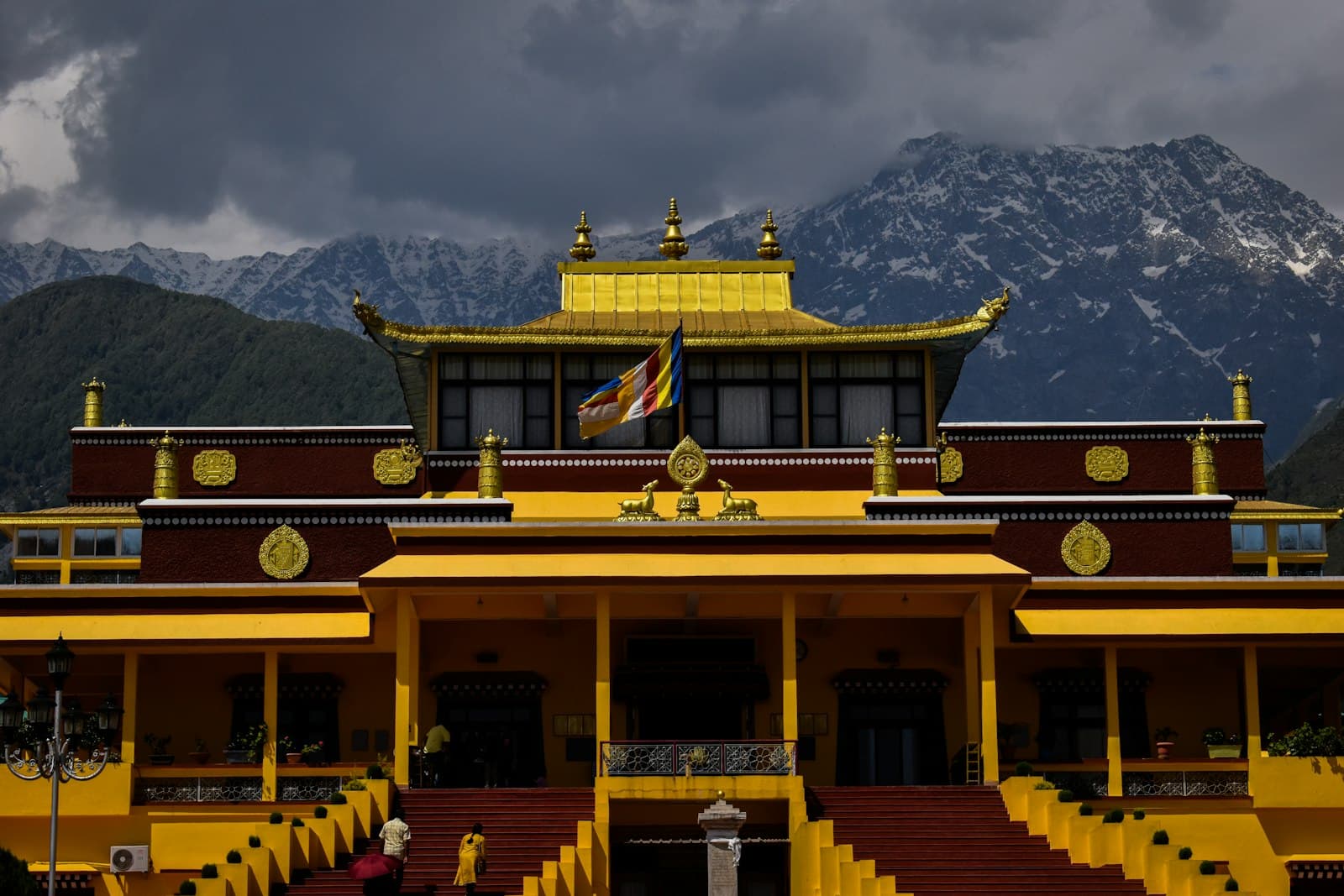
Comece sua exploração em McLeod Ganj, o coração da cultura tibetana em Dharamshala. Visite o Complexo Tsuglagkhang, que inclui a residência do Dalai Lama (não aberta a visitantes), o Templo Tsuglagkhang e o Mosteiro Namgyal, onde você pode observar monges debatendo à tarde. O Museu Tibetano dentro do complexo oferece insights sobre a história tibetana e a luta pela independência.
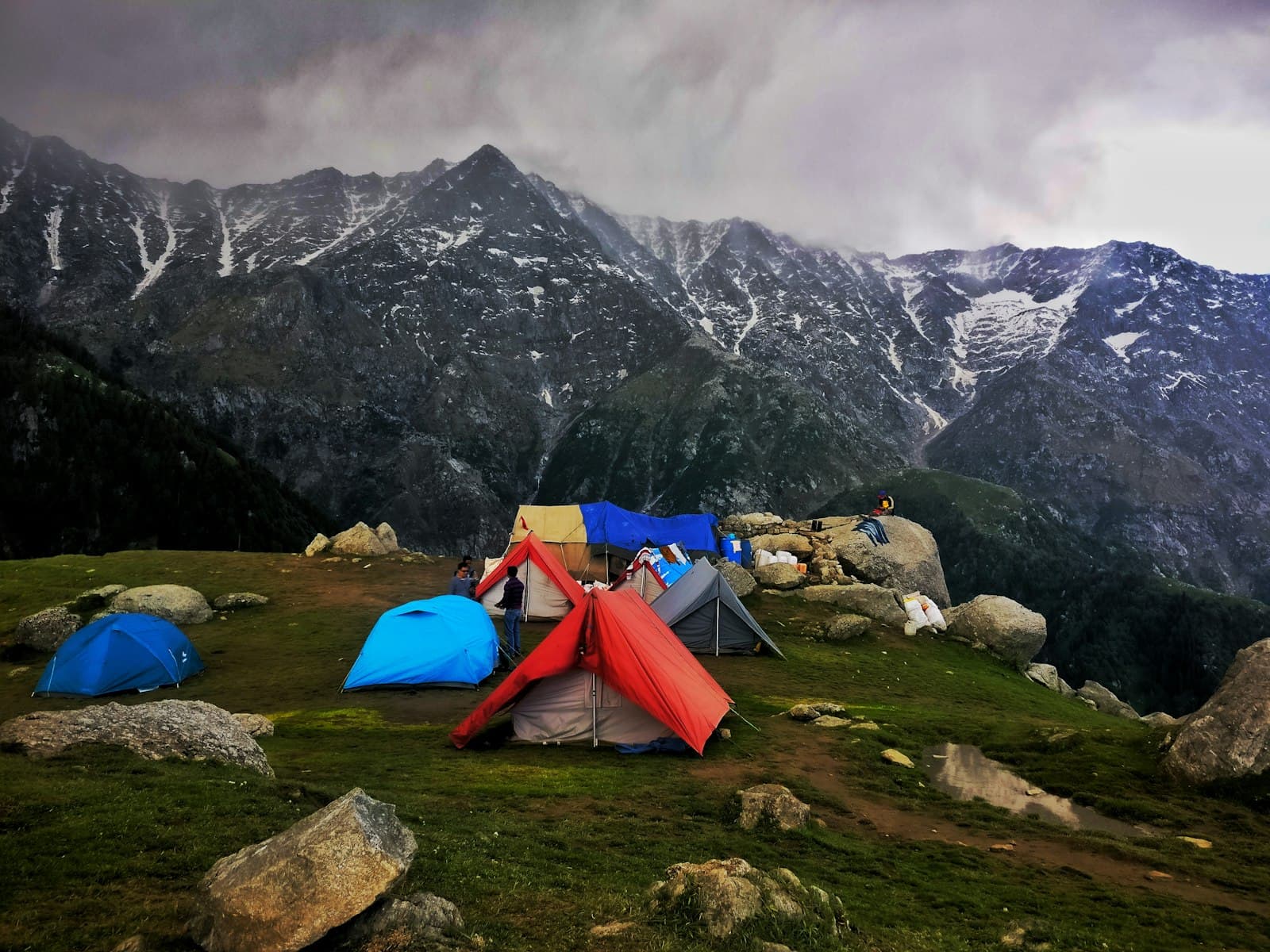
Para uma mistura de natureza e espiritualidade, caminhe até a Cachoeira Bhagsu, uma jornada cênica de McLeod Ganj, e visite o Templo Bhagsunath próximo, dedicado ao Senhor Shiva. O Lago Dal, cercado por florestas de deodar, oferece um ambiente tranquilo para relaxamento. Buscadores de aventura podem embarcar na Trilha Triund, conhecida por suas vistas da cordilheira Dhauladhar. O Instituto Norbulingka é dedicado à preservação da arte e cultura tibetana, oferecendo um ambiente pacífico e workshops sobre artes tradicionais.
Outros locais notáveis incluem o histórico Forte Kangra, um dos fortes mais antigos da Índia, que oferece vistas do Vale de Kangra, e a Igreja St. John in the Wilderness, uma estrutura da era colonial. Não perca a oportunidade de explorar os mercados locais em busca de artesanato tibetano e desfrutar da diversificada cena culinária, que inclui pratos Himachali e tibetanos.
As melhores épocas para visitar Dharamshala são durante a primavera (março a junho) e o outono (setembro a novembro). Durante a primavera, as temperaturas variam de 20°C a 35°C, com flora em flor e céus limpos, ideais para atividades ao ar livre como trekking e passeios turísticos. O outono oferece clima ameno, variando de 10°C a 25°C, com céus limpos e ar fresco, também adequado para trekking e passeios turísticos. Os invernos (dezembro a fevereiro) são frios, com temperaturas caindo para 0°C ou abaixo, e neve ocasional, criando uma paisagem pitoresca, mas as viagens podem ser desafiadoras. A estação das monções (julho a setembro) traz chuvas fortes, que podem dificultar a exploração ao ar livre devido a possíveis deslizamentos de terra.
Dharamshala é acessível por ar, estrada e ferrovia. O aeroporto mais próximo é o Aeroporto de Kangra (Aeroporto de Gaggal), localizado a cerca de 8,3 km do centro da cidade, com táxis disponíveis para transferência. A estação ferroviária principal mais próxima é Pathankot, a aproximadamente 85 km de distância, de onde você pode pegar um táxi ou ônibus. Ônibus diretos conectam Dharamshala a grandes cidades como Delhi, Chandigarh e Amritsar.
As opções de acomodação variam de pousadas econômicas a hotéis de gama média e resorts de luxo, com áreas como McLeod Ganj, Dharamkot e Bhagsunag sendo escolhas populares para turistas devido à sua proximidade com as atrações. Embora muitos estabelecimentos maiores aceitem cartões de crédito, dinheiro é frequentemente preferido em mercados locais e para transações menores. Roupas em camadas são aconselháveis devido ao clima imprevisível da montanha; mesmo no verão, as noites podem ser frias, e uma capa de chuva ou guarda-chuva é essencial durante as monções. Dharamshala é geralmente considerada segura, mas precauções de viagem padrão são recomendadas.
Dharamshala — coreano, chinês, hebraico e mais 29 idiomas, cada parada narrada por uma voz nativa. A maior variedade de idiomas entre os passeios de áudio autoguiados.
Disponível em: