Galerie d'art „le gisant“ (13 Rue de l'Horloge)
Eine mittelalterliche Figur wurde bei der Gebäuderenovierung an einem unerwarteten Ort entdeckt.
Die ganze Geschichte wird in der Tour freigeschaltet
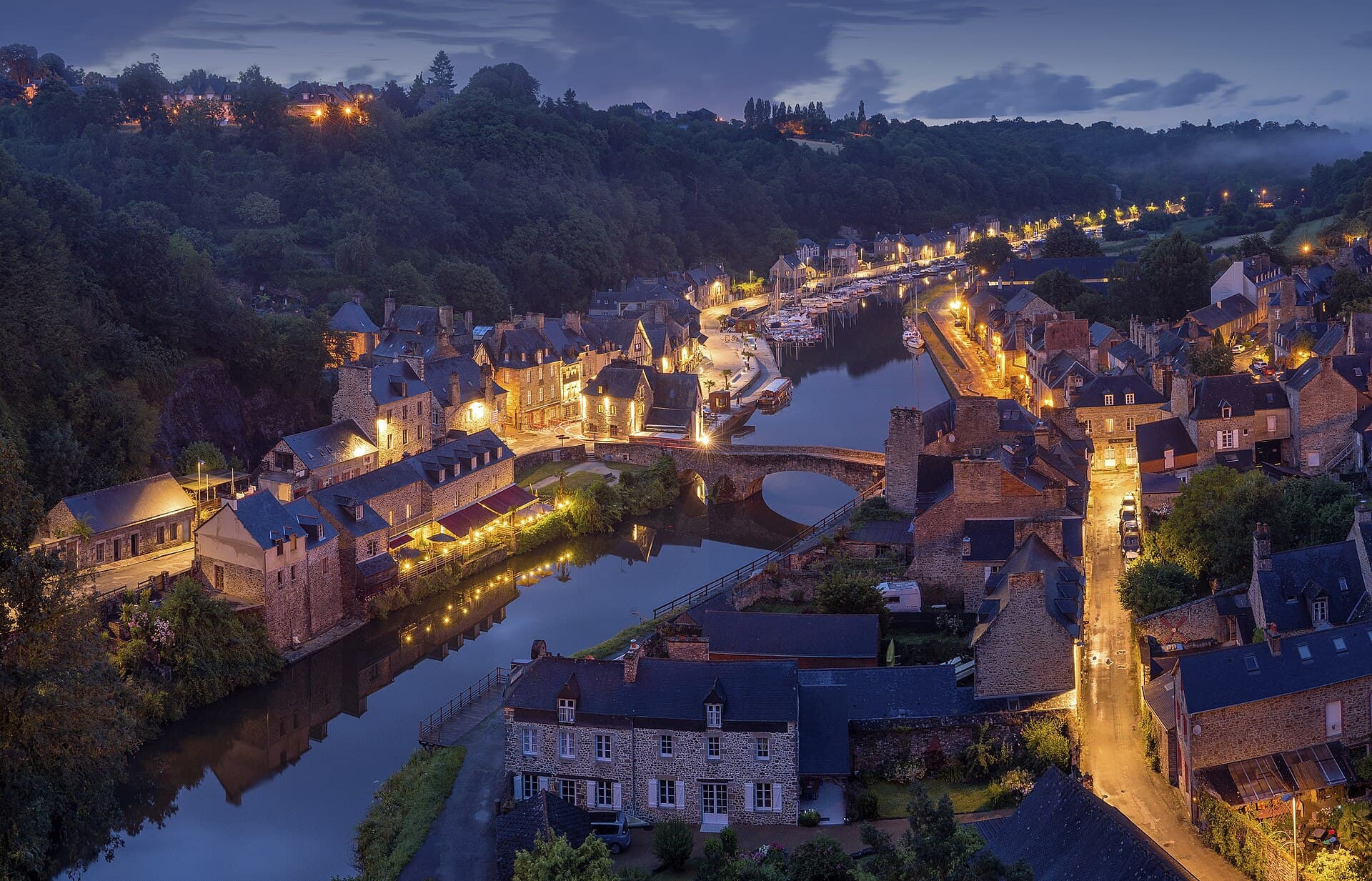 Pexels / CC0, via Wikimedia Commons
Selbstgeführte Audio-Walking-Tour durch Dinan — GPS-Route, Offline-Wiedergabe, erzählerische Narration in 32 Sprachen.
“Wo alte Steine den beständigen Geist der Bretagne erzählen.”
Nicht die Postkarten. Die Geschichten, die selbst Einheimische nicht kennen – dir ins Ohr geflüstert, genau dort, wo sie geschahen.
Eine mittelalterliche Figur wurde bei der Gebäuderenovierung an einem unerwarteten Ort entdeckt.
Diese Straße erhielt einen Spitznamen, der auf ihre lebhafte Vergangenheit anspielt.
Die charakteristische Architektur der Fachwerkhäuser von Dinan enthüllt eine clevere Steuervermeidungsstrategie aus vergangenen Jahrhunderten.
Entdecke jedes Geheimnis von Dinan
Jede Adresse, jede Enthüllung vollständig – in deinem Ohr, genau dort, wo es geschah.
Du wählst deine Stationen. Du gehst. Die Stimme enthüllt, was andere übersehen.


Lume enthält einen integrierten Augmented-Reality-Guide. Halten Sie Ihr Handy hoch: Die Kamera zeigt die Straße vor Ihnen, mit einem leuchtenden Pfeil über dem echten Bild, der immer auf Ihren nächsten Stopp zeigt — keine Karte zum Rätseln, keine falschen Abzweigungen. Wie alles bei Lume funktioniert es komplett offline.
Dinan, eine ummauerte Stadt in der Bretagne, Frankreich, bietet einen bemerkenswert gut erhaltenen Einblick in die mittelalterliche Welt. Auf einem Hügel mit Blick auf den Fluss Rance gelegen, schaffen seine Befestigungsanlagen und Fachwerkhäuser, von denen einige aus dem 13. und 14. Jahrhundert stammen, eine Atmosphäre, die sich unberührt von der Zeit anfühlt. Im Gegensatz zu vielen anderen französischen Städten blieb Dinan im Zweiten Weltkrieg weitgehend von erheblichen Schäden verschont, wodurch sein historischer Kern intakt blieb.
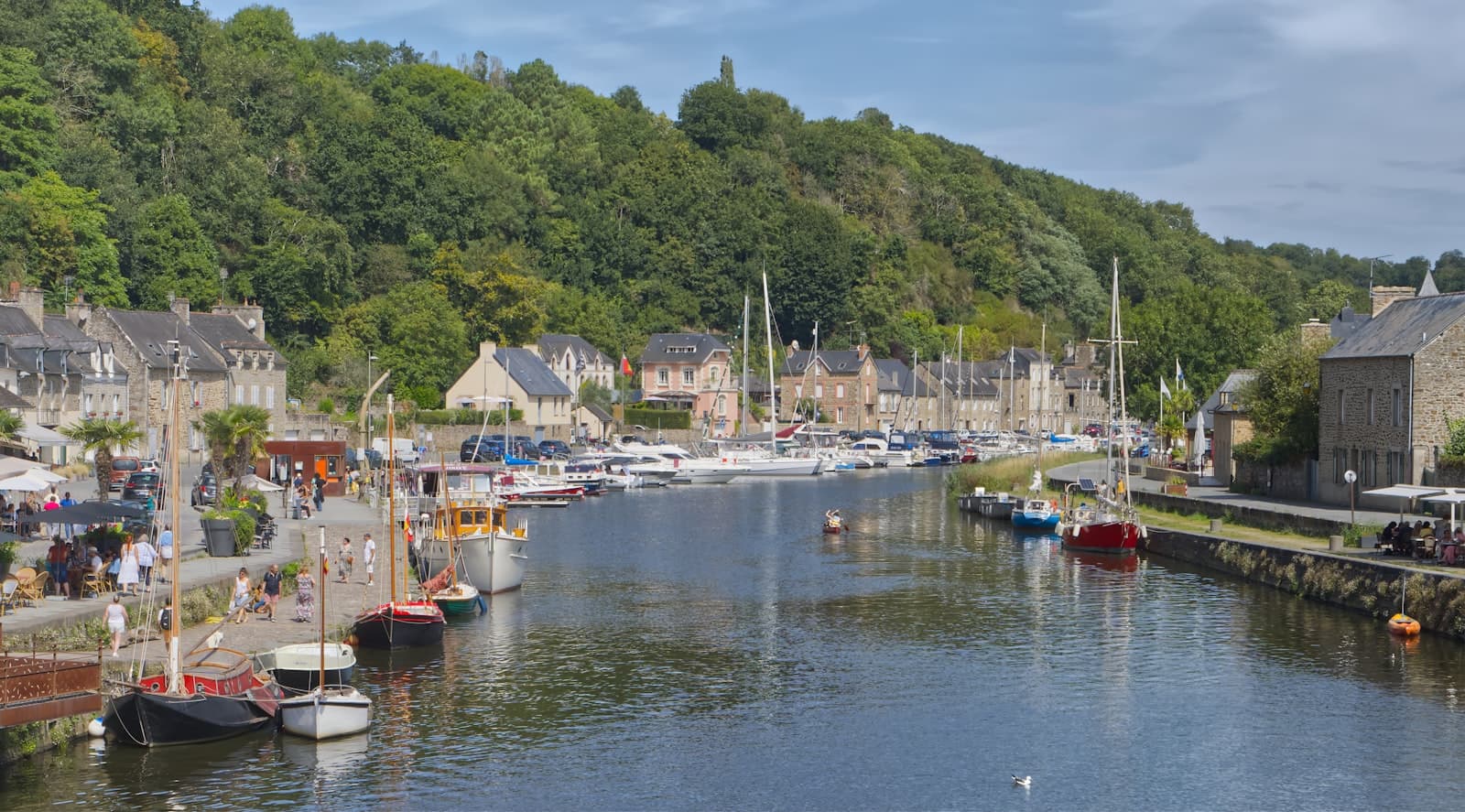
Der Charakter der Stadt wird durch ihre gewundenen Steinstraßen, Kunsthandwerkerwerkstätten und den dramatischen Abstieg zu ihrem Hafen entlang der Rance geprägt. Dinan ist nicht nur eine Ansammlung alter Gebäude; es ist eine lebendige Stadt, in der jahrhundertelange Geschichte in den täglichen Ablauf eingewoben ist. Es ist ein Ort, der zur Erkundung einlädt, von seinen erhöhten Stadtmauern mit weiten Ausblicken bis hin zu seinen belebten Plätzen und ruhigen Uferwegen.
## Von der antiken Festung zum mittelalterlichen Kraftzentrum Dinans strategische Lage, die die obere Rance-Mündung beherrscht, ist seit über einem Jahrtausend von Bedeutung. Seine Ursprünge reichen auf eine gallische Festung und später eine römische Garnison zurück. Die Existenz der Stadt als befestigte Siedlung ist sogar auf dem Teppich von Bayeux um 1070 dargestellt, der eine Belagerung durch die Truppen Wilhelms des Eroberers zeigt.
Im 11. Jahrhundert war Dinan eine blühende Einheit, die bis 1283 von den Grafen von Dinan regiert wurde. Anschließend geriet sie unter die Kontrolle der Herzöge der Bretagne. Das bestimmende Merkmal der Stadt, ihre beeindruckenden Stadtmauern, wurden größtenteils im 13. Jahrhundert errichtet, erstreckten sich über fast 3 Kilometer und verfügten ursprünglich über 14 Wachtürme, von denen 10 noch erhalten sind. Diese Befestigungen erwiesen sich im 14. Jahrhundert als entscheidend und wehrten während des Krieges um die bretonische Nachfolge erfolgreich zwei englische Angriffe ab.
## Ein goldenes Zeitalter des Handels und Handwerks Das 15. Jahrhundert markierte eine Blütezeit für Dinan. Seine Bourgeoisie häufte durch florierenden Handel mit Leinen, Leder, Wolle und Getreide Reichtum an, wobei die Waren von seinem Hafen am Fluss Rance abgingen. Dieser wirtschaftliche Wohlstand befeuerte die architektonische Entwicklung, da viele der heute sichtbaren Fachwerkhäuser zwischen dem 15. und 18. Jahrhundert errichtet wurden. Die Stadt wurde zu einem Zentrum für qualifizierte Handwerker, darunter Gerber, Weber und Walker, deren Werkstätten sich entlang des Flusses konzentrierten.
## Moderne Transformationen und anhaltender Charme Die Bretagne wurde 1532 offiziell Teil Frankreichs, und Dinan verlor anschließend seinen Status als Grenzfestung. Das 17. Jahrhundert sah ein weiteres wirtschaftliches „Goldenes Zeitalter“, das durch den Handel mit Leinen und Segeltuch sowie die Gründung religiöser Institutionen wie des Ursulinenklosters, das das Stadtbild weiter prägte, angetrieben wurde. Während das 19. Jahrhundert Infrastrukturprojekte wie das Viadukt von Dinan im Jahr 1852 mit sich brachte, die das Panorama des Tals veränderten und den Transport umleiteten, blieb Dinans mittelalterlicher Kern bemerkenswert erhalten. Die Stadt wurde 1985 als „Ville d'Art et d'Histoire“ (Stadt der Kunst und Geschichte) anerkannt, was ihre umfangreichen historischen Denkmäler und ihr architektonisches Erbe würdigt.
Dinander Reiz liegt in seiner gut erhaltenen mittelalterlichen Architektur und seinen begehbaren Straßen. Beginnen Sie mit einem Spaziergang entlang der Stadtmauern, die die Stadt fast drei Kilometer umgeben und einen weiten Blick auf das Rance-Tal bieten. Das Château de Dinan, eine Festung aus dem 14. Jahrhundert, beherbergt ein Museum für Lokalgeschichte mit Exponaten zu traditionellen bretonischen Kopfbedeckungen und archäologischen Artefakten. Der Aufstieg zur Spitze bietet eine weitere Perspektive auf die Stadt.
Steigen Sie die steilen, aus Stein gehauenen Straßen Rue du Jerzual und Rue du Petit Fort hinunter zum Port de Dinan. Diese Straßen sind gesäumt von Fachwerkhäusern und Kunsthandwerkerwerkstätten, die einzigartige handgefertigte Waren anbieten. Der Hafenbereich selbst ist ein angenehmer Ort für ein Getränk oder eine Mahlzeit am Flussufer, mit Bootsfahrten entlang des Flusses Rance. Zurück in der Oberstadt besuchen Sie die Tour de l'Horloge, einen Uhrturm aus dem 15. Jahrhundert mit einer Glocke, die von Anne de Bretagne gestiftet wurde. Der Aufstieg seiner 158 Stufen belohnt Sie mit einem weiten Blick über die Dächer von Dinan. Verpassen Sie nicht die markante Basilique St-Sauveur, eine Mischung aus romanischem, gotischem, klassischem und barockem Stil, in der das Herz des bretonischen Ritters Bertrand du Guesclin bestattet liegt.
Die beste Zeit für Outdoor-Aktivitäten in Dinan ist von Ende Juni bis Anfang September, wenn die Temperaturen angenehm sind und typischerweise zwischen 18 und 23 °C liegen. Juni und September bieten angenehmes Wetter ohne die Hauptandrangszeiten von Juli und August. In geraden Jahren Ende Juli findet die Fête des Remparts statt, ein mittelalterliches Fest, das die Stadt verwandelt, erfordert aber eine Vorausbuchung. Während die Winter milder sind (8-12 °C), ist von Oktober bis März mit kühlem, feuchtem Wetter und einer höheren Wahrscheinlichkeit für leichten Regen zu rechnen. Daher ist das Mitnehmen von Schichten und wasserdichter Kleidung ratsam.
Dinan ist zu Fuß gut zu erkunden, insbesondere sein historischer Kern, der größtenteils Fußgängern vorbehalten ist. Der Spaziergang vom Stadtzentrum hinunter zum Hafen dauert etwa 20 Minuten, obwohl die Rue du Jerzual recht steil ist. Für regionale Erkundungen, wie Ausflüge zum Mont Saint-Michel oder nach Saint-Malo, wird ein Mietwagen empfohlen. Der Flughafen Rennes–Saint-Jacques ist der nächstgelegene Flughafen, etwa eine Autostunde entfernt. Dinan verfügt über einen Regionalbahnhof, der von Rennes oder Saint-Malo aus erreichbar ist. Jeden Donnerstag findet ein Wochenmarkt mit lokalen Produkten und Handwerk statt.
Die Unterkunftsmöglichkeiten reichen von charmanten Bed & Breakfasts bis hin zu Boutique-Hotels. Das Essen in Dinan bietet eine Vielzahl von Optionen, wobei Crêperien eine beliebte und preiswerte Wahl sind, die herzhafte Galettes und lokalen Apfelwein servieren, traditionell in Schalen.
Dinan — Koreanisch, Chinesisch, Hebräisch und 29 weitere Sprachen, jede Station von einer muttersprachlichen Stimme erzählt. Die größte Sprachauswahl aller selbstgeführten Audiotouren.
Verfügbar auf: