Villa Eugénie
Una sontuosa villa a Dinard fu costruita per una visita imperiale che non si concretizzò mai del tutto.
La storia completa si sblocca nel tour
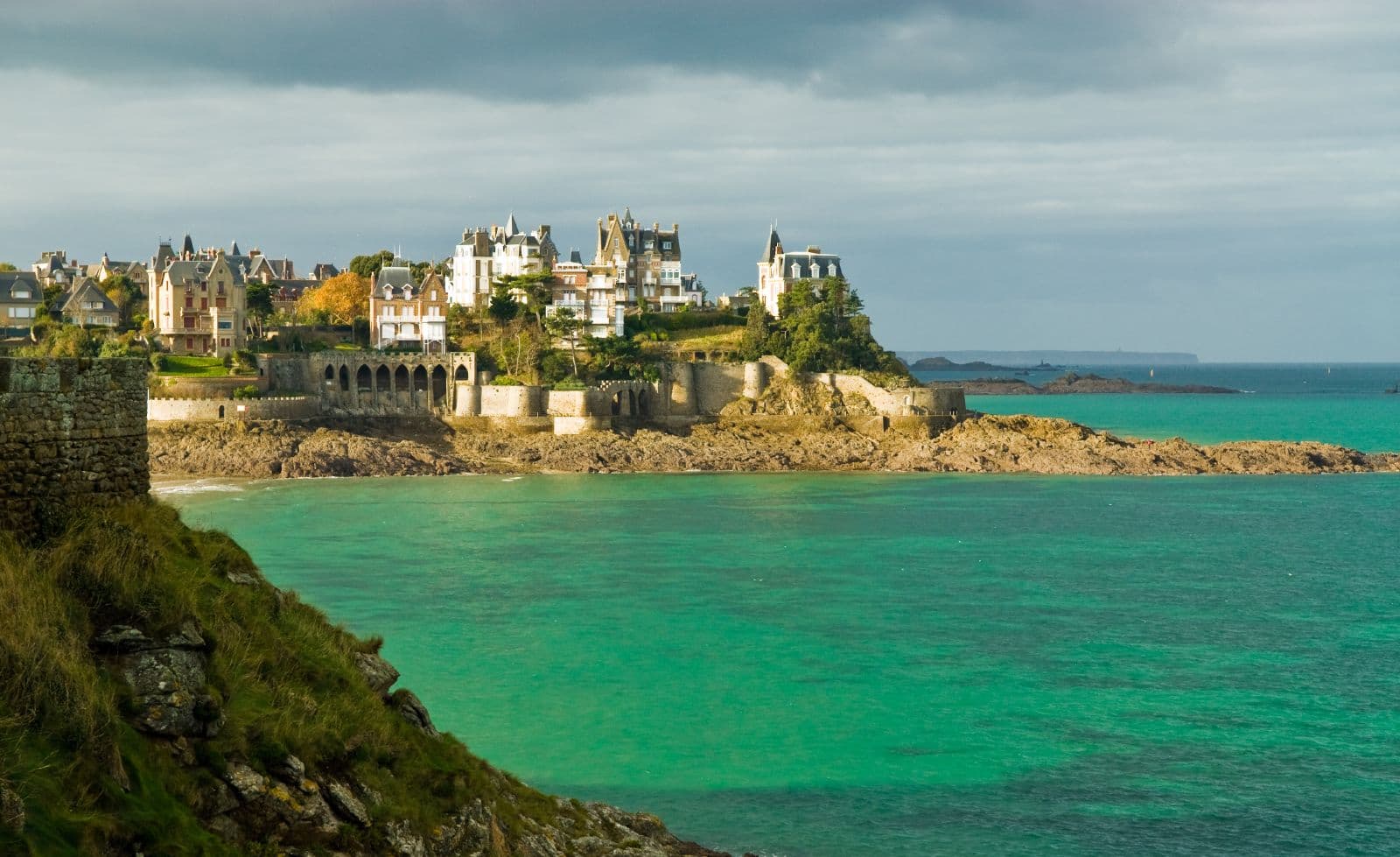 Jean-Louis Vandevivère from Paris, France / CC BY 2.0, via Wikimedia Commons
Tour audio autoguidato di Dinard — percorso GPS a piedi, riproduzione offline, narrazione coinvolgente in 32 lingue.
“Dove la grandezza della Belle Époque incontra la selvaggia costa bretone.”
Non le cartoline. Le storie che nemmeno i locali conoscono — sussurrate nel tuo orecchio, proprio dove sono accadute.
Una sontuosa villa a Dinard fu costruita per una visita imperiale che non si concretizzò mai del tutto.
Le distintive tende a strisce bianche e blu sulla spiaggia principale di Dinard nascondono una sorprendente storia di competizione.
Il legame della città con Alfred Hitchcock va oltre il festival cinematografico a lui dedicato.
Scopri ogni segreto di Dinard
Ogni indirizzo, ogni rivelazione completa — nel tuo orecchio, proprio dove è accaduta.
Scegli le tue tappe. Cammini. La voce rivela ciò che gli altri perdono.

Lume include una guida in realtà aumentata. Alza il telefono: la fotocamera mostra la strada davanti a te, con una freccia luminosa sovrapposta all'immagine reale che punta sempre verso la tua prossima tappa — nessuna mappa da decifrare, nessuna svolta sbagliata. Come tutto in Lume, funziona completamente offline.
Dinard, una sofisticata località balneare sulla Costa di Smeralda della Bretagna, offre un affascinante mix di elegante architettura Belle Époque e aspra bellezza costiera. Affacciata sull'estuario del fiume Rance, direttamente di fronte alla città fortificata di Saint-Malo, Dinard era un tempo un modesto villaggio di pescatori. La sua trasformazione in una destinazione alla moda iniziò a metà del XIX secolo, attirando ricchi aristocratici britannici e americani che costruirono grandi ville lungo le sue scogliere.
Oggi, Dinard mantiene il suo fascino raffinato, evidente nelle sue ville ben conservate e nella vivace scena culturale. La città è rinomata per le sue panoramiche passeggiate costiere, le spiagge sabbiose e il clima mite che la rendono una popolare meta di vacanza. È un luogo dove la grandezza di un'epoca passata si armonizza con il fascino naturale della costa bretone.
## Da Borgo di Pescatori a Rifugio Aristocratico Le origini di Dinard risalgono a un piccolo insediamento di pescatori e agricoltori, parte della parrocchia di Saint-Énogat, sulla riva sinistra dell'estuario del fiume Rance. Si ritiene che il nome della città derivi da radici bretoni, 'Din' (collina) e 'Arz' (orso) o 'Art' (Artù), portando a leggende sulla visita di Re Artù nel 513 d.C. per costruire una fortezza.
A metà del XIX secolo, Dinard iniziò la sua metamorfosi. L'aristocratico americano William Faber è accreditato come uno dei primi a scoprire e apprezzare il fascino della città, costruendo una villa sulla Pointe du Moulinet. I suoi amici anglofoni di Dinan seguirono, ponendo le basi per la comunità britannica di Dinard. Ricchi visitatori britannici e americani affluirono nella zona, costruendo opulente ville lungo la costa, stabilendo Dinard come una glamour resort.
Questo periodo, noto come Belle Époque, segnò l'età d'oro di Dinard. La città divenne un centro della vita sociale europea, con infrastrutture di lusso tra cui casinò, club di tennis e bagni di mare. L'integrazione della città nella rete ferroviaria nazionale alimentò ulteriormente un boom edilizio, adornando la costa con centinaia di ville in diversi stili architettonici, dal Neogotico all'Art Nouveau. Dinard fu persino chiamata la 'Dinard dei cento hotel' e la 'perla della Costa di Smeralda'.
Sebbene la sua massima popolarità sia diminuita negli anni '30, quando la gente alla moda si rivolse alla Costa Azzurra, Dinard ha preservato con cura il suo patrimonio architettonico. Nel 2003, le è stato conferito lo status nazionale di 'Città d'Arte e di Storia' per il suo impegno nel preservare la sua eredità Belle Époque, che comprende oltre 400 ville classificate. Oggi, Dinard rimane una prestigiosa località balneare, che fonde il suo passato duraturo con un presente culturale vivace.
Inizia la tua esplorazione con una passeggiata lungo la Promenade du Clair de Lune, un incantevole viale che costeggia il lungomare, offrendo viste sulla costa, sull'estuario del Rance e su Saint-Malo. Costeggiato da piante esotiche e sculture, è particolarmente incantevole di notte con il suo spettacolo di suoni e luci durante l'estate.
Nessuna visita è completa senza sperimentare Plage de l'Écluse, la spiaggia principale di Dinard, nota per le sue distintive tende a strisce bianche e blu durante l'estate. Da qui, puoi accedere alla Pointe du Moulinet, un promontorio roccioso che offre ampie vedute e ospita molte eleganti ville del XIX secolo.
Scopri lo splendore architettonico della Belle Époque esplorando le numerose ville della città, molte delle quali sono protette. La Villa Les Roches Brunes, costruita tra il 1893 e il 1896, è un notevole punto di riferimento che offre visite guidate e viste sulla baia. Per un'esperienza balneare più appartata, visita Plage de Saint-Énogat, il luogo di nascita storico di Dinard. Il Parc de Port Breton offre uno spazio verde lussureggiante con un parco animali, ideale per picnic.
Per gli appassionati d'arte, Dinard dispone di circa 20 gallerie d'arte. Il Mercato di Dinard, che si tiene il martedì, giovedì e sabato, è un ottimo posto per assaggiare i sapori locali e il pesce fresco. E per l'intrattenimento serale, il Casino Barrière offre giochi, un bar e un ristorante.
Il periodo migliore per visitare Dinard per attività all'aperto è da fine giugno a metà settembre. Durante questi mesi, le temperature sono piacevoli e le giornate lunghe, perfette per godersi le spiagge, i mercati all'aperto e gli sport acquatici. Agosto registra tipicamente temperature medie giornaliere comprese tra 14°C (58°F) e 21°C (70°F), con cieli sereni a luglio. L'autunno offre temperature miti e paesaggi vivaci, ideali per passeggiate costiere. Sebbene gli inverni siano più miti rispetto ad altre parti della Francia, le precipitazioni sono più frequenti, creando un'atmosfera tranquilla per esplorare pittoresche cittadine e la cucina locale.
Dinard si trova nel dipartimento dell'Ille-et-Vilaine in Bretagna, nel nord-ovest della Francia, di fronte a Saint-Malo. Sebbene non ci sia una stazione ferroviaria a Dinard, la stazione ferroviaria SNCF più vicina si trova a Saint-Malo, raggiungibile con treno ad alta velocità da Parigi Charles de Gaulle. Da Saint-Malo sono disponibili servizi di autobus regionali (BreizhGo), oppure puoi prendere un traghetto attraverso il fiume Rance. Guidare è spesso consigliato per esplorare la regione, con Dinard a circa 20 minuti da Saint-Malo.
Per lo shopping, concentrati su rue du Maréchal-Leclerc, rue Levavasseur e boulevard Féart per boutique e regali distintivi. Dinard offre una vasta gamma di opzioni culinarie, dalle crêperie che servono galette tradizionali con sidro alla ristorazione raffinata con pesce locale. La vita notturna della città è particolarmente vivace in estate, incentrata sul suo casinò. Ricorda di portare il passaporto per l'ingresso al casinò; si applica un codice di abbigliamento smart casual.
Dinard — coreano, cinese, ebraico e altre 29 lingue, ogni tappa narrata da una voce madrelingua. La più ampia scelta di lingue tra i tour audio autoguidati.
Disponibile in: