Ораторий Галларус
Существует местная легенда об узком окне в Оратории Галларус.
Полная история открывается в туре
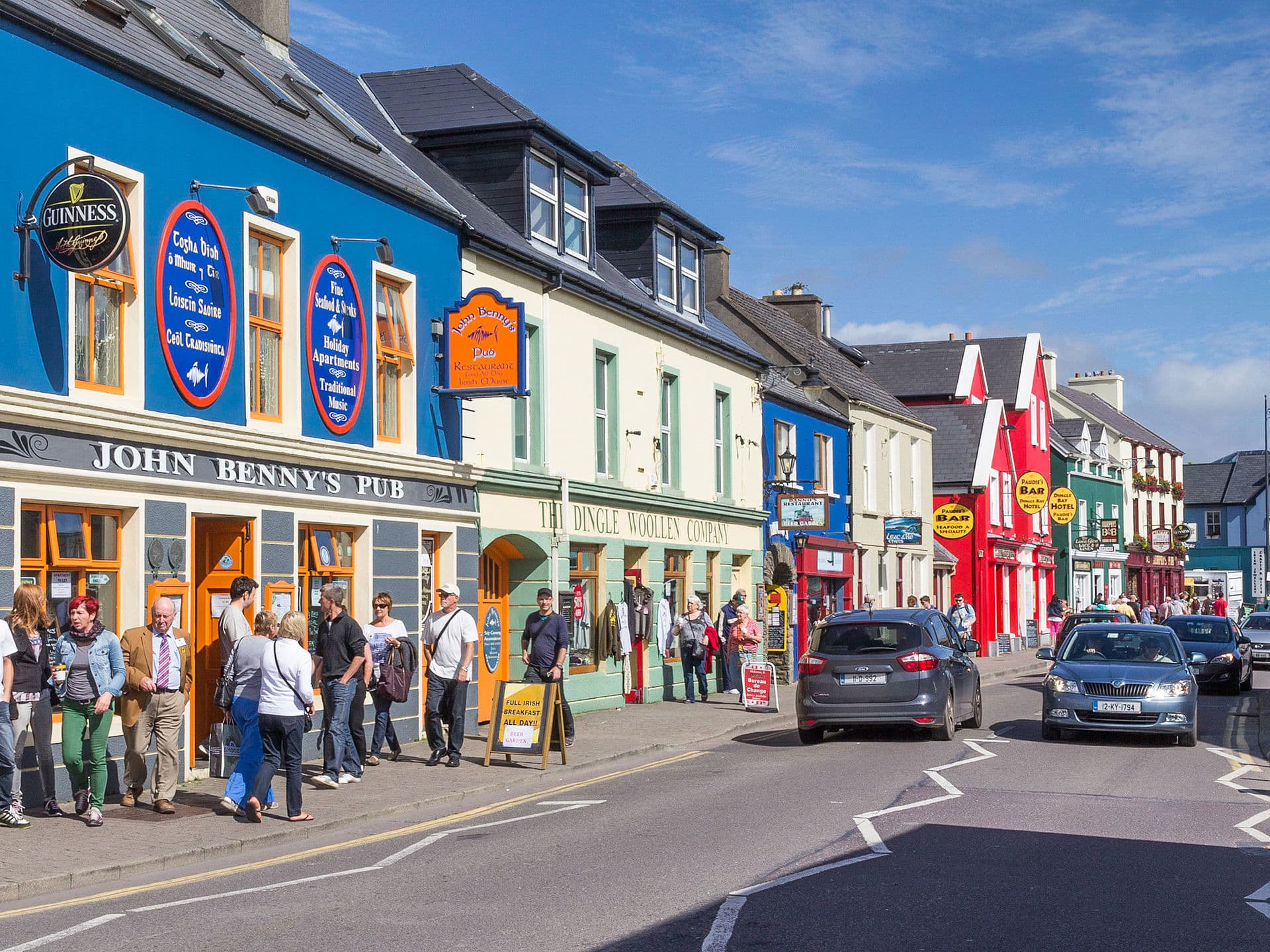 JoachimKohler-HB / CC BY-SA 4.0, via Wikimedia Commons
Самостоятельная аудиопрогулка по Дингл — GPS-маршрут, офлайн-воспроизведение, увлекательное повествование на 32 языках.
“Где древние камни встречаются с атлантическими волнами, и каждый паб хранит историю.”
Не открытки. Истории, которые не знают даже местные жители — шепотом в вашем ухе, прямо там, где они произошли.
Существует местная легенда об узком окне в Оратории Галларус.
В Дингле вы можете попросить отвертку в Foxy John's и получить именно то, что просили, но не то, что ожидали.
Присмотритесь к руинам замка Минард над дверным проемом.
Откройте для себя каждый секрет Дингл
Каждый адрес, каждое полное раскрытие — в вашем ухе, прямо там, где это произошло.
Вы выбираете остановки. Вы гуляете. Голос раскрывает то, что упускают другие.


Ваш самостоятельный аудиотур по Дингл готов — выберите свои достопримечательности, выберите свой язык и начните в момент прибытия.
КупитьВ Lume встроен гид дополненной реальности. Поднимите телефон: камера показывает улицу перед вами, а поверх реального изображения светится стрелка, всегда указывающая на вашу следующую остановку — не нужно разбираться с картой и сворачивать не туда. Как и всё в Lume, это работает полностью офлайн.
Дингл, известный на ирландском как An Daingean или Daingean Uí Chúis, — очаровательный город на полуострове Дингл в графстве Керри, Ирландия. Расположенный на побережье Атлантического океана, примерно в 50 километрах к юго-западу от Трали, он служит основным центром для посетителей, исследующих полуостров. Сам полуостров Дингл, описанный National Geographic как «самое красивое место на земле», — это регион, где горы встречаются с океаном, создавая ландшафт драматических утесов, зеленых долин и обширных песчаных пляжей.
Этот район является оплотом ирландского языка и традиций, будучи одним из крупнейших гэльтохтских (говорящих на гэльском) сообществ в Ирландии. Хотя ирландский язык широко распространен, особенно в приходах к западу от города, местные жители также свободно говорят по-английски, что обеспечивает легкое общение для посетителей. Дингл славится своей оживленной атмосферой, традиционными пабами и сильным чувством общности, что делает его любимым местом как для местных, так и для иностранных туристов.
Привлекательность города заключается в его красочных улицах, эклектичных магазинах и репутации превосходной кухни, особенно свежих морепродуктов. Полуостров Дингл предлагает сочетание впечатляющей природной красоты, древних исторических мест и глубокого культурного опыта, что делает его поистине уникальным уголком Европы.
История полуострова Дингл насчитывает более 6000 лет, причем самые ранние свидетельства человеческого обитания датируются примерно 4000 годом до нашей эры в Ферритерс-Коув. Эти ранние поселенцы были кочевыми народами, которые использовали местные ресурсы, формировали поселения и занимались собирательством такой пищи, как рыба, олени, свиньи и зайцы. Примерно в 4000–2500 гг. до н.э. прибыли первые фермеры, строившие дома и каменные гробницы. Полуостров считается одной из самых археологически значимых областей Западной Европы, с более чем 2000 памятниками, включая камни Огама, мысовые форты, мегалитические гробницы и кельи-ульи, которые предоставляют непрерывную запись человеческой истории.
В первые века нашей эры полуостров Дингл стал важным центром монашеской жизни, когда ранние христианские монахи искали его удаленные ландшафты для духовного поклонения. Остатки этой эпохи включают такие знаковые места, как Ораторий Галларус, часовня из сухих камней, простоявшая более тысячи лет, и монастырское поселение Риаск с его каменными изваяниями и кельями-ульями. Небольшие церкви, часто названные в честь ранних святых, строились по всему полуострову примерно с 600 года н.э.
Дингл развивался как порт после нормандского вторжения в Ирландию. К XIII веку он экспортировал больше товаров, чем Лимерик, а в 1257 году король Генрих III ввел таможенные пошлины на экспорт порта. В XIV веке импорт вина стал крупным бизнесом, а 1-й граф Десмонд ввел налог на эту деятельность около 1329 года. К XVI веку Дингл был одним из главных торговых портов Ирландии, экспортируя рыбу и шкуры и импортируя вина из континентальной Европы. Французские и испанские рыболовные флоты использовали город как базу, и связи с Испанией были особенно сильными. В 1529 году между 11-м графом Десмондом и послом императора Карла V был подписан Динглский договор. Дингл также был крупным портом отправления для паломников, направлявшихся в Сантьяго-де-Компостела.
XVI век, будучи периодом значимости, также принес Дингу трудности. Во время Войн Десмондов (1569–1583 гг.) город неоднократно сжигали, грабили и разрушали, что привело к упадку его процветающей торговли. Второе восстание Десмондов, начатое Джеймсом ФитцМорисом ФитцДжеральдом в 1579 году, ознаменовалось военными действиями, сосредоточенными на полуострове Дингл. Ирландское восстание 1641 года и Кромвелевские войны еще больше повлияли на экономику Дингла. К 1611 году Дингл описывался как «бедное разрушенное место» с незначительной торговлей, кроме рыболовства.
В XIX веке полуостров Дингл был одним из самых изолированных и нищих районов Ирландии, с населением 35 815 человек в 1841 году. Великий ирландский голод (1845–1849 гг.) еще больше сократил местное население. Несмотря на эти трудности, Дингл сохранил свою сильную культурную самобытность. Сегодня, с населением 1671 человек в 2022 году, он остается небольшим городом, известным своей традиционной ирландской культурой, музыкой и широким использованием ирландского языка.
Полуостров Дингл предлагает множество достопримечательностей, многие из которых лучше всего осматривать по живописному маршруту Slea Head Drive, который может занять от половины до целого дня. Этот маршрут предлагает захватывающие виды на побережье, древние археологические памятники и очаровательные деревни.
Начните с прогулки по пляжу Инч, обширному 5-километровому песчаному пляжу с видом на залив Дингл. Продолжите путь по Slea Head Drive, где ключевые остановки включают форт Данбег, каменную крепость железного века на краю утеса, и древние кельи-ульи (clocháns), сухие каменные сооружения, некогда населенные монахами. Ораторий Галларус, часовня из сухих камней XI или XII века, является еще одним выдающимся историческим местом. Насладитесь видами с пирса Дан-Чаойн, откуда открываются виды на Бласкетские острова, достойные открыток.
Для панорамных видов на весь полуостров проедьте по Коннор Пасс, самой высокогорной горной дороге Ирландии, которая извивается среди ржаво-красных гор и мимо озер-каров. Вернувшись в город Дингл, исследуйте его красочные улицы, ремесленные магазины, такие как Dingle Crystal, и аквариум Dingle Oceanworld. Dingle Distillery предлагает экскурсии и дегустации виски, джина и водки. По вечерам насладитесь традиционной ирландской музыкой в одном из многочисленных пабов Дингла.
Дингл приветствует посетителей круглый год, но лучшее время для прибытия зависит от индивидуальных предпочтений. Межсезонье апреля, мая и сентября предлагает более длинные световые дни, меньше толп и более расслабленную атмосферу, чем пик летнего сезона. Май и сентябрь особенно рекомендуются из-за приятной погоды и меньшего туристического трафика. Лето (июнь-август) — самое оживленное время с самой теплой погодой и большинством мероприятий, хотя цены на проживание выше. В эти месяцы Дингл оживает фестивалями и музыкой. Самые сухие месяцы — апрель, май, июнь и июль. Зима тише и дождливее, но предлагает уникальный, интимный опыт с меньшим количеством туристов и дикой, ветреной красотой. Полуостров Дингл выигрывает от смягчающего влияния Гольфстрима, что приводит к мягким температурам в течение всего года.
Добраться до Дингла проще всего на машине, полуостров расположен на юго-западной стороне Ирландии в графстве Керри. Это примерно 2 часа 10 минут езды от аэропорта Шаннон и 4 часа езды от аэропорта Дублина. Килларни находится примерно в часе езды. Bus Éireann управляет местной автобусной службой (маршрут 275) между автобусной станцией Трали и городом Дингл, с несколькими отправлениями ежедневно. Хотя общественный транспорт доступен, аренда автомобиля настоятельно рекомендуется для исследования удаленных чудес полуострова, особенно для Slea Head Drive.
Погода в Дингле известна своей изменчивостью, поэтому упаковка слоев одежды имеет важное значение. Водонепроницаемая куртка и удобная, прочная обувь или ботинки необходимы даже летом. Хотя кредитные и дебетовые карты широко принимаются, рекомендуется иметь при себе наличные для небольших сельских заведений. Дингл — это регион Гэлтахт, что означает, что ирландский язык широко распространен, но все местные жители свободно говорят по-английски. Slea Head Drive действует как одностороннее движение для посетителей (по часовой стрелке через деревню Вентри/Ceann Trá); лучше следовать местным дорожным знакам, а не полагаться исключительно на GPS.
Дингл: корейский, китайский, иврит и ещё 29 языков — каждую остановку озвучивает носитель языка. Самый широкий выбор языков среди аудиоэкскурсий без гида.
Доступные языки: