Forte de Diu
O formidável Forte de Diu, um símbolo do poder português, guarda um segredo sob suas imponentes muralhas que um dia protegeram contra invasores.
História completa desbloqueada no tour
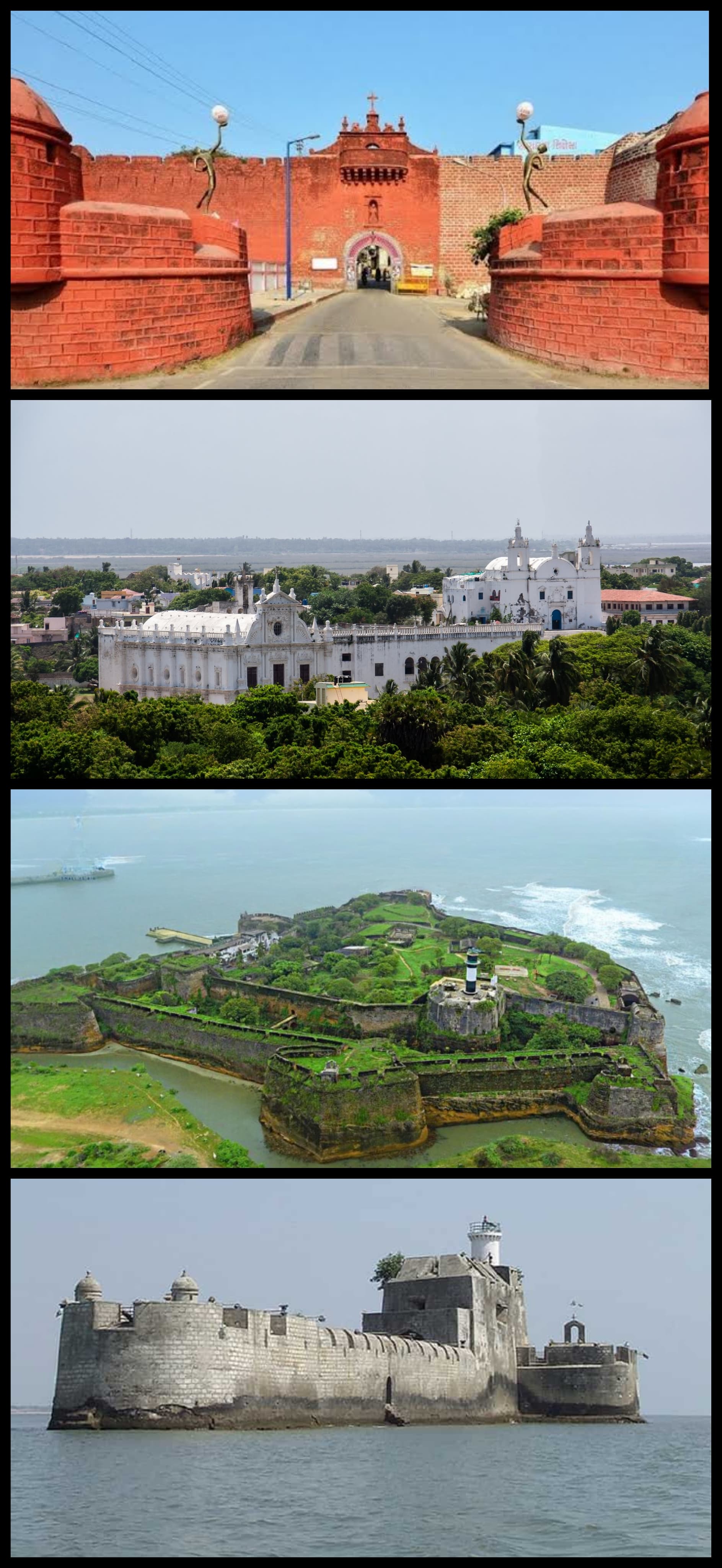 Zocdoclesson / CC BY-SA 4.0, via Wikimedia Commons
Tour de áudio autoguiado por Diu — rota GPS a pé, reprodução offline, narração envolvente em 32 idiomas.
“Onde ecos portugueses encontram sussurros do Mar Arábico.”
Não os postais. As histórias que nem os locais conhecem — sussurradas ao seu ouvido, exatamente onde aconteceram.
O formidável Forte de Diu, um símbolo do poder português, guarda um segredo sob suas imponentes muralhas que um dia protegeram contra invasores.
Esta obra-prima barroca, uma das igrejas portuguesas mais elaboradas da Índia, tem um suposto vínculo direto com o forte.
As enigmáticas Cavernas de Naida, um labirinto de túneis interconectados, podem não ser formações inteiramente naturais.
Descubra cada segredo de Diu
Cada endereço, cada revelação na íntegra — no seu ouvido, exatamente onde aconteceu.
Você escolhe as suas paragens. Você caminha. A voz revela o que os outros perdem.
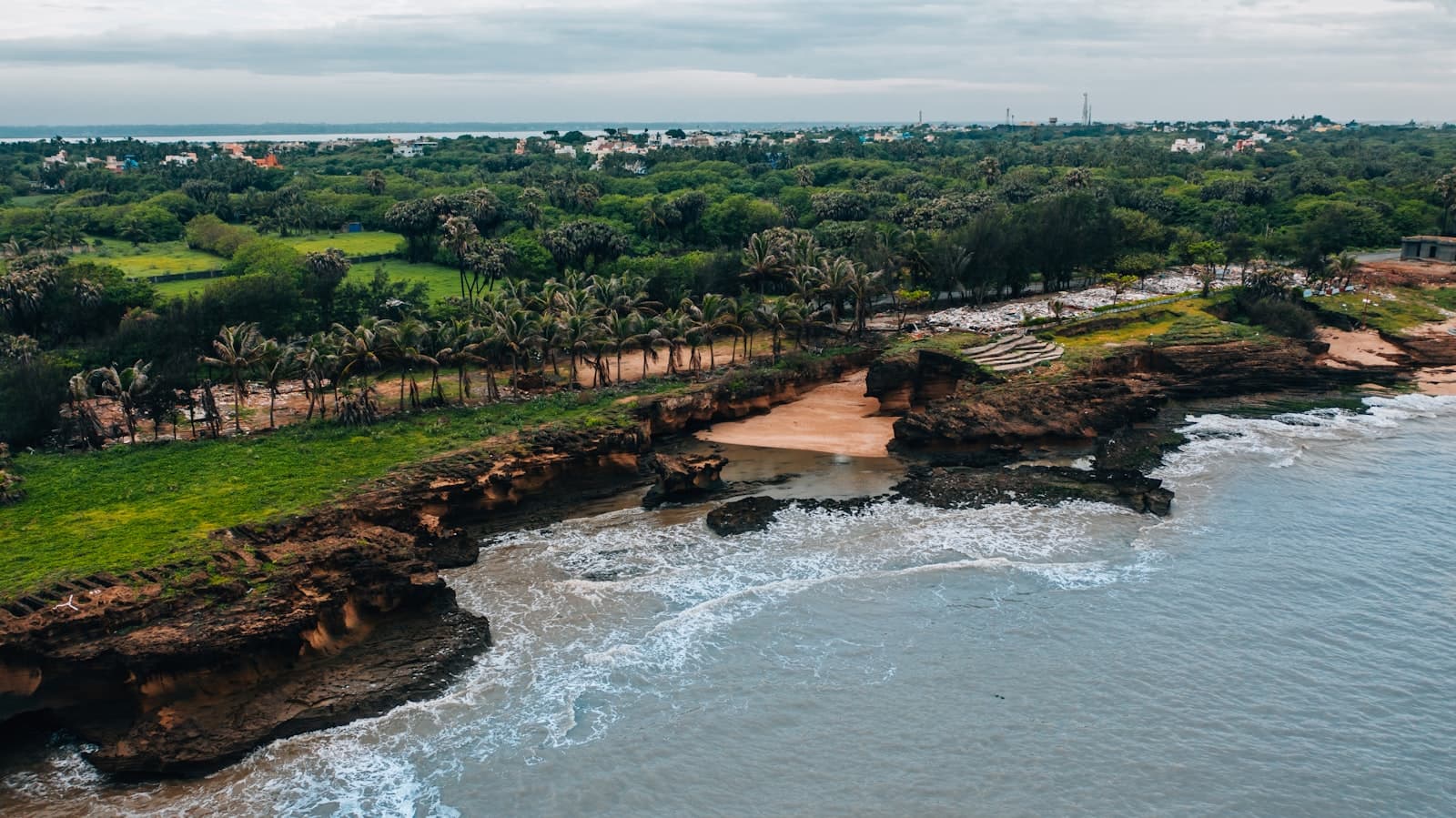
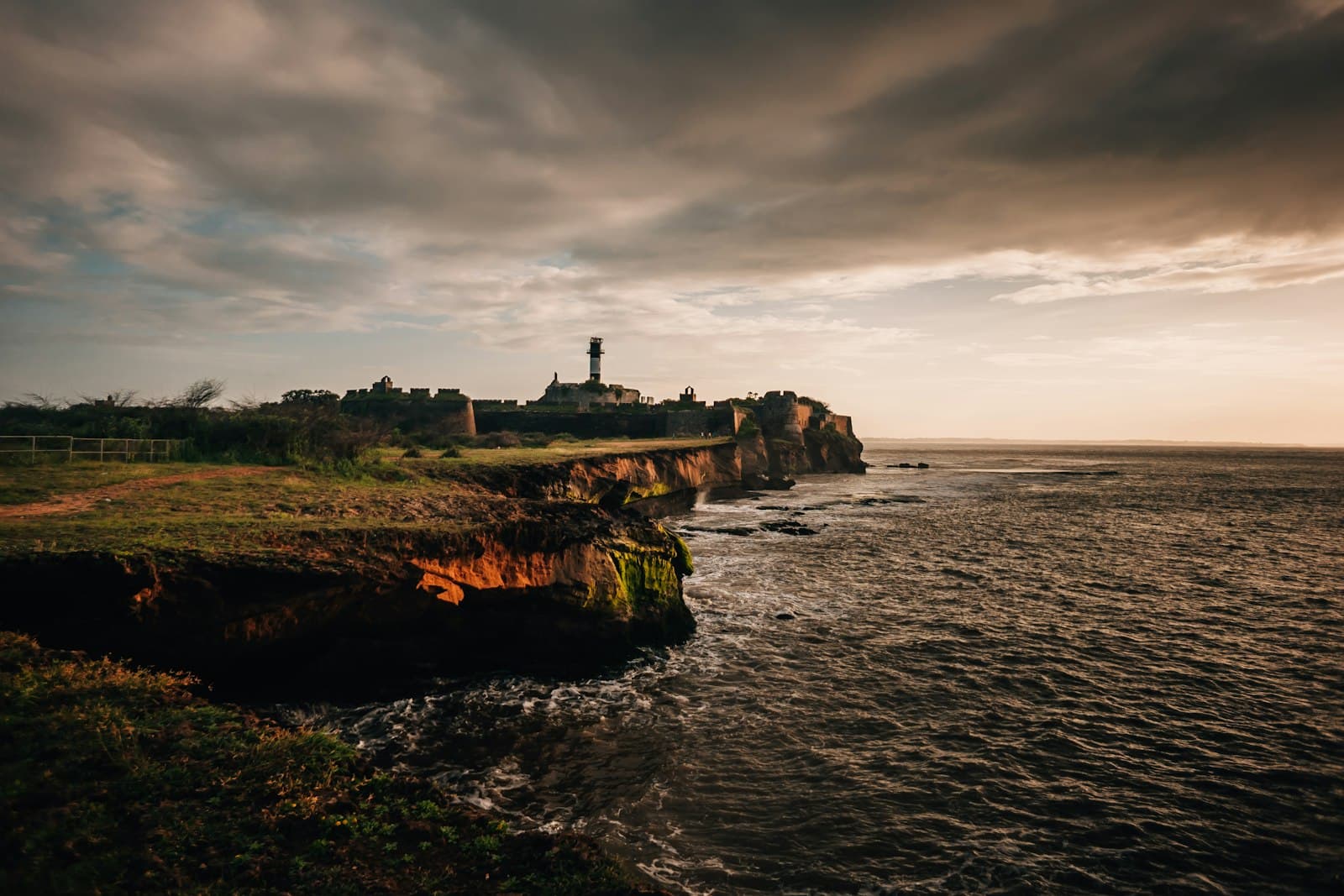
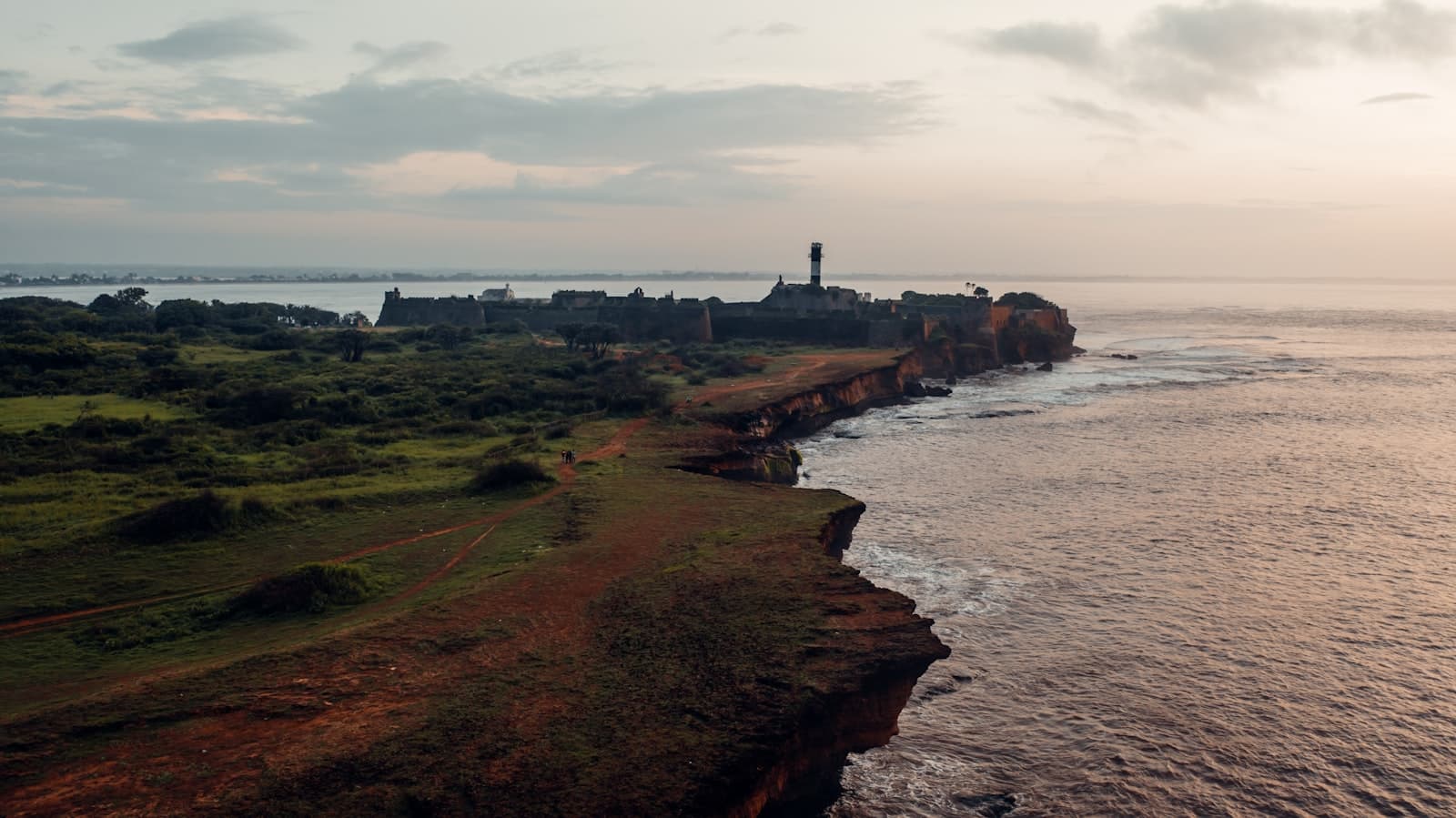
O seu tour áudio autoguiado de Diu está pronto — escolha os seus pontos de interesse, selecione o seu idioma e comece no momento em que chegar.
ComprarA Lume inclui um guia de realidade aumentada. Levante o telemóvel: a câmara mostra a rua à sua frente, com uma seta luminosa sobreposta à imagem real que aponta sempre para a sua próxima paragem — sem mapa para decifrar, sem voltas erradas. Como tudo na Lume, funciona totalmente offline.
Diu, uma pequena ilha na costa sul de Gujarat, oferece uma mistura distinta de culturas indiana e portuguesa, evidente em sua arquitetura, culinária e ritmo de vida tranquilo. Separada do continente por um estreito canal, esta cidade fortificada medieval apresenta uma fuga serena onde o Mar Arábico encontra um passado em camadas.
Outrora um importante porto comercial nas rotas do Mar Arábico, a importância estratégica de Diu levou a uma história cativante de alianças e conflitos. Hoje, convida os visitantes a passear por suas ruas tranquilas, explorar fortes antigos e relaxar em suas praias tranquilas, oferecendo uma alternativa única a destinos costeiros mais movimentados.
A história documentada de Diu remonta a mais de 2.200 anos ao Império Máuria, com o Imperador Chandragupta Maurya estendendo seu domínio sobre Saurashtra. Mais tarde, o Imperador Ashoka enviou um missionário, lançando as bases para o budismo na região. A ilha viu então o domínio sucessivo de várias dinastias, incluindo os reis indo-gregos no século I a.C. ao século I d.C., e mais tarde os Sultões Muçulmanos de Gujarat, sob os quais Diu floresceu como um posto comercial vital e base naval.
Os portugueses, reconhecendo o valor estratégico de Diu, fizeram esforços persistentes para controlar a ilha. Após várias tentativas fracassadas, uma aliança defensiva foi formada em 1535 entre Bahadur Shah, o Sultão de Gujarat, e os portugueses contra o imperador mogol Humayun. Esta aliança permitiu aos portugueses construir o formidável Forte de Diu e manter uma guarnição. No entanto, a aliança desfez-se rapidamente, levando a anos de conflito. Os portugueses eventualmente conquistaram Diu em 1546 e mantiveram o controle até 1961.
Diu permaneceu uma posse portuguesa mesmo após a Índia obter a independência em 1947. Em dezembro de 1961, sob a 'Operação Vijay', as forças indianas integraram Diu, juntamente com Goa e Daman, na União Indiana após um assalto terrestre, marítimo e aéreo de 48 horas. Inicialmente parte do Território da União de Goa, Daman e Diu, tornou-se um Território da União separado com Daman em 1987, quando Goa alcançou o estatuto de estado. Em 26 de janeiro de 2020, Daman e Diu fundiram-se com Dadra e Nagar Haveli para formar o Território da União de Dadra e Nagar Haveli e Daman e Diu.
Diu oferece uma coleção de atrações cativantes que refletem seu patrimônio único. O imponente Forte de Diu, uma construção portuguesa do século XVI, é um testemunho do passado estratégico da ilha, oferecendo vistas expansivas do Mar Arábico. No interior, explore seus baluartes, um farol e uma capela. A apenas uma milha náutica de distância, a Fortaleza de Panikotha, também conhecida como Fortim do Mar, é um forte marítimo em forma de navio acessível por barco, adicionando à história defensiva da ilha.
Para entusiastas da arquitetura, a Igreja de São Paulo é um exemplo refinado do design barroco, apresentando marcenaria intrincada e uma atmosfera serena. As Cavernas de Naida, uma fascinante rede de túneis e câmaras, oferecem um refúgio fresco e sombreado e uma intrigante oportunidade fotográfica à medida que a luz do sol filtra pelas fendas. Não deixe de visitar o Templo Gangeshwar Mahadev, um templo único de Shiva onde cinco lingams de Shiva estão naturalmente submersos na água do mar durante a maré alta. Diu também é conhecida por suas praias tranquilas como a Praia de Nagoa e a Praia de Ghoghla, perfeitas para relaxamento ou atividades aquáticas.
A época ideal para conhecer Diu é durante os meses mais frios, de outubro a março. As temperaturas durante este período variam de confortáveis 15°C a 30°C, com céus limpos e brisas marítimas suaves, tornando-o perfeito para explorar as praias, sítios históricos e participar de atividades ao ar livre. Esta época alta também coincide com vários festivais e eventos culturais, enriquecendo a experiência do visitante. Embora os verões (março a maio) possam ser quentes, a brisa marítima oferece algum alívio, e é uma época de baixa temporada para encontrar ofertas favoráveis em acomodações e esportes aquáticos.
O Aeroporto de Diu oferece voos diretos de grandes cidades indianas como Mumbai e Ahmedabad, proporcionando o acesso mais conveniente. Alternativamente, as estações ferroviárias mais próximas são Veraval (a 90 km) e Junagadh (a 100 km), com serviços regulares de ônibus e táxi conectando a Diu. Uma vez na ilha, o tamanho compacto de Diu e a boa infraestrutura facilitam a locomoção. Bicicletas podem ser alugadas para explorar em um ritmo tranquilo. Costumes locais são geralmente observados, e pechinchar é comum nos mercados locais. Gorjetas de cerca de 10-15% são habituais para o serviço de restaurante, com valores menores para outros prestadores de serviço. É aconselhável levar roupas leves de algodão, protetor solar e chapéu, especialmente ao visitar durante os meses mais quentes.
Diu — coreano, chinês, hebraico e mais 29 idiomas, cada parada narrada por uma voz nativa. A maior variedade de idiomas entre os passeios de áudio autoguiados.
Disponível em: