Il Nome 'Dodoma'
Il nome della città non è solo un'etichetta; è un sussurro dal passato, che racconta la storia di una creatura colossale e del terreno sotto i tuoi piedi.
La storia completa si sblocca nel tour
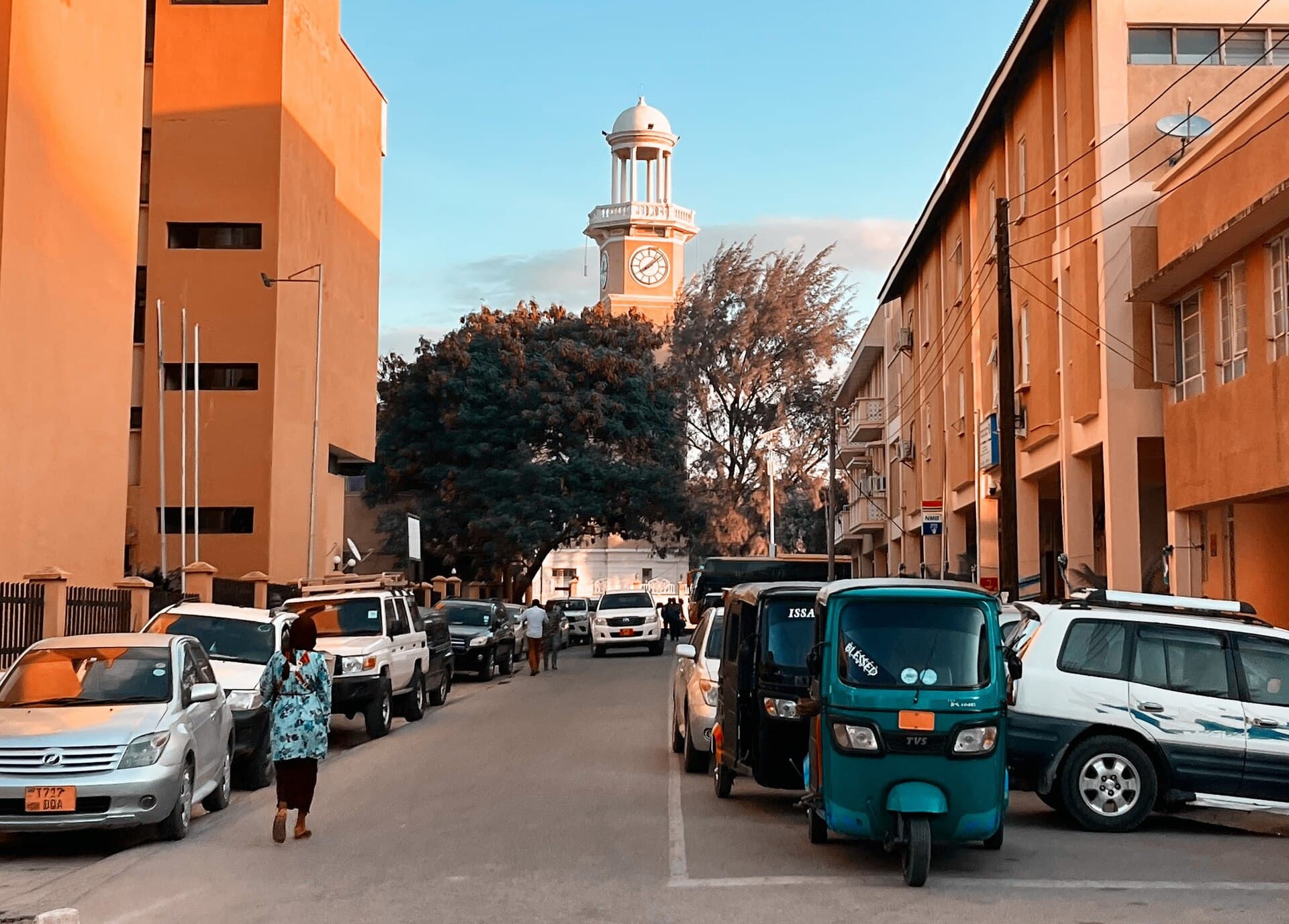 Mangapwani / CC BY-SA 4.0, via Wikimedia Commons
Tour audio autoguidato di Dodoma — percorso GPS a piedi, riproduzione offline, narrazione coinvolgente in 32 lingue.
“Dodoma: Dove il cuore della Tanzania batte a un ritmo antico e una vite in crescita.”
Non le cartoline. Le storie che nemmeno i locali conoscono — sussurrate nel tuo orecchio, proprio dove sono accadute.
Il nome della città non è solo un'etichetta; è un sussurro dal passato, che racconta la storia di una creatura colossale e del terreno sotto i tuoi piedi.
Questa non è solo una moschea; è un imponente punto di riferimento rosa, testimonianza di una sorprendente amicizia internazionale che ha plasmato lo skyline di Dodoma.
Sebbene l'Africa orientale potrebbe non essere il primo posto che viene in mente per la viticoltura, Dodoma sta coltivando silenziosamente una reputazione che sfida le regioni vinicole tradizionali.
Scopri ogni segreto di Dodoma
Ogni indirizzo, ogni rivelazione completa — nel tuo orecchio, proprio dove è accaduta.
Scegli le tue tappe. Cammini. La voce rivela ciò che gli altri perdono.



Il tuo tour audio autoguidato di Dodoma è pronto — scegli i tuoi punti di interesse, seleziona la tua lingua e inizia nel momento in cui arrivi.
AcquistaLume include una guida in realtà aumentata. Alza il telefono: la fotocamera mostra la strada davanti a te, con una freccia luminosa sovrapposta all'immagine reale che punta sempre verso la tua prossima tappa — nessuna mappa da decifrare, nessuna svolta sbagliata. Come tutto in Lume, funziona completamente offline.
Dodoma, la capitale ufficiale della Tanzania, si trova su un altopiano centrale, una città di ambizione nazionale e dal ritmo più lento. A differenza del vivace centro costiero di Dar es Salaam, Dodoma offre un'esperienza più sobria, fondendo il suo ruolo di cuore politico e amministrativo del paese con uno sfondo agricolo rilassato. Strade ampie e una manciata di edifici di epoca coloniale caratterizzano il suo paesaggio urbano, offrendo un ambiente calmo e senza stress per l'esplorazione.
Oltre alle sue funzioni amministrative, Dodoma è circondata da una regione agricola, nota per i suoi vigneti e la produzione di frutta diversificata. È un luogo dove la visione di una nazione si dispiega, dolcemente sotto il sole africano, invitando i visitatori a connettersi con la vita locale e a scoprire un mix unico di patrimonio culturale e bellezza naturale. L'altitudine della città, tra circa 1.100 e 1.135 metri (3.600-3.720 piedi) sul livello del mare, contribuisce a un clima più temperato rispetto alle aree costiere.
La città moderna di Dodoma trae le sue origini dal 1907, quando i coloni tedeschi la stabilirono come un piccolo insediamento. Questo sviluppo era intrinsecamente legato alla costruzione della Ferrovia Centrale, un'arteria di trasporto vitale progettata per collegare il porto sull'Oceano Indiano di Dar es Salaam con le regioni interne vicino al Lago Tanganica. La stazione ferroviaria servì da catalizzatore per la crescita di Dodoma in un insediamento significativo.
Dopo la Prima Guerra Mondiale, il Tanganica, inclusa Dodoma, passò sotto l'amministrazione britannica. Durante questo periodo, Dodoma servì come centro amministrativo provinciale, con la sua modesta economia che si basava sulla ferrovia centrale per trasportare i prodotti agricoli a Dar es Salaam. L'idea di trasferire la capitale della Tanzania a Dodoma fu considerata già nel 1915, ma una proposta formale emerse solo nel 1959.
Nel 1973, il governo tanzaniano prese la decisione cruciale di spostare la capitale nazionale da Dar es Salaam a Dodoma. Questo spostamento fu guidato dal desiderio di centralizzare la capitale all'interno del paese, promuovere lo sviluppo economico e sociale nel centro geografico della Tanzania e alleviare la pressione su Dar es Salaam. Furono eretti nuovi edifici parlamentari e furono fatti piani per trasferire tutti i ministeri governativi a Dodoma. Tuttavia, sfide come la limitata fornitura d'acqua e altri fattori ambientali inizialmente ostacolarono la piena realizzazione di questo piano, e molti uffici governativi rimasero a Dar es Salaam per decenni.
Nonostante questi ostacoli iniziali, Dodoma divenne ufficialmente la capitale della Tanzania nel 1996. Sotto la presidenza di John Magufuli, gli sforzi di trasferimento del governo si intensificarono, con la maggior parte dei ministeri e delle riunioni governative che ora si svolgono a Dodoma. Mentre Dar es Salaam continua a funzionare come hub economico e commerciale del paese, Dodoma si erge come il cuore politico e amministrativo della Tanzania, una testimonianza del suo sviluppo pianificato e delle sue aspirazioni nazionalistiche.
Inizia la tua esplorazione alla Moschea Gaddafi, la moschea più grande della Tanzania, nota per la sua distintiva facciata rosa e la capacità di ospitare fino a 3000 fedeli. Nelle vicinanze, la Cattedrale di Dodoma e la Chiesa Anglicana offrono interesse architettonico e uno sguardo sulla diversità religiosa della città. Una breve passeggiata ti condurrà all'Edificio del Bunge (Parlamento), un simbolo dell'unità tanzaniana e uno spazio civico significativo. L'area circostante, nota come zona Ikulu (Residenza presidenziale di Dodoma), presenta architettura imponente e monumenti pubblici.
Per una vista panoramica della città e dei suoi vasti paesaggi, sali sulla Collina Simba (Mlimwa). Nel centro della città, Piazza Nyerere è un punto di riferimento centrale con una statua monumentale di Julius Nyerere, il padre fondatore della Tanzania, che offre un luogo per rilassarsi e osservare la gente. Il Mercato Centrale è un vivace centro dove agricoltori e artigiani locali espongono i loro prodotti e manufatti, offrendo un'atmosfera dinamica.
Un sito culturale e storico significativo nella più ampia regione di Dodoma sono i Siti di Arte Rupestre di Kondoa, un Patrimonio dell'Umanità dell'UNESCO situato a circa 150 chilometri a nord della città. Queste antiche pitture, sparse lungo i pendii della Rift Valley, raccontano storie che risalgono a millenni fa.
Dodoma sta emergendo anche come un'importante regione vinicola. Considera un tour delle cantine locali come Dodoma Wine o Alpha Farm per assaggiare vini rossi e bianchi tanzaniani.
Dodoma sperimenta un clima semi-arido con temperature calde o molto calde tutto l'anno. Il periodo migliore per visitarla è durante la lunga stagione secca, che va da maggio a ottobre. Durante questi mesi, le precipitazioni sono minime e il tempo è più prevedibile, con temperature medie diurne intorno ai 28-31°C (82-88°F). Luglio è tipicamente il mese più fresco, con minime medie intorno ai 15°C (59°F). La stagione delle piogge si verifica tra dicembre e aprile, con gennaio che è il mese più piovoso, con una media di circa 119 mm di precipitazioni.
La valuta ufficiale a Dodoma, e in tutta la Tanzania, è lo Scellino Tanzaniano (TZS). Sebbene le principali destinazioni turistiche possano talvolta accettare dollari USA, è meglio avere TZS per le spese quotidiane, gli acquisti minori e le mance. Gli sportelli bancomat sono disponibili e le carte di debito di viaggio sono un'opzione conveniente per la conversione di valuta.
Dodoma è generalmente considerata sicura per i turisti, ma è sempre saggio essere consapevoli di ciò che ti circonda e prendere precauzioni standard, come evitare di camminare da soli di notte e mettere al sicuro i propri effetti personali, specialmente nelle aree affollate come le stazioni degli autobus e i mercati. Lo Swahili è la lingua principale, ma l'inglese è ampiamente compreso nelle aree turistiche.
Spostarsi a Dodoma è gestibile con varie opzioni. I minibus, noti come 'dala-dala', sono un modo comune e conveniente per navigare in città, anche se possono essere imprevedibili. Anche i taxi sono facilmente disponibili e servizi di ride-hailing come Bolt operano in città. Per un'esperienza più locale, i taxi motociclistici, o 'bodaboda', sono un'opzione, ma è fondamentale negoziare il prezzo in anticipo e insistere per un casco.
L'aeroporto di Dodoma (DOD) serve la città con una pista di 2.450 metri. Un nuovo aeroporto internazionale, l'aeroporto internazionale di Msalato, è in costruzione ed è progettato per ospitare aerei più grandi, migliorando significativamente la connettività aerea con Dodoma.
Dodoma — coreano, cinese, ebraico e altre 29 lingue, ogni tappa narrata da una voce madrelingua. La più ampia scelta di lingue tra i tour audio autoguidati.
Disponibile in: