Porte des Tours
Além dos formidáveis portões fortificados de Domme, examine as paredes de pedra dentro das torres.
História completa desbloqueada no tour
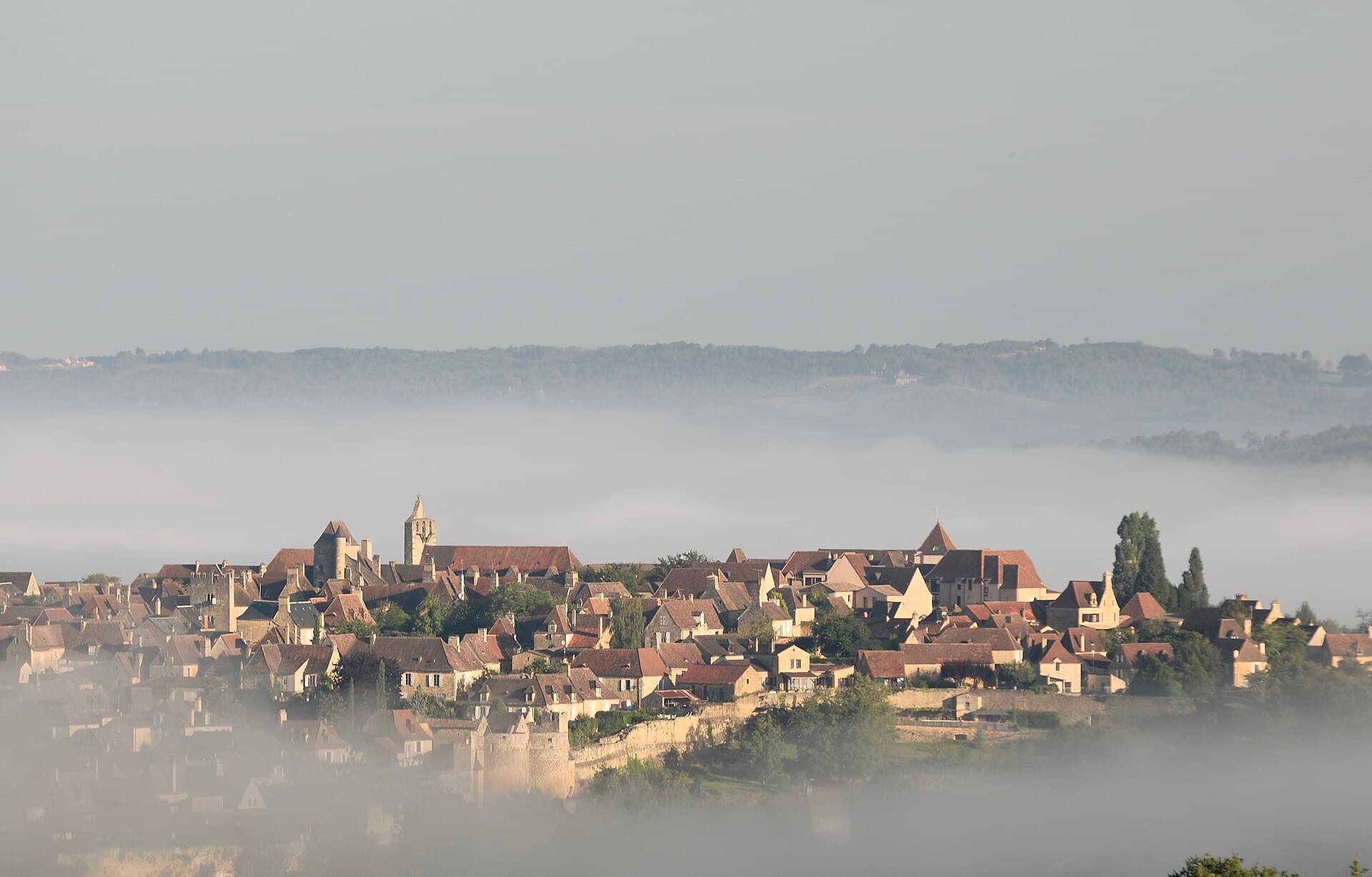 Ghezoart / CC BY-SA 3.0, via Wikimedia Commons
Tour de áudio autoguiado por Domme — rota GPS a pé, reprodução offline, narração envolvente em 32 idiomas.
“Onde a pedra medieval reencena sagas templárias e o Dordogne desliza abaixo.”
Não os postais. As histórias que nem os locais conhecem — sussurradas ao seu ouvido, exatamente onde aconteceram.
Além dos formidáveis portões fortificados de Domme, examine as paredes de pedra dentro das torres.
A praça do mercado central de Domme esconde um segredo sob suas lajes.
Ao caminhar do estacionamento principal em direção à Porte des Tours, observe as paredes atentamente.
Descubra cada segredo de Domme
Cada endereço, cada revelação na íntegra — no seu ouvido, exatamente onde aconteceu.
Você escolhe as suas paragens. Você caminha. A voz revela o que os outros perdem.
O seu tour áudio autoguiado de Domme está pronto — escolha os seus pontos de interesse, selecione o seu idioma e comece no momento em que chegar.
ComprarA Lume inclui um guia de realidade aumentada. Levante o telemóvel: a câmara mostra a rua à sua frente, com uma seta luminosa sobreposta à imagem real que aponta sempre para a sua próxima paragem — sem mapa para decifrar, sem voltas erradas. Como tudo na Lume, funciona totalmente offline.
Domme, uma cativante vila bastida medieval, ergue-se resolutamente em um penhasco a 150 metros acima do rio Dordogne, no sudoeste da França. Reconhecida como uma das "Les Plus Beaux Villages de France" (As Aldeias Mais Bonitas da França), sua arquitetura de calcário dourado e paisagem urbana bem preservada convidam a uma jornada através do tempo. A vila oferece vistas panorâmicas expansivas do Vale do Dordogne, tornando-a um destaque cênico da região de Nouvelle-Aquitaine.
Fundada em 1281 pelo Rei Filipe III da França, Domme foi estrategicamente construída como uma cidade fortificada para defesa, apresentando um distinto layout trapezoidal adaptado à sua localização no topo da colina. Suas ruas estreitas e sinuosas, muralhas antigas e portões fortificados convidam à exploração, revelando séculos de histórias a cada curva. O autêntico caráter medieval de Domme, com lojas de artesanato e cafés tradicionais, proporciona uma experiência mais tranquila do que destinos turísticos mais movimentados.
Além de sua importância histórica, Domme é um lugar de esplendor natural, com o rio Dordogne serpenteando pela paisagem abaixo. É um destino que atrai aqueles fascinados pela história, amantes da natureza e indivíduos que buscam uma aventura longe das rotas principais no Vale do Dordogne.
## A Fundação de uma Bastida As origens de Domme remontam a 1281, quando o Rei Filipe III da França, conhecido como Filipe, o Ousado, ordenou sua construção. Este ato foi um movimento estratégico para garantir o controle francês e contrabalançar a influência inglesa na região, estabelecendo uma cidade fortificada – uma bastida – em um platô com vista para o rio Dordogne. Ao contrário de muitas bastidas com seus típicos layouts de grade retangular, o projeto de Domme se conformou aos contornos naturais de seu dramático local no topo da colina, resultando em uma forma trapezoidal. A cidade foi meticulosamente planejada para defesa eficaz e para cultivar um forte senso de comunidade, apresentando uma praça central e uma igreja.
## Um Reduto em Eras Turbulentas A posição estratégica de Domme a tornou um local disputado durante a Guerra dos Cem Anos (1337–1453), mudando de mãos repetidamente entre as forças francesas e inglesas. Suas fortificações foram expandidas durante este período, e os habitantes defenderam bravamente suas casas, transformando Domme em uma potência militar. A cidade também desempenhou um papel nas Guerras Religiosas Francesas, suportando mais conflitos. Em 1588, o capitão protestante Geoffroy de Vivans tomou Domme famosamente escalando a face rochosa íngreme à noite, um testemunho das formidáveis defesas da cidade.
## Cativeiro dos Templários Um dos capítulos mais cativantes da história de Domme envolve os Cavaleiros Templários. No início do século XIV, a Porte des Tours, um dos portões fortificados de Domme, serviu como prisão para cavaleiros templários perseguidos pelo Rei Filipe IV da França. Esses cavaleiros aprisionados deixaram para trás símbolos e mensagens enigmáticos entalhados nas paredes de pedra, que ainda são discerníveis hoje e são considerados exemplos significativos de grafite de prisioneiros medievais na Europa.
## Prosperidade e Preservação Após períodos de conflito, Domme experimentou prosperidade, com elegantes casas e edifícios do século XVII ainda de pé. A economia da cidade floresceu, impulsionada pelo comércio de nozes, vinho e trufas, e seu papel como centro de mercado. Embora o século XIX tenha visto algum declínio, Domme foi revitalizada no século XX através de esforços de preservação do patrimônio. Hoje, permanece notavelmente bem preservada, com suas muralhas e grandes portões em grande parte intactos, e suas casas de pedra dourada refletindo uma arquitetura magistral. As cavernas subterrâneas, descobertas no século XX, aumentam ainda mais o encanto de Domme, revelando impressionantes estalactites e vestígios pré-históricos.
Comece sua exploração na Porte des Tours, a impressionante entrada fortificada de Domme. Aqui, você pode examinar os enigmáticos grafites gravados por Cavaleiros Templários aprisionados no século XIV. Da Porte des Tours, considere uma caminhada ao longo das muralhas, construídas no século XIV, que oferecem vistas extensas do Vale do Dordogne e do rio serpenteante abaixo. A Esplanade de la Barre oferece um dos mirantes panorâmicos mais celebrados de toda a região de Dordogne.
Sob a praça central do mercado, descubra a Grotte de Domme, um extenso sistema de cavernas subterrâneas. Tours guiados revelam impressionantes estalactites, estalagmites e outras formações geológicas, com evidências de ocupação pré-histórica. A Place de la Halle, a praça da vila, apresenta um mercado coberto do século XVII, onde você pode encontrar produtos locais e vivenciar a atmosfera animada, especialmente nos dias de mercado. A Igreja de Notre-Dame de l'Assomption, reconstruída no século XVII, é outro marco histórico que vale a pena visitar.
Para uma perspectiva diferente, considere um passeio no pequeno trem de Domme para um tour guiado de 20 minutos pela vila, passando por pontos turísticos e mirantes importantes. Além da vila, o Vale do Dordogne circundante oferece oportunidades para canoagem ou caiaque no rio, proporcionando vistas distintas da paisagem e de outras vilas medievais. Trilhas para caminhada e ciclismo também são abundantes na área.
As épocas mais favoráveis para visitar Domme são no final da primavera (maio a junho) e início do outono (setembro a outubro). Nesses meses, o clima é agradável, com temperaturas variando de amenas a quentes, e o número de turistas é geralmente menor do que durante a alta temporada de verão. Julho e agosto são os meses mais quentes, com máximas médias em torno de 26°C, mas também registram o maior número de visitantes. A parte mais clara do ano para os céus em Domme se estende do início de junho ao final de setembro. Maio geralmente recebe a maior precipitação, enquanto julho tem a menor.
Domme fica a aproximadamente 12,7 quilômetros (9 milhas) ao sul de Sarlat-la-Canéda. As estações de trem mais próximas são em Périgueux, Bergerac, Sarlat e Brive, sendo Sarlat a mais próxima. Destações, você precisaria providenciar um aluguel de carro de curto prazo ou um táxi para chegar a Domme. Aeroportos regionais como o Aeroporto de Brive–Souillac (BVE) ou o Aeroporto de Bergerac Dordogne Périgord (EGC) oferecem voos de grandes centros europeus.
O estacionamento dentro da cidade murada é limitado. Durante os meses de verão movimentados (junho a meados de setembro), é aconselhável usar os estacionamentos maiores localizados mais abaixo na encosta. O estacionamento mais baixo e distante é frequentemente gratuito e oferece serviços de transporte para o topo da colina. O estacionamento no Vale do Dordogne geralmente requer uma pequena taxa, portanto, procure máquinas de bilhetes para exibir no seu painel. O Office de Tourisme, localizado perto da igreja histórica e da Esplanade de Domme, pode fornecer assistência e informações.
Domme — coreano, chinês, hebraico e mais 29 idiomas, cada parada narrada por uma voz nativa. A maior variedade de idiomas entre os passeios de áudio autoguiados.
Disponível em: