Dover Castle Roman Lighthouse (Pharos)
Within Dover Castle's medieval embrace stands a structure far older, a stoic guide from a vanished empire.
Full story unlocks in the tour
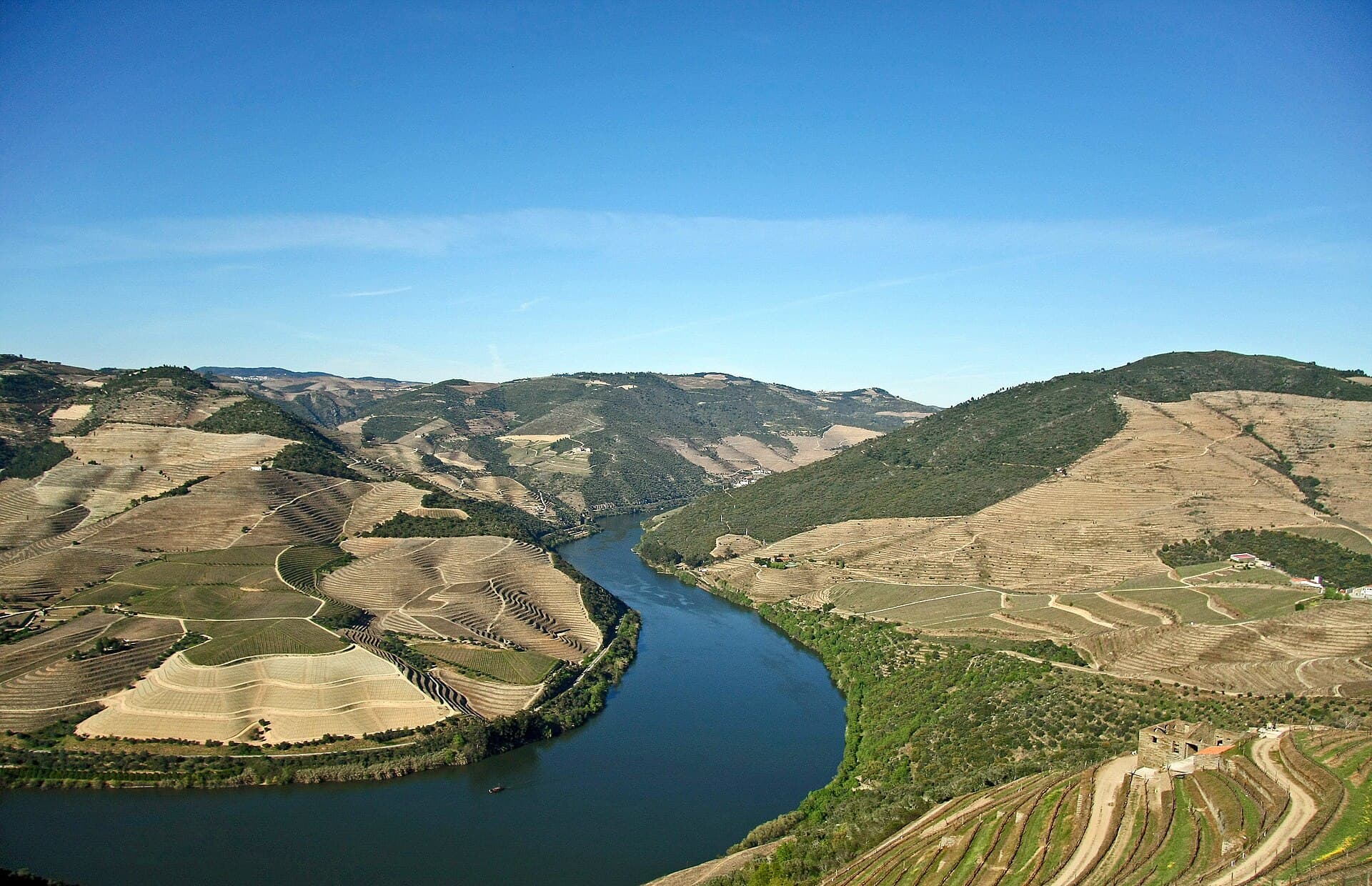 Vitor Oliveira from Torres Vedras, PORTUGAL / CC BY-SA 2.0, via Wikimedia Commons
“Where chalk escarpments meet ancient defenses and wartime stratagems.”
Not the postcards. The stories even locals don't know — whispered in your ear, right where they happened.
Within Dover Castle's medieval embrace stands a structure far older, a stoic guide from a vanished empire.
Beneath the formidable stone of Dover Castle lies a concealed network, not of dungeons, but of tactical passages that recount a story of unexpected fortitude.
The renowned White Cliffs are more than just a striking natural feature; they conceal an entire world carved from chalk.
Discover every secret of Douvres
Every address, every reveal in full — in your ear, right where it happened.
You pick your stops. You walk. The voice reveals what the others miss.
No tours available yet. Check back soon — we're preparing them.
Dover, a significant port town in Kent, England, serves as a historic threshold facing France across the Strait of Dover, the narrowest passage of the English Channel. Recognized globally for its distinct White Cliffs, the town has played a central role in English history, functioning as a vital defensive location for millennia. Its strategic positioning has made it a frequent objective for invasion attempts, from Julius Caesar to William the Conqueror and Napoleon.
Today, Dover remains a lively nexus, with its port operating as one of the busiest passenger ferry terminals in the world. Beyond its functional importance, Dover presents a compelling blend of natural splendor and historical depth, inviting travelers to explore ancient fortifications, wartime narratives, and dramatic coastal vistas. The town's designation itself is thought to originate from the River Dour, which flows through its expanse.
Dover's chronology extends back to the Stone Age, with archaeological discoveries indicating early human presence. The Romans, acknowledging its strategic value as the closest point to continental Europe, established Portus Dubris, a fortified port, in AD 43. They constructed two lighthouses to guide ships, one of which, the Pharos, still stands within Dover Castle and is considered Britain's oldest surviving structure. After the Roman departure, Dover, then identified as DOFRAS, became a notable settlement in the Kingdom of Kent during the Saxon period.
Following the Norman Conquest in 1066, William the Conqueror established a fortification at Dover. However, the impressive stone castle visible today largely originates from the reign of King Henry II, who commenced its construction in 1168 and completed the Great Tower between 1180 and 1189. This medieval stronghold, frequently referred to as the 'Key to England,' has endured numerous sieges, most notably two attempts by Anglo-French forces under Prince Louis of France during the First Barons' War in 1216–17. Despite breaches in its walls, the castle never yielded.
During the Tudor era, King Henry VIII implemented improvements to Dover's defenses, including the castle and the Moat Bulwark, recognizing the persistent threat of continental invasion. The castle was briefly seized by Parliamentarians in 1642 during the English Civil War without a confrontation, ensuring it avoided the fate of many other English castles. Extensive rebuilding efforts occurred in the late 18th century during the Napoleonic Wars, when a complex of tunnels was excavated beneath the castle.
Dover's strategic importance intensified during the 20th century. It functioned as the core of English Channel defense in World War I and was a primary troop embarkation port for France. During World War II, the town became known as 'Fortress Dover' and experienced intense shelling and bombing. The Napoleonic tunnels were expanded and became a crucial military command center, a hospital, and the headquarters for Operation Dynamo, the Dunkirk evacuation. The White Cliffs became a beacon of hope for returning soldiers. During the Cold War, a regional seat of government was situated within the cliffs beneath Dover Castle.
Dover presents a wealth of sights that speak to its layered history and dramatic terrain. The White Cliffs of Dover are an essential visit, offering expansive views of the English Channel and, on clear days, the French coast. Walking paths along the clifftops, such as the Coast Path loop, provide opportunities to appreciate their grandeur.
Dominating the skyline is Dover Castle, one of England's largest and most iconic fortresses. Explore its Great Tower, observe the Roman Pharos, and venture into the Secret Wartime Tunnels, which served as a command center and hospital during World War II. For a different perspective, the Western Heights Fortress, part of Dover's Napoleonic defenses, offers free exploration of its exterior and views of the town and castle.
The Dover Museum provides a comprehensive overview of the town's past, from the Stone Age to modern times, and houses the Bronze Age Boat, considered the oldest existing seafaring vessel. For those who appreciate the natural world, Samphire Hoe Nature Reserve, created from excavated materials from the Channel Tunnel, offers walking paths, wildflowers, and birdlife at the base of Shakespeare Cliff.
The ideal time to experience Dover is during the spring months, from April to June. The weather is generally mild and agreeable, making it perfect for exploring the town and its outdoor attractions. This period also sees the landscape awaken with spring flowers. Early autumn, specifically September and October, also offers pleasant weather with fewer visitors and colorful foliage. While summers can be warm, they are also the busiest, leading to higher prices for accommodation and travel.
Dover is well-connected and readily accessible. From London, direct train services are available, though there is no shuttle between the station and the ferry port, requiring a walk or taxi. Coach services also operate from London Victoria Coach Station, offering a more economical, though slower, option. As a significant ferry port, Dover has regular services to Calais and Dunkirk. Securing ferry tickets in advance can often yield discounts.
Many of Dover's primary attractions, such as Dover Castle and the White Cliffs, are easily reached. The White Cliffs of Dover Visitor Centre offers information and a café. Parking is available, with a fee for non-National Trust members. The town center itself offers independent shops and various dining establishments, including local British classics and fresh seafood.