Quartiere Storico di Al Fahidi
Le torri del vento qui non servivano solo per il raffreddamento.
La storia completa si sblocca nel tour
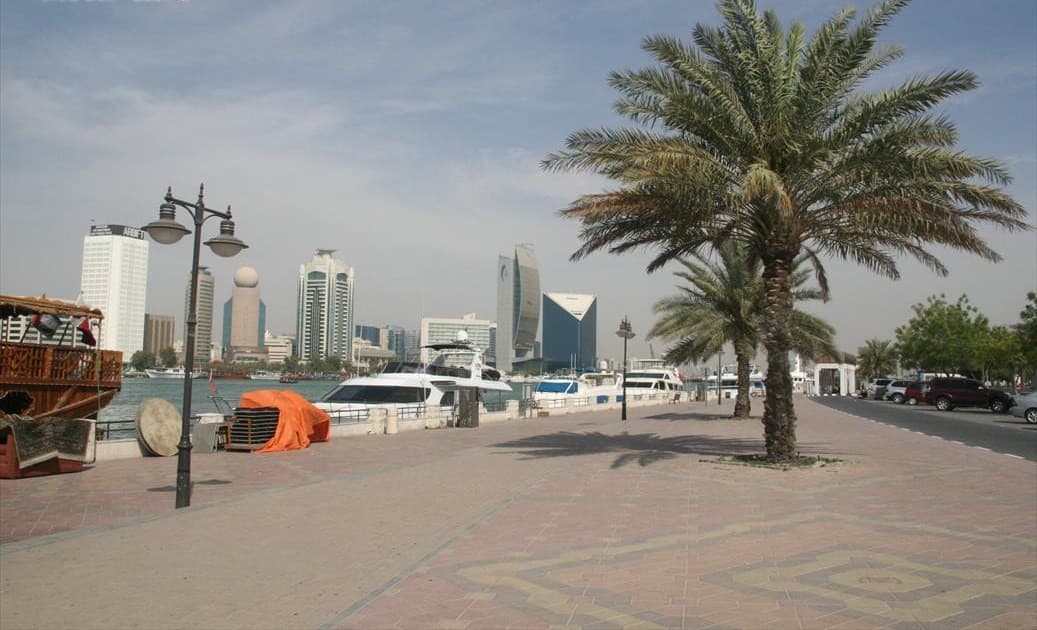 Imre Solt / CC BY-SA 3.0, via Wikimedia Commons
Tour audio autoguidato di Dubai (Bur Dubai) — percorso GPS a piedi, riproduzione offline, narrazione coinvolgente in 32 lingue.
“Dove la marea del Creek porta la memoria di una città.”
Non le cartoline. Le storie che nemmeno i locali conoscono — sussurrate nel tuo orecchio, proprio dove sono accadute.
Le torri del vento qui non servivano solo per il raffreddamento.
Prima dei ponti, c'era un metodo sorprendentemente semplice, ma vitale, per attraversare il Creek.
La casa dei profumi qui custodisce un profumo che potrebbe sorprenderti.
Scopri ogni segreto di Dubai (Bur Dubai)
Ogni indirizzo, ogni rivelazione completa — nel tuo orecchio, proprio dove è accaduta.
Scegli le tue tappe. Cammini. La voce rivela ciò che gli altri perdono.


Il tuo tour audio autoguidato di Dubai (Bur Dubai) è pronto — scegli i tuoi punti di interesse, seleziona la tua lingua e inizia nel momento in cui arrivi.
AcquistaLume include una guida in realtà aumentata. Alza il telefono: la fotocamera mostra la strada davanti a te, con una freccia luminosa sovrapposta all'immagine reale che punta sempre verso la tua prossima tappa — nessuna mappa da decifrare, nessuna svolta sbagliata. Come tutto in Lume, funziona completamente offline.
Bur Dubai, che significa 'Dubai Continentale', è il cuore storico della città, un luogo dove lo skyline moderno si ritira e gli echi di un passato mercantile diventano chiari. Situato sulla riva occidentale del Dubai Creek, questo quartiere offre un legame tangibile con le origini dell'emirato come villaggio di pescatori e cercatori di perle. È un luogo di stretti sikkas (vicoli), souk tradizionali e architettura con torri del vento, un netto contrasto con le scintillanti torri dall'altra parte dell'acqua. Qui, il ritmo della vita è scandito dal viavai delle abra sul Creek e dalle chiamate dei venditori nei mercati.
È qui che è iniziata la storia di Dubai, molto prima che il petrolio ne trasformasse il paesaggio. Bur Dubai ti invita a rallentare, a passeggiare e a sperimentare un lato diverso della città, radicato nel commercio, nella comunità e nel flusso senza tempo del Creek. È un luogo per comprendere le fondamenta culturali su cui si è costruita la moderna Dubai, offrendo spunti sulla vita quotidiana dei suoi primi abitanti e sulle tradizioni che continuano a plasmare l'identità emiratina.
## Dal Villaggio di Pescatori all'Hub Globale La storia di Bur Dubai è indissolubilmente legata al Dubai Creek, un'insenatura naturale di acqua salata che è stata la linfa vitale dell'antico insediamento. Per secoli, la tribù Bani Yas, che stabilì la propria presenza qui nel XIX secolo, si affidò al Creek per la pesca, la ricerca di perle e il commercio marittimo. Le calme acque fornivano un porto sicuro per i dhow, le tradizionali imbarcazioni in legno che solcavano le rotte commerciali tra la Mesopotamia, la Persia, l'India e l'Africa orientale.
All'inizio del XX secolo, Dubai emerse come un importante porto commerciale, in gran parte grazie alle sue politiche di libero scambio e alla sua posizione strategica. Mercanti dalla Persia e dall'India furono incoraggiati a stabilirsi, portando con sé le loro merci, le loro competenze e le loro influenze culturali. Il quartiere storico di Al Fahidi, con le sue caratteristiche case con torri del vento, testimonia questo periodo di prosperità e scambio interculturale. Queste torri del vento, o barjeel, erano un'ingegnosa forma di condizionamento dell'aria precoce, convogliando aria fresca nelle case.
La scoperta del petrolio negli anni '60 segnò un punto di svolta per Dubai, spingendola verso una rapida modernizzazione e sviluppo. Mentre gran parte delle nuove costruzioni si concentrava su aree al di fuori di Bur Dubai, il distretto storico mantenne il suo carattere di centro commerciale e culturale. Negli ultimi decenni sono stati compiuti sforzi per preservare e restaurare il patrimonio architettonico di Bur Dubai, trasformando aree come Al Fahidi in musei viventi che offrono uno sguardo sul passato dell'emirato. Oggi, Bur Dubai continua ad essere un centro vivace, dove i souk tradizionali operano accanto a imprese moderne e l'abra rimane un mezzo di trasporto vitale attraverso il Creek, collegando il passato della città con il suo presente.
Inizia la tua esplorazione dal Quartiere Storico di Al Fahidi, un distretto meticolosamente restaurato di edifici color sabbia e stretti vicoli. Qui puoi passeggiare tra gallerie d'arte, caffè e piccoli musei ospitati in architetture tradizionali con torri del vento. Non perderti il Museo di Dubai, situato nel Forte Al Fahidi del XVIII secolo, che offre una panoramica completa della storia e del patrimonio di Dubai attraverso mostre e diorami coinvolgenti.
Nessuna visita a Bur Dubai è completa senza un giro in abra attraverso il Dubai Creek. Queste tradizionali imbarcazioni in legno offrono un modo economico e panoramico per viaggiare tra Bur Dubai e Deira, offrendo viste panoramiche sulle vivaci vie d'acqua. Sul lato di Bur Dubai, esplora il Souk dei Tessuti, dove troverai una colorata gamma di tessuti, abbigliamento e souvenir. Nelle vicinanze, la Grande Moschea di Bur Dubai si erge con il suo imponente minareto e la sua intricata facciata, un punto di riferimento importante nella zona. Per un'immersione più profonda nella cultura locale, visita il Museo Al Shindagha, che include la Perfume House e la Casa dello Sceicco Saeed Al Maktoum, offrendo spunti sulle tradizioni emiratiane e sulla storia della famiglia regnante.
Il periodo migliore per visitare Bur Dubai è durante i mesi più freschi, da novembre a marzo. Durante questo periodo, le temperature sono miti e piacevoli, generalmente comprese tra 19°C e 30°C (66°F e 86°F), rendendo ideale esplorare le attrazioni all'aperto e passeggiare comodamente nei souk. Le serate sono particolarmente piacevoli per i giri in abra e per cenare all'aperto.
Bur Dubai è ben collegata con i mezzi pubblici. La Stazione della Metropolitana Al Fahidi (Linea Verde) è comodamente situata per accedere al quartiere storico e ai souk. Le abra sono il modo più affascinante e pratico per attraversare il Creek, costando solo 1 AED a corsa. I taxi sono facilmente disponibili e anche le app di ride-sharing operano nella zona. Quando visiti i souk, la contrattazione educata è prevista ed è spesso parte dell'esperienza. Vesti in modo modesto, specialmente quando visiti luoghi religiosi, per mostrare rispetto per le usanze locali. Scarpe comode sono essenziali per navigare nelle strade strette ed esplorare le varie attrazioni.
Dubai (Bur Dubai) — coreano, cinese, ebraico e altre 29 lingue, ogni tappa narrata da una voce madrelingua. La più ampia scelta di lingue tra i tour audio autoguidati.
Disponibile in: