St. Stephen's Green
Questo tranquillo parco, un luogo popolare per una passeggiata rilassante, ha un passato sorprendentemente drammatico.
La storia completa si sblocca nel tour
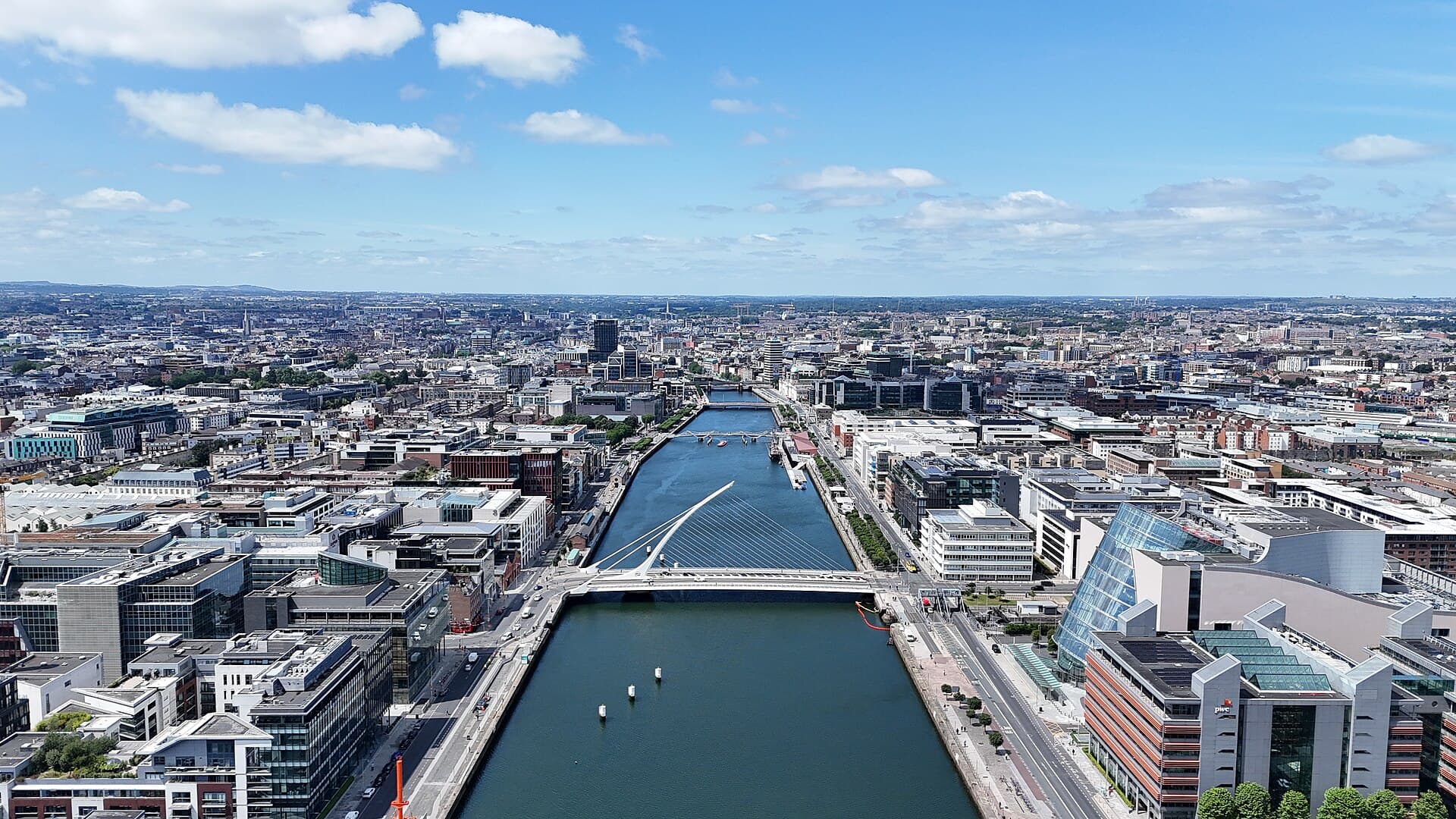 瑞丽江的河水 / CC BY-SA 4.0, via Wikimedia Commons
Tour audio autoguidato di Dublino — percorso GPS a piedi, riproduzione offline, narrazione coinvolgente in 32 lingue.
“Dublino: Dove antiche pietre raccontano storie e ogni conversazione scorre come un fiume.”
Non le cartoline. Le storie che nemmeno i locali conoscono — sussurrate nel tuo orecchio, proprio dove sono accadute.
Questo tranquillo parco, un luogo popolare per una passeggiata rilassante, ha un passato sorprendentemente drammatico.
Osserva attentamente O'Connell Bridge e noterai un dettaglio intrigante sulle sue dimensioni.
Entra nella più antica biblioteca pubblica d'Irlanda, e potresti trovarti all'interno di una gabbia di lettura.
Scopri ogni segreto di Dublino
Ogni indirizzo, ogni rivelazione completa — nel tuo orecchio, proprio dove è accaduta.
Scegli le tue tappe. Cammini. La voce rivela ciò che gli altri perdono.
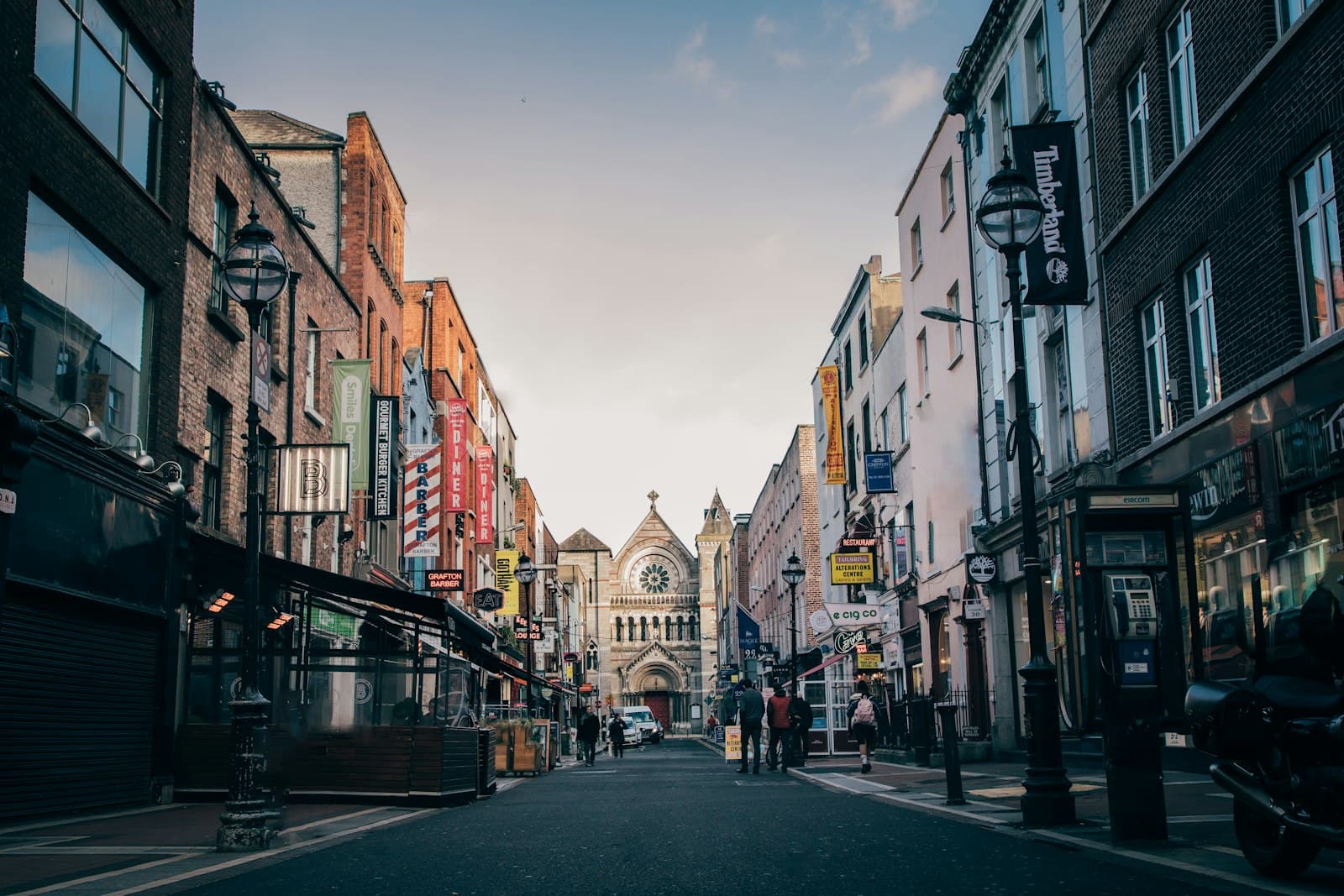
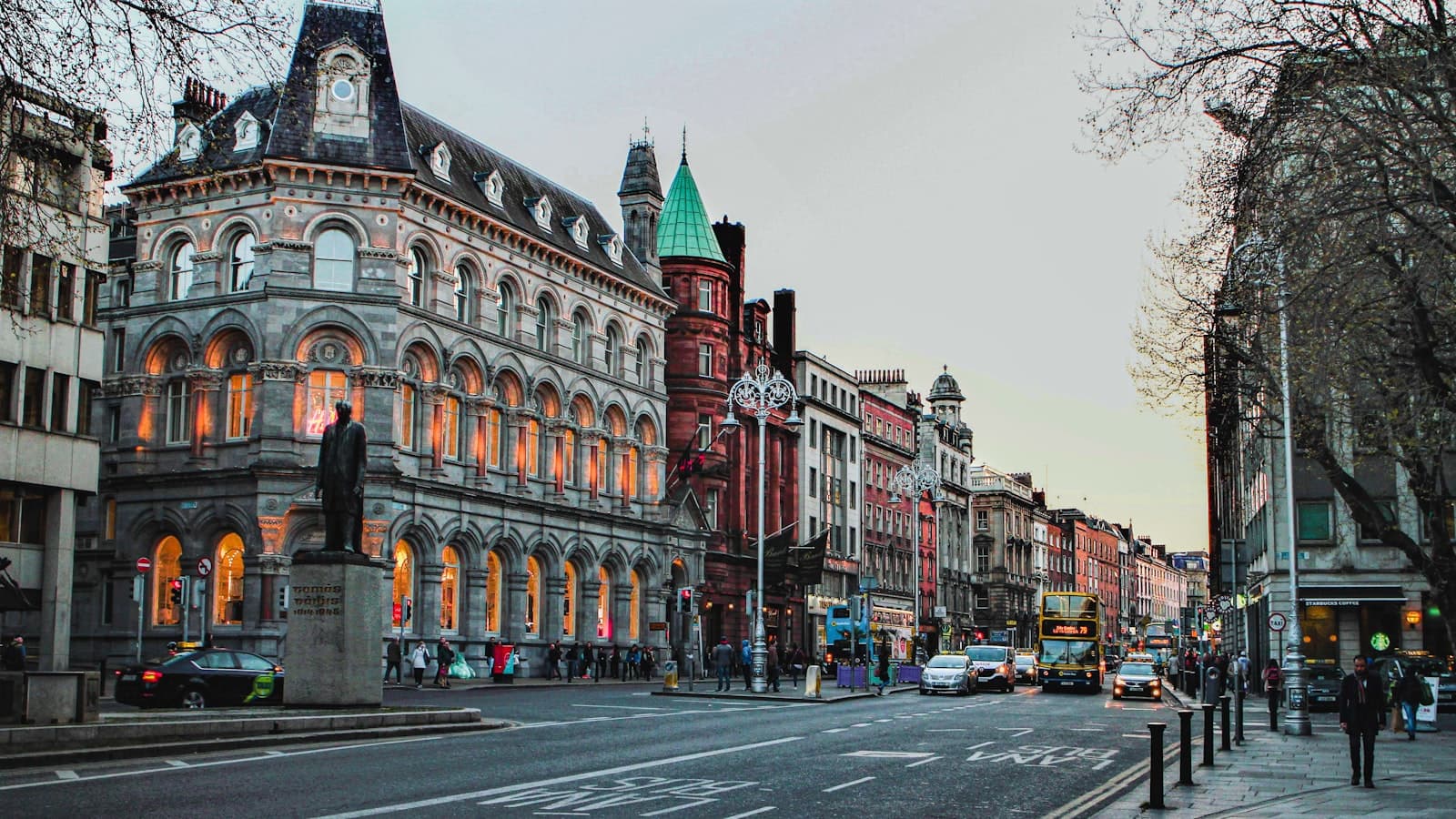
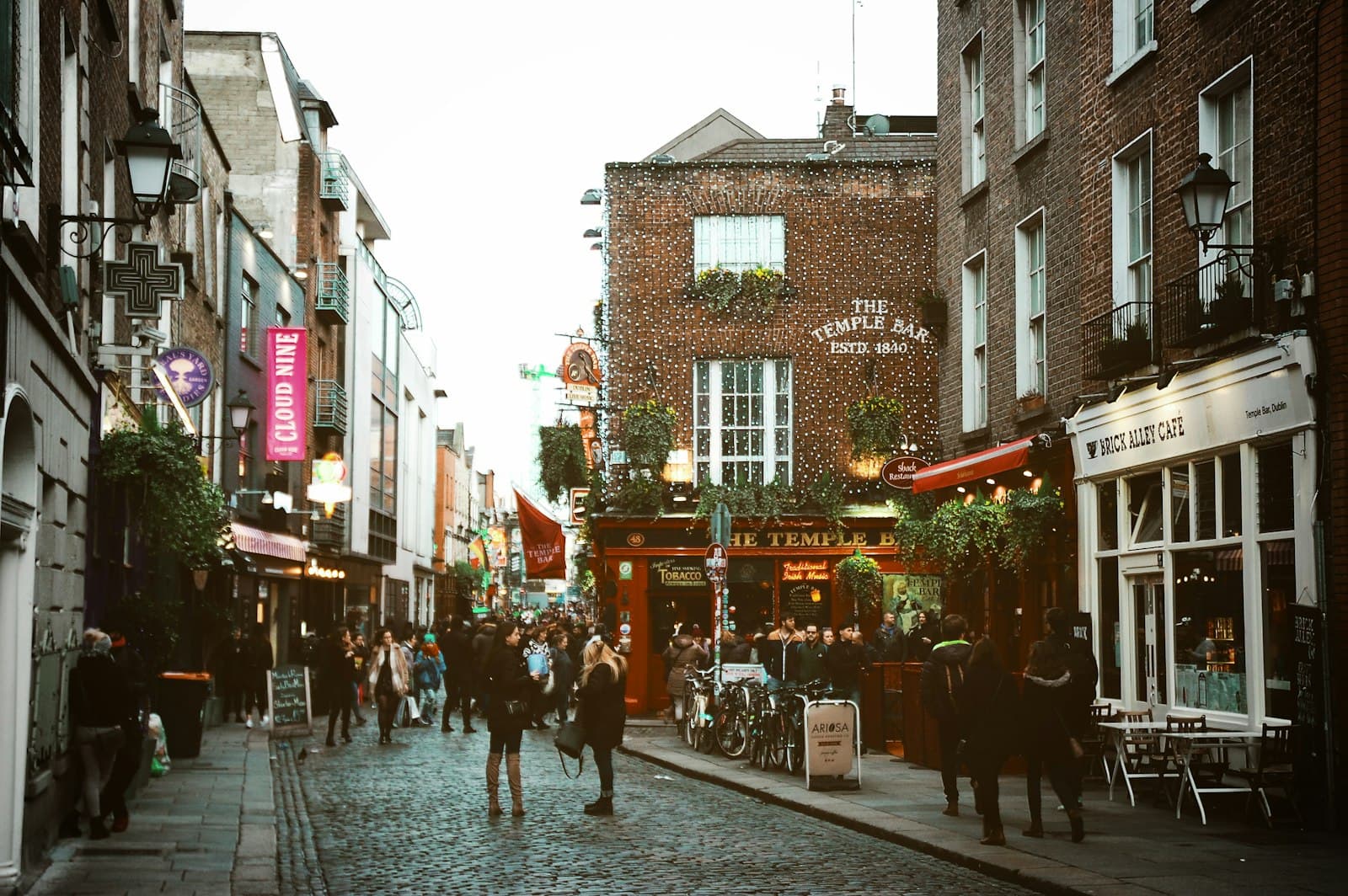
Lume include una guida in realtà aumentata. Alza il telefono: la fotocamera mostra la strada davanti a te, con una freccia luminosa sovrapposta all'immagine reale che punta sempre verso la tua prossima tappa — nessuna mappa da decifrare, nessuna svolta sbagliata. Come tutto in Lume, funziona completamente offline.
Dublino, la capitale e la città più grande d'Irlanda, è un luogo dove la storia antica e la cultura contemporanea si intrecciano. Situata nella Baia di Dublino, alla foce del fiume Liffey, la città è delimitata a sud dai Monti di Dublino, parte della catena dei Monti Wicklow. Il suo nome deriva dall'antico gaelico irlandese 'Dubh Linn', che significa 'Pozza Nera', riferendosi a una pozza di marea scura dove il fiume Poddle incontrava il Liffey vicino al sito dell'attuale Castello di Dublino. Il nome ufficiale irlandese della città, 'Baile Átha Cliath', si traduce in 'Città del Forte Recintato'.
Il centro compatto di Dublino e le sue strade pedonali la rendono una destinazione ideale per l'esplorazione. Dai terreni storici del Trinity College al vivace quartiere di Temple Bar, la città offre una vasta gamma di esperienze. Dublino è celebrata per la sua eredità letteraria, avendo prodotto quattro premi Nobel per la Letteratura—William Butler Yeats, George Bernard Shaw, Samuel Beckett e Seamus Heaney—ed è stata designata Città della Letteratura dell'UNESCO nel 2010. La cultura dei pub della città è altrettanto leggendaria, con musica tradizionale che fluisce dagli esercizi commerciali ogni sera.
Dublino è una città di narrazioni, sia grandiose che intime. È un luogo dove manoscritti medievali si trovano a pochi isolati da cocktail bar artigianali, e dove drammatiche scogliere costiere sono a breve distanza in treno. Che siate attratti dalla sua profonda storia, dalla vivace scena musicale o dagli accoglienti abitanti del luogo, Dublino guadagna costantemente l'alto elogio dei viaggiatori di tutto il mondo.
Le origini di Dublino risalgono a oltre un millennio, con prove di un insediamento gaelico, Áth Cliath, o 'Forte Recintato', nella zona di Cornmarket già nel IV secolo. Intorno al VI secolo, fu fondato un monastero chiamato Duiblinn, che significa 'pozze nere'. I Vichinghi arrivarono nell'841 d.C., stabilendo una base fortificata nota come Dyflin, che crebbe fino a diventare un importante centro commerciale e un importante snodo per il commercio di schiavi al di fuori della Scandinavia.
Dopo l'invasione anglo-normanna dell'Irlanda nel 1169, Dublino divenne la capitale della Signoria d'Irlanda inglese nel 1177. Re Giovanni d'Inghilterra ordinò la costruzione del Castello di Dublino nel 1204, che servì come sede fortificata del dominio britannico per secoli. Durante il periodo medievale, la città continuò ad espandersi come centro commerciale, con la costruzione di edifici notevoli come la Christ Church Cathedral (anni '80 del 1100) e la St. Patrick's Cathedral (1191).
Il XVII secolo vide una rapida espansione e, entro il 1700, la popolazione di Dublino superò i 60.000 abitanti, rendendola la seconda città più grande dell'Impero Britannico. Quest'epoca, in particolare il XVIII secolo, vide la costruzione di molti dei notevoli edifici georgiani di Dublino. Tuttavia, l'Atto di Unione del 1800, che istituì il Regno Unito di Gran Bretagna e Irlanda, portò a un periodo di stagnazione per Dublino, poiché il potere politico si spostò a Londra.
Il desiderio di autodeterminazione si intensificò nel XIX secolo, culminando all'inizio del XX secolo con eventi come la Rivolta di Pasqua del 1916 e la Guerra d'Indipendenza del 1919, che lasciarono il loro segno sulla città. Dopo aver ottenuto l'indipendenza nel 1922, Dublino divenne la capitale dello Stato Libero d'Irlanda, rinominato Irlanda nel 1937. Oggi, Dublino si erge come una vivace capitale, un punto focale per la cultura e l'indipendenza irlandese, e la sede del governo irlandese.
Iniziate la vostra esplorazione al Trinity College Dublin, la più antica università d'Irlanda, per ammirare i suoi terreni storici e l'iconica Long Room Library, sede dell'antico Book of Kells. Approfondite la storia irlandese al Castello di Dublino, un complesso con radici che risalgono al XIII secolo, ed esplorate i suoi State Apartments e i sotterranei medievali. Per un assaggio della famosa stout di Dublino, fate un tour della Guinness Storehouse a St. James's Gate, che offre approfondimenti sul processo di produzione della birra e una vista mozzafiato dal Gravity Bar.
Immergetevi nel patrimonio religioso della città con visite alla Christ Church Cathedral, vecchia di quasi 1.000 anni, e alla St. Patrick's Cathedral, fondata in onore del santo patrono d'Irlanda. Passeggiate per le vivaci strade del quartiere di Temple Bar, noto per i suoi pub, la musica e le istituzioni culturali, anche se tenete presente che i prezzi di cibo e bevande qui possono essere più alti. Per uno sguardo toccante al passato dell'Irlanda, visitate Kilmainham Gaol, una delle prigioni più famigerate d'Irlanda per i ribelli. Non perdete le mostre interattive all'EPIC The Irish Emigration Museum, che racconta le storie di coloro che hanno lasciato l'Irlanda e il loro impatto globale.
Per una boccata d'aria fresca, esplorate Phoenix Park, uno dei più grandi parchi urbani recintati d'Europa, dove potreste avvistare cervi selvatici. In alternativa, godetevi la tranquillità di St. Stephen's Green o le colorate porte georgiane che circondano Merrion Square Park. Considerate una visita alla Marsh's Library, la più antica biblioteca pubblica d'Irlanda, per un tranquillo viaggio nel tempo.
Dublino accoglie i visitatori tutto l'anno, con ogni stagione che offre un'atmosfera distinta. Il clima più caldo e le ore di luce più lunghe si verificano da giugno ad agosto, rendendolo ideale per tour a piedi ed eventi all'aperto. Tuttavia, questa è anche l'alta stagione, con tariffe di alloggio più elevate e folle più numerose.
Per un equilibrio tra clima confortevole e meno folla, considerate una visita in tarda primavera (aprile-maggio) o all'inizio dell'autunno (settembre-inizio ottobre). Maggio e settembre sono spesso suggeriti come mesi particolarmente buoni, offrendo serate lunghe e piogge leggere. Marzo porta l'energica Festa di San Patrizio, che attira mezzo milione di persone, anche se la città sarà molto affollata. L'inverno (novembre-febbraio) porta temperature più fredde ma anche meno turisti e tariffe alberghiere più convenienti, perfette per accoglienti visite ai pub ed esplorazione dei musei.
Dublino è una città altamente percorribile a piedi, specialmente il suo centro compatto, rendendo facile raggiungere la maggior parte delle attrazioni a piedi. Per avventurarsi più lontano, le opzioni di trasporto pubblico includono Dublin Bus, il tram Luas e i treni DART. Si consiglia di acquistare una Leap Card per viaggi comodi ed economici su questi servizi. Sono disponibili anche taxi.
L'aeroporto di Dublino (DUB) si trova a circa 10 km dal centro città, con vari servizi di autobus e taxi che forniscono trasporto da e per l'aeroporto. La mancia nei ristoranti non è prevista, ma una gratifica del 10% è consuetudine per un buon servizio. Nei pub, non è necessario dare la mancia quando si acquistano bevande, ma se qualcuno ti offre un giro, è educato ricambiare. La valuta locale è l'Euro (€). Sebbene il clima sia generalmente mite, può essere umido, quindi si consiglia di portare strati e un ombrello.
Dublino — coreano, cinese, ebraico e altre 29 lingue, ogni tappa narrata da una voce madrelingua. La più ampia scelta di lingue tra i tour audio autoguidati.
Disponibile in: