Ascensor Fenelon Place
El ferrocarril más corto y empinado del mundo no se construyó para una gran industria, sino por una razón singular y muy personal.
La historia completa se desbloquea en el tour
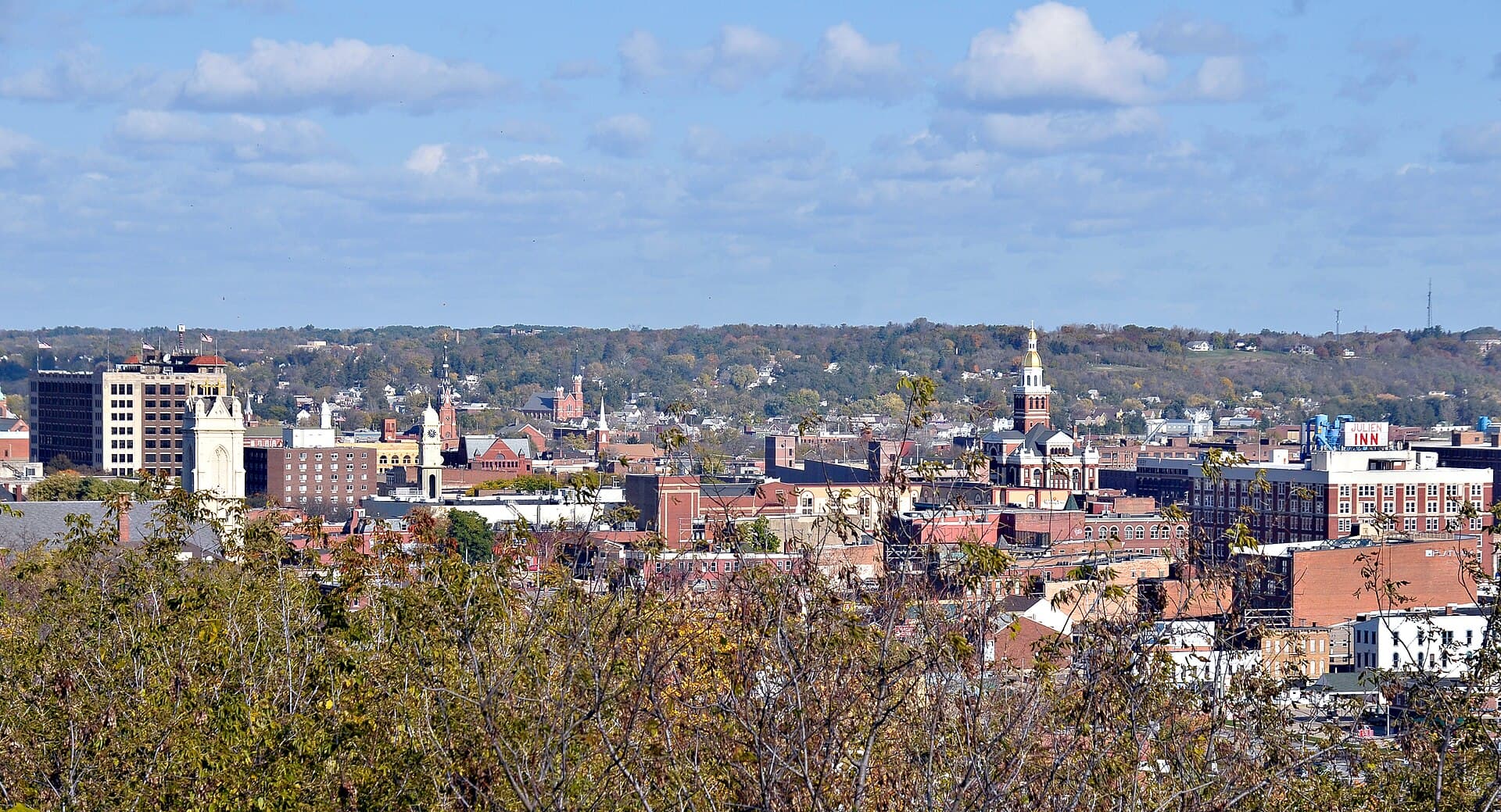
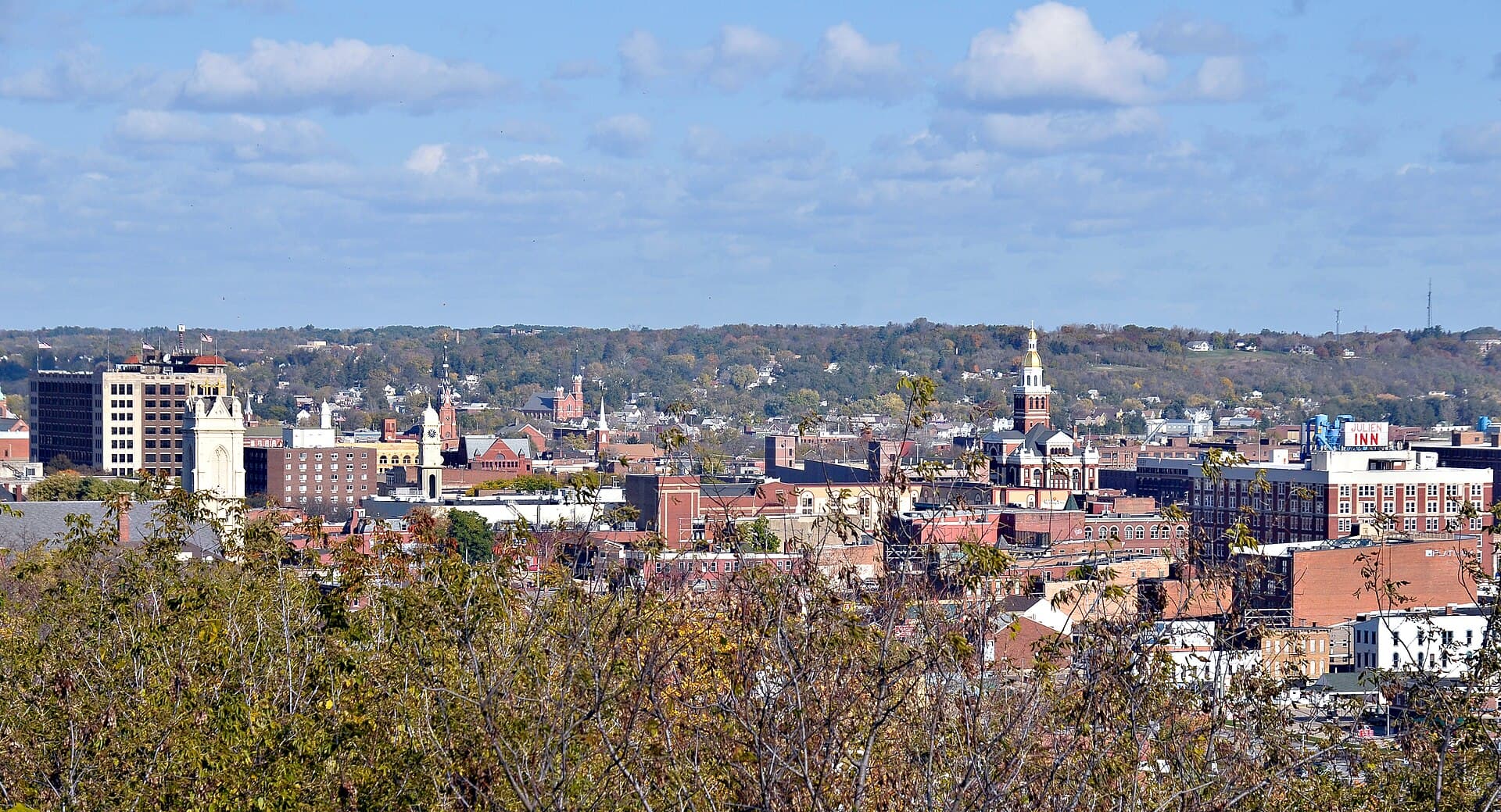 Dirk / CC BY 2.0, via Wikimedia Commons
Tour de audio autoguiado de Dubuque — ruta GPS a pie, reproducción offline, narración en 32 idiomas.
“Donde comenzó Iowa, una ciudad esculpida por acantilados y el fluir del Misisipi.”
No las postales. Las historias que ni los locales conocen — al oído, justo donde ocurrieron.
El ferrocarril más corto y empinado del mundo no se construyó para una gran industria, sino por una razón singular y muy personal.
Esta imponente estructura del siglo XIX, diseñada para producir municiones, enfrentó un irónico final en su vida operativa.
Entre sus imponentes muros de piedra, esta singular maravilla arquitectónica albergó una vez un tipo inesperado de prisionero en su mazmorra.
Descubre todos los secretos de Dubuque
Cada dirección, cada revelación al completo — a tu oído, justo donde ocurrió.
Eliges tus paradas. Caminas. La voz te revela lo que los demás ignoran.
Tu tour de audioguía por Dubuque te espera — elige tus lugares, tu idioma y empieza al llegar.
ComprarLume incluye una guía de realidad aumentada. Levanta el móvil y su cámara muestra la calle que tienes delante, con una flecha luminosa sobre la imagen real que siempre apunta a tu próxima parada — sin mapas que descifrar, sin giros equivocados. Como todo en Lume, funciona completamente sin conexión.
Dubuque, Iowa, ostenta la distinción de ser la ciudad más antigua del estado, establecida en 1788 mediante una concesión de tierras de España a Julien Dubuque, un comerciante de pieles y minero franco-canadiense. Se asienta a lo largo del río Misisipi, donde convergen las fronteras de Iowa, Illinois y Wisconsin, un territorio a menudo conocido como el Área de los Tres Estados. La geografía de la ciudad es distintiva, formando parte del 'Área sin Deriva' que escapó del aplanamiento glacial, lo que resulta en una topografía montañosa poco común en el Medio Oeste.
Históricamente reconocida como la 'Ciudad Clave' por los primeros colonos que se movían hacia el oeste, Dubuque ofrecía un pasaje a nuevas perspectivas. Su ubicación en el Misisipi y sus sustanciales depósitos de plomo fueron fundamentales para su temprana aparición como puerto comercial y centro minero. Hoy en día, Dubuque sirve como destino turístico regional, valorado por su arquitectura, atracciones ribereñas e instituciones educativas.
La ciudad ha experimentado una considerable revitalización, transformando antiguas zonas industriales a lo largo del río en distritos culturales y de entretenimiento. Esto incluye el Puerto de Dubuque, que cuenta con casinos, restaurantes y el Museo y Acuario Nacional del Río Misisipi. La dedicación de Dubuque a preservar sus propiedades históricas es evidente, con numerosas estructuras y distritos catalogados en el Registro Nacional.
## De las Minas de Plomo a la Ciudad Fluvial Los orígenes de Dubuque se remontan a finales del siglo XVIII, siendo el comerciante de pieles franco-canadiense Julien Dubuque el primer europeo en asentarse en la zona en 1788. Forjó una fuerte relación con los indios Mesquakie (Fox), quienes compartieron la ubicación de las abundantes minas de plomo de la región. A Dubuque se le concedieron derechos mineros por parte de los Mesquakie y luego fueron confirmados por el gobernador español, nombrando a su empresa las 'Minas de España'. Operó con éxito estas minas hasta su muerte en 1810.
Tras el fallecimiento de Dubuque, la tierra fue abierta a la colonización por el gobierno de EE. UU. en 1833 bajo el Tratado de Compra de Black Hawk, y la ciudad fue oficialmente fundada en 1837. Su posición estratégica en el río Misisipi y sus recursos naturales atrajeron una ola de inmigrantes, particularmente irlandeses y alemanes, que buscaban nuevas vidas. Estos primeros colonos se dedicaron a la minería y al comercio de pieles, pero la economía de Dubuque pronto se diversificó, prosperando en industrias como la fabricación de botones, la construcción naval, la tala y el envasado de carne.
A mediados del siglo XIX, Dubuque era un importante centro urbano, y su gran población católica romana llevó a su designación como sede de la Archidiócesis de Dubuque. La arquitectura de la ciudad refleja este período de prosperidad, con edificios históricos bien conservados, incluidas estructuras comerciales de estilo italiano en el centro y casas de la época victoriana a lo largo de los acantilados del río. La construcción de un puente ferroviario sobre el Misisipi en 1868 solidificó aún más el papel de Dubuque como centro de transporte.
Finales del siglo XX vieron a Dubuque enfrentar desafíos económicos, incluido un alto desempleo en la década de 1980. Sin embargo, los líderes comunitarios encabezaron esfuerzos de revitalización, centrándose en el redesarrollo del centro y reconectando la ciudad con su herencia fluvial. Esto llevó a proyectos como America's River, una iniciativa que celebra los aspectos educativos, ambientales, recreativos e históricos del río Misisipi. El Distrito Histórico de Millwork, una vez una zona industrial, también se ha transformado en un animado espacio de uso mixto con oficinas comerciales, viviendas y espacios comerciales.
Comience su exploración en el Puerto de Dubuque, una zona ribereña revitalizada que alberga el Museo y Acuario Nacional del Río Misisipi. Aquí, puede aprender sobre el ecosistema del río a través de exhibiciones interactivas y acuarios con diversa vida silvestre, incluyendo castores y caimanes. El Paseo del Río Misisipi ofrece un pintoresco sendero de media milla con esculturas de artistas del Medio Oeste, conectando el Museo del Río con la Cervecería Dubuque Star.
Para una perspectiva única, suba al Ascensor Fenelon Place, a menudo llamado el ferrocarril más corto y empinado del mundo. Este funicular asciende 296 pies por un acantilado, ofreciendo amplias vistas de la ciudad, el río Misisipi y la confluencia de Iowa, Illinois y Wisconsin.
Profundice en el pasado industrial de Dubuque en el Distrito Histórico de Millwork, una antigua zona industrial que ahora alberga tiendas, restaurantes y negocios en edificios históricos. Observe la Torre de Perdigones de Dubuque, una columna de mampostería de 120 pies construida en 1856 para la fabricación de perdigones de plomo, y una de las pocas torres de perdigones que quedan en los Estados Unidos.
Los entusiastas de la historia apreciarán la Antigua Cárcel del Condado de Dubuque, un ejemplo excepcional de arquitectura neaegipcia construida en 1857. Para actividades al aire libre, el Parque Estatal Minas de España, ubicado justo al sur de la ciudad, ofrece rutas de senderismo y miradores panorámicos del río Misisipi. El Museo de Arte de Dubuque alberga más de 2.200 piezas permanentes, incluida una de las colecciones más grandes de obras de Grant Wood.
El momento más agradable para visitar Dubuque para actividades de clima cálido es de mediados de junio a principios de septiembre. Durante estos meses, las temperaturas diarias promedio son cómodas, oscilando entre los 20 y 28 grados Celsius, con menor humedad y abundante sol, ideal para la exploración al aire libre. Si bien julio suele ser el mes más cálido y húmedo, el verano trae un ambiente animado con festivales y eventos al aire libre. La primavera (marzo-mayo) ofrece paisajes que despiertan pero con un clima impredecible, mientras que el otoño (septiembre-noviembre) proporciona un follaje colorido.
Dubuque tiene un aeropuerto regional ubicado a unos 20 minutos al sur de la ciudad, con servicios de transporte, taxis y coches de alquiler disponibles para el transporte a la ciudad. Si bien las líneas de autobús locales operan dentro de Dubuque, se recomienda un coche de alquiler para explorar el área más amplia y atracciones como el Parque Estatal Minas de España. Muchas atracciones, particularmente en el Puerto de Dubuque y el centro, son accesibles a pie, pero el terreno montañoso de la ciudad significa que los zapatos cómodos son esenciales. Considere comprar un paquete a través de Expedia para combinar vuelos, hoteles o alquiler de coches para posibles ahorros. Para el alojamiento, las opciones van desde hoteles en el centro hasta aquellos cerca de las principales atracciones. La ciudad ofrece una variedad de opciones gastronómicas, desde establecimientos clásicos hasta los del Distrito Histórico de Millwork.
Dubuque en coreano, en chino o en hebreo — y 29 idiomas más, cada parada narrada por una voz nativa. La mayor variedad de idiomas de cualquier audioguía autoguiada.
Disponible en: