Данфермлинское аббатство
Последнее пристанище Роберта Брюса знаменито здесь, но что насчет остального?
Полная история открывается в туре
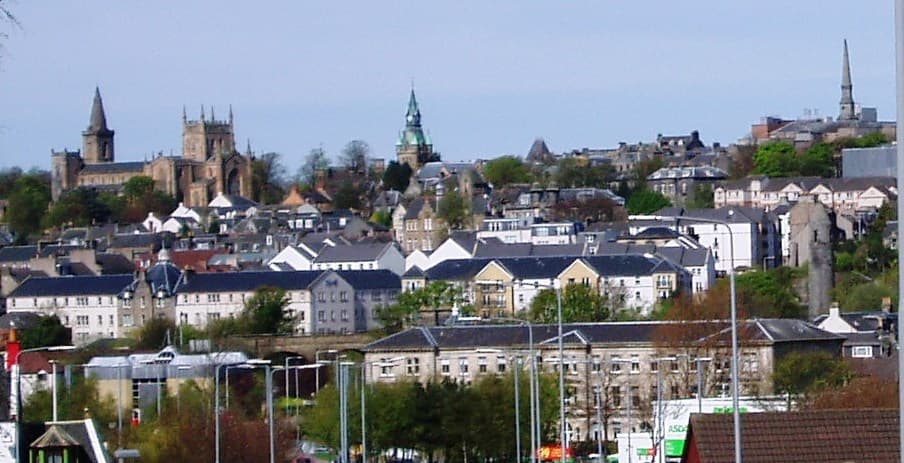 Mcwesty / CC BY-SA 3.0, via Wikimedia Commons
Самостоятельная аудиопрогулка по Данфермлин — GPS-маршрут, офлайн-воспроизведение, увлекательное повествование на 32 языках.
“Где древняя королевская власть и промышленное видение сформировали шотландский город.”
Не открытки. Истории, которые не знают даже местные жители — шепотом в вашем ухе, прямо там, где они произошли.
Последнее пристанище Роберта Брюса знаменито здесь, но что насчет остального?
Эта королевская резиденция видела рождение будущего короля, но ее упадок был стремительным и неожиданным.
Этот парк, подарок титана индустрии, хранит личную историю исключения и щедрости.
Откройте для себя каждый секрет Данфермлин
Каждый адрес, каждое полное раскрытие — в вашем ухе, прямо там, где это произошло.
Вы выбираете остановки. Вы гуляете. Голос раскрывает то, что упускают другие.

Ваш самостоятельный аудиотур по Данфермлин готов — выберите свои достопримечательности, выберите свой язык и начните в момент прибытия.
КупитьВ Lume встроен гид дополненной реальности. Поднимите телефон: камера показывает улицу перед вами, а поверх реального изображения светится стрелка, всегда указывающая на вашу следующую остановку — не нужно разбираться с картой и сворачивать не туда. Как и всё в Lume, это работает полностью офлайн.
Данфермлин, новейший город Шотландии и древняя столица, предлагает увлекательное путешествие сквозь века шотландской истории. Расположенный всего в 3 милях от залива Ферт-оф-Форт, этот город в Файфе служил фактической столицей Шотландии более 400 лет, с XI по XV век. Его стратегическое расположение на возвышенности делало его легко обороняемым местом, что способствовало его значению как королевской резиденции.
Сегодня Данфермлин функционирует как центральный сервисный узел, сочетая свое глубокое наследие с современной жизнью. Посетители могут исследовать средневековый городской пейзаж, значимые королевские захоронения и непреходящее наследие одного из самых влиятельных филантропов в мире, Эндрю Карнеги. От величественных руин аббатства до обширных общественных парков, Данфермлин предлагает уникальный взгляд на прошлое и настоящее Шотландии.
Самые ранние известные поселения вокруг Данфермлина относятся к неолиту, с свидетельствами роста к бронзовому веку. Записанная история города начинается в XI веке со свадьбы Малкольма III Шотландского и Святой Маргариты. Королева Маргарита основала церковь, посвященную Святой Троице, которая в 1128 году превратилась в Данфермлинское аббатство при их сыне Давиде I. Аббатство быстро стало процветающим королевским мавзолеем, где с 1093 по 1420 год покоились останки восемнадцати шотландских монархов, включая семь королей.
Данфермлин служил столицей Шотландии большую часть периода до убийства Якова I в 1437 году. Позднее гостиница аббатства была преобразована в Данфермлинский дворец, королевскую резиденцию, где в 1600 году родился Карл I, последний монарх, родившийся в Шотландии. Однако дворец пришел в упадок после того, как Яков VI и Анна Датская переехали в Лондон в 1603 году.
Город столкнулся с серьезной неудачей в 1624 году, когда пожар уничтожил большую часть города, оставив большинство жителей без крова. Несмотря на это, Данфермлин был восстановлен, и к XVIII веку он стал региональным экономическим центром, особенно с развитием льняной промышленности. Этот промышленный рост также ознаменовался рождением Эндрю Карнеги в 1835 году, который впоследствии стал одним из богатейших людей мира и известным филантропом. Его наследие глубоко вплетено в ткань Данфермлина, многочисленные учреждения и общественные пространства пользуются его щедростью.
В 2022 году Данфермлин официально получил статус города в рамках Платинового юбилея гражданских почестей Елизаветы II, став восьмым городом Шотландии. Это ознаменовало новую главу для города, который постоянно адаптировался и развивался, сохраняя свои глубокие исторические корни.
Начните свое исследование с Данфермлинского аббатства и дворца, места огромного исторического значения. Здесь вы можете осмотреть впечатляющий романский неф аббатской церкви, построенной в 1128 году, и увидеть гробницу Роберта Брюса. Рядом с аббатством находятся живописные руины Данфермлинского дворца, где когда-то проживали шотландские монархи.
Всего в нескольких минутах ходьбы находится Музей места рождения Эндрю Карнеги, расположенный в скромном коттедже ткача, где родился промышленник. Этот музей рассказывает историю его пути от бедности к огромному богатству и его филантропической деятельности. После этого прогуляйтесь по Питтенкрифф-парку, известному местным жителям как «Глен». Этот парк площадью 76 акров, подаренный Карнеги городу, включает лесные тропы, формальные сады, оранжереи, вольер для павлинов и руины башни Малкольма.
Исследуйте Исторический квартал, историческое ядро старого города, где средневековая планировка улиц в основном осталась неизменной. Здесь вы найдете Аббатский дом, старейшее сохранившееся светское здание в Данфермлине, построенное в XV веке и отличающееся характерным пыльно-розовым фасадом.
В Данфермлине умеренный морской климат, что делает его круглогодичным направлением. Однако наиболее приятное время для посещения для активного отдыха и приятной погоды — с поздней весны до ранней осени, обычно с мая по сентябрь. Июль, как правило, самый теплый и солнечный месяц, со средней дневной температурой около 18,1°C. Летом также проходит множество мероприятий и фестивалей, включая Фестиваль живой музыки в Данфермлине. Хотя зима прохладнее и с большим количеством осадков, праздничные украшения и рождественский рынок создают очаровательную атмосферу.
До Данфермлина легко добраться, он расположен всего в 30 минутах к северу от Эдинбурга на поезде или автомобиле. Поезда регулярно ходят от станции Edinburgh Waverley до станции Dunfermline Town, которая находится в 10 минутах ходьбы от аббатства и Питтенкрифф-парка. Если ехать на машине из Эдинбурга, следуйте по трассе M90 на север через мост Queensferry Crossing. Автобусы также регулярно курсируют из Эдинбурга и Глазго.
Центр города легко обойти пешком, многие достопримечательности находятся в шаговой доступности. Для местной помощи основной туристический информационный центр расположен по адресу 1 High Street. Данфермлин предлагает широкий выбор вариантов размещения, от отелей до апартаментов. В городе также есть разнообразные рестораны, включая очаровательные кафе и рестораны.
Данфермлин: корейский, китайский, иврит и ещё 29 языков — каждую остановку озвучивает носитель языка. Самый широкий выбор языков среди аудиоэкскурсий без гида.
Доступные языки: