Victoria Street Market
Il piatto d'autore di Durban, il 'Bunny Chow', è più di un piatto preferito locale; la sua storia d'origine parla di ingegnosità.
La storia completa si sblocca nel tour
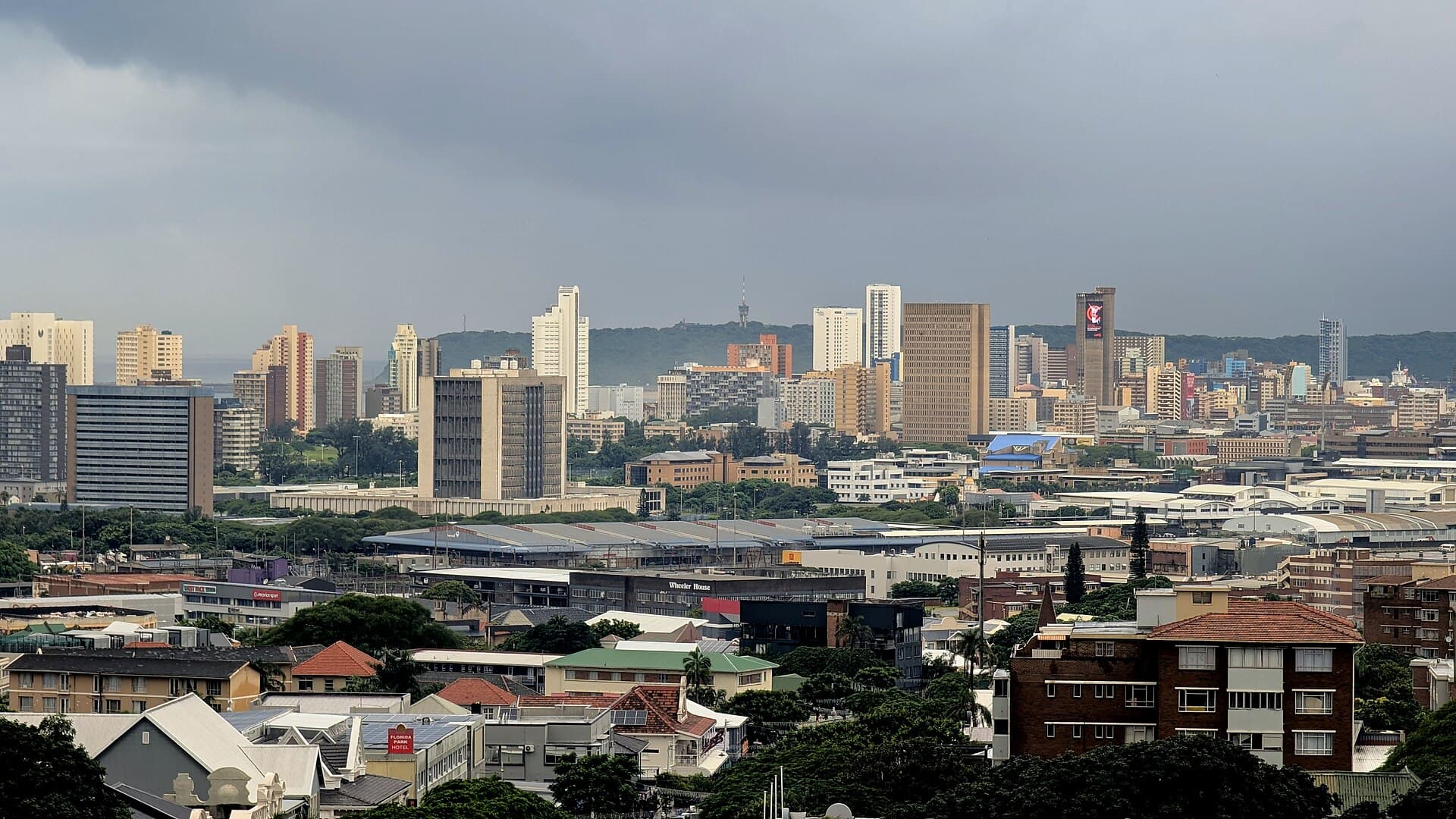 Dennis Sylvester Hurd / CC BY 2.0, via Wikimedia Commons
Tour audio autoguidato di Durban — percorso GPS a piedi, riproduzione offline, narrazione coinvolgente in 32 lingue.
“Dove l'Oceano Indiano incontra una confluenza di culture.”
Non le cartoline. Le storie che nemmeno i locali conoscono — sussurrate nel tuo orecchio, proprio dove sono accadute.
Il piatto d'autore di Durban, il 'Bunny Chow', è più di un piatto preferito locale; la sua storia d'origine parla di ingegnosità.
Questo stadio, costruito per la Coppa del Mondo FIFA 2010, offre più di eventi sportivi.
Il più antico giardino botanico sopravvissuto dell'Africa mantiene un legame con un'istituzione britannica di fama mondiale.
Scopri ogni segreto di Durban
Ogni indirizzo, ogni rivelazione completa — nel tuo orecchio, proprio dove è accaduta.
Scegli le tue tappe. Cammini. La voce rivela ciò che gli altri perdono.
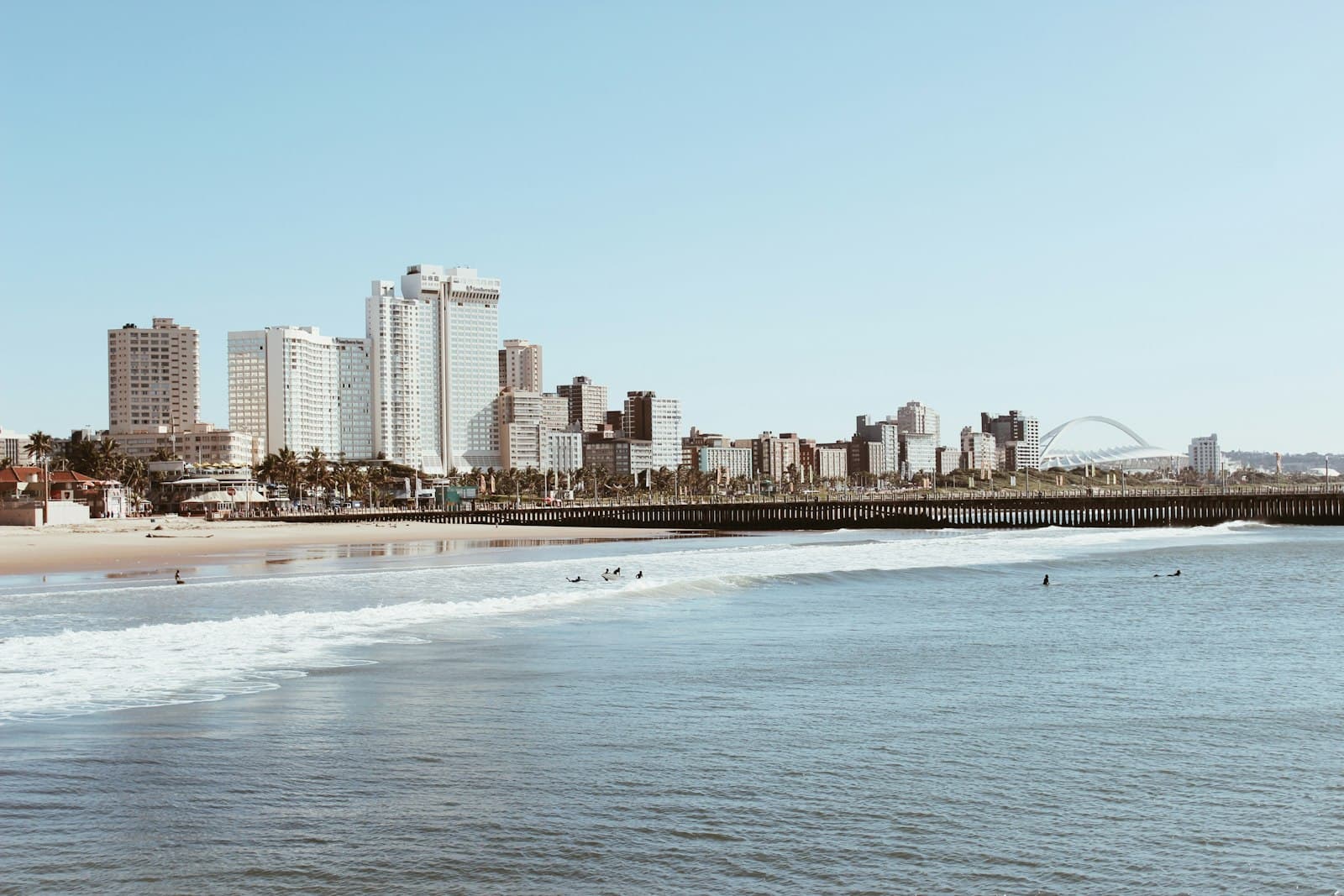
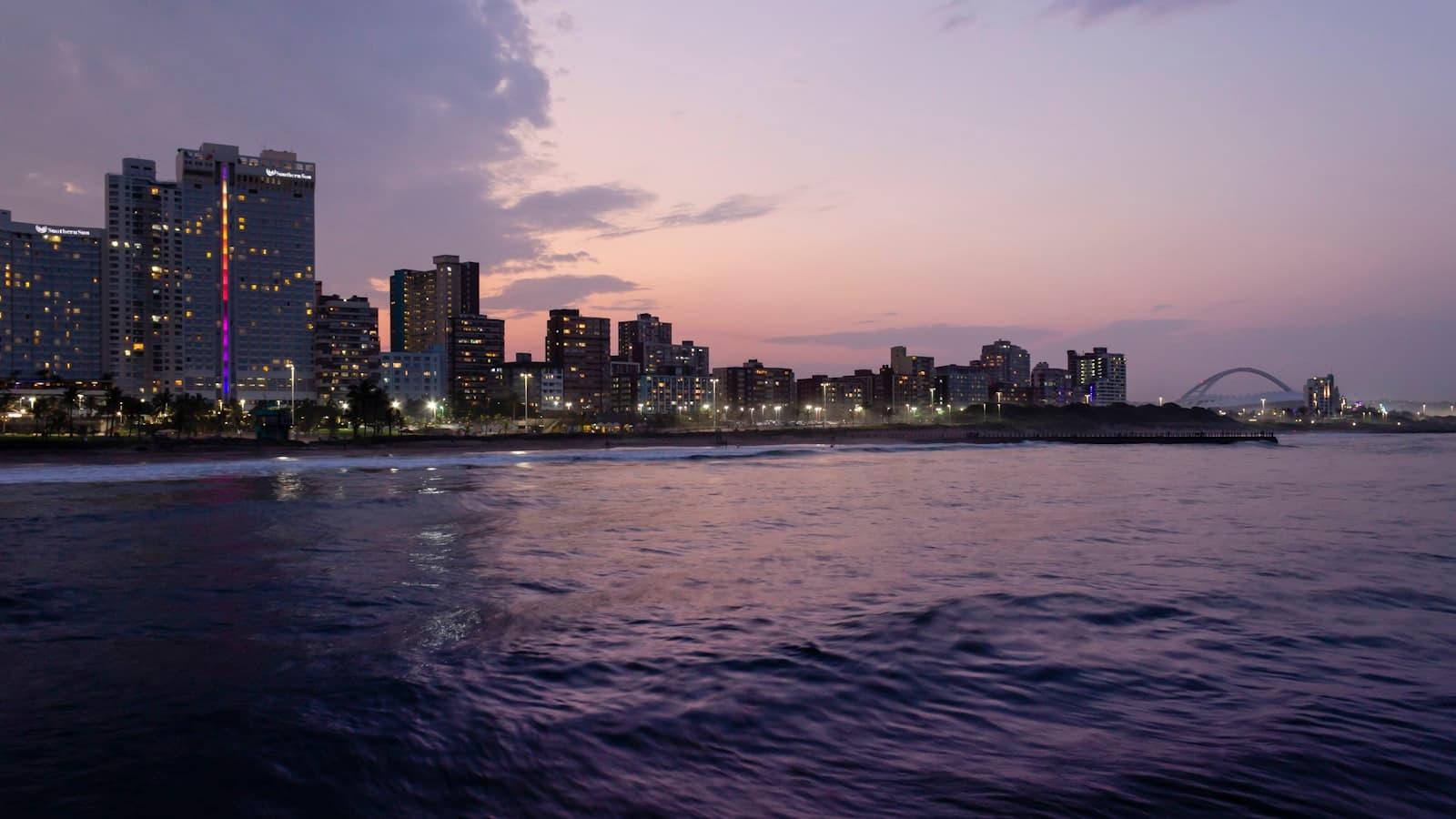
Il tuo tour audio autoguidato di Durban è pronto — scegli i tuoi punti di interesse, seleziona la tua lingua e inizia nel momento in cui arrivi.
AcquistaLume include una guida in realtà aumentata. Alza il telefono: la fotocamera mostra la strada davanti a te, con una freccia luminosa sovrapposta all'immagine reale che punta sempre verso la tua prossima tappa — nessuna mappa da decifrare, nessuna svolta sbagliata. Come tutto in Lume, funziona completamente offline.
Durban, conosciuta anche come eThekwini, è la terza città più grande del Sudafrica e il suo principale porto marittimo, situata sulla calda costa dell'Oceano Indiano del KwaZulu-Natal. Questa metropoli costiera presenta un avvincente mix di culture diverse, plasmata dalle sue significative popolazioni Zulu, indiane, bianche e coloured. Il clima subtropicale della città assicura un clima caldo tutto l'anno, rendendola una destinazione preferita da coloro che cercano sole, surf e una profonda esperienza culturale.
Durban offre un'atmosfera singolare in cui l'architettura coloniale si affianca a vivaci mercati e sviluppi moderni. Dalla sua vasta spiaggia, conosciuta come Golden Mile, al suo vivace Victoria Street Market, la città offre uno sfondo dinamico per l'esplorazione. Oltre al paesaggio urbano, Durban funge da porta d'accesso alla grandezza naturale del KwaZulu-Natal, con opportunità di incontri con la fauna selvatica e percorsi panoramici nella Valley of 1,000 Hills.
Sebbene storicamente una popolare destinazione turistica nazionale, Durban sta ottenendo riconoscimenti internazionali per il suo carattere unico e le sue offerte, tra cui essere stata nominata la prima Città della Letteratura dell'UNESCO in Africa. È una città dove il ritmo dell'Africa incontra le influenze dell'Oriente e dell'Europa, creando un'esperienza di viaggio distintiva e memorabile.
Le prove archeologiche indicano che l'area di Durban ha supportato comunità di cacciatori-raccoglitori per ben 100.000 anni, con queste persone che hanno abitato tutto il KwaZulu-Natal fino all'arrivo di agro-pastori e pastori dal nord. La storia orale della nazione Zulu, che erano abitanti prima della colonizzazione europea, parla anche della duratura presenza umana.
Il primo avvistamento europeo registrato della costa avvenne nel dicembre 1497, quando l'esploratore portoghese Vasco da Gama passò e nominò l'area Natal, che in portoghese significa 'Natale'. Tuttavia, un significativo insediamento europeo iniziò nel 1824, quando commercianti inglesi dalla Colonia del Capo, guidati da Francis Farewell e Henry Fynn, stabilirono un posto commerciale a Port Natal. Il re Zulu Shaka concesse loro terre intorno alla baia, sebbene il suo diritto di farlo sia stato dibattuto.
Nel 1835, l'insediamento fu ufficialmente chiamato 'D'Urban' in onore di Sir Benjamin D'Urban, allora governatore della Colonia del Capo. La fine degli anni '30 e l'inizio degli anni '40 dell'Ottocento videro conflitti tra i Boeri e i Britannici per il controllo di Durban. Divenne un borgo nel 1854 e ottenne lo status di città nel 1935.
Dal 1860 in poi, lavoratori sotto contratto dall'India britannica iniziarono ad arrivare a Durban per lavorare nelle piantagioni di canna da zucchero. Questa migrazione plasmò profondamente il paesaggio culturale di Durban, portando la città ad avere la più grande popolazione di persone di origine indiana al di fuori dell'India. Questa eredità è evidente nella cucina, nella cultura e nei siti religiosi della città.
La scoperta dell'oro nel Witwatersrand negli anni '80 dell'Ottocento stimolò ulteriormente lo sviluppo di Durban, trasformandola in un importante centro economico e un porto principale. Il porto della città, uno dei principali porti commerciali del mondo, iniziò il suo sviluppo nel 1855 ed è ora il porto container più trafficato dell'Africa. Dopo la Prima Guerra Mondiale, Durban si evolse da città vittoriana a metropoli moderna con uno stile architettonico variegato, inclusa una notevole collezione di edifici Art Déco.
Inizia la tua esplorazione lungo il Golden Mile, un'estensione di sei chilometri di spiaggia che offre una vivace passeggiata, parchi attività e bancarelle. Qui puoi goderti le calde acque dell'Oceano Indiano, pedalare lungo la passeggiata o semplicemente rilassarti sulla sabbia. Per un'esperienza marina immersiva, visita uShaka Marine World, che ospita il quinto acquario più grande del mondo.
Immergiti nel tessuto culturale di Durban al Victoria Street Market, un vivace mercato dove troverai spezie, abiti tradizionali, artigianato e una varietà di cucina indiana. Nelle vicinanze, il Durban City Hall, un esuberante edificio neo-barocco completato nel 1910, ospita la Durban Art Gallery e il Natural Science Museum. Per un tocco di verde, esplora i Durban Botanic Gardens, il più antico giardino botanico sopravvissuto dell'Africa, con una casa delle orchidee e una collezione di antiche cicadee.
Per una prospettiva unica della città, dirigiti al Moses Mabhida Stadium, sede della Coppa del Mondo FIFA 2010. Prendi la Sky Car fino alla cima dell'arco per una vista a 360 gradi di Durban. Se cerchi una comprensione culturale più profonda, considera un tour nella Valley of a Thousand Hills per visitare villaggi tradizionali Zulu, o esplora il KwaMuhle Museum per approfondimenti sull'era dell'apartheid.
Durban gode di un clima subtropicale con clima caldo tutto l'anno. Il periodo più piacevole per visitare, con condizioni gradevoli e meno folla, è durante l'autunno (marzo-maggio) o l'inverno (maggio-settembre). Durante questi mesi, le temperature sono miti (in media 16°C-25°C in inverno) e l'umidità è più bassa, con meno piogge. Questo periodo è ideale per attività all'aperto, visite alla spiaggia ed escursioni nella natura. L'estate (dicembre-febbraio) è calda, umida e presenta più piogge e temporali, anche se il mare rimane caldo per nuotare.
Il King Shaka International Airport (DUR) serve come principale aeroporto internazionale di Durban, situato a circa 35 km a nord del centro città. È un aeroporto regionale a 4 stelle con vari servizi, tra cui negozi, ristoranti e servizi di noleggio auto.
A Durban, il servizio di autobus People Mover offre un modo comodo ed economico per spostarsi nel distretto centrale degli affari e sul lungomare. Questi autobus dai colori vivaci passano ogni 15 minuti, sono accessibili alle sedie a rotelle e forniscono percorsi che collegano le principali attrazioni. Sono disponibili anche taxi e applicazioni di ride-sharing come Uber e Bolt.
Per quanto riguarda la sicurezza, è prudente essere consapevoli di ciò che vi circonda, specialmente in aree sconosciute, ed evitare di mostrare oggetti di valore. Si raccomanda di utilizzare taxi registrati o applicazioni di ride-sharing, ed evitare di camminare da soli di notte, rimanendo in aree ben illuminate e trafficate. Il centro città può essere soggetto a piccoli crimini, quindi è una buona pratica tenere le portiere dell'auto chiuse a chiave e gli oggetti di valore fuori dalla vista nei veicoli.
Durban — coreano, cinese, ebraico e altre 29 lingue, ogni tappa narrata da una voce madrelingua. La più ampia scelta di lingue tra i tour audio autoguidati.
Disponibile in: