Santuario Okamoto-Otaki
Un santuario con un diseño de techo inusualmente distintivo está dedicado a una deidad inesperada.
La historia completa se desbloquea en el tour
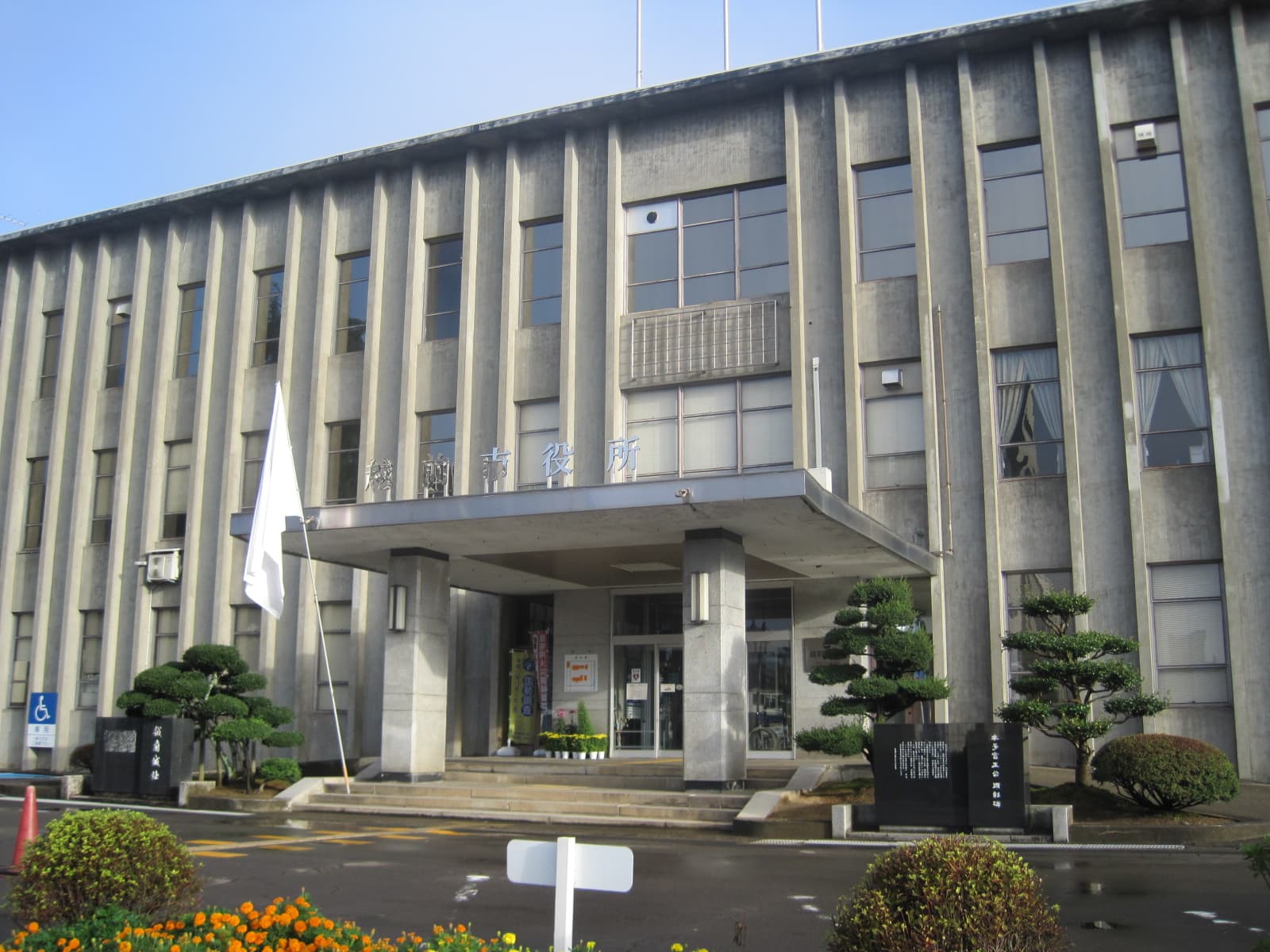 Hirorinmasa / CC BY-SA 3.0, via Wikimedia Commons
Tour de audio autoguiado de Echizen — ruta GPS a pie, reproducción offline, narración en 32 idiomas.
“Donde las artesanías ancestrales se encuentran con la belleza salvaje del Mar de Japón.”
No las postales. Las historias que ni los locales conocen — al oído, justo donde ocurrieron.
Un santuario con un diseño de techo inusualmente distintivo está dedicado a una deidad inesperada.
Algunas de las hojas más afiladas del mundo se forjan aquí, pero una exposición destaca por su magnitud.
Una estatua de una renombrada autora en Echizen mira en una dirección específica por una conmovedora razón.
Descubre todos los secretos de Echizen
Cada dirección, cada revelación al completo — a tu oído, justo donde ocurrió.
Eliges tus paradas. Caminas. La voz te revela lo que los demás ignoran.


Tu tour de audioguía por Echizen te espera — elige tus lugares, tu idioma y empieza al llegar.
ComprarLume incluye una guía de realidad aumentada. Levanta el móvil y su cámara muestra la calle que tienes delante, con una flecha luminosa sobre la imagen real que siempre apunta a tu próxima parada — sin mapas que descifrar, sin giros equivocados. Como todo en Lume, funciona completamente sin conexión.
Echizen, una ciudad en la Prefectura de Fukui, ofrece un viaje a un Japón donde la artesanía tradicional florece en medio de la belleza natural. Situada a lo largo del Mar de Japón, la ciudad está abrazada por valles verdes y colinas ondulantes, fomentando una atmósfera de tranquilidad y armonía. Echizen es un centro reconocido para las artesanías tradicionales, atrayendo a entusiastas de todo el mundo. Aquí, los visitantes pueden presenciar el intrincado trabajo de los artesanos e incluso participar en talleres, adentrándose en los secretos de las técnicas ancestrales.
La conveniente ubicación de la ciudad entre los populares centros turísticos de Kioto y Kanazawa la hace fácilmente accesible en tren o autobús. Con una población de aproximadamente 80.000 habitantes, Echizen conserva el carácter de un centro administrativo más pequeño, pero históricamente significativo. Es un destino ideal para aquellos que buscan experimentar la auténtica atmósfera de Japón, lejos del ritmo bullicioso de las grandes ciudades.
El área ahora conocida como Echizen tiene una historia que abarca más de 1.500 años, con su territorio, históricamente llamado Takefu, sirviendo como centro político y cultural desde la antigüedad. Ya en el siglo VII, durante las Reformas Taika, se estableció como la capital de la antigua Provincia de Echizen (Kokufu), convirtiéndola en un importante centro administrativo. Los hallazgos arqueológicos de esa época confirman su importancia. El desarrollo de Echizen fue influenciado por su ubicación estratégica como un enlace de transporte vital entre la región de Hokuriku y Kioto, asegurando un flujo continuo de bienes y viajeros. La abundante agua limpia y la madera de calidad también proporcionaron condiciones ideales para el crecimiento de las artesanías, que se convirtieron en la piedra angular de la economía de la región.
La identidad económica de Echizen fue moldeada por artesanías únicas que ganaron renombre nacional. La producción de papel japonés tradicional, washi, se originó aquí ya en el siglo VI. La leyenda atribuye el secreto de la fabricación de papel a una hermosa diosa, Kawakami Gozen, quien aún es venerada en el Santuario Okamoto-Otaki. El washi de Echizen es una de las tres grandes tradiciones de washi de Japón, valorado por su elegante tono natural y durabilidad, e incluso fue utilizado para los primeros billetes nacionales de Japón. La región también desarrolló la primera técnica de marca de agua de Japón en 1660, un método que todavía se emplea hoy para prevenir la falsificación de billetes.
La historia de la fabricación de cuchillas de Echizen, o Echizen Uchihamono, se remonta al siglo XIV. Un espadero de Kioto, Chiyotsuru Kuniyasu, se estableció en la región en 1337, buscando agua pura para su oficio. Comenzó a forjar hoces para los agricultores locales, aplicando su experiencia en la fabricación de espadas a las herramientas agrícolas. La calidad excepcional de su trabajo rápidamente obtuvo reconocimiento, estableciendo a Echizen como una respetada tradición de herrería. En 1979, Echizen Uchihamono fue la primera artesanía de cuchillería en Japón en recibir la designación de Artesanía Tradicional, reconociendo su importancia histórica y calidad.
Echizen también tiene una larga historia de producción de cerámica, con sus orígenes que se remontan aproximadamente a 1.300 años, y sus inicios como área de producción hace unos 850 años en el período Heian tardío. La cerámica de Echizen es conocida por su durabilidad y su distintivo color marrón rojizo, resultado de la arcilla local rica en hierro. Es reconocida como uno de los Seis Hornos Antiguos de Japón. La ciudad moderna de Echizen se formó en 2005 mediante la fusión de la ciudad de Takefu y la ciudad de Imadate. La apertura de la estación Echizen-Takefu en la línea Hokuriku Shinkansen en 2024 conectó aún más la ciudad con las principales metrópolis.
Echizen ofrece una rica variedad de atracciones culturales y naturales. Comience su exploración en la Aldea Echizen Washi, donde podrá adentrarse en los 1.500 años de historia de la fabricación de papel japonés. Visite el Museo de Papel y Cultura de Echizen para aprender sobre la evolución del washi y ver pergaminos antiguos y raras muestras de papel. El Museo de Papel y Artesanía Udatsu, ubicado en la antigua casa de un fabricante de papel, también ofrece una visión de esta artesanía tradicional. No se pierda el Santuario Okamoto-Otaki, dedicado a la diosa del papel, con su singular techo en forma de ola.
Para los interesados en las cuchillas, la Aldea de Cuchillos Takefu es un destino. Aquí, podrá observar a maestros herreros trabajando y explorar una sala de exposiciones que presenta cuchillas monumentales. La Aldea de Cerámica de Echizen le permite descubrir otra artesanía antigua, con un museo y esculturas de cerámica al aire libre. Incluso puede intentar crear su propia cerámica. La Costa de Echizen ofrece acantilados dramáticos, formaciones rocosas únicas y vistas al océano, ideales para paseos panorámicos. Durante el invierno, la costa se cubre con narcisos blancos de Echizen. Finalmente, visite el Parque Murasaki Shikibu, un espacio sereno dedicado a la célebre autora, que cuenta con una estatua que mira hacia Kioto.
Echizen experimenta un clima húmedo y templado con cuatro estaciones distintas. El invierno (diciembre a marzo) es fresco y húmedo, con nevadas significativas, por lo que la ropa abrigada e impermeable es esencial. Esta estación es notable por la floración de los narcisos de Echizen a lo largo de la costa y también es la temporada principal para el cangrejo de Echizen. La primavera (abril y mayo) ofrece temperaturas más suaves y lluvias menos frecuentes, lo que la hace agradable para hacer turismo. Los veranos (junio a agosto) son cálidos y húmedos, siendo agosto el mes más caluroso, con un promedio de alrededor de 26-28°C. El otoño (septiembre a noviembre) trae un clima más fresco y cambiante, por lo que se recomienda usar varias capas de ropa.
Echizen es accesible a través de la línea principal JR Hokuriku, siendo la estación de Takefu la principal puerta de entrada. La estación Echizen-Takefu en la línea Hokuriku Shinkansen también ofrece conexiones de alta velocidad desde las principales ciudades como Tokio, Kanazawa y Osaka. Si bien el centro de la ciudad es transitable a pie desde la estación de Takefu, muchos pueblos artesanales y atracciones están a 20-30 minutos en coche. El transporte público entre estos sitios puede ser poco frecuente, por lo que se recomienda alquilar un coche para explorar la región. Los servicios de alquiler de coches y bicicletas están disponibles cerca de la estación de Takefu.
Las opciones de alojamiento en Echizen son prácticas y variadas, incluyendo hoteles de negocios, casas de huéspedes familiares (minshuku) y posadas japonesas tradicionales (ryokans). El área alrededor de la estación JR Takefu es una base conveniente para los turistas. Para las visitas de invierno, empaque una chaqueta abrigada y cortavientos, bufanda, guantes y calzado impermeable. Los veranos requieren ropa ligera y transpirable, un sombrero para el sol y equipo para la lluvia debido a la humedad y las precipitaciones. Un paraguas compacto es útil durante todo el año.
Echizen en coreano, en chino o en hebreo — y 29 idiomas más, cada parada narrada por una voz nativa. La mayor variedad de idiomas de cualquier audioguía autoguiada.
Disponible en: