I Passaggi Sotterranei dell'Anfiteatro
Immagina gli ultimi momenti prima che gladiatori e bestie feroci irrompessero nell'arena.
La storia completa si sblocca nel tour
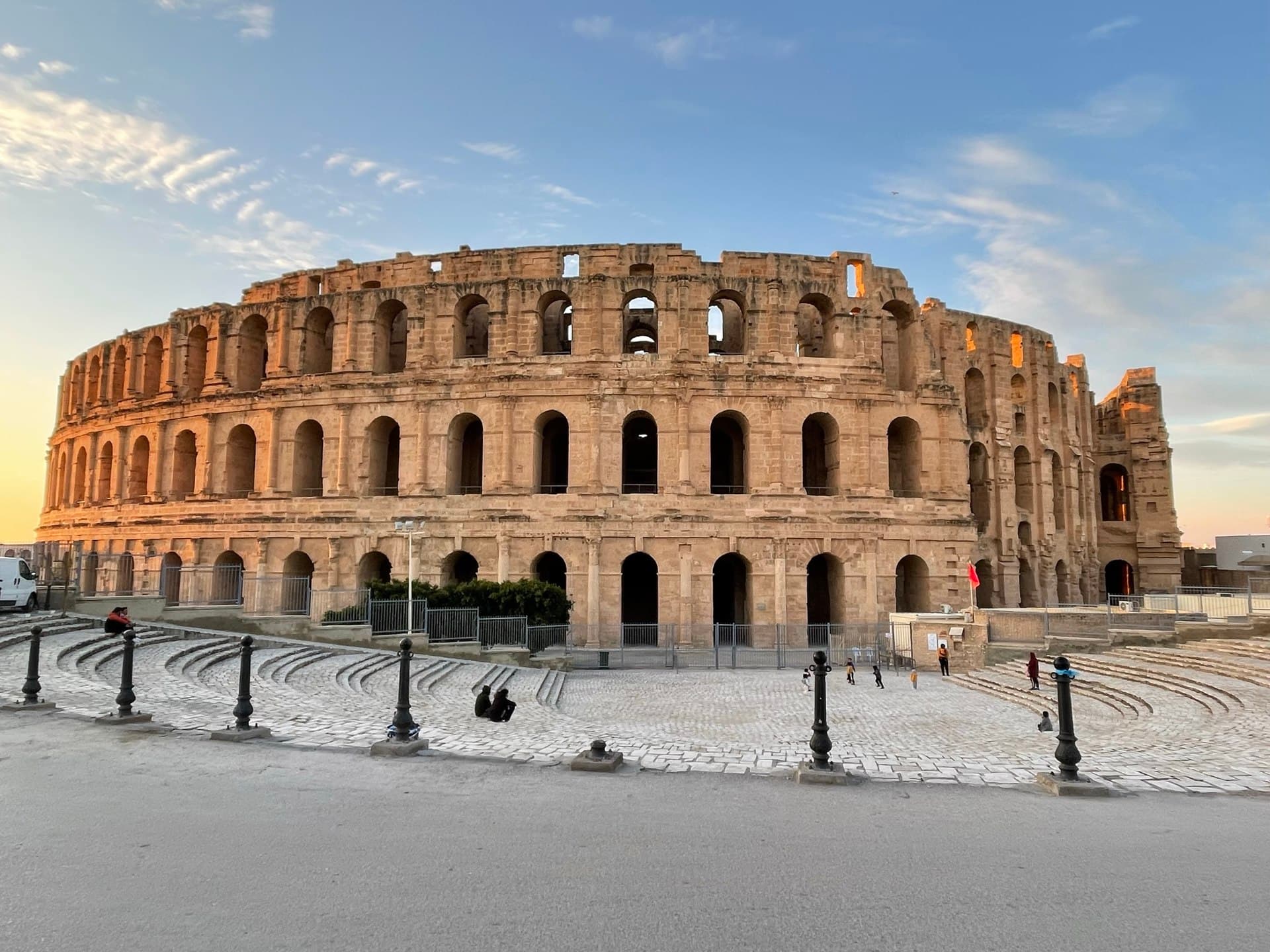 Carole Raddato / CC BY-SA 2.0, via Wikimedia Commons
Tour audio autoguidato di El Jem — percorso GPS a piedi, riproduzione offline, narrazione coinvolgente in 32 lingue.
“Echi di gladiatori in un colosso romano dimenticato.”
Non le cartoline. Le storie che nemmeno i locali conoscono — sussurrate nel tuo orecchio, proprio dove sono accadute.
Immagina gli ultimi momenti prima che gladiatori e bestie feroci irrompessero nell'arena.
Oltre al grande anfiteatro, una villa romana ricostruita custodisce un sorprendente tesoro artistico.
Questa massiccia struttura, paragonabile al Colosseo di Roma, è stata costruita senza un componente cruciale.
Scopri ogni segreto di El Jem
Ogni indirizzo, ogni rivelazione completa — nel tuo orecchio, proprio dove è accaduta.
Scegli le tue tappe. Cammini. La voce rivela ciò che gli altri perdono.
Il tuo tour audio autoguidato di El Jem è pronto — scegli i tuoi punti di interesse, seleziona la tua lingua e inizia nel momento in cui arrivi.
AcquistaLume include una guida in realtà aumentata. Alza il telefono: la fotocamera mostra la strada davanti a te, con una freccia luminosa sovrapposta all'immagine reale che punta sempre verso la tua prossima tappa — nessuna mappa da decifrare, nessuna svolta sbagliata. Come tutto in Lume, funziona completamente offline.
Nel cuore della Tunisia, la città di El Jem sorge dalle pianure piatte, dominata da una meraviglia architettonica che trasporta i visitatori indietro alla grandezza dell'Impero Romano. Questo colossale anfiteatro, spesso definito il Colosseo di El Jem, è una delle rovine romane più grandi e meglio conservate al mondo.
Un tempo conosciuta come Thysdrus, El Jem era una prospera città romana, fiorente come importante centro per la produzione e il commercio dell'olio d'oliva. L'anfiteatro, patrimonio mondiale dell'UNESCO dal 1979, testimonia la ricchezza della città e la vasta portata e abilità architettonica dell'Impero Romano in Nord Africa.
Le origini di El Jem risalgono a un insediamento punico che in seguito divenne la colonia romana di Thysdrus. Entro l'inizio del III secolo d.C., Thysdrus era un significativo centro economico, rivaleggiando con città come Hadrumetum (l'odierna Susa) come seconda città più importante del Nord Africa romano, dopo Cartagine. La sua prosperità era in gran parte alimentata dall'estesa produzione di olio d'oliva nella regione circostante, che forniva una parte sostanziale della domanda di Roma.
La costruzione del magnifico anfiteatro, il terzo ad essere costruito nell'area, è generalmente attribuita all'Imperatore Gordiano I o Gordiano III, intorno al 238 d.C. Questa monumentale impresa fu una chiara dimostrazione del potere e della ricchezza della città. Tuttavia, il 238 d.C. fu un anno tumultuoso, noto come l'"Anno dei Sei Imperatori". Una rivolta contro l'Imperatore Massimino Trace, scatenata da eccessive tassazioni, iniziò a Thysdrus, portando alla proclamazione di Gordiano I come imperatore. Il suo breve regno, durato solo 22 giorni, terminò con il suicidio, e la città subì rappresaglie, portando alla sua devastazione.
Nonostante questo contrattempo, l'anfiteatro è sopravvissuto. Nel Medioevo, servì come fortezza, offrendo rifugio alla popolazione durante gli attacchi dei Vandali nel 430 e degli Arabi nel 647. Più tardi, nel 1695, durante le Rivoluzioni di Tunisi, una sezione delle sue mura fu violata da Mohamed Bey El Mouradi per sedare una ribellione. L'anfiteatro fu anche utilizzato come fabbrica di salnitro tra la fine del XVIII e il XIX secolo. Solo nel 1970 iniziarono gli sforzi di restauro e nel 1979 fu riconosciuto come patrimonio mondiale dell'UNESCO.
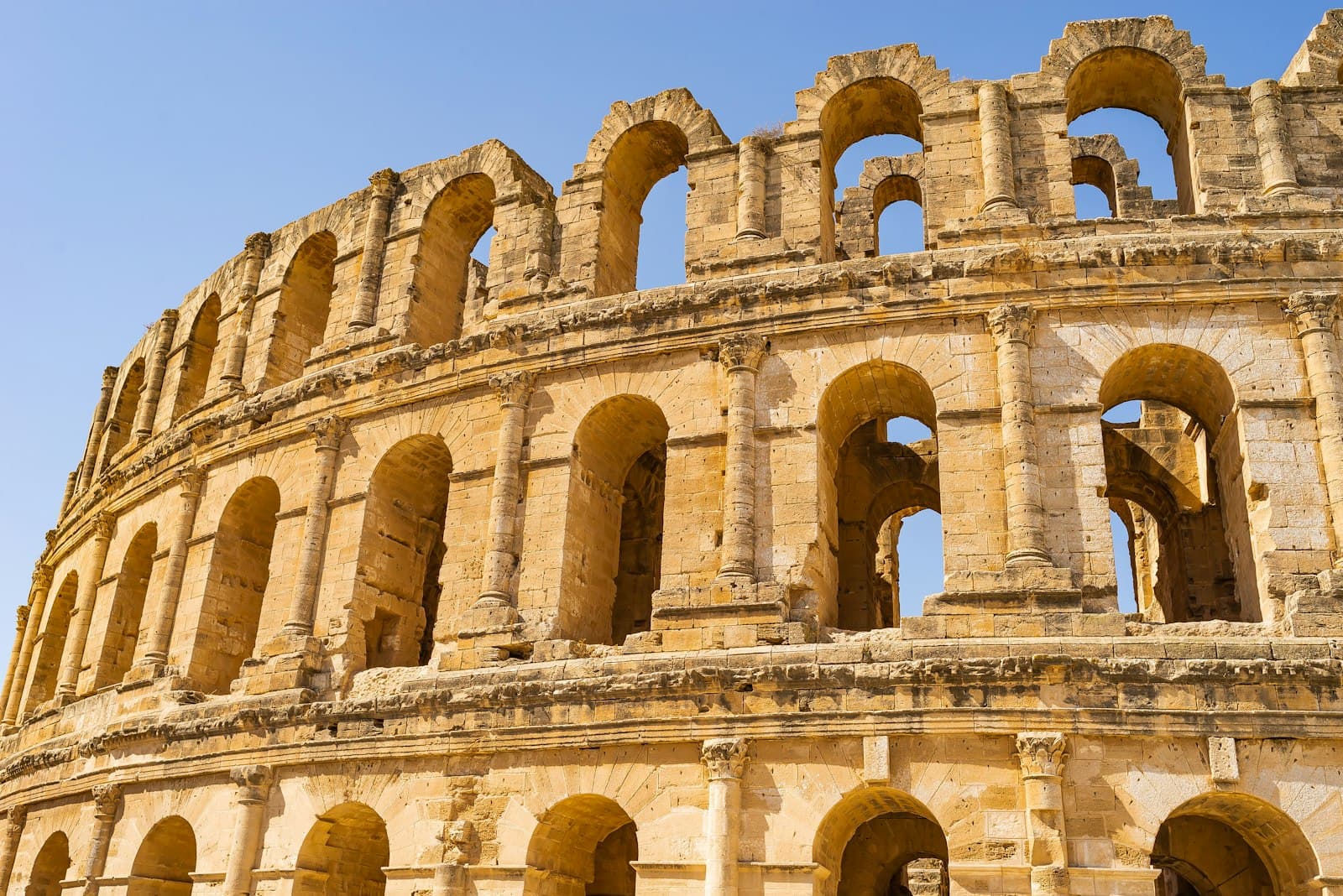
L'attrazione principale a El Jem è senza dubbio l'Anfiteatro, una struttura che rivaleggia con il Colosseo di Roma per la sua impressionante scala e conservazione. La sua forma ellittica misura 148 metri di lunghezza e 122 metri di larghezza, con mura alte 36 metri. I visitatori possono esplorare i tre livelli di arcate, salire ai piani superiori delle gradinate per viste panoramiche dell'arena e scendere nei passaggi sotterranei dove gladiatori e animali selvatici attendevano il loro ingresso.
Oltre all'anfiteatro, una visita al Museo Archeologico di El Jem è essenziale. Situato a breve distanza dall'anfiteatro, il museo è costruito sulle rovine di una villa romana e ospita un'ampia collezione di mosaici e manufatti dell'antica Thysdrus. Il museo offre uno spaccato della vita quotidiana e dell'artigianato artistico dell'epoca romana in Africa, con molti mosaici ancora nelle loro ambientazioni originali all'interno della villa ricostruita e del parco archeologico. Il biglietto cumulativo per l'anfiteatro include solitamente l'ingresso al museo.
I periodi migliori per visitare El Jem sono la primavera (da marzo a maggio) e l'autunno (da ottobre a inizio novembre). Durante questi mesi, il clima è mite e piacevole, rendendolo ideale per esplorare le rovine all'aperto. Le estati (da giugno ad agosto) possono essere estremamente calde, con temperature che raggiungono i 29°C a luglio, quindi se visitate in questo periodo, pianificate la vostra gita per la mattina presto o il tardo pomeriggio per evitare il caldo intenso e la folla. Gli inverni sono miti, offrendo un'esperienza confortevole per esplorare i siti storici.
El Jem è facilmente raggiungibile in treno dalle principali città come Tunisi e Susa, con un viaggio da Tunisi che dura circa 2,5-3 ore. Anche i louage (taxi condivisi) e i tour organizzati sono opzioni convenienti. L'anfiteatro e il museo sono aperti tutti i giorni, con orari invernali solitamente dalle 8:00 alle 17:30 e orari estivi che si estendono fino alle 18:30. Durante il Ramadan, gli orari potrebbero essere modificati.
Un biglietto d'ingresso costa circa 12 Dinari Tunisini (TND) e consente l'accesso sia all'anfiteatro che al Museo Archeologico di El Jem. Si consiglia di portare contanti per i biglietti. Prevedete di trascorrere circa 90 minuti o due ore nell'anfiteatro e altri 30-60 minuti nel museo. C'è poca ombra all'interno dell'anfiteatro, quindi cappelli, acqua e scarpe comode sono essenziali, specialmente durante i mesi più caldi. Guide autorizzate indipendenti sono spesso disponibili all'ingresso per i tour.
El Jem — coreano, cinese, ebraico e altre 29 lingue, ogni tappa narrata da una voce madrelingua. La più ampia scelta di lingue tra i tour audio autoguidati.
Disponibile in: