Pavilhão Qingyin
Além das icônicas pontes duplas do Pavilhão Qingyin, um local mais tranquilo aguarda, muitas vezes negligenciado por aqueles que passam.
História completa desbloqueada no tour
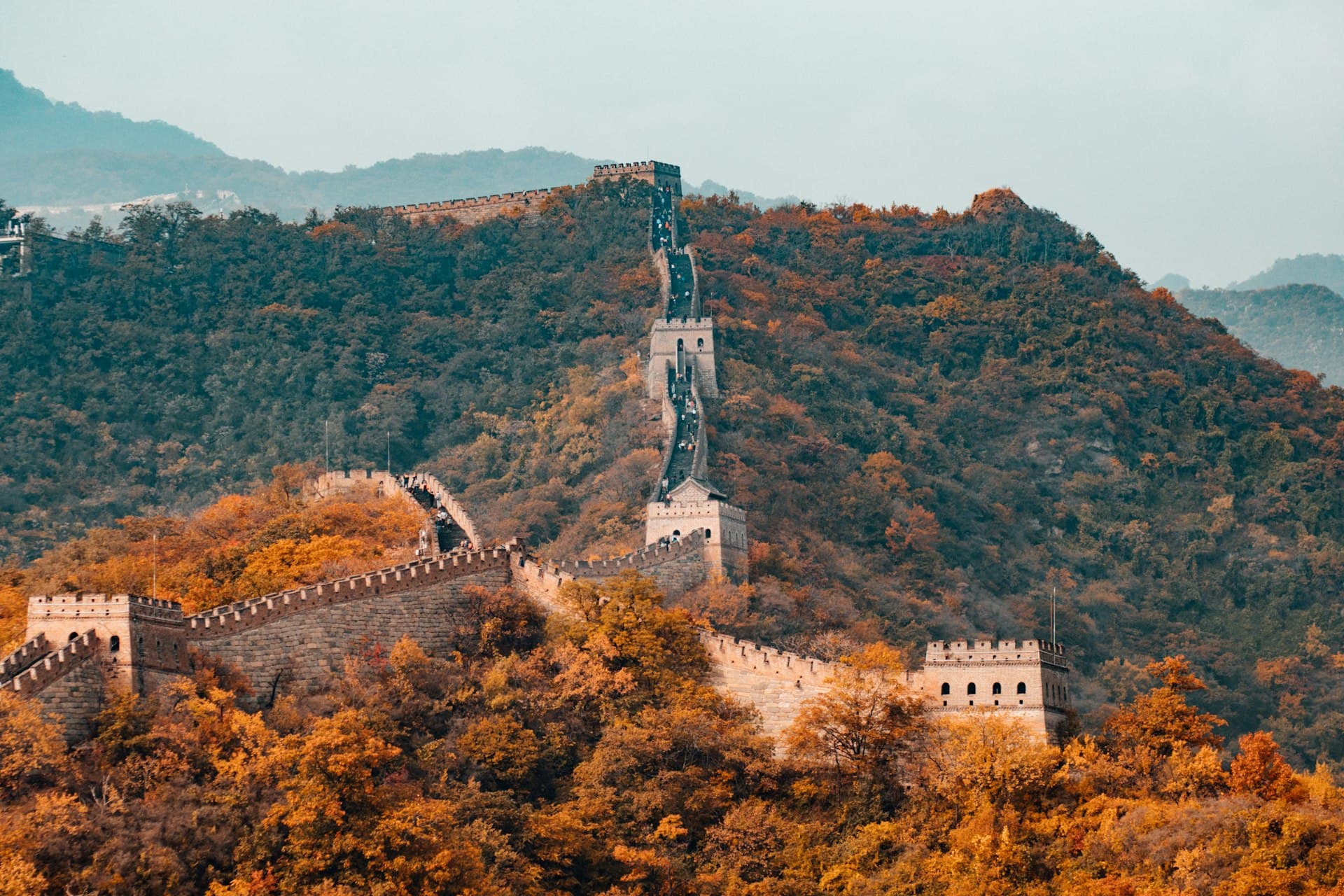 Photo: Hanson Lu / Unsplash
Tour de áudio autoguiado por Emeishan — rota GPS a pé, reprodução offline, narração envolvente em 32 idiomas.
“Onde a névoa encontra a iluminação, e caminhos antigos guiam os devotos.”
Não os postais. As histórias que nem os locais conhecem — sussurradas ao seu ouvido, exatamente onde aconteceram.
Além das icônicas pontes duplas do Pavilhão Qingyin, um local mais tranquilo aguarda, muitas vezes negligenciado por aqueles que passam.
Uma estadia de uma noite em um mosteiro do Monte Emei oferece uma janela para um ritmo de existência diferente.
Para um autêntico refúgio local de verão, um paraíso especial fica logo além da cidade de Emeishan.
Descubra cada segredo de Emeishan
Cada endereço, cada revelação na íntegra — no seu ouvido, exatamente onde aconteceu.
Você escolhe as suas paragens. Você caminha. A voz revela o que os outros perdem.


O seu tour áudio autoguiado de Emeishan está pronto — escolha os seus pontos de interesse, selecione o seu idioma e comece no momento em que chegar.
ComprarA Lume inclui um guia de realidade aumentada. Levante o telemóvel: a câmara mostra a rua à sua frente, com uma seta luminosa sobreposta à imagem real que aponta sempre para a sua próxima paragem — sem mapa para decifrar, sem voltas erradas. Como tudo na Lume, funciona totalmente offline.
Emeishan, na Província de Sichuan, na China, é mais do que uma cidade; serve como o limiar para o Monte Emei, uma das Quatro Montanhas Sagradas Budistas da China. Este Patrimônio Mundial da UNESCO, que ascende a 3.099 metros em seu ponto mais alto, o Monte Wanfo, é um lugar onde a grandiosidade da natureza e a profunda história espiritual se entrelaçam. O nome da montanha, 'Montanha da Sobrancelha Delicada', deriva de dois picos que evocam a curva graciosa das sobrancelhas de uma beleza chinesa.
Os viajantes são atraídos para Emeishan não apenas por suas elevações imponentes e diversos ecossistemas, que vão de florestas subtropicais a matagais subalpinos, mas também por sua herança budista profundamente enraizada. Com uma história que se estende por mais de dois milênios, a montanha está repleta de inúmeros templos e mosteiros, oferecendo uma jornada através de séculos de devoção e esplendor natural.
As encostas do Monte Emei abrigam a presença humana há aproximadamente 10.000 anos. Inicialmente um santuário taoísta, a montanha gradualmente se transformou em um reverenciado local budista até o século III d.C. O primeiro templo budista na China encontrou seu lugar no cume do Monte Emei no século I d.C., construído por Pugong, um agricultor de plantas medicinais. Ele ergueu o Salão Puguang, que mais tarde se tornou conhecido como Templo Guangxiang e, eventualmente, Templo Huazang. Este evento marcou o início do papel significativo do Monte Emei na disseminação do budismo pelo Oriente.
Durante o século III, a forma Puxian do budismo, centrada na devoção ao Bodhisattva Puxian (Samantabhadra), ganhou proeminência na montanha. Um monge chinês chamado Huichi estabeleceu o Templo Puxian, agora reconhecido como Templo Wannian, ao pé do Terraço Guanxinpo. Em meados do século IX, o Imperador Zhao Kuangyin da Dinastia Song despachou monges budistas para a Índia. Ao retornarem, receberam autorização para construir templos adicionais e traduzir textos budistas indianos no Monte Emei. Essa era também testemunhou a fundição de uma estátua de bronze de Puxian de 62 toneladas e 7,85 metros de altura, que agora reside dentro do Templo Wannian.
Ao longo da Dinastia Ming, extensos esforços de reconstrução converteram a maioria dos templos taoístas da montanha para o budismo, cimentando a posição do Monte Emei como um dos locais budistas mais sagrados. Desde 1996, o Monte Emei, juntamente com o vizinho Grande Buda de Leshan, é reconhecido como Patrimônio Mundial Cultural e Natural da UNESCO, celebrado por sua excepcional importância cultural e abundante biodiversidade.
O principal atrativo é o próprio Monte Emei, um vasto domínio cobrindo aproximadamente 154 quilômetros quadrados. A montanha abriga mais de 30 templos, com alguns relatos sugerindo mais de 70 ou até 100 estruturas de mosteiros e templos. Templos importantes incluem o Templo Baoguo, o Templo Wannian, o Templo Fuhu e o Templo Huazang. O Templo Baoguo se destaca como um dos templos budistas de madeira preservados mais antigos, incorporando também estátuas espirituais confucionistas e taoístas.
O Pico Dourado (Jinding), a uma altitude de 3.099 metros, personifica o espírito do Monte Emei. Aqui, pode-se contemplar a estátua dourada de 48 metros de altura de Samantabhadra (Buda Puxian), juntamente com o Templo Dourado, o Templo de Prata e o Templo de Bronze. Do Pico Dourado, os visitantes podem encontrar as 'Quatro Maravilhas do Monte Emei': o Halo de Buda, o Mar de Nuvens, a Lâmpada Sagrada e o Nascer do Sol no Pico Dourado. O Mar de Nuvens aparece frequentemente durante todo o ano, especialmente acima de Xixiangchi, entre 1000-2000 metros acima do nível do mar. A Reserva Ecológica Natural de Macacos do Monte Emei, situada perto do Pavilhão Qingyin, abriga mais de 300 macacos selvagens, conhecidos por seu comportamento brincalhão e semelhante ao humano.
Além da montanha, o vizinho Grande Buda de Leshan, um colossal Buda Maitreya de 71 metros de altura esculpido em uma face de penhasco, convida à contemplação.
A primavera e o outono oferecem as condições mais agradáveis para visitar o Monte Emei, com temperaturas moderadas e paisagens encantadoras. Abril e outubro são particularmente recomendados. Na primavera (abril-maio), as encostas das montanhas explodem em cores com azaleias em flor. O outono (meados de setembro a final de outubro) pinta a paisagem em tons vibrantes de vermelho e amarelo. O verão proporciona um refúgio fresco, com uma temperatura média na montanha de 11,8°C. O inverno (novembro a fevereiro) é ideal para vistas claras do nascer do sol, do mar de nuvens e do halo de Buda, e também apresenta oportunidades para esqui e fontes termais.
A cidade de Emeishan serve como um ponto de partida prático para explorar o Monte Emei e suas atrações circundantes. Trens de alta velocidade oferecem uma conexão conveniente para Emeishan a partir de Chengdu, com uma viagem durando cerca de 1 a 1,5 horas. Ônibus também estão disponíveis na Estação de Ônibus Xinnanmen de Chengdu. Uma vez na cidade de Emeishan, ônibus locais e táxis podem transportá-lo para a entrada da montanha. Para subir o Monte Emei, eco-ônibus levam os visitantes a vários pontos, incluindo Leidongping, de onde teleféricos podem ser pegos para o Pico Dourado.
A entrada para o Monte Emei custa CN¥160 na alta temporada e CN¥110 na baixa temporada (15 de dezembro a 15 de janeiro), com ingressos válidos por dois dias naturais. Os bilhetes do teleférico são separados. As temperaturas variam consideravelmente com a altitude, portanto, vestir-se em camadas é aconselhável, mesmo no verão. Trazer capa de chuva também é prudente, pois a montanha experimenta chuva abundante e névoas frequentes.
Emeishan — coreano, chinês, hebraico e mais 29 idiomas, cada parada narrada por uma voz nativa. A maior variedade de idiomas entre os passeios de áudio autoguiados.
Disponível em: