Deep within the historic Erie Cemetery lies a crypt with an unsettling nickname and a mysterious 'V' carved above its entrance. What dark tales surround this peculiar burial site?
NOAA / Public domain, via Wikimedia CommonsErie
Self-guided audio walking tour of Erie — GPS route, offline playback, story-driven narration in 32 languages.
“Where lake breezes meet small-city charm, and sunsets look like postcards.”
Erie, as no one tells it.
Not the postcards. The stories even locals don't know — whispered in your ear, right where they happened.
For decades, a major transcontinental railway line once ran directly through the middle of a city street in Erie. What was it like to live alongside such a unique thoroughfare?
Lake Erie holds a secret that rivals the famous Loch Ness Monster. What aquatic mystery has captivated locals for centuries?
Discover every secret of Erie
Every address, every reveal in full — in your ear, right where it happened.
You pick your stops. You walk. The voice reveals what the others miss.


How long do you have in Erie?
Your self-guided audio tour of Erie is ready — pick your landmarks, choose your language, and start the moment you arrive.
BuyThe story of Erie
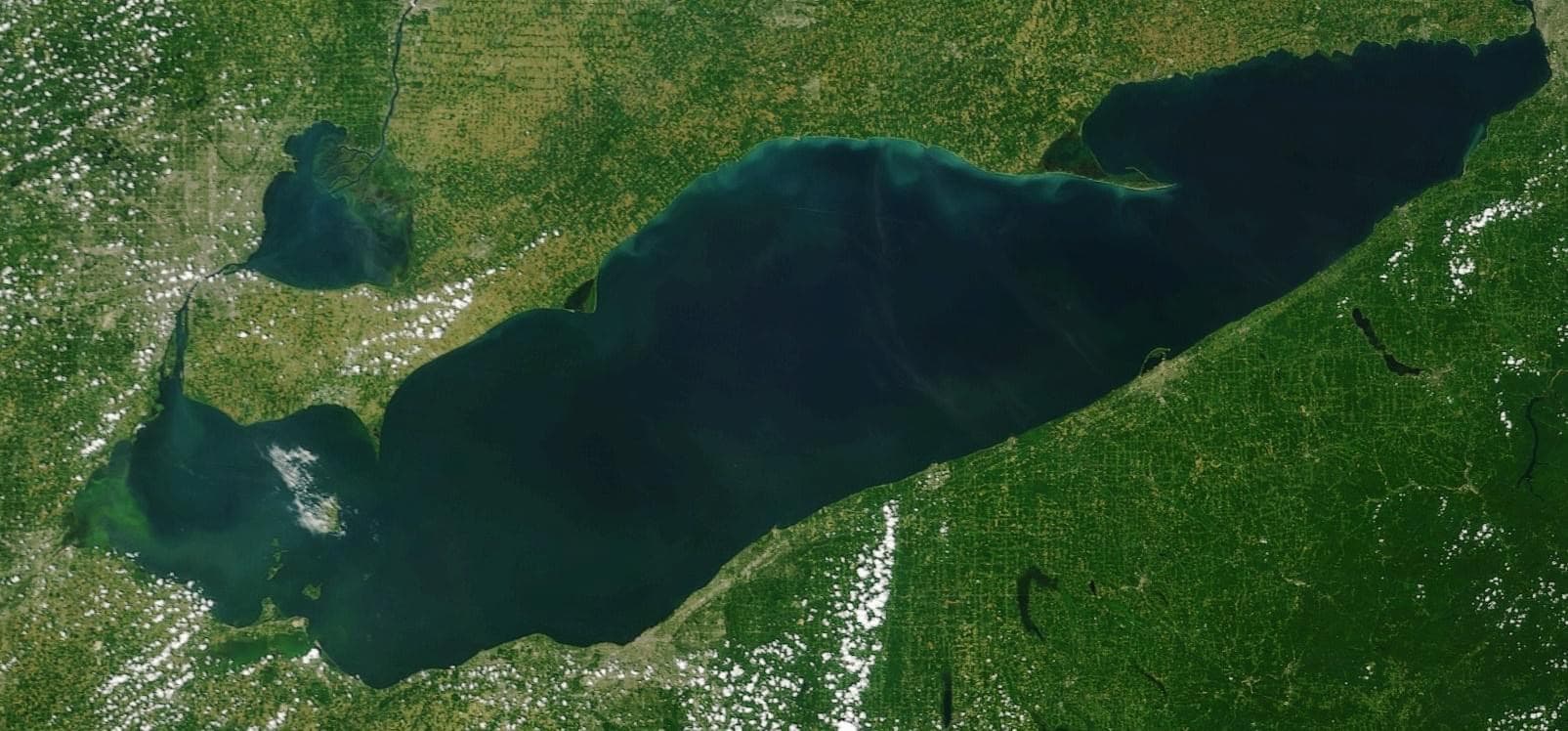
Erie, Pennsylvania, the 'Flagship City,' unfolds on the southern shore of Lake Erie, presenting a unique blend of natural splendor, maritime heritage, and the comfort of a smaller urban center. As Pennsylvania's sole port on the Great Lakes, Erie serves as a nexus for both industry and travelers, readily reachable from major metropolitan areas like Buffalo, Cleveland, and Pittsburgh. With a population exceeding 94,000, it stands as the fifth-most populous city in Pennsylvania.
The city draws its name from the Native American Erie people, who dwelled in the area until the mid-17th century. Though sometimes referred to by residents with less flattering monikers due to past economic shifts, downtown Erie has experienced a revival in recent years, marked by new developments such as the Flagship City Food Hall. Erie's allure stems from its varied offerings, from the sandy expanses and outdoor recreation at Presque Isle State Park to a developing wine country and a deep historical narrative.
From French Fort to Flagship City
The story of Erie is profoundly interwoven with its strategic placement on Lake Erie. European presence in the area began in 1753 when the French erected Fort Presque Isle, named for the peninsula that translates to 'almost an island' in French. This fort served as a defense against the British during the French and Indian War, though the French eventually relinquished it in 1760, with the British assuming control the same year.
After the American Revolutionary War, the land where Erie now stands, known as the Erie Triangle, was claimed by several states. It officially became part of Pennsylvania in 1792 after the federal government acquired it and then transferred it to Pennsylvania. The city of Erie was charted in 1795 and swiftly grew into an active port by 1801.
A pivotal moment in Erie's chronicle unfolded during the War of 1812. In 1813, Commodore Oliver Hazard Perry commanded a decisive victory over the British in the Battle of Lake Erie. Perry's battle flag, inscribed with the words 'Don't Give Up the Ship,' was crafted by Erie resident Margaret Forster Steuart and her family. This crucial event solidified Erie's designation as the 'Flagship City' in honor of Perry's U.S. Brig Niagara, which is homeported here.
Throughout the 19th century, Erie prospered as a center for shipbuilding, fishing, and railroads. The Erie Extension Canal opened in 1844, and rail lines were introduced by 1864. The city also experienced a brief oil surge in the 1860s and was once considered the freshwater fishing capital of America. The 20th century witnessed waves of European immigrants contributing to the city's diverse population and industrial advancements, with Erie's workforce producing everything from aircraft fuselages to howitzers during World War II.
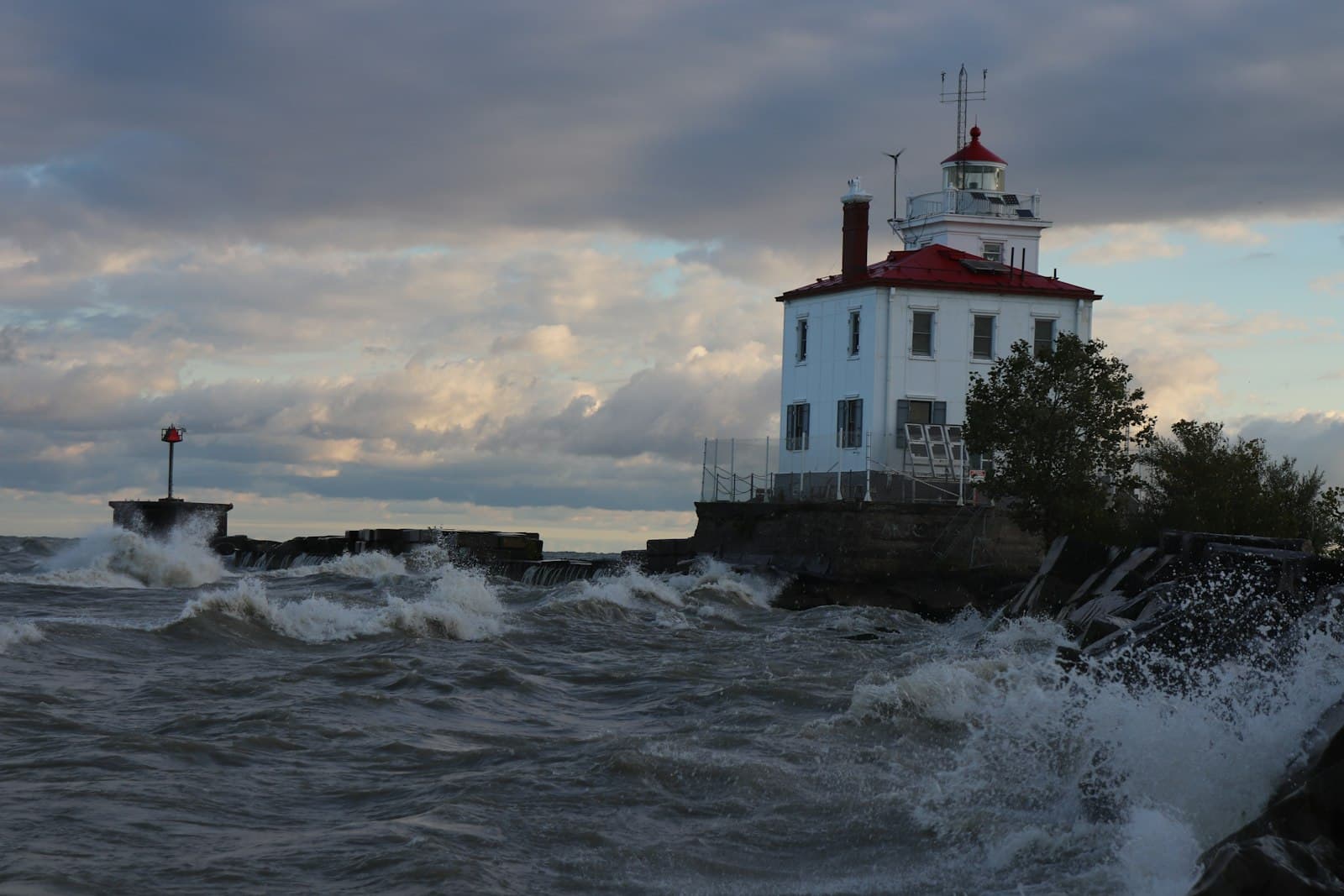
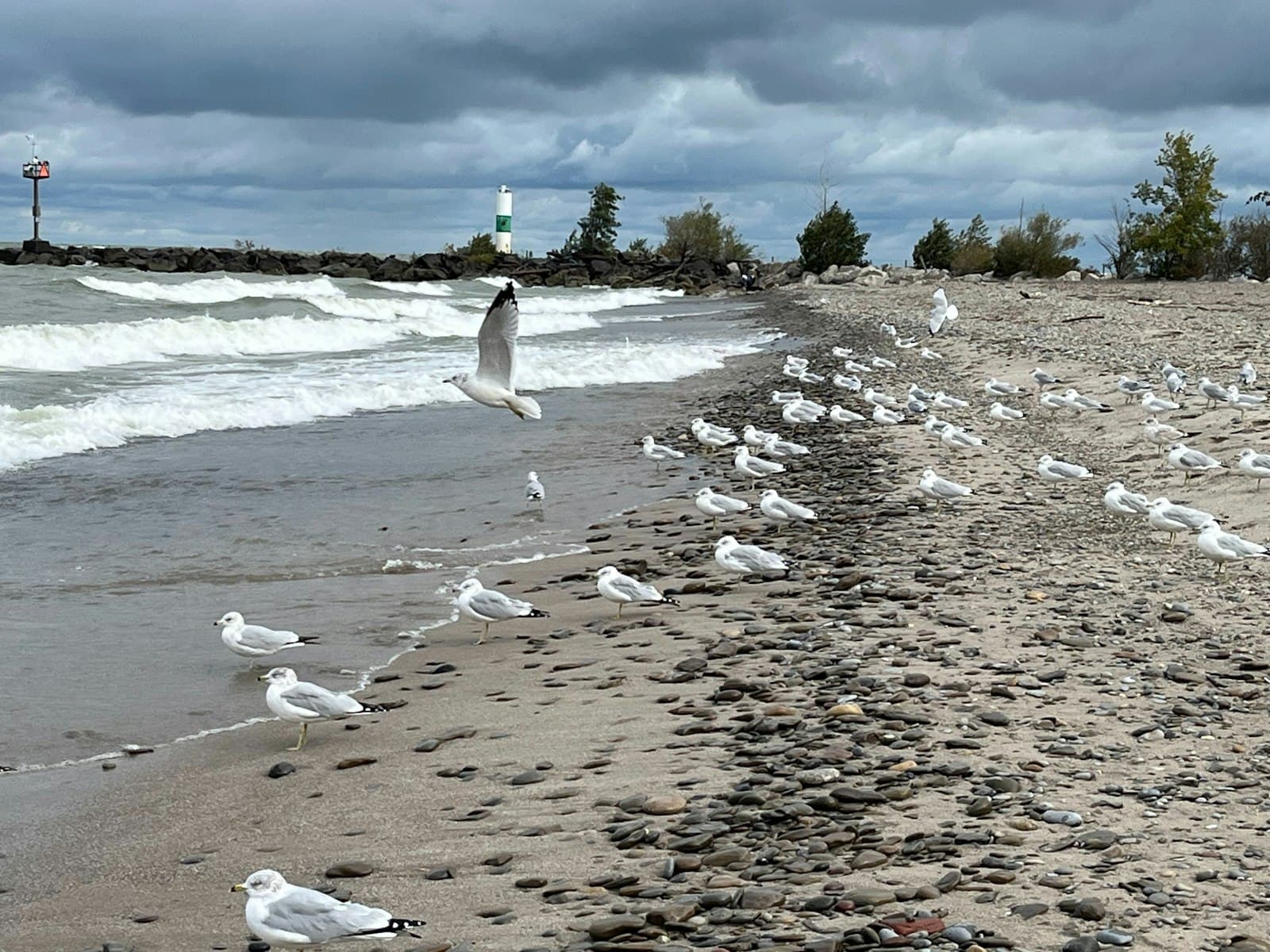
Erie presents a wide array of attractions, beginning with the distinctive Presque Isle State Park. This curving peninsula extends into Lake Erie, offering miles of sandy beaches for swimming and sunbathing, paved trails for cycling, and opportunities for walking and observing birds. Make time to witness a legendary sunset over Lake Erie from within the park. The Presque Isle and North Pier Lighthouses are also worth exploring.
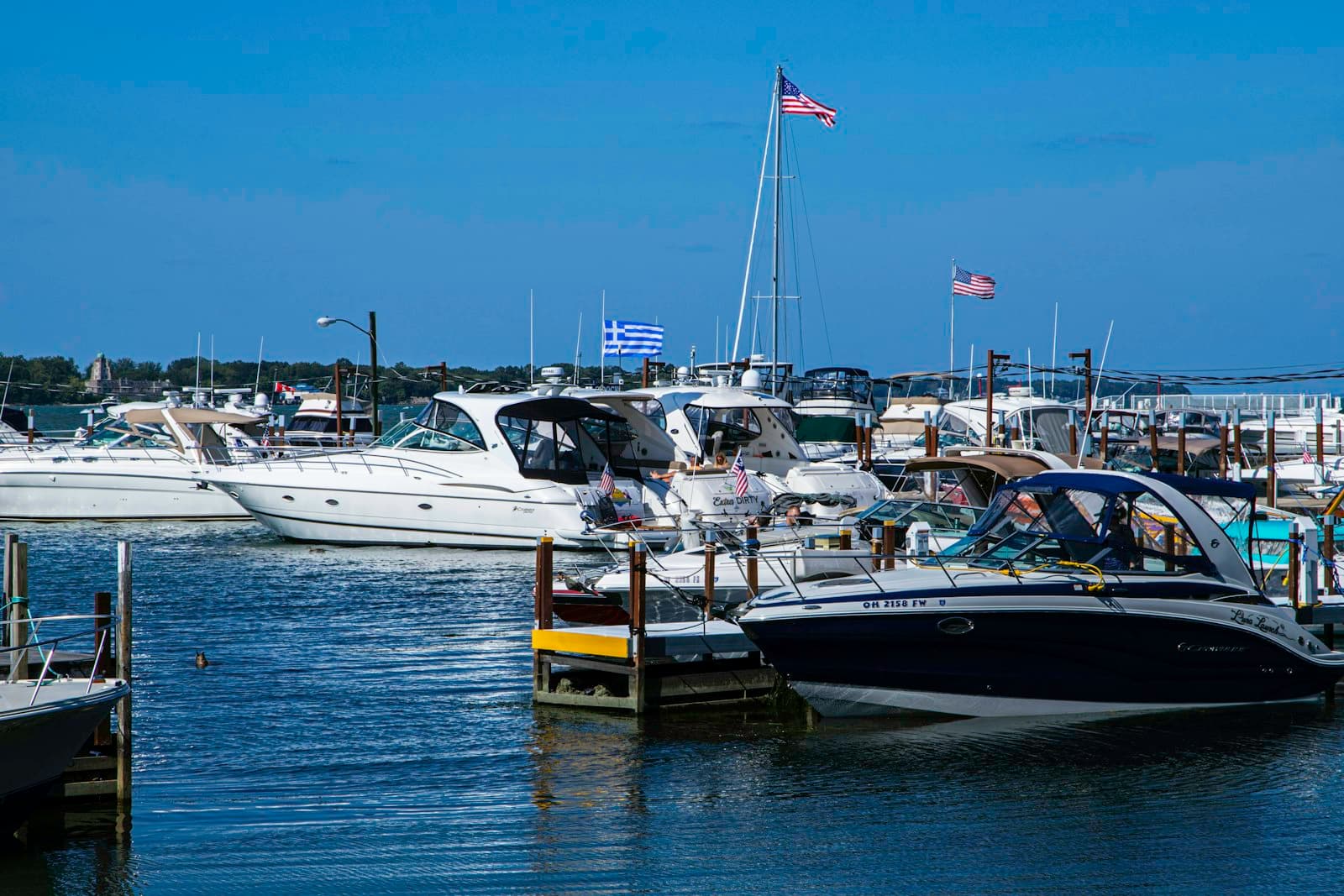
The Bayfront District pulses with the city's energy, particularly in warmer months. Wander along the waterfront, take in the marina and bay views, and consider an ascent up the Bicentennial Tower for sweeping panoramas. For a measure of history, the Erie Maritime Museum recounts the region's naval past, including the U.S. Brig Niagara. Those who appreciate art can explore the Erie Art Museum, one of Pennsylvania's oldest art institutions. Families will discover entertainment at Waldameer Park & Water World, one of the country's oldest amusement parks. Beyond the city limits, Lake Erie Wine Country, just minutes from downtown, comprises over 30,000 acres of vineyards and 21 wineries, perfect for a scenic drive.
The most pleasant time to experience Erie for warm-weather activities spans from late June to mid-September, when average daily high temperatures climb above 70°F. July holds the warmest days, with an average high of 79°F. Spring and autumn offer fewer crowds and agreeable temperatures, ideal for walking and exploration, with fall bringing colorful leaves and crisp air. Winters are moderately cold with substantial lake-effect snow, averaging over 100 inches annually, establishing it as one of the snowiest cities in the U.S. While colder months are less inviting for outdoor pursuits, they provide a quieter pace for indoor activities.
Erie is reachable by car via Interstates 79, 90, and picturesque routes like Route 5. The Erie International Airport (ERI) provides daily flights from American Airlines and Breeze Airways, situated about 10 minutes from downtown. Amtrak offers daily passenger train service to Union Station in downtown Erie. Greyhound Lines also provides bus service, with tickets available for purchase online or by phone.
While certain areas like downtown and the Bayfront are pleasant for walking, a car is advisable for exploring Presque Isle and moving about with ease. For local transit, the Erie Metropolitan Transit Authority (EMTA) operates bus services. Ride-sharing options like Lyft and Uber are also at hand.
Accommodation choices span from hotels and motels to bed and breakfasts, vacation rentals, and campgrounds. Popular selections include hotels along the Bayfront with views of the water. Dining in Erie presents a variety of options, from local comfort foods like Erie Greek sauce and Smith's Hot Dogs to acclaimed barbecue and diverse international fare.
- What is Erie known for?
- Erie is known as the 'Flagship City' due to its role in the War of 1812 and being the homeport of the USS Niagara. It is also recognized for Presque Isle State Park, its lake-effect snow, and Lake Erie Wine Country.
- How much snow does Erie get?
- Erie receives a considerable amount of lake-effect snow, averaging around 104.3 inches per year. It has even won the 'Golden Snow Globe National Snow Contest' for being the snowiest city with a population over 100,000.
- What local foods should I try in Erie?
- Do not depart Erie without sampling Smith's Hot Dogs, a local favorite since 1927. Also, seek out Erie Greek sauce, a distinct blend of meat and spices often served on hot dogs, hamburgers, and fries. Federal Hill Smokehouse is also an acclaimed establishment for barbecue.
- Is Erie a walkable city?
- While portions of downtown and the Bayfront are suitable for walking, a car is generally recommended to fully explore Erie, especially for visiting attractions like Presque Isle State Park.
- What is Lake Erie Wine Country?
- Lake Erie Wine Country is a region around Erie that represents the largest grape production area east of the Rocky Mountains. It features 21 wineries extending across Pennsylvania and New York, offering a distinctive wine-tasting experience.
- What is the best way to get to Erie?
- Erie is accessible by car via major interstates (I-79, I-90), by air through Erie International Airport (ERI), by Amtrak train, and by Greyhound bus services.