Çifte Minareli Medrese (Madrasa dei Minareti Gemelli)
Gli imponenti minareti gemelli di questo capolavoro selgiuchide raccontano una storia di rivalità e una fine drammatica.
La storia completa si sblocca nel tour
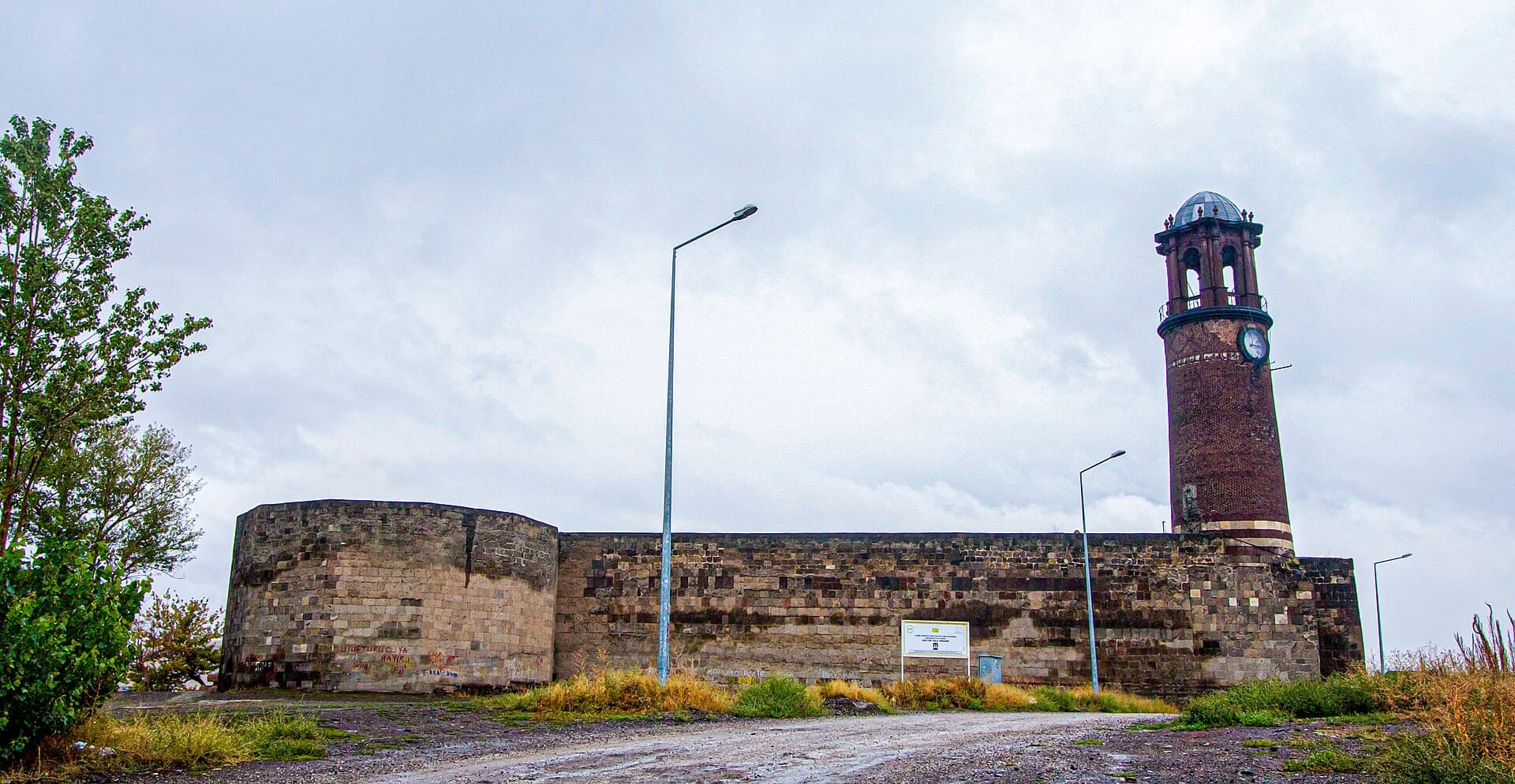 Zeynel Cebeci / CC BY-SA 4.0, via Wikimedia Commons
Tour audio autoguidato di Erzurum — percorso GPS a piedi, riproduzione offline, narrazione coinvolgente in 32 lingue.
“Dove antiche eco incontrano avventure alpine, Erzurum è una città forgiata da imperi e incisa nella pietra.”
Non le cartoline. Le storie che nemmeno i locali conoscono — sussurrate nel tuo orecchio, proprio dove sono accadute.
Gli imponenti minareti gemelli di questo capolavoro selgiuchide raccontano una storia di rivalità e una fine drammatica.
Esamina le intricate incisioni sul portale della Yakutiye Medresesi e scoprirai un serraglio simbolico.
Mentre il castello offre ampie viste sulla città, la torre dell'orologio che si erge tra le sue mura ha un passato sorprendente.
Scopri ogni segreto di Erzurum
Ogni indirizzo, ogni rivelazione completa — nel tuo orecchio, proprio dove è accaduta.
Scegli le tue tappe. Cammini. La voce rivela ciò che gli altri perdono.


Il tuo tour audio autoguidato di Erzurum è pronto — scegli i tuoi punti di interesse, seleziona la tua lingua e inizia nel momento in cui arrivi.
AcquistaLume include una guida in realtà aumentata. Alza il telefono: la fotocamera mostra la strada davanti a te, con una freccia luminosa sovrapposta all'immagine reale che punta sempre verso la tua prossima tappa — nessuna mappa da decifrare, nessuna svolta sbagliata. Come tutto in Lume, funziona completamente offline.
Erzurum, una città nella Turchia orientale, sorge a un'altitudine di circa 1.945 metri (6.380 piedi) sul livello del mare, rendendola una delle principali città più alte del paese. Spesso definita 'La Roccia' per la sua geografia aspra e il suo carattere resiliente, Erzurum è una destinazione affascinante che collega passato e presente. Serve come un importante centro commerciale e culturale nella regione dell'Anatolia orientale, offrendo uno sguardo sull'autentica vita anatolica.
La città è rinomata per la sua architettura selgiuchide e ottomana ben conservata, che riflette la sua lunga storia come crocevia di civiltà. Oltre al suo nucleo storico, Erzurum è una destinazione popolare per gli appassionati di sport invernali, con il vicino comprensorio sciistico di Palandöken che attira visitatori da tutto il mondo. Che siate attratti dai suoi monumenti antichi, dalle vivaci tradizioni locali o dai paesaggi montani, Erzurum offre una miscela unica di esperienze per ogni viaggiatore.
La storia di Erzurum risale a oltre 6.000 anni fa, con prove di insediamenti risalenti al 4000 a.C. L'area fu inizialmente abitata dagli Urartiani intorno al IX secolo a.C., e successivamente da varie civiltà tra cui gli Hurriti, i Cimmeri, gli Sciti, i Medi e i Persiani. Nell'era classica, l'insediamento era conosciuto come Karin. Un momento cruciale arrivò nel V secolo d.C. (intorno al 415–420) quando l'imperatore bizantino Teodosio II ordinò la costruzione di potenti fortificazioni, ribattezzando la città Teodosiopoli. Questo la trasformò nel principale bastione militare dell'Impero Bizantino nella regione.
Nel corso dei secoli, Erzurum divenne un territorio conteso, cambiando mano tra i Bizantini e i Califfati Arabi. Nell'XI secolo, i Turchi Selgiuchidi conquistarono la città, e divenne una parte importante del Sultanato selgiuchide di Rum. Molti dei siti storici e dei monumenti iconici della città, come la Madrasa dei Minareti Gemelli, furono costruiti durante questa fiorente era selgiuchide. Tuttavia, il XIII secolo portò distruzione con le invasioni mongole. Le condizioni migliorarono due secoli dopo sotto il dominio ottomano, con la città che divenne un'importante capitale provinciale ed espanse la sua influenza culturale e architettonica.
Durante il periodo ottomano, Erzurum servì come una base militare cruciale, in particolare nel XIX secolo, quando divenne la principale fortezza ottomana contro le avanzate russe. La città fu occupata dalle forze russe più volte durante le guerre russo-ottomane. Nella storia moderna, Erzurum detiene un'immensa importanza per il suo ruolo nella Guerra d'Indipendenza Turca. Nel 1919, si tenne il Congresso di Erzurum, dove Mustafa Kemal Atatürk e altri leader nazionalisti si riunirono per discutere il futuro dell'Impero Ottomano e la resistenza contro l'occupazione straniera. Le decisioni prese durante questo congresso furono fondamentali per gettare le basi per la creazione della moderna Repubblica di Turchia nel 1923.
Erzurum offre una convincente serie di attrazioni storiche e naturali. Iniziate dalla Çifte Minareli Medrese (Madrasa dei Minareti Gemelli), una grandiosa scuola teologica selgiuchide del XIII secolo nota per i suoi imponenti minareti gemelli e le intricate incisioni in pietra. Nelle vicinanze, esplorate la Yakutiye Medresesi, una madrasa dell'era Ilkhanide del 1310, celebrata per il suo portale dettagliato con motivi geometrici e animali. Entrambe ora funzionano come musei, mostrando la loro eredità architettonica e storica.
Salite al Castello di Erzurum per ammirare ampie vedute della città e delle montagne circostanti. Il castello, con origini nel V secolo d.C., include il Minareto Tepsi del XII secolo, che ora funge da torre dell'orologio. Una breve passeggiata vi condurrà agli Üç Kümbetler (Tre Mausolei), un complesso di mausolei dal XII al XIV secolo, con il più grande ritenuto essere la tomba dell'Emir Saltuk.
Per uno sguardo sull'architettura ottomana, visitate la Moschea Lala Mustafa Pasha, costruita nel 1562 dal celebre architetto Mimar Sinan. Il Rüstem Pasha Caravanserai (Taşhan), una struttura ottomana del XVI secolo, continua la sua eredità commerciale come centro per l'artigianato tradizionale, in particolare la pietra di Oltu. Oltre il centro città, considerate una gita di un giorno alle Narman Fairy Chimneys, suggestive formazioni rocciose rosse scolpite da milioni di anni di erosione. La maestosa Cascata di Tortum, una delle più alte della Turchia, e il tranquillo Lago Tortum offrono anche rifugi naturali.
Erzurum è una destinazione tutto l'anno, con il periodo ideale che dipende dai vostri interessi. Per gli appassionati di sport invernali, dicembre, gennaio e febbraio sono i mesi principali per sciare e fare snowboard al comprensorio sciistico di Palandöken, dove lo spessore della neve può raggiungere i 2-3 metri. Le estati, da giugno ad agosto, offrono un clima caldo e piacevole, perfetto per esplorare siti storici e godersi la natura. Primavera e autunno offrono temperature più miti, adatte per attività all'aperto e visite turistiche senza gli estremi dell'inverno.
Erzurum è generalmente considerata sicura per i viaggiatori, anche se è sempre saggio usare il buon senso e custodire i propri oggetti di valore. Sono disponibili trasporti pubblici, inclusi autobus e minibus, per spostarsi in città, e anche i taxi sono un'opzione. Per esplorare luoghi al di fuori della città, si consiglia di noleggiare un'auto o prenotare un tour locale, poiché i trasporti pubblici possono essere limitati.
La valuta locale è la Lira Turca (TRY) e, sebbene alcuni esercizi accettino carte di credito, è consigliabile portare contanti per negozi e ristoranti più piccoli. Vestitevi in modo modesto, specialmente quando visitate luoghi religiosi, e ricordatevi di togliere le scarpe prima di entrare in una moschea. Il turco è la lingua principale, quindi imparare alcune frasi di base può migliorare la vostra esperienza. Gli inverni sono freddi con abbondanti nevicate, quindi portate abiti caldi, inclusi strati termici, un cappotto pesante, guanti e un cappello, se visitate durante questa stagione.
Erzurum — coreano, cinese, ebraico e altre 29 lingue, ogni tappa narrata da una voce madrelingua. La più ampia scelta di lingue tra i tour audio autoguidati.
Disponibile in: