Serbatoio d'Acqua di Esbjerg
Il Serbatoio d'Acqua di Esbjerg, un importante punto di riferimento della città, non fu originariamente progettato con influenze danesi.
La storia completa si sblocca nel tour
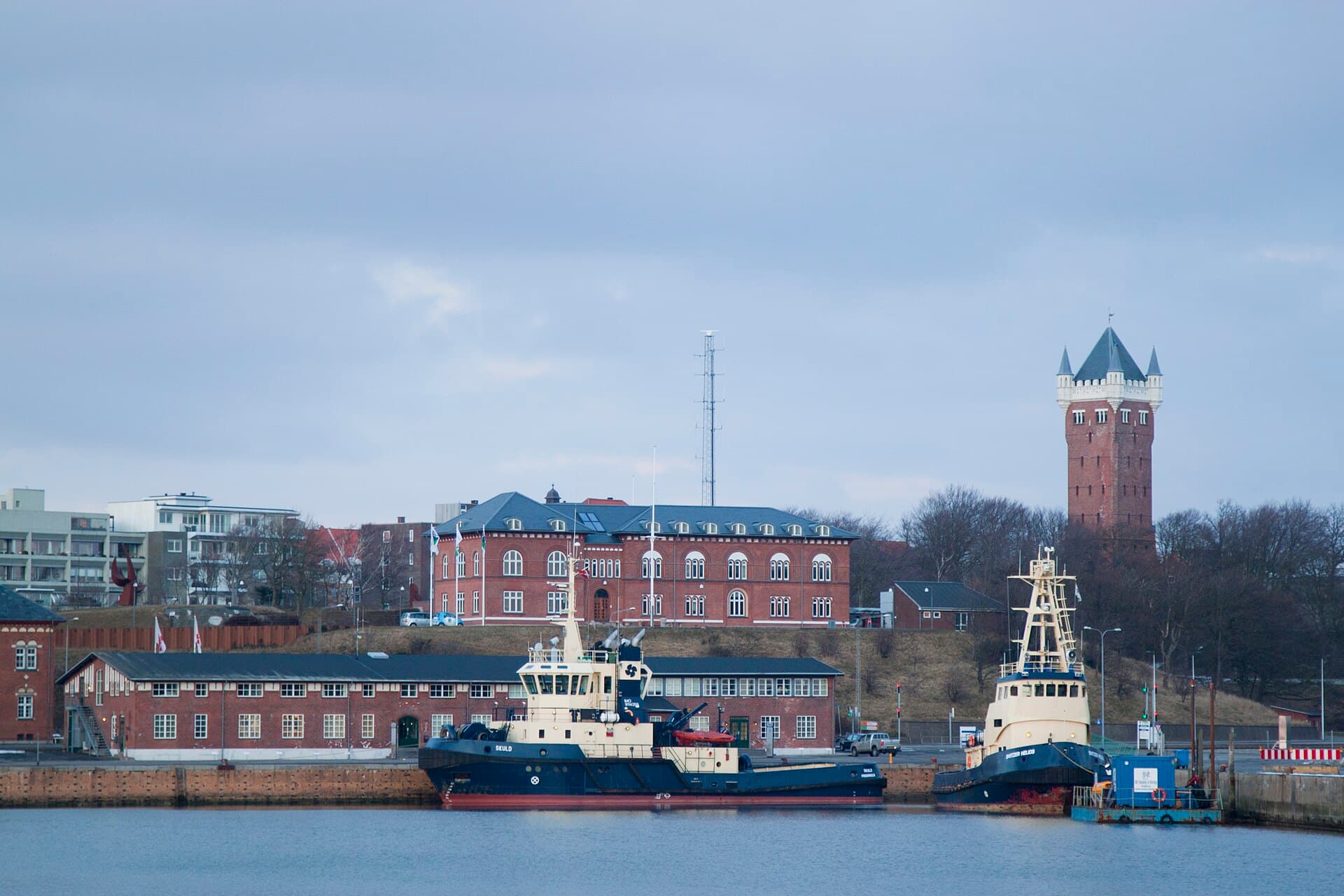 Graeme Maclean from Glasgow, UK / CC BY 2.0, via Wikimedia Commons
Tour audio autoguidato di Esbjerg — percorso GPS a piedi, riproduzione offline, narrazione coinvolgente in 32 lingue.
“Dove il Mare del Nord incontra storia inaspettata e arte monumentale.”
Non le cartoline. Le storie che nemmeno i locali conoscono — sussurrate nel tuo orecchio, proprio dove sono accadute.
Il Serbatoio d'Acqua di Esbjerg, un importante punto di riferimento della città, non fu originariamente progettato con influenze danesi.
Mentre molte città europee si sono evolute nel corso dei secoli, la rapida crescita di Esbjerg alla fine del XIX secolo ha portato a un approccio architettonico unico.
L'iconica scultura "L'Uomo Incontra il Mare", simbolo di Esbjerg, era originariamente concepita per una località diversa, ma ugualmente suggestiva, in Danimarca.
Scopri ogni segreto di Esbjerg
Ogni indirizzo, ogni rivelazione completa — nel tuo orecchio, proprio dove è accaduta.
Scegli le tue tappe. Cammini. La voce rivela ciò che gli altri perdono.


Il tuo tour audio autoguidato di Esbjerg è pronto — scegli i tuoi punti di interesse, seleziona la tua lingua e inizia nel momento in cui arrivi.
AcquistaLume include una guida in realtà aumentata. Alza il telefono: la fotocamera mostra la strada davanti a te, con una freccia luminosa sovrapposta all'immagine reale che punta sempre verso la tua prossima tappa — nessuna mappa da decifrare, nessuna svolta sbagliata. Come tutto in Lume, funziona completamente offline.
Esbjerg, la quinta città più grande della Danimarca, è una dinamica città portuale sulla costa occidentale della penisola dello Jutland, che offre un mix di patrimonio industriale e accesso a significativi paesaggi naturali. A differenza di molte città danesi evolutesi nel corso dei secoli, Esbjerg fu fondata nel 1868 per pianificazione statale per sostituire il porto del Mare del Nord perso a favore della Germania dopo la Seconda Guerra dello Schleswig. Questa creazione deliberata portò a una rapida crescita, trasformando un'area scarsamente abitata di fattorie in un vivace centro.
Le origini di Esbjerg sono una diretta conseguenza di una guerra persa. Dopo la sconfitta della Danimarca nella Seconda Guerra dello Schleswig nel 1864, il paese perse il suo cruciale porto sul Mare del Nord di Altona a favore della Germania. Per compensare questa perdita e fornire un nuovo sbocco per i prodotti agricoli dello Jutland, il Parlamento danese approvò una legge nel 1868 per la costruzione di un nuovo porto statale sulla costa occidentale. Questa segnò la data ufficiale di fondazione di Esbjerg, una città nata da una necessità strategica piuttosto che da uno sviluppo graduale.
Prima dell'inizio della costruzione, l'area era una comunità rurale con solo poche fattorie sparse. Il porto aprì ufficialmente nel 1874, in concomitanza con l'inaugurazione di un collegamento ferroviario che collegava Esbjerg al resto del paese. Questa infrastruttura alimentò rapidamente la crescita della città, guadagnandole il soprannome di "Chicago danese" a causa del suo esplosivo aumento demografico e del rapido sviluppo. Nel 1899, Esbjerg aveva ottenuto lo status di città di mercato e i diritti di autogoverno municipale.
Per tutto l'inizio del XX secolo, Esbjerg prosperò come porto di pesca e importante centro per le esportazioni agricole, in particolare burro e uova per il mercato di Londra. Durante la Seconda Guerra Mondiale, la costa fu fortificata con bunker del Vallo Atlantico, molti dei quali rimangono come siti storici. Gli anni '60 videro la città raggiungere il suo apice come uno dei più grandi porti di pesca del mondo. Gli anni '80 inaugurarono una nuova era con lo sviluppo attivo dei giacimenti di petrolio e gas del Mare del Nord, trasformando Esbjerg in un hub per l'industria offshore. Più recentemente, è diventata un leader globale nella spedizione di turbine eoliche offshore, svolgendo un ruolo fondamentale nell'energia verde. Oggi, Esbjerg continua a evolversi, fondendo la sua potenza industriale con una crescente scena culturale e un forte legame con il suo patrimonio marittimo.
Inizia la tua esplorazione dalla scultura L'Uomo Incontra il Mare (Mennesket ved Havet), un'opera monumentale di Svend Wiig Hansen raffigurante quattro figure bianche alte nove metri che guardano verso il Mare del Nord. Questo monumento, inaugurato nel 1995, simboleggia l'incontro tra umanità e natura. Direttamente di fronte, il Museo della Pesca e Marittimo offre uno sguardo immersivo nelle tradizioni marinare della Danimarca, completo di un acquario e un recinto esterno per le foche.
Per viste panoramiche del porto e della città, visita il Serbatoio d'Acqua di Esbjerg. Completato nel 1897, il suo design è stato ispirato da un castello medievale tedesco. Il Porto di Esbjerg stesso è un centro vivace dove, durante l'estate, potresti assistere a un'asta di pesce. Fai un breve tragitto in traghetto di 12 minuti per l'Isola di Fanø, una fuga tranquilla nota per le sue ampie spiagge sabbiose, i villaggi affascinanti e le casette storiche ben conservate. Fanø è anche un luogo popolare per il birdwatching e gli appassionati di aquiloni.
Approfondisci il passato della città al Museo di Esbjerg, che narra la storia della città dal 1900 al 1950, e ospita anche un'impressionante mostra sull'ambra. Gli amanti dell'arte possono esplorare l'Esbjerg Kunstmuseum, che espone arte moderna e sperimentale danese. Per un'immersione più profonda nella storia vichinga, un viaggio in treno di 30 minuti ti porta a Ribe, la città più antica della Danimarca, sede di una magnifica cattedrale e del Ribe VikingeCenter.
Il periodo migliore per visitare Esbjerg è durante i mesi estivi, da giugno ad agosto. Questo periodo offre il clima più mite, con temperature medie che raggiungono i 16-17,5°C, rendendolo ideale per passeggiate costiere e visite turistiche. Giugno è particolarmente piacevole, con forte sole e temperature marine confortevoli per nuotare. Sebbene le estati siano miti, preparati a qualche giorno di pioggia e serate più fresche. Gli inverni sono freschi e umidi, con precipitazioni frequenti e leggere. La città sperimenta stagioni distinte senza temperature estreme.
Esbjerg è facilmente percorribile a piedi o in bicicletta, con autobus e treni locali e regionali che collegano la città e altre destinazioni. Il traghetto Fanø-Esbjerg offre traversate frequenti di 12 minuti per l'Isola di Fanø. I biglietti individuali per treni e traghetti possono essere acquistati alle stazioni, mentre i biglietti dell'autobus sono disponibili a bordo. Per chi guida, è disponibile un parcheggio gratuito in tutti i parcheggi comunali nel centro di Esbjerg.
Le informazioni turistiche sono disponibili presso la Biblioteca Principale (Hovedbiblioteket) a Esbjerg. Il centro città offre un layout compatto, rendendo facile l'accesso a negozi, ristoranti e siti culturali. Gli orari dei negozi vanno generalmente dalle 10:00 alle 17:30/18:00 nei giorni feriali, con chiusure anticipate il sabato e la maggior parte dei negozi chiusi la domenica. Esbjerg Taxa fornisce servizi taxi affidabili per lunghe distanze o viaggi notturni.
Esbjerg — coreano, cinese, ebraico e altre 29 lingue, ogni tappa narrata da una voce madrelingua. La più ampia scelta di lingue tra i tour audio autoguidati.
Disponibile in: